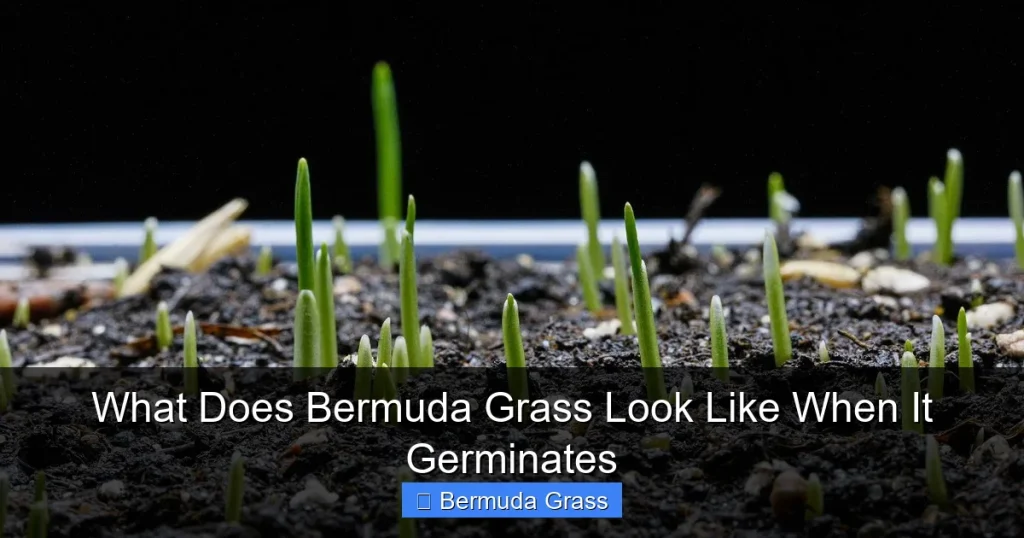
Bermuda grass germinates quickly and shows distinctive early signs. When it begins to sprout, you’ll see small, thin blades emerging from the soil. Recognizing these initial growth patterns helps you monitor and care for your lawn effectively.
What Does Bermuda Grass Look Like When It Germinates
If you’re planting Bermuda grass or monitoring a new lawn, understanding what germinating Bermuda grass looks like is essential. Early identification helps you ensure healthy growth and catch any issues early. In this guide, we’ll walk you through the process of recognizing Bermuda grass when it first sprouts, along with tips for successful germination and care.
Key Takeaways
- Germination Time: Bermuda grass typically germinates within 7-14 days after planting.
- Initial Appearance: Tiny, thin grass blades emerge from the soil, often with a light green color.
- Growth Pattern: The seedlings grow upright, with narrow, pointed leaves that resemble fine hair.
- Color Changes: The first sprouts are usually lighter green, darkening as they mature.
- Soil Conditions: Consistent moisture and warm temperatures promote healthy germination.
- Identification Tips: Look for small, grass-like shoots that are separate from weeds or other grass types.
Understanding Bermuda Grass Germination
Bermuda grass is a warm-season grass known for its durability and lush appearance. Its germination process begins when the soil temperature hits around 65-70°F (18-21°C). Once the conditions are right, seeds start to sprout, showing distinctive early signs. Recognizing these signs ensures you’re on track for a healthy, vibrant lawn.
Step 1: Preparing Your Soil for Germination
Ensure Proper Soil Conditions
Healthy germination starts with good soil. Clear debris and weeds from the planting area. Loosen the soil to a depth of about 1-2 inches to allow easy seed penetration. Incorporate compost or fertilizer as needed to provide nutrients.
Visual guide about What Does Bermuda Grass Look Like When It Germinates
Image source: i.ytimg.com
Maintain Consistent Moisture
Keep the soil evenly moist but not waterlogged. Use a gentle spray or light watering to prevent washing away the seeds. Consistent moisture is key during the first 10-14 days.
Step 2: Planting Bermuda Grass Seeds
Seeding Method
Scatter the Bermuda grass seeds evenly over the prepared soil. For best results, use about 1-2 pounds of seed per 1000 square feet. Rake lightly to cover the seeds with a thin layer of soil, about ¼ inch deep.
Visual guide about What Does Bermuda Grass Look Like When It Germinates
Image source: storables.com
Watering After Planting
Immediately after planting, water lightly to settle the soil. Keep the soil consistently moist for the first two weeks. Avoid heavy watering that could wash the seeds away.
Step 3: Recognizing Germination Signs
When Does Bermuda Grass Germinate?
Depending on soil temperature and moisture, Bermuda grass usually germinates within 7-14 days after planting. Warmer temperatures accelerate sprouting.
Visual guide about What Does Bermuda Grass Look Like When It Germinates
Image source: houstonturfgrass.com
What Does Bermuda Grass Look Like When It Germinates?
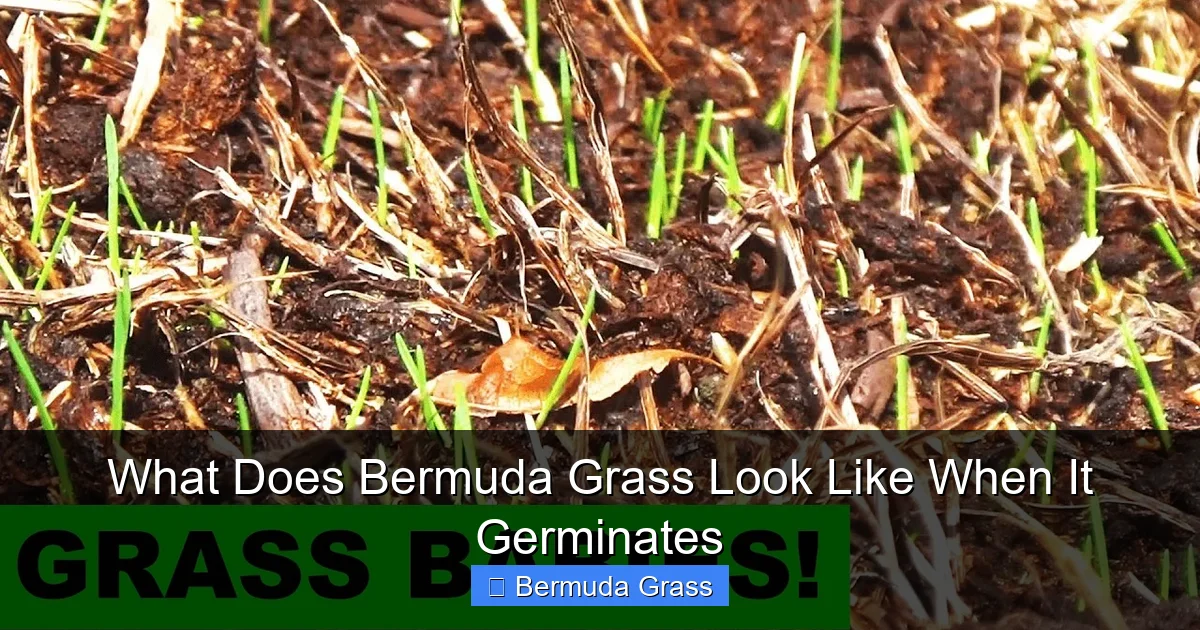
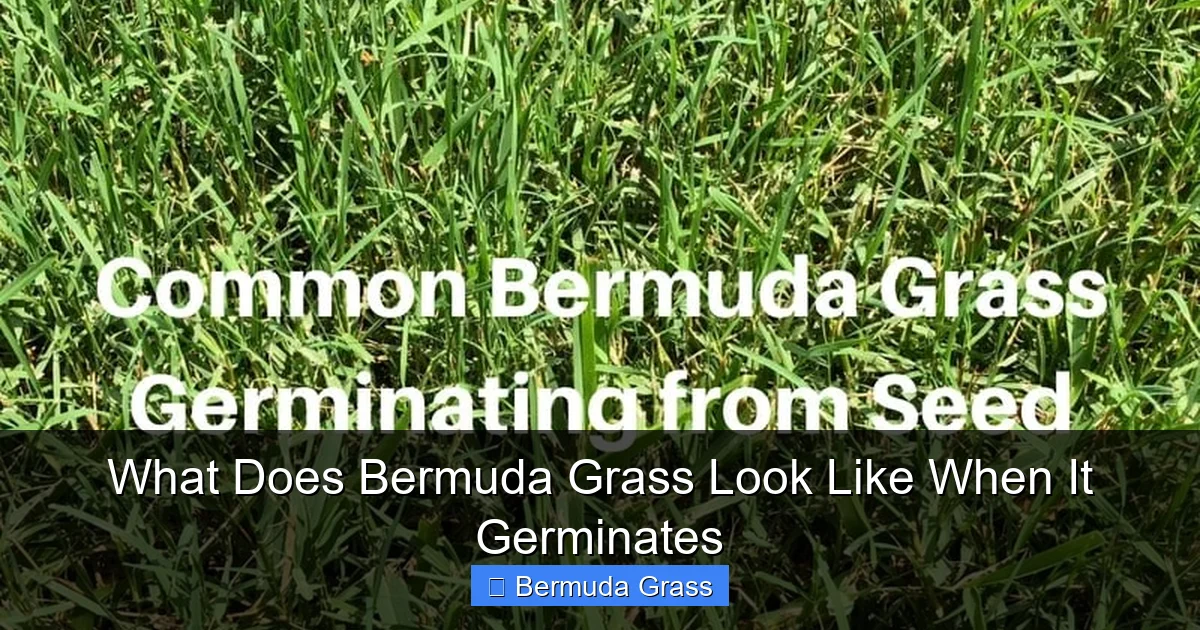
The first signs are tiny, thin grass blades emerging from the soil surface. These seedlings are delicate, narrow, and often light green in color. They resemble fine hair-like structures and are sometimes mistaken for weeds or other grass types.
Visual Characteristics of Germinating Bermuda Grass
- Size: The seedlings are small, typically less than 1 inch tall.
- Color: Light green or pale when they first emerge, darkening over time.
- Shape: Narrow, pointed blades that stand upright.
- Texture: Thin and delicate, almost hair-like in appearance.
Step 4: Care During Germination
Watering Tips
Maintain consistent moisture, watering lightly once or twice daily, especially during hot or dry conditions. Avoid overwatering, which can cause seed rot.
Temperature and Light
Bermuda grass prefers full sun and warm temperatures. Ensure your lawn receives at least 6 hours of direct sunlight daily to promote healthy growth.
Monitoring Growth
Check regularly for signs of germination. Keep an eye out for the tiny grass blades breaking through the soil surface around the 7-14 day mark.
Step 5: Troubleshooting Common Issues
- No Germination: Could be due to cold soil, poor seed quality, or insufficient watering. Ensure soil is warm enough and keep moisture consistent.
- Uneven Sprouting: Seeds may be scattered unevenly or buried too deep. Reseed bare patches if necessary.
- Weed Competition: Weeds can outcompete young Bermuda grass. Remove weeds early to reduce competition.
Conclusion
Recognizing what Bermuda grass looks like when it germinates is crucial for lawn care success. Early tiny, thin, light green blades are the first indicators of healthy germination. With proper soil preparation, consistent watering, and patience, your Bermuda grass will grow into a lush, durable lawn. Keep monitoring the early signs, and you’ll be on your way to a beautiful yard in no time!
Additional Tips for Successful Bermuda Grass Growth
- Use high-quality seeds from reputable suppliers.
- Maintain proper mowing height once established—about 1-2 inches.
- Fertilize appropriately during the growing season to encourage lush growth.
- Water deeply and infrequently to promote strong root development.