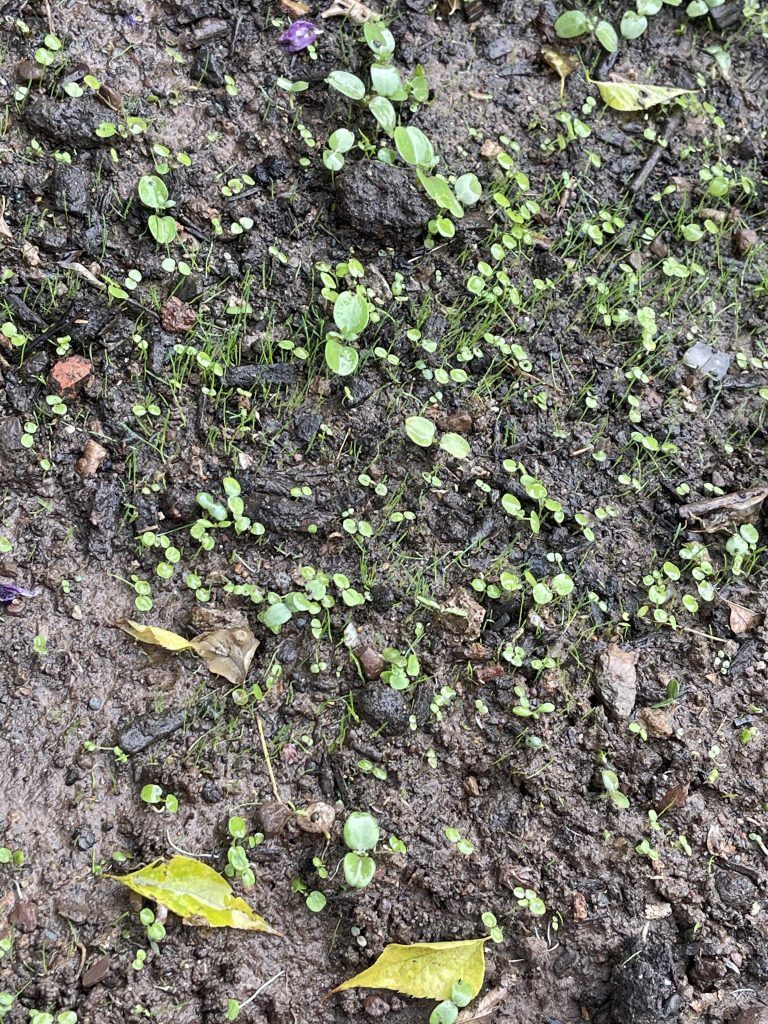
Kentucky bluegrass sprouts are tiny, lush green patches that eagerly emerge from the soil, giving your lawn its characteristic vibrant hue. These little beginnings are soft, fine-textured, and quickly spread to form a dense, beautiful turf. If you’re curious about what to look for when spotting new Kentucky bluegrass growth, you’ll notice delicate, narrow blades that look like miniature versions of the mature grass, often appearing in clusters or patches.
In short, Kentucky bluegrass sprouts are small, soft, bright green shoots with slender blades that fan out from the ground. They typically appear as fine, fuzzy patches early in the growing season and quickly establish a lush, interwoven carpet of grass.
Starting a new lawn or overseeding an existing one? Understanding what Kentucky bluegrass sprouts look like can help you recognize healthy growth early on. These sprouts are the first sign of successful seeding, showcasing a vibrant, tender green that signals your grass is settling in well. With their delicate appearance, they spark excitement for the lush, blue-tinted turf to come, and knowing what to expect makes caring for your lawn much easier. Whether you’re a seasoned gardener or a beginner, spotting these tiny green specks early ensures you’re on the right track to a stunning, verdant yard.

What Do Kentucky Bluegrass Sprouts Look Like?
Introduction to Kentucky Bluegrass Sprouts
Kentucky bluegrass is a popular turfgrass used for lawns, sports fields, and parks. Its sprouts are the very first signs of new growth after planting or overseeding. Recognizing what Kentucky bluegrass sprouts look like helps gardeners and homeowners monitor their lawn’s health.
Appearance of Kentucky Bluegrass Sprouts
Kentucky bluegrass sprouts appear as small, delicate shoots emerging from the soil surface. They are usually slender and light green, making them easy to identify early on. These sprouts are often less than an inch tall initially, gradually growing taller as they develop.
Color and Texture of the Sprouts
The color of Kentucky bluegrass sprouts is typically a fresh, vibrant light green. This shade indicates healthy growth and adequate moisture. The texture is soft and fine, with thin blades that are tender to the touch.
Visual Features of Kentucky Bluegrass Sprouts
- Color: Light green to yellow-green
- Size: Usually less than 1 inch tall at the start
- Shape of blades: Narrow, fine blades with a slight curve
- Growth pattern: Shoots emerge singly or in small clusters
Growth Stages of Kentucky Bluegrass Sprouts
Understanding the growth stages helps in identifying sprouts and providing proper care. Initially, the sprout is tiny, but as days pass, it develops a stronger root system and more blades.
Stage 1: Germination
Here, the seed absorbs water and swells before the root and seedling emerge. You may see small white or pale green tips breaking through the soil surface.
Stage 2: Seedling Emergence
The first true bluegrass blades are thin, delicate, and light green. The blades are slightly curved and often look like miniature grass tufts.
Stage 3: Establishment
As the sprout develops, the blades become thicker, darker, and more vigorous. Roots begin to spread, anchoring the new plants firmly.
Factors Affecting the Appearance of Kentucky Bluegrass Sprouts
Several environmental factors influence how the sprouts look and develop.
Soil Quality and Moisture
Healthy, moist soil produces vibrant and robust sprouts. Poor soil or dry conditions can lead to pale, weak sprouts.
Sunlight Exposure
Adequate sunlight encourages bright green, healthy growth, while shaded areas may result in duller, less vigorous sprouts.
Temperature
Cooler temperatures favor the growth of Kentucky bluegrass sprouts. Excessive heat can stunt development and cause discoloration.
Common Challenges in Recognizing Kentucky Bluegrass Sprouts
Sometimes, sprouts can be confused with weeds or other grasses. Noticing the right features ensures accurate identification.
Distinguishing Kentucky Bluegrass Sprouts from Weeds
– Kentucky bluegrass blades are fine, smooth, and have a slightly shiny appearance.
– Weeds often have broader or rougher blades and may grow faster or taller initially.
Signs of Poor Growth
– Yellowing or browning indicates issues like nutrient deficiency or disease.
– Thin, sparse sprouts suggest inadequate watering or poor soil quality.
How to Promote Healthy Kentucky Bluegrass Sprouts
Proper care during the sprouting stage ensures a lush lawn. Regular watering, correct fertilization, and mowing are essential.
Watering Tips
– Keep the soil consistently moist but not soaked.
– Water lightly multiple times a day during dry periods.
Fertilization and Soil Management
– Use a starter fertilizer rich in phosphorus to support root development.
– Avoid heavy fertilization until the grass is established.
Mowing and Maintenance
– Do not mow until the sprouts are at least 2 inches tall.
– Maintain a mowing height of about 2.5 to 3 inches for optimal growth.
Related Topics to Explore
– Differences between Kentucky bluegrass and other cool-season grasses
– Best overseeding practices for Kentucky bluegrass
– Common pests and diseases affecting Kentucky bluegrass at the sprout stage
– How to repair a patchy lawn with Kentucky bluegrass
Summary
Recognizing what Kentucky bluegrass sprouts look like is vital for lawn care success. These early growth stages are characterized by tiny, light green, fine blades emerging from the soil. Proper identification allows for timely watering, fertilizing, and maintenance, ensuring a healthy, green lawn. As the sprouts grow, they become thicker, darker, and more resilient, creating a beautiful turf that can withstand foot traffic and weather variations. Keeping an eye on these sprouts and understanding their development stages helps homeowners foster strong, vibrant grass from the very beginning.
How long does it take for KBG to germinate?
Frequently Asked Questions
What are the typical features of Kentucky bluegrass sprouts?
Kentucky bluegrass sprouts are characterized by their bright green color and fine texture. Initially, they appear as small, slender blades that grow closely together, forming a dense and lush surface. The sprouts tend to have a slightly rounded tip and grow upright, giving the lawn a soft, velvety appearance as they develop.
How can I distinguish Kentucky bluegrass sprouts from other grass types?
Kentucky bluegrass sprouts usually have a fine texture and a rich blue-green hue that sets them apart from coarser grasses. They tend to grow in dense clusters with smooth, flat blades that are narrower compared to grasses like tall fescue or bermudagrass. Their soft feel when touched also helps differentiate them from more rigid grass varieties.
What growth stages should I look for to identify Kentucky bluegrass in its early development?
In the early stages, Kentucky bluegrass sprouts emerge as tiny, thin blades that quickly spread horizontally through tillering. You can recognize them by their vibrant color and the way they form a uniform, lush carpet on the soil surface. As they mature, the blades become more robust and develop a characteristic sheen, but the initial sprouting phase shows delicate, fine blades.
Are there specific signs to differentiate Kentucky bluegrass sprouts from weeds or invasive grasses?
Yes, Kentucky bluegrass sprouts typically display a dense, uniform growth pattern with fine, smooth blades. In contrast, weeds or invasive grasses often have coarser or more irregular leaf structures and may exhibit different growth habits. Kentucky bluegrass also produces a bluish tint that is not common in most weeds, helping to identify it early on.
How does the appearance of Kentucky bluegrass sprouts change as they mature?
As Kentucky bluegrass sprouts mature, they develop a fuller, more vigorous appearance with thicker blades and increased density. The color deepens into a rich green-blue shade, and the leaves take on a softer, velvety texture. The stems grow taller, and the overall turf becomes more uniform and lush, indicating healthy development from the initial sprouting stage.
Final Thoughts
What do Kentucky bluegrass sprouts look like? Typically, they appear as small, bright green blades that quickly establish themselves in a new lawn. These sprouts have a fine texture and form a dense, cushion-like mat.
In their early stages, they resemble tiny clumps of grass with delicate leaves. As they grow, they spread outward, creating a lush, uniform surface.
In conclusion, Kentucky bluegrass sprouts look like miniature, vibrant green blades that quickly form a dense cover, making your lawn lush and healthy.