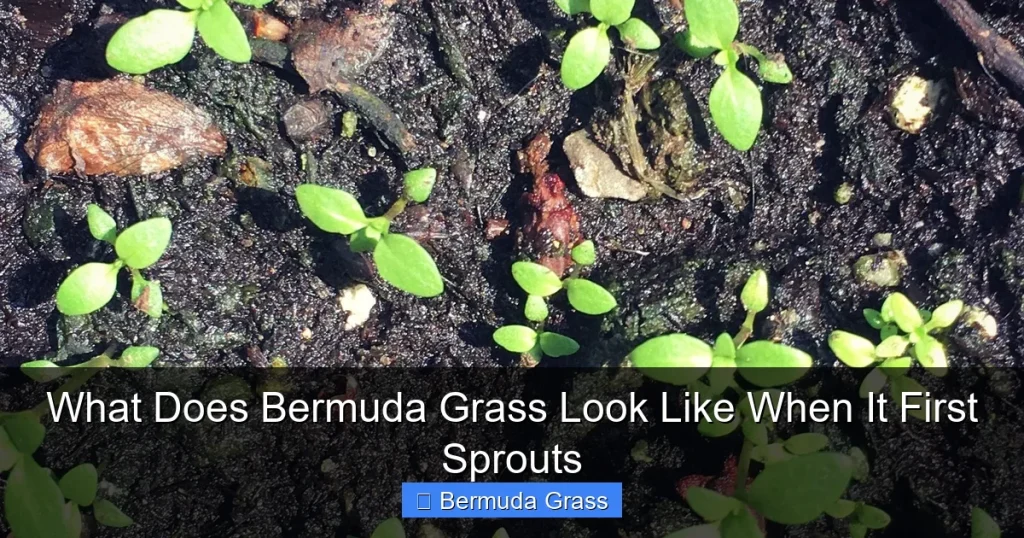
When Bermuda grass first sprouts, it appears as tiny, delicate blades emerging from the soil. Recognizing these early signs helps you ensure healthy growth and a lush lawn. In this guide, you’ll learn what to look for and how to care for Bermuda grass during its initial stages.
Key Takeaways
- Early appearance: Bermuda grass sprouts as small, fine green blades just breaking through the soil surface.
- Color and texture: The new shoots are bright green and soft, resembling tiny tufts or hair-like structures.
- Growth pattern: Sprouts emerge uniformly, creating a dense, carpet-like appearance over time.
- Environmental needs: Warm temperatures, adequate moisture, and proper soil conditions encourage healthy sprouting.
- Timing: Bermuda grass typically sprouts in late spring to early summer, depending on your climate.
- Care tips: Gentle watering and avoiding foot traffic help young sprouts establish without damage.
Introduction
If you’re trying to establish Bermuda grass in your yard or monitor its growth, knowing what it looks like when it first sprouts is essential. Recognizing the early signs helps you provide the right care and ensures your lawn develops thick, healthy turf. In this guide, we’ll walk you through what Bermuda grass looks like in its initial stages, how to identify young sprouts, and tips for nurturing them to maturity.
What Does Bermuda Grass Look Like When It First Sprouts?
When Bermuda grass begins to sprout, it appears as tiny, delicate blades emerging from the soil. These tiny shoots are the first sign that your grass seed or sprigs are starting to grow. They are usually bright green, soft to the touch, and resemble fine hair or tiny tufts. Recognizing these early signs is crucial because healthy sprouts mean good soil conditions and proper watering. Misidentification can lead to unnecessary concern or neglect of young plants.
Step 1: Understanding the Sprouting Timeline
When Does Bermuda Grass Typically Sprout?
Bermuda grass generally sprouts when soil temperatures reach around 65-70°F (18-21°C). Depending on your climate, this can be late spring or early summer. In warmer regions, sprouting may occur as early as late April or May, while in cooler areas, it might be delayed until June or July.
Factors Influencing Sprouting Time
- Soil Temperature: Warm soil speeds up germination.
- Seed Quality: Fresh, high-quality seeds sprout faster.
- Moisture Levels: Consistent moisture encourages uniform sprouting.
- Light Exposure: Seeds need adequate light for germination.
Step 2: Identifying Young Bermuda Grass Sprouts
Visual Characteristics
In the early stages, Bermuda grass sprouts are tiny and delicate. They typically appear as small, thin, bright green blades that poke through the soil surface. These blades are soft and flexible, giving the impression of tiny hairs or tufts.
How to Differentiate from Weeds or Other Grass
- Weeds: Usually have different leaf shapes, textures, or colors and may appear later or look different from Bermuda sprouts.
- Other grasses: May take longer to germinate or have different growth patterns and coloring.
Tips for Observation
- Use a hand lens or magnifying glass to see tiny sprouts clearly.
- Check soil after watering; sprouts often emerge within 7-14 days of planting.
- Look for uniform emergence across your planting area.
Step 3: Monitoring and Caring for Young Sprouts
Watering Tips
Keep the soil consistently moist but not waterlogged. Light watering two to three times daily during hot, dry periods helps young Bermuda grass sprouts establish strong roots. Overwatering can lead to fungal issues or rot, so balance is key.
Soil and Nutrient Considerations
Ensure your soil is well-draining and rich in nutrients. You might consider lightly fertilizing with a starter fertilizer high in phosphorus, which supports root development. Avoid heavy fertilization at this stage to prevent stressing young plants.
Protection and Maintenance
- Minimize foot traffic over the sprouting area to prevent damage.
- Use mulch lightly if needed to retain moisture and suppress weeds.
- Monitor for pests or diseases that can affect young grass.
Step 4: Troubleshooting Common Issues
Why Are My Bermuda Grass Sprouts Not Appearing?
If you don’t see sprouts after two weeks, check soil temperature, moisture levels, and seed viability. Seeds may be old or not stored properly, reducing germination chances.
What If Sprouts Are Uneven?
This can be due to inconsistent watering, soil compaction, or uneven seed distribution. Re-seeding or overseeding may be necessary for uniform coverage.
My Sprouts Are Yellowing or Wilting. What Should I Do?
Yellowing can indicate overwatering or poor soil drainage. Wilting may result from underwatering or heat stress. Adjust watering, improve soil drainage, and provide some shade if needed.
Conclusion
Recognizing what Bermuda grass looks like when it first sprouts is key to establishing a healthy, lush lawn. The tiny, bright green blades are your first sign of success. By understanding the sprouting process, providing proper care, and troubleshooting common issues, you can ensure your Bermuda grass develops into a dense, beautiful turf. With patience and attention, you’ll soon enjoy a vibrant, resilient lawn that thrives for years to come.
Additional Tips for Successful Bermuda Grass Sprouting
- Choose quality seed: High-quality, fresh Bermuda grass seed increases germination success.
- Prepare your soil: Loosen and level the soil for even seed distribution and germination.
- Timing is everything: Plant when soil and air temperatures are optimal for Bermuda grass.
- Maintain consistent moisture: Keep the soil evenly moist during the entire germination period.
- Be patient: Sprouts typically appear within 7-14 days; avoid overwatering or disturbing the soil.