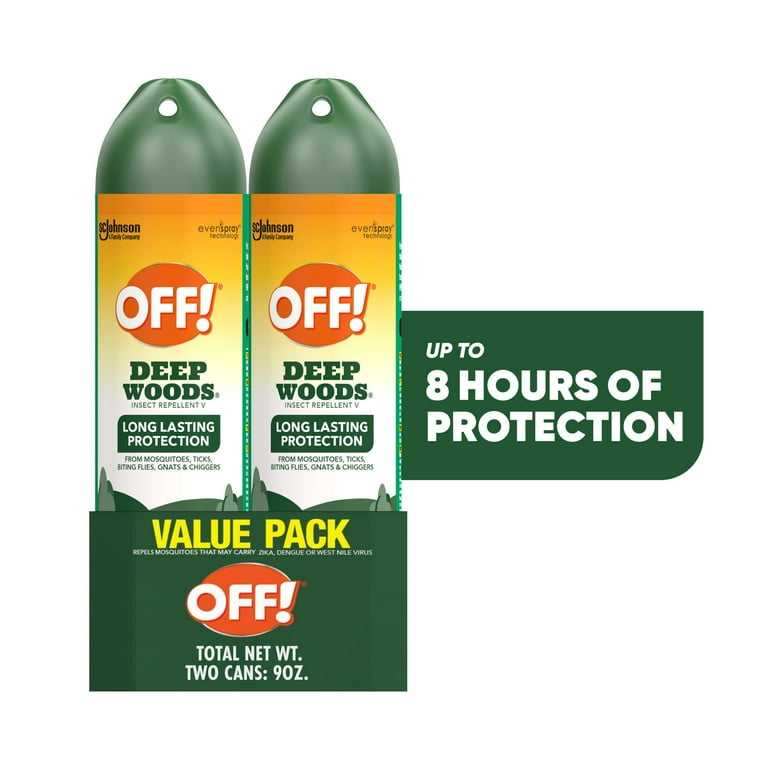
Yard bug spray typically takes about 30 minutes to 2 hours to dry completely, depending on the product and weather conditions. To ensure effectiveness and safety, it’s best to wait until the spray is fully dry before venturing back into your yard or allowing children and pets outside.
In just a short amount of time, your yard will be protected from pesky bugs, but the drying time can vary based on factors like humidity, temperature, and the type of spray used. Knowing when the spray is dry helps you plan your outdoor activities and keeps everyone safe while enjoying your yard again.
When applying yard bug spray, it’s natural to wonder how long you’ll need to wait before it’s safe to play or set out furniture. Typically, most sprays dry within 30 minutes to two hours, but warmer and less humid days tend to speed up the process. To get the best results and avoid any risks, always check the product label for specific drying times and follow the instructions carefully. Remember, patience pays off—wait until the spray is fully dry, and your yard will be pest-free and safe for all to enjoy.

How Long Does Yard Bug Spray Take to Dry?
Understanding the Drying Process of Yard Bug Spray
Yard bug spray typically takes a certain amount of time to dry after application. This period can vary based on several factors such as the type of spray used, weather conditions, and the surface onto which it was applied. Knowing how long it takes helps you plan outdoor activities and keep everyone safe.
The drying process involves the evaporation of solvents or carrier liquids in the spray. Once these components evaporate, the spray forms a protective barrier against pests. Usually, this process runs smoothly if the weather is warm and dry.
Common Timeframes for Yard Bug Spray to Dry
Most yard bug sprays are designed to dry quickly to minimize inconvenience.
- In ideal conditions, sprays can dry within 15 to 30 minutes.
- For thicker or more viscous formulas, it may take up to an hour.
- Some sprays with special ingredients might require even longer, up to 2 hours.
Always check the label on your specific product for manufacturer recommendations. Drying time can affect when it’s safe to allow pets or children back into the yard.
Factors Influencing Drying Time
Various factors can speed up or slow down the drying process. Understanding these can help you better estimate when your yard will be ready for use.
Weather Conditions
Warm temperatures and low humidity promote faster drying. Conversely, high humidity and cool weather slow down evaporation.
Surface Type
Smooth surfaces like concrete or wood allow the spray to dry quicker. Textured or porous surfaces such as grass, dirt, or mulch may retain moisture longer.
Application Thickness
Applying a thin, even coat ensures faster drying. Overly thick layers can extend drying times significantly.
Type of Bug Spray
Some formulations contain quick-drying solvents, while others use heavier chemicals that take longer to evaporate. Always read product labels for specifics.
How to Speed Up the Drying Process
If you want your yard to dry faster, consider these tips:
- Ensure good air circulation by opening windows or doors if near the yard.
- On warm, sunny days, sunlight helps accelerate evaporation.
- Avoid watering the treated areas immediately after spraying.
- Refrain from walking or placing heavy objects on the sprayed surfaces until fully dry.
These simple steps can reduce the wait time and make your yard usable sooner.
Safety Tips During the Drying Period
During these critical hours post-application, safety comes first.
Avoid Contact
Children and pets should stay off the lawn until the spray has dried completely. Touching wet spray might cause skin irritation or other health issues.
Ventilation and Airflow
Good airflow helps speed drying but avoid strong winds which can blow spray away or spread it to unintended areas.
Follow Manufacturer Instructions
Always adhere to the instructions on the label. Some sprays may recommend waiting a certain period before allowing access.
The time yard bug spray takes to dry depends on many factors, but generally, it ranges from 15 minutes to a few hours. Paying attention to weather conditions, spray thickness, and surface type will give you the best estimate. Remember to confirm details on your specific product for optimal safety and effectiveness. Proper timing ensures your yard remains pest-free while safeguarding your pets and family from potential contact with wet chemicals.
Cutter Backyard Bug Control Spray Concentrate, 32-Ounce | BestYardTips
Frequently Asked Questions
How can weather conditions affect the drying time of yard bug spray?
Weather conditions like humidity, temperature, and wind can significantly influence how quickly yard bug spray dries. High humidity and cooler temperatures tend to slow down the evaporation process, extending drying time. Conversely, warm, dry, and windy conditions help the spray dry faster by increasing evaporation rates. Planning your application during optimal weather ensures the spray dries properly and remains effective.
What steps should I take immediately after applying yard bug spray to ensure proper drying?
After applying yard bug spray, avoid walking on or touching treated areas until the spray has dried completely. Keep children and pets indoors or away from the treated zones during this period. It’s also advisable to refrain from watering or spraying additional water on the area, as moisture can prolong drying time. Giving the spray enough time to dry ensures better adhesion and effectiveness.
Does the type of surface affect how long yard bug spray takes to dry?
Yes, the surface you apply the bug spray on impacts its drying time. Porous surfaces like soil, mulch, or grass tend to absorb some of the spray, which may slow down the drying process. Non-porous surfaces such as concrete or pavement typically allow the spray to dry more quickly. Understanding the surface helps in estimating drying time and optimizing application techniques.
How long should I wait before watering my yard after applying bug spray?
It’s best to wait at least 24 hours before watering your yard following application. Watering too soon can wash away or dilute the spray, reducing its effectiveness and possibly increasing drying time. Allow sufficient time for the spray to fully dry and adhere properly to the surfaces before watering.
Are there signs that indicate yard bug spray has dried completely?
One of the clearest signs that yard bug spray has dried is that the treated surface no longer appears wet or shiny. It should feel dry to the touch and exhibit a uniform appearance without any residual dampness. Waiting for these visual cues ensures that the spray has set properly and is ready to withstand normal yard activities.
Final Thoughts
The drying time for yard bug spray varies based on the product and weather conditions. Typically, it takes about 15 to 30 minutes for the spray to dry completely.
Factors like humidity, temperature, and application thickness can influence this timeframe.
Knowing how long does yard bug spray take to dry helps you plan your outdoor activities accordingly, ensuring safety and effectiveness.
In general, allowing the spray to dry fully before walking on or watering the area will maximize its performance.