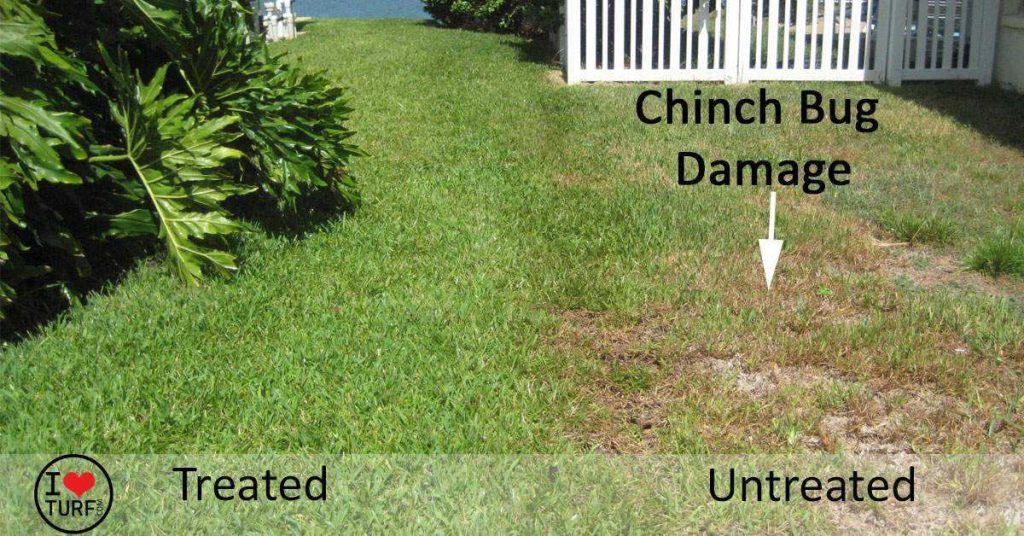
To quickly determine if bugs are harming your lawn, look for signs like hollowed-out or ragged patches, presence of insects or larvae, and areas of dead grass. If you notice these symptoms, it’s likely bugs are the culprits.
Bugs can silently devastate your grass, making it appear unhealthy and patchy without obvious signs at first glance. The key is to stay vigilant and check your lawn thoroughly for insects or damage that points to pest activity. Identifying the problem early can save your grass from further destruction and help you take effective action. In this article, we’ll explore how to spot the telltale signs of bug infestations and what steps you can take to protect your lawn and restore its lushness.

How to Tell If Bugs Are Killing Your Grass
Signs That Your Grass Might Be Under Attack
Bugs can quietly damage your lawn, making it look dull, patchy, or uneven. One of the first signs to watch for is unusual patches of dead or brown grass that don’t recover after watering or fertilizing. These patches can appear suddenly or gradually spread across your yard.
In addition, look for an increase in weeds or moss, which often invade areas where grass is weakened. The presence of thinning grass or areas with no grass at all can also indicate bug problems. These symptoms often appear before visible bugs, so noticing these early signs is key to saving your lawn.
Inspecting Your Lawn for Bug Activity
Start your inspection by walking across your yard and looking closely at the soil surface and grass blades. Bugs like grubs or chinch bugs hide in the soil or cling to the grass blades, so search these areas carefully. Dig small sections of turf and examine the soil for hidden pests such as white grubs.
Use a flashlight to peer into the grass and soil during early morning or late evening hours when bugs are more active. Pay attention to any insects scurrying on the surface or crawling near the roots. Regular checks help catch infestations early before serious damage occurs.
Common Bugs That Damage Grass
Several insects are known for damaging lawns. Knowing their appearance and habits can help you identify them quickly.
Grubs
Grubs are white, C-shaped larvae that live in the soil. They feed on grass roots, causing the turf to loosen and die. You might notice patches of grass that pull up easily when you lift a corner.
Chinch Bugs
These tiny black or gray bugs suck sap from grass blades and stems. Their feeding causes yellowing and wilting, especially in hot, dry weather. They tend to congregate in the upper parts of the grass.
Sod Webworms
Sod webworms are small caterpillars that munch on grass blades at night. You may see webbing or small brown patches where they have been active. The damage appears as ragged or chewed grass edges.
Armyworms
These caterpillars attack during specific seasons and leave irregular patches of dead grass. Their feeding habits can make large areas look burnt or scuffed.
Identifying Damage Caused by Specific Bugs
Different insects cause distinctive damage patterns that can help you identify the culprit.
Grass Discoloration
Yellowing or browning grass often points to sucking insects like chinch bugs or aphids. They extract plant juices, weakening the grass.
Patchy or Thinning Turf
Thin patches that pull away easily are typical of grub damage. The roots are decimated, making the grass unable to stay anchored.
Uneven or Patchy Mowing
Webworms and armyworms leave chewed or ragged grass, causing uneven cutting when you mow.
Tools and Techniques for Bug Detection
To accurately diagnose bugs, use some common techniques and tools.
- Soil Tests: Dig small sections of turf and examine the soil for larva and insects.
- Sticky Traps: Place traps to catch flying insects like chinch bugs and webworms.
- Magnifying Glass: Use to examine small bugs on grass blades or soil surface.
- Water Flushing: Spray water on patches; bugs like chinch bugs become more visible when disturbed.
Understanding the Life Cycle of Lawn Pests
Knowing how bugs develop and reproduce can guide your lawn care actions. Most pests go through stages—egg, larva, pupa, and adult—that influence when they cause the most damage.
Grubs
Eggs hatch into larvae feeding on roots during late summer and fall. They become dormant in winter and then pupate into beetles in the spring.
Chinch Bugs
Their eggs are laid on grass stems and blades in late spring and summer. Adults lay eggs continuously during warm months, causing steady damage.
Sod Webworms and Armyworms
These pests have multiple generations per season, with larvae feeding at night. They pupate in soil or thatch and emerge as adults to continue the cycle.
Preventive Measures to Protect Your Lawn
Prevention is easier than treatment once damage is extensive. Combine several practices to keep bugs at bay.
- Mowing Height: Keep grass at an appropriate height; taller grass encourages healthy roots that resist pests.
- Irrigation: Water deeply but less frequently to discourage insects that thrive in overly moist environments.
- Proper Fertilization: Maintain balanced nutrients to strengthen grass and make it less attractive to pests.
- Regular Lawn Checks: Inspect weekly for early signs of pest activity.
- Healthy Soil Practices: Aerate and dethatch your lawn to improve soil health and prevent pest hideouts.
Natural and Chemical Control Methods
When bugs become a problem, choosing the right control method is critical.
Natural Methods
Introduce beneficial insects like nematodes that target grubs or ladybugs that feed on aphids. Use organic insecticides like neem oil, which can repel or kill pests safely.
Chemical Solutions
Apply insecticides specifically labeled for lawn pests, following the manufacturer’s instructions carefully. Always target the correct pest to avoid harming beneficial insects and the environment.
When to Seek Professional Help
If infestations are severe or persistent despite your efforts, it is advisable to consult lawn care professionals. They have access to stronger treatments and can diagnose complex problems better.
Summary of Key Points
Monitoring your lawn regularly and understanding the signs of bug damage are vital. Look for patches of dead or thinning grass, discoloration, and insects present on or in the soil. Use appropriate tools and techniques for detection, and adopt preventive practices to keep pests under control. By acting early and correctly, you can ensure your lawn remains lush, healthy, and free of pest damage.
How to Spot Chinch Bugs in Your Lawn and How to Eliminate Them
Frequently Asked Questions
What signs indicate that pests are damaging my grass?
If you notice patches of thinning or discolored grass, small holes, or an increased presence of insects on your lawn, these are signs pests may be damaging your grass. Additionally, look for areas where the grass feels spongy or has a different texture, which can be caused by pest activity beneath the surface.
How can I identify if underground insects are harming my lawn?
To detect underground pests, gently lift small sections of grass or soil and examine the roots. Presence of tunneling insects, like grubs or larvae, along with damaged roots or decaying plant material, indicates they are harming your grass. These pests often cause the grass to weaken and become easily pulled up.
What symptoms show that insects are feeding on my grass blades?
Look for irregular chew marks, ragged edges, or patches of dead grass that appear to be eaten from the tips down. Small insect trails or frass (insect droppings) on the soil surface can also point to active feeding. These signs suggest insects are feeding directly on the grass blades.
How can I differentiate between insect damage and other lawn problems?
Compare the affected areas with healthy parts of your lawn, and look for specific insect activity such as visible insects, tunnels, or frass. If the damage coincides with insect sightings or seems to worsen quickly, pests are likely responsible. Conversely, issues like drought stress or disease usually have different symptoms, such as uniform browning or fungal spots.
What role does the timing of damage play in identifying pest activity?
Pest activity often varies seasonally. For example, grubs tend to cause damage in late summer or early fall, when they feed on roots. Spotting new damage during these times suggests pests are active in your lawn, helping you determine if bugs are the cause of your grass problems.
Final Thoughts
To tell if bugs are killing your grass, observe for irregular patches or thinning areas. Check the roots and soil for signs of damage or pests. Look for visible insects like grubs or beetles on the surface.
A decline in grass health, even with proper watering, may also indicate an insect problem. Regularly inspect your lawn to catch issues early.
In conclusion, how to tell if bugs are killing your grass? Focus on patchy patches, pest presence, and root damage. Address these signs promptly to protect your lawn’s health.