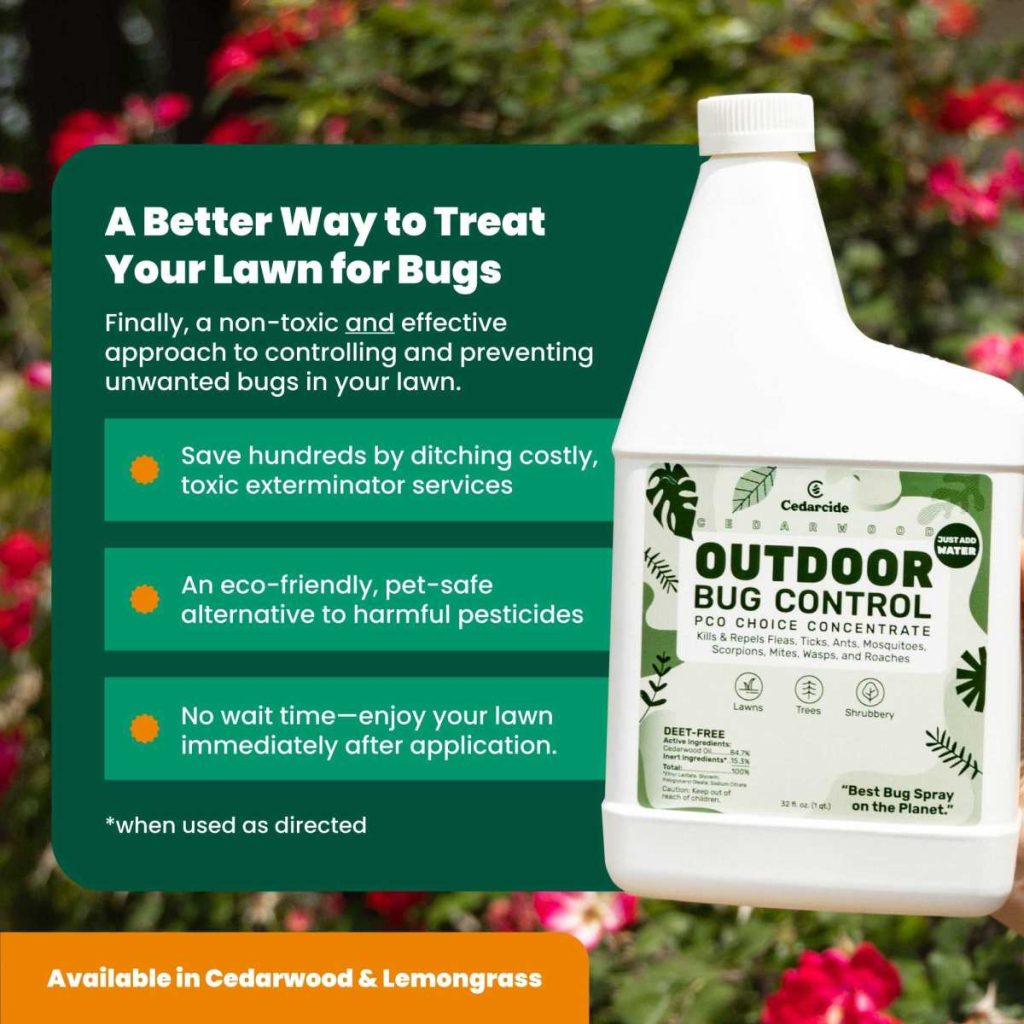
Spray your lawn for bugs every 2 to 4 weeks during peak pest activity to keep unwanted invaders at bay. Regular treatment ensures your grass stays healthy and bug-free without overdoing it.
In general, you should spray your lawn for bugs about once every two to four weeks during the active pest season, adjusting based on the severity of infestation. Over-spraying can harm beneficial insects and the environment, while under-spraying can leave your lawn vulnerable to damage. Monitoring your lawn’s condition and pest presence will help determine the ideal frequency. If you notice an uptick in pests, more frequent applications might be necessary, but always follow the product instructions carefully. Maintaining a balanced schedule will help you keep your lawn healthy, lush, and free of bugs without unnecessary chemical use.

How Often Should You Spray Your Lawn for Bugs: A Complete Guide
Understanding the Need to Spray Your Lawn
Spraying your lawn for bugs helps protect your grass and plants from pests that can cause damage. Not all insects are harmful, but when pests become too numerous, they can weaken your lawn’s health. Knowing how often to spray is key to maintaining a healthy, pest-free yard.
Types of Lawn Pests
Different pests affect lawns in various ways. Common bugs include:
- Grubs
- Chinch bugs
- Armyworms
- Sod webworms
- Fire ants
Each pest has different behaviors and seasons when they are most active. Identifying the pests in your yard helps determine the best spraying schedule.
Factors Influencing Spraying Frequency
Several factors influence how often you should spray your lawn. These include:
- Type of pest present
- Severity of infestation
- Type of insecticide used
- Weather conditions
- Time of year
Understanding these allows you to create an effective pest management plan that avoids over- or under-treatment.
Best Time of Year to Spray
The timing of your spraying is crucial for effectiveness. Early spring and late summer are typically key periods when pests become active.
Spring
As temperatures rise, many pests emerge from dormancy. Early spraying can prevent infestations from developing during the peak season.
Summer
This is when most bugs reproduce rapidly. Regular monitoring and spraying every four to six weeks are often necessary during warm months.
Fall
Applying pest control in fall helps prevent pests from overwintering in your lawn. A final treatment before winter can reduce spring infestations.
Recommended Spraying Intervals
The frequency you spray depends on pest activity and the type of insecticide used. Generally, the following schedule offers good results:
| Time Period | Recommendation |
|---|---|
| Every 4 Weeks | For active pest infestation or high-risk areas during warm months |
| Every 6-8 Weeks | For preventative treatment during mild seasons |
| As Needed | After heavy rain or increased pest signs |
Always follow the product label instructions to prevent over-application, which can harm beneficial insects and the environment.
How to Monitor Your Lawn for Pests
Regularly checking your lawn keeps pests in check and helps determine if spraying is necessary. Effective monitoring methods include:
- Inspecting grass blades for holes or damage
- Looking for visible bugs or larvae
- Checking soil for grubs or other underground pests
- Noticing changes in lawn color or texture
If signs of pests are present, more frequent treatments may be needed, especially during peak activity periods.
Choosing the Right Insecticide
Selecting the appropriate product is essential. Consider these factors:
- Type of pest targeted
- Environmental impact
- Safety for pets and children
- Application method
Consult local garden centers or professionals to find the best insecticide for your specific pest issues.
Natural Alternatives to Spraying
If you prefer eco-friendly options, natural methods can help control pests with less impact. Examples include:
- Applying neem oil
- Use of beneficial nematodes for soil pests
- Applying horticultural soaps or oils
- Encouraging natural predators like birds and beneficial insects
These methods generally require more frequent applications but are safer for the environment and your family.
Signs You Might Be Over-Spraying
Over-spraying can damage your lawn and harm beneficial insects. Look out for symptoms such as:
- Discoloration or browning of grass
- Loss of pollinators or natural predators
- Unusual dead patches
Always use the minimum effective amount of insecticide and follow safety instructions to prevent damage.
Precautions When Spraying Your Lawn
Safety should be a priority during pest control. Remember to:
- Wear protective gear like gloves and masks
- Spray during calm, dry weather to prevent drift
- Keep children and pets away during and immediately after application
- Store chemicals securely out of reach
Proper handling ensures your lawn remains healthy and pest-free without risking your safety.
Integrating Pest Control with Lawn Care
Combining spraying with good lawn care practices maximizes pest control efforts. These include:
- Mowing regularly at the right height
- Watering deeply but infrequently
- Applying fertilizers appropriately
- Maintaining proper drainage
A healthy lawn is more resistant to pests, decreasing the need for frequent spraying.
Knowing how often to spray your lawn for bugs is vital for keeping pests under control without harming your yard or the environment. Tailoring your schedule based on pest type, season, and lawn conditions helps maintain a vibrant, healthy lawn. Regular monitoring and using the right products foster a balanced ecosystem, ensuring your outdoor space stays pest-free and lush.
Pest Control Spray in Your Lawn
Frequently Asked Questions
How can weather conditions affect the frequency of spraying your lawn for bugs?
Weather plays a significant role in how often you should spray your lawn for pests. During warmer, wetter seasons, bugs tend to be more active and reproduce quickly, requiring more frequent treatments, typically every 2 to 3 weeks. Conversely, in cooler or dry conditions, pest activity decreases, and you might only need to spray once a month or less. Keep an eye on recent weather patterns and pest activity levels to adjust your spraying schedule accordingly.
What signs indicate the need for more frequent pest control applications?
If you notice an increase in pest sightings, such as chewed leaves, small holes, or visible insects on your grass, it’s time to increase spraying frequency. Additionally, if your lawn shows signs of stress, like yellowing or thinning grass, pests may be the cause, and more frequent treatments can help control the problem. Regular inspections can help you catch these signs early and prevent infestations from worsening.
Are there specific types of bugs that require more frequent spraying?
Certain pests, such as chinch bugs, grubs, or armyworms, reproduce rapidly and can cause significant damage in a short period. If your lawn is infested with these bugs, you may need to treat every 2 to 3 weeks until the population diminishes. For less aggressive pests, treatments might only need to be scheduled once a month or as needed based on visible activity.
How does the type of lawn or grass influence the spraying schedule?
Different grass types have varying resilience and susceptibility to pests. For example, lawns with fine, dense grass might hide pests more effectively, requiring more frequent inspections and treatments. Conversely, more resistant grass types may need less frequent spraying. Understanding your lawn’s specific needs helps you determine an effective, tailored pest control routine.
What role does pest life cycle play in determining how often to spray?
The life cycle of pests impacts how frequently you should spray. Many pests have multiple stages, and treatments often target specific stages to be most effective. For instance, applying insecticide during egg hatching periods can quickly reduce pest populations. Monitoring pest activity allows you to time treatments appropriately, usually every 2 to 4 weeks, depending on the pest’s development cycle.
Final Thoughts
In conclusion, how often should you spray your lawn for bugs depends on the pest levels and weather conditions. Regular monitoring helps determine the right schedule. Generally, spraying every 4 to 6 weeks keeps pests under control without overdoing it. Always follow product instructions and adjust based on your lawn’s needs. Staying consistent ensures a healthy, pest-free yard.