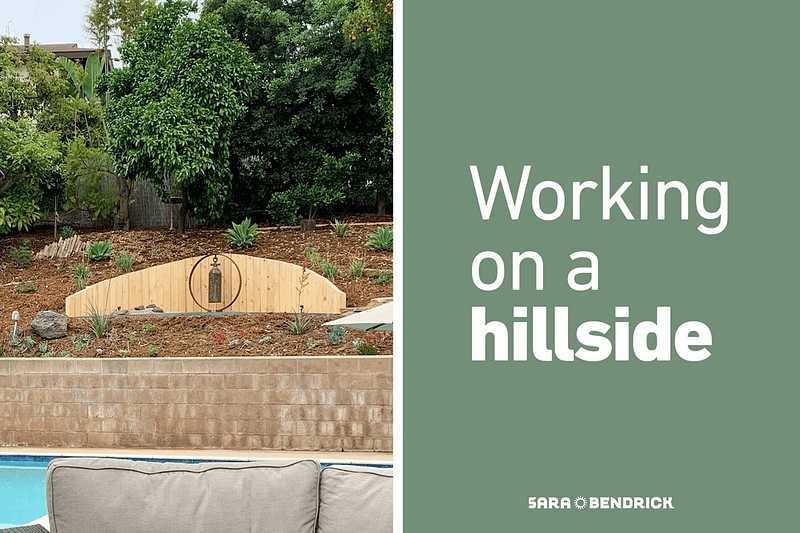
If you’re grappling with how to landscape on a slope, there are plenty of creative solutions that can transform a challenging area into a stunning feature of your yard. Embrace the natural contours by using terracing, planting a variety of ground covers, or creating stepping stone paths to make the space more functional and visually appealing. Incorporating native plants can add beauty while promoting sustainability. Additionally, you might consider building retaining walls or raised beds for a structured look that enhances drainage and reduces erosion. With a bit of imagination and planning, your sloped yard can become an inviting outdoor retreat that complements your home’s design and maximizes its potential. Let’s dive into some innovative ideas to elevate your landscape.

“`html
Creative Ways To Landscape On A Slope
Landscaping on a slope can be a fun and rewarding challenge. With the right ideas and techniques, you can turn an uneven area into a stunning outdoor space. Here are some creative ways to landscape on a slope, making your yard both functional and beautiful.
Understanding the Challenges of Sloped Landscaping
Landscaping on a slope presents unique challenges. Water runoff can erode the soil, making it hard for plants to thrive. Additionally, navigating a steep area for maintenance can be tricky.
To tackle these challenges, it’s important to choose the right plants that can handle the conditions. Native plants often do better since they are adapted to the local climate and soil.
Another important factor is proper drainage. Without good drainage, water can pool and create problems. Consider using terracing or retaining walls to help manage water flow.
Using Terracing to Create Flat Spaces
Terracing is a clever method to landscape on a slope. By building flat areas at different heights, you can create levels that are easier to maintain.
- Choose materials like wood, stone, or bricks for your terraces.
- Make sure each terrace has a slight incline to allow for proper drainage.
- Add steps between terraces for easy access.
Terraces can also be a great way to add visual interest. You can plant flowers, shrubs, or even small trees on each level to create a layered look.
Incorporating Retaining Walls
Retaining walls are another effective solution for sloped gardens. They help hold back soil and create flat areas for planting.
- Use stone, wood, or concrete blocks for a sturdy wall.
- Ensure the wall is tall enough to support the soil behind it.
- Consider the aesthetic; choose materials that match your home’s style.
You can also add plants to the top of the wall for a natural look. This can soften the hard lines of the wall and add color to your landscape.
Using Ground Covers for Erosion Control
Ground cover plants are perfect for sloped areas. They spread out and help hold the soil, preventing erosion.
Look for hardy ground cover options, such as:
- Creeping thyme
- Ajuga (bugleweed)
- Vinca minor (periwinkle)
These plants are low-maintenance and can thrive in various conditions. They also attract beneficial insects, which can help with pollination in your garden.
Creating Garden Steps
Garden steps can make a sloped area more accessible. They can be made from stone, wood, or even recycled materials.
- Make the steps wide enough for comfortable walking.
- Consider adding a handrail for safety.
- Add plants along the sides for visual appeal.
Steps not only provide access but also enhance the landscape design. You can mix different plants along the steps for a vibrant look.
Adding Pathways for Easy Navigation
Pathways are essential in sloped areas. They help guide visitors through your landscape and provide a clear walking route.
Consider using:
- Stones or pavers for a natural feel.
- Gravel for a budget-friendly option.
- Wood chips for a rustic look.
Make sure the pathways are gently sloped for easy walking. This will ensure that everyone can enjoy your beautiful landscape without any difficulties.
Planting Trees Strategically
Trees add height and structure to your landscape. When planting on a slope, be strategic about their placement.
- Choose drought-resistant varieties that can anchor the soil.
- Plant trees in clusters to create a natural look.
- Consider their mature size to avoid overcrowding.
Trees also provide shade and cool your outdoor space. They can create a lovely backdrop for smaller plants and flowers.
Incorporating Water Features
Water features can bring a peaceful element to your sloped yard. A small pond, fountain, or stream adds beauty and can help with drainage.
Make sure to consider:
- The overall design of the water feature to complement the landscape.
- How water will flow to prevent erosion.
- Adding aquatic plants to enhance the feature.
These features can attract wildlife and create a serene atmosphere in your garden.
Using Edging to Define Spaces
Edging helps define different areas in your landscape. It can be used to separate flower beds, pathways, and grassy areas.
Consider these materials for edging:
- Bricks for a classic look.
- Wood for a natural appearance.
- Metal for a modern touch.
Proper edging can prevent soil erosion and keep mulch in place, making the landscape easier to maintain.
Planting for Color and Texture
Adding a variety of plants can enhance the beauty of your slope. Mix colors, shapes, and textures for a vibrant display.
Consider these plant categories:
- Perennials for long-lasting blooms.
- Annuals for seasonal color.
- Grasses for texture.
Planting in clusters can create a more natural look. This method also gives each plant room to grow.
Incorporating Garden Art
Garden art can be a fun way to personalize your slope. Statues, wind chimes, and decorative stones add character.
Choose art that resonates with your style:
- Colorful decorations for a playful vibe.
- Natural materials for an earthy feel.
- Whimsical pieces to delight children.
Place art strategically to draw the eye and create focal points.
Creating a Sustainable Landscape
Sustainability is crucial in modern landscaping. Choose native plants that require less water and maintenance.
Consider these sustainable practices:
- Composting to enrich the soil.
- Using rain barrels to collect water.
- Planting trees to provide shade and reduce energy costs.
A sustainable landscape not only benefits the environment but also reduces your workload.
Maintaining Your Sloped Landscape
Regular maintenance is essential for keeping your sloped landscape looking great.
- Water plants regularly, especially during dry spells.
- Weed areas to prevent competition for nutrients.
- Trim back overgrown plants to encourage growth.
Setting up a maintenance schedule can ensure your landscape remains healthy and vibrant year-round.
With these creative ideas, you can turn a challenging slope into an attractive and functional part of your home. Your garden can be a place of beauty, relaxation, and enjoyment for years to come.
“`
Beautiful landscaping on a plot with a slope! 80 ideas for inspiration!
Frequently Asked Questions
How can I prevent soil erosion when landscaping on a slope?
To prevent soil erosion on a slope, consider planting ground cover plants with deep roots that stabilize the soil. You can also install retaining walls made from stone, wood, or other materials to help hold the soil in place. Additionally, creating terraced levels with steps can slow down water runoff, allowing it to soak into the ground rather than wash away the soil.
What types of plants work best for sloped areas?
Choose native plants that are well-adapted to your local climate and soil conditions. Ornamental grasses, sedums, and other drought-resistant plants thrive on slopes. Ground cover plants such as creeping thyme or ajuga can help cover bare soil and prevent erosion. Select plants that have extensive root systems to help anchor the soil.
How can I incorporate drainage solutions in my sloped landscaping?
Implement drainage solutions like French drains or swales to direct water away from the slope. Create pathways made of permeable materials that allow rainwater to seep through. Adding gravel or crushed stone at the base of the slope can also help manage excess water and prevent pooling.
Are there any hardscaping options suitable for sloped landscapes?
Yes, hardscaping features like steps, terraces, and retaining walls can effectively manage a sloped landscape. Use natural stone, pavers, or concrete to create durable surfaces. Install pathways and seating areas at different levels to enhance usability while complementing the natural slope.
What maintenance practices should I consider for sloped landscaping?
Regular maintenance is crucial for sloped areas. Schedule routine inspections to check for erosion or damage to retaining walls. Keep an eye on plant health and replace any dead or unhealthy specimens. Regular mulching can help retain moisture and reduce weeds, while trimming overgrown plants maintains their shape and promotes healthy growth.
Final Thoughts
Creative ways to landscape on a slope offer endless possibilities for enhancing your outdoor space. Utilize terraced gardens or retaining walls to create functional and visually appealing areas, perfect for planting flowers or vegetables. Incorporate native plants that thrive on sloped terrains, helping to prevent erosion while adding beauty.
Additionally, using pathways made from natural materials can guide visitors through your landscape comfortably. Embrace these creative ways to landscape on a slope to maximize your yard’s potential and enjoy a stunning, sustainable environment.