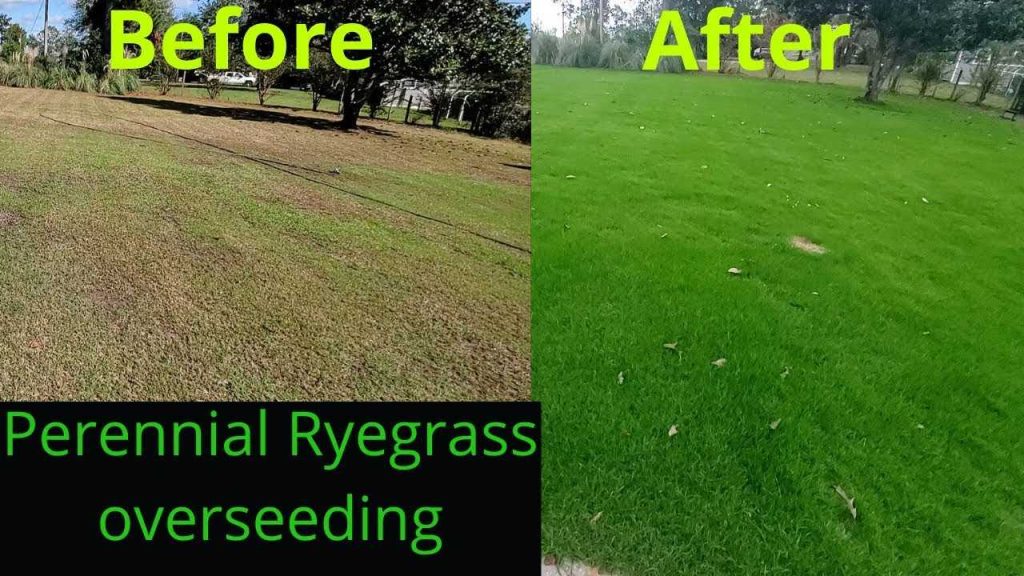
Perennial ryegrass typically takes about 7 to 21 days to germinate, and with proper care, it can establish a lush lawn within 4 to 6 weeks. If you’re eager to see your grass thrive, knowing the growth timeline helps you plan and care for it effectively.
Perennial ryegrass is a popular choice for lawns and sports fields because of its quick germination and lush appearance. The time it takes to grow depends on several factors like soil temperature, moisture levels, and how you plant it. Generally, after sowing, you can expect the seeds to sprout within a week to three weeks. Once germinated, it usually takes about 4 to 6 weeks for the grass to become dense and fully established. Proper watering, fertilization, and mowing practices can speed up the process and ensure your ryegrass develops into a beautiful, resilient lawn that lasts for years.

How Long Does Perennial Ryegrass Take to Grow
Understanding Perennial Ryegrass Growth Stages
Perennial ryegrass is a popular grass type for lawns and sports fields because of its quick establishment. It generally goes through several growth stages from planting to full coverage. Each stage has its own timeline and factors that influence how fast the grass develops.
Initially, after sowing the seeds, germination begins. This process typically takes between five and fourteen days depending on soil temperature and moisture. Once germinated, the grass enters the seedling stage, where small shoots appear above the soil surface. During this period, the grass develops its root system, which is essential for healthy growth.
As the grass matures, it enters the tillering stage. During this phase, the grass produces new shoots from the base, leading to denser and more vigorous turf. The time it takes to reach this stage influences how quickly your lawn begins to look full and lush. Usually, this process occurs between three to six weeks after sowing.
Factors Affecting Growth Rate of Perennial Ryegrass
Various environmental and soil conditions heavily impact how fast perennial ryegrass grows. Understanding these factors can help you optimize growth and achieve a healthier lawn faster.
Soil Temperature
Perennial ryegrass thrives best when soil temperatures are between 50°F and 75°F (10°C to 24°C). In optimal conditions, germination occurs rapidly, sometimes within five days. If the soil is too cold or too hot, germination may slow down, extending the time needed to establish the grass.
Moisture Levels
Adequate water is vital for seed germination and seedling development. Consistent moisture ensures quick germination and healthy root growth. However, overwatering can cause seed rot, so maintaining proper moisture balance is necessary for fast growth.
Soil Quality and Preparation
Well-drained, fertile soil with good organic content encourages quick germination. Proper soil preparation includes aerating, pH adjustment, and removing weeds, which all support healthy growth. Poor soil conditions can delay germination and slow down the growth process.
Sunlight Exposure
Perennial ryegrass prefers full sun but can tolerate some shade. More sunlight accelerates photosynthesis, leading to faster growth. Shaded areas may see slower germination and development compared to sunnier spots.
Estimated Timeline for Perennial Ryegrass Growth
Understanding the general timeline helps in planning lawn maintenance and management.
Seed Germination
Seeds usually sprout within five to fourteen days after sowing if conditions are ideal. Cooler or less consistent moisture levels may extend germination to three weeks or more.
Seedling Establishment
Once germinated, seedlings develop their first true leaves within two to three weeks. During this phase, roots grow deeper into the soil, providing stability and nutrient absorption capabilities.
Full Coverage and Maturity
Typically, perennial ryegrass reaches a dense, full coverage stage between four to six weeks after planting. This period might be longer under less favorable conditions. Full maturity, where the grass can sustain regular use, can take up to three months.
How to Accelerate the Growth of Perennial Ryegrass
You can speed up growth with proper care and maintenance techniques. Here are some effective methods.
Optimal Seeding Techniques
– Use high-quality, fresh seeds for better germination rates.
– Sow seeds evenly at the recommended rate for your lawn size.
– Lightly rake and water immediately after sowing to ensure good seed-to-soil contact.
Proper Watering Practices
– Keep the soil consistently moist during germination, avoiding waterlogging.
– Water early in the morning or late in the afternoon to minimize evaporation.
– Reduce watering frequency once established, but ensure the soil does not dry out.
Fertilization
– Use a balanced fertilizer rich in nitrogen to promote healthy, rapid growth.
– Apply fertilizer according to soil test recommendations to avoid overfeeding, which can damage the grass.
Soil Management
– Aerate the soil to improve air, water, and nutrient penetration.
– Incorporate organic matter to enhance fertility and moisture retention.
– Maintain a pH level between 6.0 and 7.0 for optimal growth conditions.
Seasonal Considerations for Growing Perennial Ryegrass
Perennial ryegrass is a cool-season grass, thriving in spring and fall.
Spring Planting
Planting in early spring allows the grass to establish before summer heat. Ensure soil temperatures are above 50°F (10°C) for successful germination.
Fall Planting
Fall is ideal because cooler temperatures and increased rainfall create optimal conditions. Establishment occurs before winter, leading to a vigorous start in the next growing season.
Summer Challenges
Hot temperatures can slow growth and increase stress on the grass. Watering and shade may be necessary to help the grass survive and develop.
Common Challenges and Solutions
Even with ideal conditions, growth may face hurdles.
Poor Germination
– Solution: Improve soil preparation and ensure seeds are fresh and evenly sown.
Patchy Growth
– Solution: Reseed bare spots and maintain uniform watering.
Disease and Pest Issues
– Solution: Keep the area clean, apply appropriate fungicides or pest control, and avoid overwatering.
Summary of Growth Timeline with Key Data
| Growth Stage | Time Frame | Key Actions |
|---|---|---|
| Germination | 5-14 days | Maintain soil moisture, warm soil temperature |
| Seedling Development | 2-3 weeks | Light watering, minimal foot traffic |
| Full Coverage | 4-6 weeks | Consistent watering, fertilization, weed control |
| Mature Turf | Up to 3 months | Regular maintenance, overseeding if needed |
In conclusion, the timeline for perennial ryegrass to grow from seed to full coverage depends on multiple factors like soil temperature, moisture, and care practices. Under optimal conditions, your lawn can show significant growth within four to six weeks, reaching maturity in about three months. Proper preparation, watering, and fertilization are key to ensuring fast and healthy growth, making perennial ryegrass an excellent choice for quick-establishing lawns and sports fields.
Perennial Ryegrass Pros and Cons
Frequently Asked Questions
How quickly can perennial ryegrass establish after planting?
Perennial ryegrass typically begins to establish within 7 to 14 days after planting. Under optimal conditions, such as adequate moisture and proper soil preparation, you can see germination and initial growth happening in this timeframe. Full coverage of the area usually occurs within 3 to 4 weeks, depending on the seed variety and environmental factors.
What environmental conditions influence the growth rate of perennial ryegrass?
The growth rate of perennial ryegrass depends heavily on environmental conditions. It thrives in cool, moist environments with temperatures ranging from 50°F to 75°F (10°C to 24°C). Adequate sunlight and well-drained, fertile soil also promote faster germination and vigorous growth. Conversely, drought, extreme heat, or poor soil can delay establishment and slow overall development.
How long does it take for perennial ryegrass to reach a mowing height?
Perennial ryegrass usually reaches a suitable mowing height within 3 to 4 weeks after planting. Once the seedlings are about 2 to 3 inches tall, you can start mowing to encourage dense growth and maintain a healthy lawn. Consistent watering and appropriate fertilization help the grass grow faster and achieve the desired height sooner.
What steps can I take to speed up the growth of perennial ryegrass?
You can accelerate the growth of perennial ryegrass by ensuring the soil is well-prepared and properly fertilized before sowing. Regular watering maintains consistent moisture levels, especially during germination. Using a starter fertilizer rich in nitrogen can promote quick vigorous growth. Additionally, maintaining optimal mowing and aeration practices encourages healthy development.
Final Thoughts
Perennial ryegrass typically germinates within 7 to 14 days after planting. It establishes quickly, providing a lush green cover in a few weeks. Regular watering and proper care can speed up its growth process.
In just a few months, perennial ryegrass develops a dense and healthy turf suitable for various uses. How long does perennial ryegrass take to grow? Usually, it reaches full maturity within 6 to 12 months, depending on conditions.