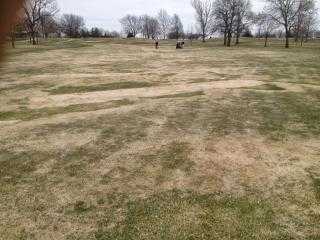
Perennial ryegrass is a popular choice for lawns and sports fields, but many wonder if it survives the cold winter months. The quick answer is yes, perennial ryegrass generally does not die in winter; it’s quite hardy and can withstand cold temperatures. However, some factors like extreme weather or improper care can cause it to struggle or temporarily turn brown. Overall, perennial ryegrass tends to stay resilient through winter, bouncing back in spring.
Perennial ryegrass is known for its rapid growth and ability to thrive in a variety of climates, making it a favorite among homeowners and landscapers. Its durability in winter depends largely on local climate conditions and maintenance practices. If properly cared for and grown in suitable environments, it can survive cold winters without significant damage. Understanding how it responds to winter weather helps you better prepare your lawn to stay healthy year-round.

Does Perennial Ryegrass Die in the Winter? Understanding Its Winter Hardiness
Introduction to Perennial Ryegrass and Its Growth Cycle
Perennial ryegrass is a popular choice for lawns and sports fields because of its vibrant green color and fast growth. It is a cool-season grass that thrives during spring and fall but often faces questions about its winter survival. Knowing whether it dies in winter helps homeowners and landscapers plan better for seasonal changes.
How Perennial Ryegrass Responds to Cold Temperatures
Perennial ryegrass is known for good cold tolerance, but its response to winter varies based on several factors. While it can survive cold conditions, extreme temperatures might weaken the grass. When temperatures dip below freezing for extended periods, some parts of the grass may become dormant or suffer damage.
Does Perennial Ryegrass Typically Die in Winter?
In general, perennial ryegrass does not die completely during winter. Instead, it enters a dormant state where growth slows down significantly. This dormancy helps it conserve energy and survive harsh weather. However, prolonged exposure to severe cold may cause some grass to yellow or develop brown patches.
Factors That Affect Ryegrass Winter Survival
Several variables influence how well perennial ryegrass survives winter months. These include:
- Climate and Temperature: Mild winters support better survival, while extremely cold weather can harm the grass.
- Soil Type and Drainage: Well-drained soil prevents water from freezing around roots, reducing damage.
- Grass Maintenance Practices: Proper fertilization and watering help maintain health during cold seasons.
- Grass Selection and Variety: Some strains are more cold-hardy than others, affecting winter survival.
Understanding Dormancy and Its Role in Winter Survival
Dormancy is a natural process where grasses pause growth to survive adverse conditions. Perennial ryegrass typically becomes dormant in winter, especially in regions with cold temperatures. During dormancy, the grass appears brown or yellow but can bounce back when conditions improve.
Signs of Winter Damage in Perennial Ryegrass
While perennial ryegrass is resilient, certain signs indicate potential winter damage:
- Persistent brown patches that do not recover in spring
- Thinning or patchy areas in the lawn
- Roots feel weak or mushy after a freeze event
Early identification allows for prompt action, such as raking or overseeding, to encourage recovery.
How to Protect Perennial Ryegrass During Winter
Protection measures are crucial to ensure ryegrass survives cold months. Some effective strategies include:
Proper Mowing and Lawn Maintenance
Mowing at a higher height helps insulate the grass and prevents stress. Avoid cutting the grass too short before winter to protect the crowns and roots.
Applying Fertilizer and Soil Amendments
Applying a balanced, slow-release fertilizer in late fall supports root development. Lime can also help maintain soil pH, making nutrients more available.
Managing Watering Practices
Water deeply before the first frost, but reduce watering during winter to prevent waterlogged soil, which can cause root rot.
Using Mulch or Covering Grass
In regions with harsh cold, adding mulch or protective covers can shield against frost damage. This method retains soil warmth and prevents ice formation around roots.
Overwintering Strategies for Perennial Ryegrass
For lawns in colder climates, overseeding with cold-tolerant varieties can increase survival rates. Additionally, applying anti-desiccants can prevent moisture loss during dry winter periods.
When Perennial Ryegrass May Not Survive the Winter
Severe winter storms, repeated freeze-thaw cycles, or inadequate maintenance can lead to dieback. In such cases, reseeding or sodding might be necessary come spring.
Resilience and Recovery: Springtime Expectations
Generally, perennial ryegrass shows strong resilience and regrows quickly after winter dormancy. With proper care, patches damaged during winter often recover within weeks, restoring the lawn’s lush appearance.
Related Topics: Comparing Ryegrass Varieties and Winter Tolerance
Some ryegrass types are bred specifically for better winter survival. For example, hybrid varieties can outperform traditional types in cold environments. Combining ryegrass with other grass species, like tall fescue, can also improve overall winter resilience.
In most cases, perennial ryegrass does not die in winter but enters a dormant state to withstand cold conditions. Its survival depends on climate, maintenance, and variety choice. Proper winter care can help ensure your lawn remains healthy and ready to flourish in spring.
Perennial Ryegrass Pros and Cons
Frequently Asked Questions
Will perennial ryegrass survive cold winter temperatures?
Perennial ryegrass is generally resilient to cold weather and can survive most winter temperatures if established properly. Its ability to withstand winter depends on factors like soil health, turf management practices, and whether it is well-established before the cold season begins. In regions with harsh winters, some damage may occur, but the grass often recovers in the spring.
How does winter weather affect the health of perennial ryegrass?
Cold winter weather can cause dormancy in perennial ryegrass, making it appear brown or dormant. Heavy frosts and snow can stress the grass, especially if the turf is compacted or poorly drained. However, healthy, well-maintained ryegrass usually regrows once temperatures rise and conditions improve. Proper fertilization and mowing practices before winter can improve its resilience.
Are there specific winter conditions that can harm perennial ryegrass?
Yes, extremely low temperatures combined with poor drainage, compacted soil, or lack of proper turf maintenance can harm perennial ryegrass during winter. Excess moisture from snow or rain can lead to diseases like snow mold, which damages the grass. Ensuring good drainage and avoiding excessive compaction can help minimize winter-related damage.
Can perennial ryegrass go dormant during winter without dying?
Perennial ryegrass naturally enters dormancy during winter, especially in colder climates, without dying. During dormancy, the grass stops growing and turns brown or pale, but it remains alive beneath the surface. Come spring, it begins growing again as temperatures warm up, restoring the lawn’s green appearance.
What steps can I take to help perennial ryegrass survive winter conditions?
To help perennial ryegrass survive winter, keep the turf well-fertilized in the fall to strengthen the roots, aerate the soil to improve drainage, and avoid excessive foot traffic on frozen ground. Applying a winter coat of mulch or protective covering in extremely cold regions can also reduce stress and prevent winter damage.
Final Thoughts
Perennial ryegrass is known for its durability and quick recovery. It often survives winter conditions with some care, especially in milder climates. Proper maintenance, such as fertilization and overseeding, helps it endure cold months.
However, harsh winters can cause some damage, and the grass may go dormant. It typically recovers in spring when temperatures rise.
Does perennial ryegrass die in the winter? Usually, it survives, but severe weather can lead to partial dieback. With proper care, your lawn stays healthy year-round.