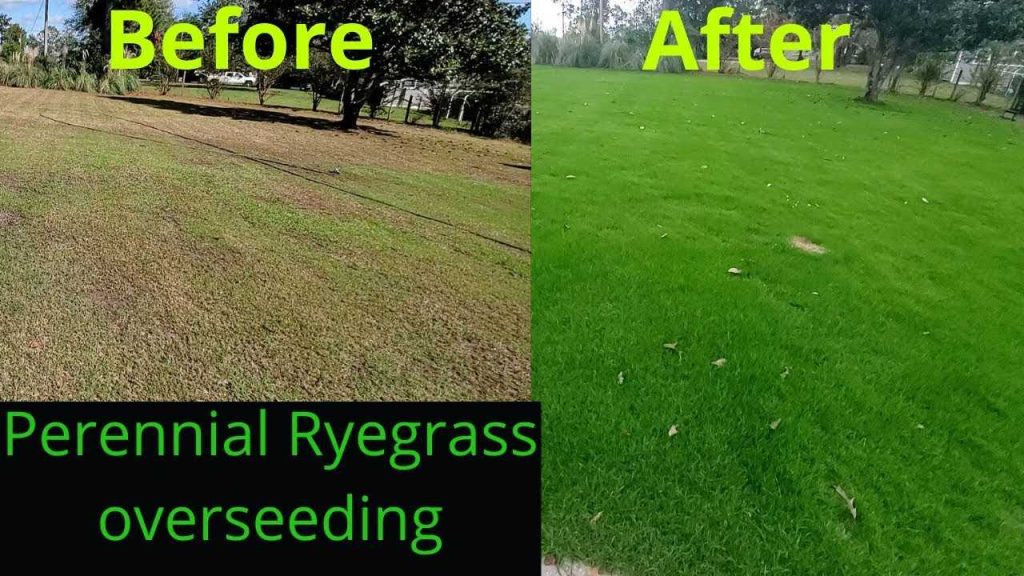
Perennial ryegrass usually takes about 7 to 21 days to germinate after planting, depending on conditions. Once established, it can grow rapidly, providing a lush, green lawn in just a few months. Proper care and optimal conditions can significantly speed up the growth process.
Perennial ryegrass is a popular choice for lawns and pastures because of its quick germination and fast growth rate. Typically, it starts sprouting within a week or two of sowing, and a dense, healthy turf can develop in around 3 to 4 months. The exact timeline depends on factors like soil quality, temperature, and moisture levels. If you want lush, green grass sooner rather than later, understanding its growth pattern and providing the right environment will make all the difference in achieving a beautiful lawn quickly.

How Long Does It Take for Perennial Ryegrass to Grow?
Understanding the Growth Timeline of Perennial Ryegrass
Perennial ryegrass is known for its quick germination and fast growth. Typically, it takes around 7 to 14 days for the seeds to sprout after planting. Once germinated, the grass begins to develop a healthy root system and leafy shoots within the first few weeks. This rapid growth makes it a popular choice for establishing lawns and sports fields quickly.
Factors That Influence the Growth Rate
Several factors can affect how fast perennial ryegrass grows. These include soil quality, temperature, watering practices, and sunlight exposure. Proper management of these elements can shorten the waiting time and promote lush, healthy grass growth.
Soil Quality and Preparation
Healthy, nutrient-rich soil accelerates ryegrass development. Before planting, it’s important to test soil pH and adjust it to the optimal range of 5.5 to 6.5. Adding organic matter or fertilizer can boost soil fertility, helping seeds establish faster.
Optimal Temperature Conditions
Perennial ryegrass thrives in moderate temperatures. Ideal germination occurs when soil temperature ranges from 50°F to 70°F (10°C to 21°C). Warmer temperatures may speed up initial growth but can hinder germination if too hot, while colder weather delays emergence.
Watering Best Practices
Consistent moisture is essential for quick germination. The soil should be kept evenly moist but not waterlogged. Typically, watering once or twice daily during the first two weeks supports healthy seedling development.
Sunlight Exposure
Full sun improves growth speed. Ryegrass needs at least 6 hours of direct sunlight daily for optimal growth. Shady areas might slow down germination and leaf development, extending the timeline.
Growth Stages of Perennial Ryegrass
Understanding the different growth stages helps in managing expectations and care routines. The main phases include germination, seedling establishment, tillering, and maturity.
Germination Phase
Seeds sprout within 7 to 14 days post-sowing, given favorable conditions. During this phase, seedlings are delicate and require protection from extreme weather and pests.
Seedling Establishment
Between weeks 2 and 4, seedlings develop a strong root system and begin to produce young leaves. At this stage, proper watering and weed control are vital.
Tillering and Vegetative Growth
From weeks 4 to 8, the grass starts to produce multiple stems or tillers. The turf thickens, and growth becomes more vigorous. Regular mowing may begin once the grass reaches about 3 inches tall.
Maturity and Full Coverage
Usually by the third or fourth month, perennial ryegrass achieves full coverage, creating a dense, lush turf. At this point, ongoing maintenance like fertilizing and aeration helps sustain vigorous growth.
Timeframe Estimates for Growing Perennial Ryegrass
The timeline can vary based on environmental and management conditions. Here’s a breakdown:
| Stage | Typical Duration | Description |
|---|---|---|
| Germination | 7 to 14 days | Seeds sprout and initial growth begins |
| Seedling Development | 2 to 4 weeks | Roots deepen, and leaves expand |
| Active Growth and Tillering | 4 to 8 weeks | Thickening of turf, increased foliage |
| Mature Turf | 3 to 4 months | Full coverage, ready for use and maintenance |
How to Speed Up Perennial Ryegrass Growth
While patience is necessary, certain practices can help your grass grow faster.
Use Quality Seeds
Choose high-quality, disease-resistant ryegrass varieties. Better seeds germinate faster and produce stronger plants.
Proper Soil Preparation
Ensure soil is well-drained, aerated, and nutrient-rich. Incorporate organic matter and fertilizers before planting.
Maintain Consistent Watering
Water regularly during the first few weeks, ensuring the soil remains moist without becoming soggy.
Optimize Light and Temperature
Plant during the optimal seasons of early spring or early fall when temperatures are mild and sunlight is abundant.
Follow Proper Mowing and Maintenance
Avoid cutting grass too short during initial growth. Stick to a mowing height of around 3 inches to encourage deeper roots and denser growth.
Common Challenges That Delay Ryegrass Growth
Several issues can slow down germination and development.
Poor Soil Conditions
Compacted or nutrient-poor soil can hinder seedling emergence and root establishment.
Inadequate Watering
Too little or too much water can stress seedlings, delaying growth or causing disease.
Extreme Weather Conditions
Freezing, drought, or excessive heat can prolong germination time or damage young plants.
Competition from Weeds
Unwanted plants can compete for nutrients and space, slowing ryegrass development.
Maintenance Tips for Healthy Ryegrass Growth
Once established, regular care ensures persistent growth and lush turf.
- Fertilize every 6 to 8 weeks with a balanced fertilizer
- Water deeply, especially during dry spells
- Reduce thatch buildup with aeration
- Control weeds to prevent nutrient competition
- Mow regularly at a height of around 3 inches
Related Topics for Further Reading
Explore other aspects of turf management and grass types that influence growth and aesthetics.
- Best season for planting perennial ryegrass
- Differences between annual and perennial ryegrass
- How to overseed an existing lawn with ryegrass
- Choosing the right fertilizer for rapid growth
- Dealing with pests and diseases on ryegrass
Perennial Ryegrass Pros and Cons
Frequently Asked Questions
How quickly can perennial ryegrass establish a dense turf cover?
Perennial ryegrass can develop a dense turf cover within 3 to 4 weeks after planting, provided it receives proper watering, fertilization, and maintenance. During this period, it germinates rapidly and begins to spread across the soil, creating a lush and even surface ideal for sports fields, lawns, or general landscaping.
What environmental conditions affect the growth rate of perennial ryegrass?
Perennial ryegrass grows best in cool to moderate temperatures, typically between 50°F and 75°F (10°C to 24°C). Consistent moisture levels and well-drained soil support quicker germination and establishment. Excessive heat or drought conditions can slow down growth, while poor soil quality may delay germination and turf development.
How long does it take for perennial ryegrass to reach mowing height?
Usually, perennial ryegrass reaches a height suitable for mowing within 4 to 6 weeks after planting. Regular watering and appropriate fertilization encourage healthy growth, enabling you to mow and maintain the turf as desired during this timeframe.
Is the growth rate of perennial ryegrass affected by seeding methods?
Yes, the choice of seeding method influences how quickly perennial ryegrass establishes. Overseeding or using pre-grown sod can speed up turf development compared to traditional seed planting. Proper soil preparation and seed-to-soil contact also play vital roles in ensuring faster germination and growth.
What steps can I take to ensure quicker growth of perennial ryegrass?
To promote faster growth, keep the soil consistently moist but not waterlogged, apply a starter fertilizer rich in nitrogen, and maintain optimal soil pH levels. Additionally, lightly raking the soil to improve seed contact and avoiding heavy foot traffic during germination further supports quicker establishment.
Final Thoughts
Perennial ryegrass typically begins germinating within 7 to 14 days after planting, depending on conditions. Warm temperatures and adequate moisture speed up growth, while cooler weather may delay it. Once established, it spruces up quickly, providing a lush lawn or pasture.
In summary, how long does it take for perennial ryegrass to grow? Usually, it takes about two weeks to see initial growth, with full establishment occurring in 3 to 4 weeks. Proper care and optimal weather conditions ensure a faster, healthy development.