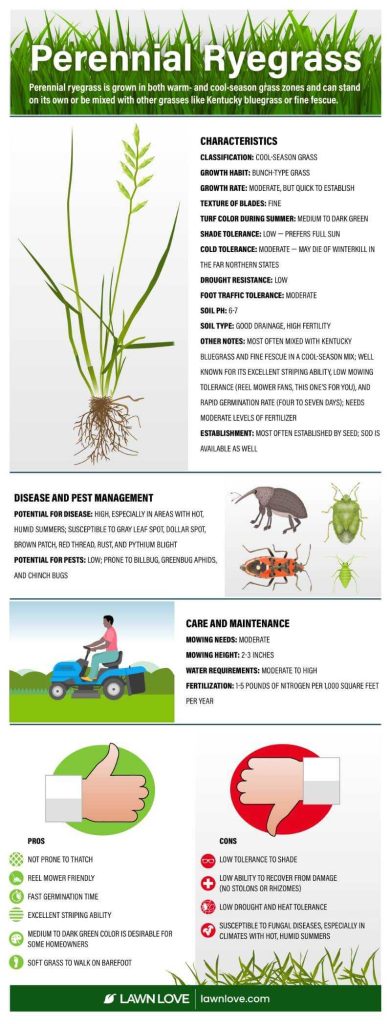
Perennial ryegrass is a popular choice for lawns and sports fields because of its quick growth and lush green appearance. Wondering when this hardy grass springs to life? The answer is, perennial ryegrass typically begins to grow in early spring and continues thriving through the cooler months, making it an excellent grass for year-round greenery in temperate climates. It generally starts germinating as soon as soil temperatures reach around 50°F (10°C), and its growth peaks during the spring and fall.
Perennial ryegrass grows best in cool, moist conditions and is known for its rapid establishment. Understanding its growth cycle can help you plan planting and maintenance for a beautiful, resilient lawn. This grass thrives when conditions are just right, so knowing the timing of its growth can ensure you get the most out of your lawn.

When Does Perennial Ryegrass Grow?
Understanding the Growth Cycle of Perennial Ryegrass
Perennial ryegrass is a popular grass type used for lawns, sports fields, and pastures. It is known for its quick germination and lush green appearance. The growth cycle of perennial ryegrass depends greatly on the weather conditions and the time of year. Typically, it grows best during the cooler months of spring and fall. During these periods, the grass produces new shoots and spreads rapidly.
The grass enters a period of dormancy mainly during the hot, dry summer months. During dormancy, growth slows down significantly, and the grass conserves energy to survive the heat. Understanding this cycle helps gardeners and landscapers plan the best time for planting and maintenance.
Optimal Growing Seasons for Perennial Ryegrass
Perennial ryegrass is a cool-season grass, meaning it thrives in temperatures between 55 and 75 degrees Fahrenheit (13 to 24 degrees Celsius). It begins to grow actively when the weather cools in early spring. Growth continues through the fall and slows down as winter approaches.
In most regions, the primary growing seasons for perennial ryegrass are:
- Early spring
- Late fall
- Autumn
During these times, the grass develops strong roots and dense foliage. However, growth may slow down during the winter months, especially in colder climates.
How Temperature Affects Growth
Temperature plays a central role in when perennial ryegrass grows. It thrives in cooler weather, with optimal growth at temperatures of 60 to 75 degrees Fahrenheit. When temperatures rise above 80 degrees Fahrenheit, growth tends to slow, and the grass may go into dormancy.
Conversely, during very cold winter periods, growth halts altogether. This dormancy allows the grass to survive harsh temperatures without damage. Once temperatures rise again in spring, the grass quickly resumes growth.
Soil Conditions Favorable for Growth
Healthy soil is essential for the growth of perennial ryegrass. The soil should be well-drained yet retain moisture. It is ideal if the soil pH is between 5.5 and 7.0.
Before planting, testing soil helps determine any adjustments needed to optimize conditions. Enriching soil with compost or fertilizer can promote stronger, quicker growth.
Timing for Planting Perennial Ryegrass
The best time to sow perennial ryegrass seeds is during early spring or early fall. These periods provide the cooler temperatures necessary for germination and establishment.
In spring, planting early ensures the grass can develop roots before the heat of summer. In fall, planting allows the grass to establish during cooler, wetter months that support growth.
Germination Period and Growth Rate
Perennial ryegrass seeds typically germinate within 5 to 14 days after planting, provided the soil temperature is between 50 and 65 degrees Fahrenheit. Consistent watering and proper soil preparation can speed up germination.
Once established, the grass can grow quickly, often reaching several inches in height within a few weeks. It will continue to fill in and thicken throughout the growing season.
Maintenance During Growth Seasons
Regular mowing encourages healthy, dense growth of perennial ryegrass. Cutting height should be maintained at around 2 to 3 inches for optimal health.
Watering is crucial during active growth periods, especially if there’s little rainfall. Fertilizing with a nitrogen-rich fertilizer helps promote vigorous growth and a vibrant green color.
Effects of Climate and Weather Conditions
Climate and weather have a significant impact on perennial ryegrass growth. Rainy seasons provide much-needed moisture, supporting quick establishment.
Drought conditions cause the grass to enter dormancy or slow growth. Conversely, excessive heat can scorch the leaves, stressing the plant.
Related Topics to Consider
- How to properly water perennial ryegrass
- Best fertilization practices for growth
- Common pests and diseases during different seasons
- Overseeding and patch repair tips
Summary of Growth Timeline
| Season | Activities | Temperature Range |
|---|---|---|
| Early Spring | Germination and rapid growth | 50-65°F |
| Late Spring to Summer | Continued growth, but slows with heat | 65-75°F, slows above 80°F |
| Fall | Resumption of active growth | 55-70°F |
| Winter | Dormancy period | Below 50°F |
Understanding the specific conditions that promote perennial ryegrass growth helps ensure a healthy, lush lawn. By planting at the right times and providing proper care, you optimize growth during the seasons when the grass can flourish.
Perennial Ryegrass Pros and Cons
Frequently Asked Questions
What are the ideal seasons for perennial ryegrass growth?
Perennial ryegrass tends to grow best during cooler months, primarily in spring and fall. It thrives in temperatures ranging from 55°F to 75°F (13°C to 24°C). During summer, especially in hot climates, growth slows down significantly, and in winter, growth may pause altogether depending on the severity of cold temperatures.
How does temperature influence the growth cycle of perennial ryegrass?
Temperatures play a crucial role in the growth cycle of perennial ryegrass. It actively grows when the soil and air temperatures are within the optimal range of 55°F to 75°F. When temperatures rise above this range, especially beyond 85°F (29°C), growth rates decline, and the grass may go dormant to conserve energy. Conversely, in colder temperatures below 40°F (4°C), growth stops, and the grass enters a dormant phase.
Are there specific months when perennial ryegrass begins to grow after dormancy?
Yes, perennial ryegrass typically begins to grow again in early spring when temperatures start rising above 50°F (10°C). This is usually around March or April depending on your geographic location. The grass resumes active growth as the soil warms and daylight hours increase, providing optimal conditions for development.
How does rainfall affect the growth timing of perennial ryegrass?
Sufficient rainfall encourages healthy growth of perennial ryegrass, especially during its active seasons in spring and fall. Consistent moisture levels help maintain lush, green turf. During dry periods, growth slows down, and additional watering may be necessary to support the grass’s development. Heavy rains can promote rapid growth, but excessive water may lead to disease issues.
Can perennial ryegrass grow during winter in mild climates?
In regions with mild winters, perennial ryegrass can continue to grow intermittently during the winter months. Its growth during this period depends on the temperature and moisture levels. If winters remain above freezing and there’s adequate rainfall, the grass may stay active, providing green cover throughout the year.
Final Thoughts
Perennial ryegrass typically grows during the cooler months of spring and fall. It thrives when temperatures range from 50°F to 75°F, providing optimal conditions for growth. During summer, it may go dormant, especially in hotter climates.
When does perennial ryegrass grow? The answer is mainly in the cooler seasons when it receives adequate moisture and temperature conditions. Proper care ensures healthy growth year-round, making it a popular choice for lawns and pastures.