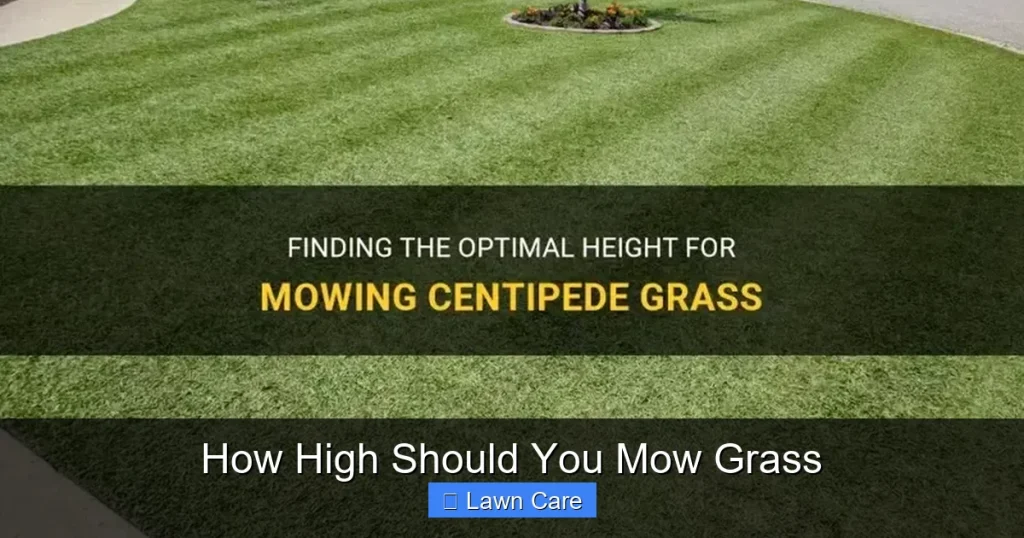
Mowing your grass at the correct height is crucial for a healthy and vibrant lawn. This guide explains why mowing height matters, how to determine the ideal height for your specific grass type and season, and practical tips for achieving that perfect cut. Understanding mowing height leads to a more resilient, weed-resistant, and drought-tolerant lawn.
Are you wondering how high your grass should be when you reach for the mower? It’s a question many homeowners ponder, and the answer isn’t as simple as “cut it short.” The right mowing height is one of the most impactful, yet often overlooked, factors in maintaining a healthy, beautiful, and resilient lawn. Mowing too short can stress your grass, making it vulnerable to weeds, pests, and drought. Mowing too high might leave your lawn looking unkempt.
This comprehensive guide will walk you through everything you need to know about mowing height. We’ll explore why it matters so much, how to determine the best height for your specific grass type and the current season, and practical steps to achieve that perfect cut. By the end of this guide, you’ll be equipped with the knowledge to make informed mowing decisions that will transform your lawn.
Key Takeaways
- Optimal mowing height promotes deeper root growth, making your lawn more resilient to drought and pests.
- Different grass types have different ideal mowing heights; always research your specific grass variety.
- Seasonal changes affect mowing height, with taller grass often preferred in warmer months for better drought resistance.
- The “one-third rule” is a safe guideline: never remove more than one-third of the grass blade at a time to avoid stressing the grass.
- Mowing height influences weed suppression; taller grass shades out weed seeds, preventing germination.
- Adjusting mowing height can improve lawn density, creating a thicker, more appealing turf.
Why Mowing Height Matters
Think of your grass as a living plant with a vital system of roots and leaves. The height at which you mow directly affects how well these parts function. Here’s a breakdown of why getting the mowing height right is so important:
Root Development
Grass blades are essentially solar panels. They capture sunlight to produce energy for the entire plant, including its roots. When you mow at an appropriate height, the grass blades are long enough to efficiently capture sunlight. This allows the plant to convert more energy into root growth. Deeper root systems are stronger, can access more water and nutrients from the soil, and make your lawn much more resistant to drought and stress.
Weed Suppression
A well-mowed lawn at the correct height acts as a natural weed suppressor. Taller grass blades create a dense canopy that shades the soil surface. This shade prevents weed seeds from germinating because they need sunlight to sprout. When you scalp your lawn (mow too short), you expose bare patches of soil, giving weeds the perfect opportunity to take hold.
Disease and Pest Resistance
Stressed grass is more susceptible to diseases and pest infestations. Mowing too short is a major stressor. It weakens the grass, making it an easy target for fungi and insects. By maintaining a healthy mowing height, you help your grass stay strong and naturally fend off these common lawn problems.
Drought Tolerance
During dry spells, a taller lawn performs significantly better. The longer blades help to shade the soil, reducing moisture evaporation. Additionally, as mentioned, taller grass means deeper roots, which can reach deeper into the soil for any available moisture.
Lawn Density and Appearance
A lawn mowed to the right height tends to be thicker and lusher. This is because the plant, when not stressed, focuses on producing more growth and tillers (new shoots). A dense lawn also looks more aesthetically pleasing, with fewer bare spots and a more uniform appearance.
Determining the Ideal Mowing Height
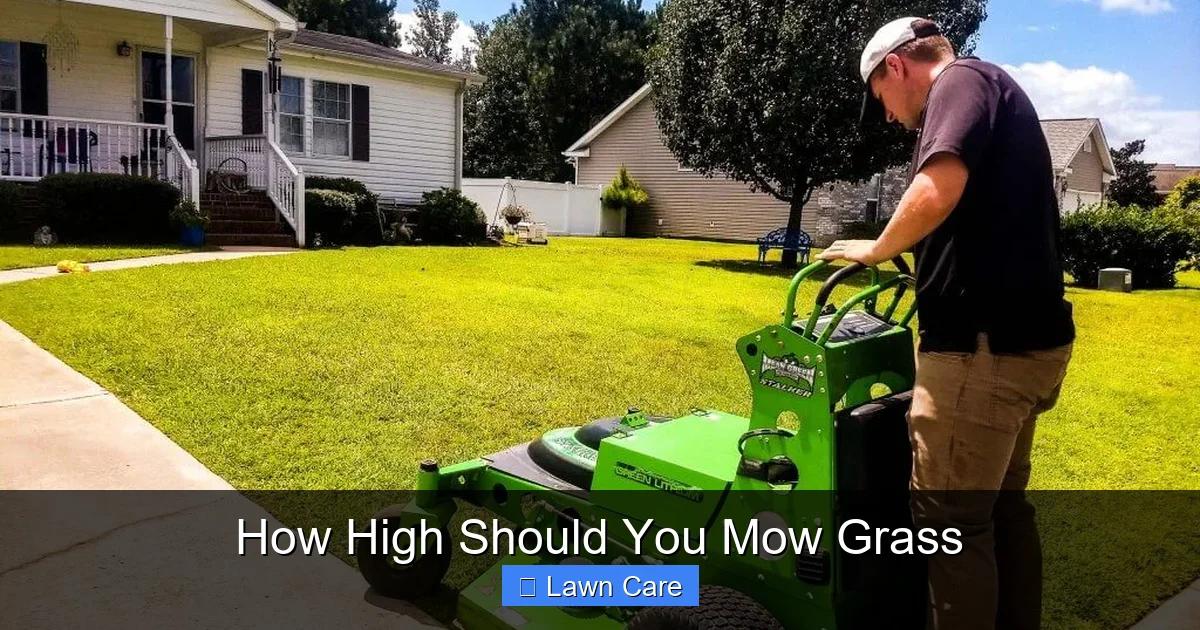
Visual guide about How High Should You Mow Grass
Image source: quietlawn.com
There isn’t a one-size-fits-all answer to how high you should mow your grass. Several factors come into play.
1. Know Your Grass Type
Different grass species have different growth habits and genetic predispositions for height. Understanding your grass type is the most critical step.
* Cool-Season Grasses: These grasses thrive in cooler climates and include varieties like Kentucky bluegrass, fescue, and ryegrass. Generally, cool-season grasses prefer to be mowed slightly higher.
* Kentucky Bluegrass: 2.5 to 3.5 inches.
* Fescue (Tall Fescue, Fine Fescues): 3 to 4 inches. Taller fescue can help it outcompete weeds and handle drought better.
* Ryegrass (Perennial and Annual): 2 to 3 inches.
* Warm-Season Grasses: These grasses thrive in warmer climates and include varieties like Bermuda, Zoysia, St. Augustine, and centipede grass. Their ideal mowing heights are often shorter.
* Bermuda Grass: This is a bit of a chameleon. For a manicured look, it can be mowed as low as 0.5 inches (especially for golf courses). However, for most home lawns, 1 to 2 inches is a more practical and healthy height. It benefits from more frequent mowing if kept short. For example, if you are looking at how tall should you cut Bermuda grass, remember that allowing it to grow a bit taller, around 1.5-2.5 inches, can improve its resilience.
* Zoysia Grass: 1 to 2 inches.
* St. Augustine Grass: This grass prefers higher mowing. For most varieties, 3 to 4 inches is ideal. Some types might tolerate slightly lower cuts, but generally, keeping it on the taller side helps it thrive. You might wonder how often should you mow St Augustine grass, and a taller cut means you might not need to mow as frequently.
* Centipede Grass: 1.5 to 2.5 inches.
2. Consider the Season
Mowing height can and should change with the seasons.
* Spring: As your lawn begins to grow, start mowing at the higher end of your grass type’s recommended range. This encourages strong root development early in the growing season. Avoid mowing too short before the grass has fully greened up. A good starting point could be how long should grass be before first mow in spring suggests waiting until it’s about a third taller than your desired mowing height.
* Summer: During the heat of summer, it’s generally best to mow your grass slightly higher than your usual summer mowing height. Taller grass provides shade and conserves moisture, helping the lawn withstand heat stress and drought. For cool-season grasses, increasing the height by half an inch to an inch can make a significant difference. For warm-season grasses, maintaining their ideal height or slightly higher is beneficial.
* Fall: As temperatures cool and growth slows, you’ll want to gradually lower your mowing height. The last mow of the season should be at the lower end of your grass type’s recommended range, or even slightly lower for some grasses like Bermuda. This is often referred to as a how short should you cut grass before winter strategy to help prevent disease over winter.
3. Evaluate Lawn Health and Conditions
Even within the same grass type and season, other factors can influence your decision.
* Shade vs. Sun: Grass in shady areas needs to be mowed higher than grass in full sun. This is because grass in the shade receives less sunlight, so longer blades are needed to capture what little light is available.
* Drought Conditions: If you’re experiencing a drought, raise your mower height. This simple adjustment can significantly help your lawn survive dry periods.
* Weed Pressure: If you have a lot of weeds, mowing at the higher end of the recommended range can help your grass outcompete them.
* New Lawns: For newly seeded or sodded lawns, follow specific establishment guidelines. Generally, you’ll wait until the grass reaches a certain height before the first mow, and then mow high.
How to Mow for the Best Results: The “One-Third Rule”
Visual guide about How High Should You Mow Grass
Image source: ecogreen.ca
One of the most critical principles of mowing is the “one-third rule.” This rule states that you should never remove more than one-third of the grass blade’s length in a single mowing session.
Why the One-Third Rule is Crucial
When you cut off more than one-third of the grass blade, you shock the plant. This can lead to:
* Reduced photosynthesis, meaning less energy for growth.
* Weakened root system.
* Increased susceptibility to disease and pests.
* A yellow or brown appearance as the grass struggles to recover.
Applying the One-Third Rule in Practice
To follow this rule, you need to pay attention to how much your grass has grown since the last mow.
* Measure Your Grass: Before you mow, get a rough idea of the current grass height. If your target mowing height is 3 inches, and your grass is currently 4.5 inches tall, you are within the one-third rule (4.5 inches – 1.5 inches = 3 inches).
* Adjust Your Mowing Frequency: If your grass grows quickly, you’ll need to mow more often to stay within the one-third rule. Conversely, if growth is slow, you can mow less frequently. For instance, if you have Bermuda grass and aim for a 1-inch height, and it’s currently 1.5 inches, you can mow. If it grows to 2 inches, you should wait because cutting 1 inch off (more than one-third of 1.5 inches) would be too much. This is why how often should you cut Bermuda grass is so important to consider alongside height.
* Don’t Let It Get Away From You: The easiest way to adhere to the one-third rule is to not let your grass get too long in the first place. Regular mowing, even if it’s just a little bit each time, is better than infrequent, scalping cuts.
Practical Steps for Mowing at the Right Height
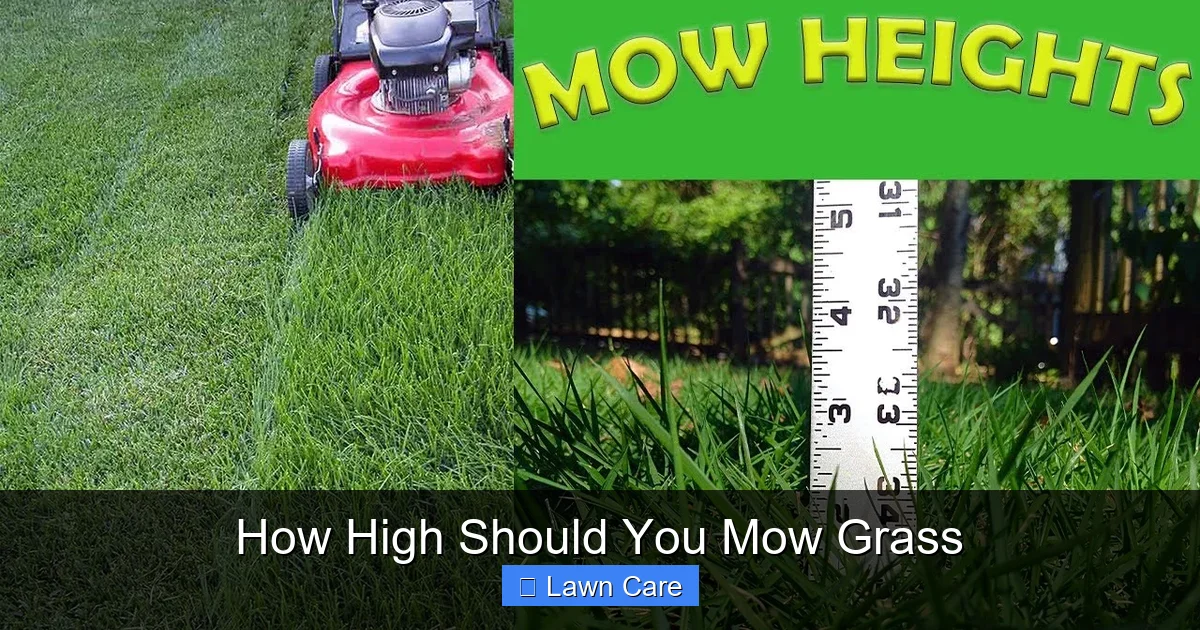
Visual guide about How High Should You Mow Grass
Image source: i.ytimg.com
Now that you understand the principles, let’s get into the practical steps.
Step 1: Identify Your Grass Type
If you’re unsure, take a sample to your local garden center or extension office. They can help you identify it. Once identified, research its ideal mowing height range.
Step 2: Adjust Your Mower Deck
Most lawnmowers have adjustable deck heights. Familiarize yourself with how to change the height setting on your specific mower. It’s often a lever or a pin system. Start with the highest setting and work your way down if needed, but always aim for the higher end of your grass’s recommended range.
Step 3: Mow Regularly
Establish a mowing schedule based on your grass’s growth rate and the one-third rule. It’s better to mow more often than to let the grass grow too long and then have to cut a large amount.
Step 4: Mow During Favorable Conditions
* **Avoid Mowing Wet Grass**: Wet grass clumps, clogs the mower, and can spread disease. Wait until the grass is dry.
* **Mow During Cooler Parts of the Day**: Midday heat can stress grass, especially after mowing. Early morning or late afternoon are generally better times.
Step 5: Use the Right Mower Blade
Ensure your mower blades are sharp. Dull blades tear grass, leaving jagged edges that are prone to disease and discoloration. Sharp blades make a clean cut, promoting faster healing.
Step 6: Consider Mulching or Bagging
* **Mulching (or “Grasscycling”)**: Leaving the clippings on the lawn is generally beneficial. They decompose and return nutrients to the soil. This is especially good when you are following the one-third rule, as the clippings will be short and won’t smother the grass.
* **Bagging**: If you’ve let your grass get too long or have disease issues, bagging the clippings can be helpful to remove excess thatch or potential disease spreaders.
Troubleshooting Common Mowing Height Issues
Even with the best intentions, you might encounter problems.
My Grass Looks Yellow or Brown After Mowing
This is a classic sign of mowing too short or using dull blades.
* Solution: Raise your mower deck immediately. Ensure your blades are sharp. Your grass should recover with proper watering and time.
I Have a Lot of Weeds
If your grass is too short, it’s not shading out weed seeds.
* Solution: Raise your mowing height. This will help your grass outcompete weeds. Consider a proper [fertilization schedule](https://lawnhelpful.com/how-often-should-you-fertilize-st-augustine-grass/) and watering regimen to further strengthen your turf.
My Lawn is Patchy or Thin
This can be due to a variety of factors, including mowing too short, poor soil, or disease.
* Solution: Ensure you are mowing at the correct, higher height for your grass type. Check your soil’s health and consider aeration if compacted. Proper watering is also key; for example, knowing how often should you water St Augustine grass can prevent stress.
My Mower is Clogging or Leaving Uneven Stripes
This often happens when mowing wet grass or if the grass is too long for your mower to handle efficiently.
* Solution: Wait for the grass to dry. If the grass is excessively long, you may need to make multiple passes, gradually lowering the deck, or use a mower designed for taller grass. Remember the one-third rule to prevent this.
Conclusion
Mastering the art of mowing height is fundamental to a thriving lawn. By understanding your grass type, considering seasonal changes, and adhering to the one-third rule, you can cultivate a lawn that is not only beautiful but also resilient, weed-resistant, and healthy. Don’t underestimate the power of a simple adjustment to your mower deck – it can make a world of difference. Start paying closer attention to your grass’s height, and you’ll be rewarded with a greener, healthier lawn that you can be proud of. Consistent, thoughtful mowing is the key to unlocking your lawn’s full potential.