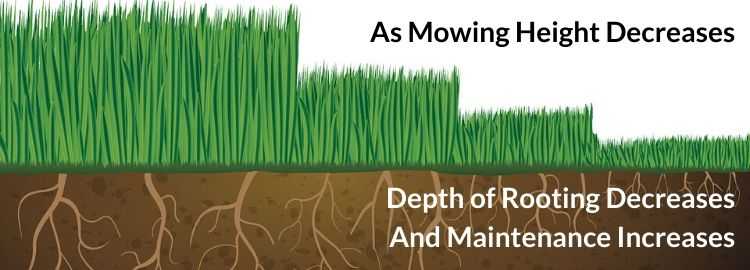
Cutting your grass before winter doesn’t mean going extremely short, but it does mean giving your lawn a gentle send-off for the season. Aim to trim your grass to about 2 to 3 inches in height; this height helps protect the roots from harsh cold and prevents diseases from settling in. Cutting too short can weaken the grass, making it more vulnerable to winter damage, while keep it a bit longer allows it to insulate itself naturally. The right length can also improve airflow and reduce snow mold risks. Taking a few careful steps now ensures your lawn bounces back vibrant in spring. Properly preparing your yard for winter stress is key to maintaining a lush, healthy lawn year after year.
For a healthy winter transition, cut your grass to about 2 to 3 inches. Avoid trimming too short, as longer grass provides better insulation and reduces disease risks, setting your yard up for a fresh start come spring.
When winter approaches, it’s essential to adjust your mowing routine to help your lawn survive the cold months with minimal damage. Cutting your grass too short exposes the soil and roots to harsh weather, while leaving it too long can lead to disease and pest problems. The ideal height of 2 to 3 inches balances protection and health, giving your lawn a good chance to withstand winter’s challenges. Regularly removing the top layer of growth before the first frost is a simple yet effective way to prepare your yard. This little step can make a significant difference in how quickly and easily your grass recovers when the seasons change. Proper lawn care before winter ensures that your outdoor space remains lush, green, and beautiful when spring arrives.

How Short Should You Cut Grass Before Winter
Understanding Why Grass Length Matters Before Winter
Cutting your grass to the right length before winter helps protect your lawn from cold damage. If the grass is too tall, snow and ice can linger, leading to problems like mold or disease. Conversely, cutting it too short can leave the grass vulnerable to frost and harsh weather.
Maintaining the correct grass height is a key part of lawn care that ensures your yard stays healthy during the cold months. It also helps prevent pests and fungi from taking hold over winter. Choosing the right length will set your lawn up for easier growth in spring.
Ideal Grass Height Before Winter
Most experts recommend leaving grass at a height of about 2.5 to 3 inches before winter hits. This length offers enough coverage for the roots and protects against frost. It also encourages stronger, healthier growth come spring.
In areas with harsher winters or snow accumulation, a slightly taller cut of around 3 inches can be beneficial. This extra height acts as insulation for the soil and provides a buffer against the cold. Always consider your local climate when deciding on the final grass height.
Factors That Influence How Short You Should Cut Your Grass
Several factors come into play when determining the best winter cutting height. These include:
- Type of grass: Cool-season grasses like Kentucky bluegrass or fescue typically need to be cut shorter than warm-season types.
- Climate: Colder regions might require a taller cut to protect the grass from extreme frost.
- Snow cover: Regular snow can act as an insulator, influencing how tall or short your grass should be.
- Amount of rainfall: Wet conditions can increase disease risk, so adjusting height accordingly helps prevent problems.
- Overall lawn health: A healthy, well-maintained lawn can handle a shorter cut better than one that is weak or struggling.
Understanding these factors helps you make the best decision for your lawn’s specific needs. It’s always a good idea to consider local weather patterns and grass type when planning your final mow.
How to Properly Mow Your Lawn for Winter Preparation
Proper mowing technique is just as important as the height you choose. Start by setting your mower blades to the correct height, usually between 2.5 and 3 inches. Always mow when the grass is dry, so it cuts cleanly and evenly.
Avoid removing more than one-third of the grass height in a single mowing session to prevent stressing your lawn. For the final mow of the season, reduce the height gradually over a couple of cuts if your grass is much taller. This way, the lawn adapts slowly to the shorter length.
Steps for a Perfect Final Mow
- Set your mower blade height to 2.5 to 3 inches.
- Remove any debris, leaves, or dead grass from the lawn surface.
- Mow slowly and evenly across the lawn to prevent scalping.
- Make sure to mow in different directions each time to avoid rutting.
- Clean your mower after use to prevent disease spread over winter.
This careful mowing process helps your lawn stay healthy and ready for the cold months ahead.
Additional Lawn Care Tips for Winter Readiness
Besides mowing, other steps can prepare your lawn for winter. Reseeding bare spots and aerating compacted soil improves root health. Applying a winter fertilizer with essential nutrients boosts grass resilience.
Keep your lawn free of debris and fallen leaves to reduce mold and disease risk. Dethatching can also be beneficial if thatch buildup is thick, allowing nutrients to reach the roots more easily.
Watering Practices Before Winter
Water your lawn thoroughly before the ground freezes, ensuring deep soil moisture. Avoid overwatering, as soggy soil can lead to fungal issues. Proper hydration helps the grass withstand winter stress.
In regions with winter rain or snow, supplemental watering may be less necessary. Generally, watering during the fall is crucial for establishing healthy roots that survive winter cold.
Common Mistakes to Avoid When Cutting Grass Before Winter
Incorrect mowing can harm your lawn over winter. Never cut the grass too short, especially below 2 inches, as this exposes roots to frost and damage. Cutting too tall can encourage disease and pest issues by trapping moisture.
Avoid mowing when the grass is wet, as it leads to uneven cuts and mower clogs. Also, neglecting to clean sharp mower blades can tear grass instead of cutting it cleanly, weakening your lawn.
Seasonal Lawn Maintenance Calendar
Creating a seasonal plan helps keep your lawn in top shape. In fall, focus on mowing to the optimal height, aerating, and fertilizing. During winter, often minimal care is needed, but monitoring for snow mold is important.
In spring, resume regular mowing, fertilizing, and overseeding. Consistent maintenance year-round promotes a lush, healthy lawn that withstands winter better.
Summing Up: The Key to a Healthy Winter Lawn
The right grass height before winter is crucial for lawn health and recovery in spring. Aim for 2.5 to 3 inches, considering your climate and grass type. Proper mowing, combined with other winter preparations, ensures your yard stays resilient against cold weather.
By paying attention to these details, you help your lawn avoid damages caused by frost, snow, and ice. A well-maintained winter-ready lawn sets the stage for a vibrant, green yard when warmer days return.
#grass #height #winter #winterize #lawn #mowing #diy #yardwork #fall #cold #preparation
Frequently Asked Questions
How does grass height affect winter health and growth?
Maintaining the right grass height before winter helps promote strong roots and overall resilience. If the grass is too tall, it can trap moisture and increase the risk of disease during cold months. Conversely, if it’s cut too short, the grass may struggle to insulate itself against the cold, leading to damage and slow recovery in spring. Keeping it at an optimal height ensures it remains healthy and ready to bounce back when warmer weather returns.
What tools are best for cutting grass short before winter?
Use a sharp mower equipped with a suitable blade to achieve a clean, even cut. For lawns with thick or tough grass, a mower with adjustable height settings allows precise control. If the grass is particularly long or uneven, consider trimming with a grass trimmer or shears before mowing. Always remove clippings and debris afterward to prevent the buildup of organic matter that can harbor pests or diseases over winter.
Are there any specific grass types that require different cutting heights for winter?
Yes, certain grass varieties, such as cool-season grasses like Kentucky bluegrass or fescues, generally tolerate shorter cuts before winter, around 2 to 3 inches. Warm-season grasses like Bermuda or Zoysia may need to be cut slightly higher, about 1.5 to 2 inches, to provide extra insulation. Adjusting your cutting height based on the grass type helps ensure it stays healthy through the cold season.
How does timing affect the optimal grass height before winter?
It’s best to cut your grass to its final height close to the first expected frost. Doing so prevents the grass from growing excessively late in the season and minimizes the risk of disease. Aim to mow during dry weather and finish at least a week before the coldest temperatures set in, allowing the grass to toughen and recover before winter fully takes hold.
What are the consequences of cutting grass too short in preparation for winter?
Cutting grass too short can weaken the plant’s ability to insulate its roots, making it more susceptible to cold damage. It also reduces the amount of organic material that can protect against frost, potentially leading to brown or dead patches come spring. Additionally, very short grass can make the lawn more vulnerable to weeds and pests during the winter months.
Final Thoughts
How short should you cut grass before winter? Cutting grass too short can damage the roots and make the lawn vulnerable to cold and disease. Aim to cut the grass to about 2.5 to 3 inches for optimal protection. Maintaining this height helps the grass withstand winter weather and promotes healthy growth in spring. Keep your lawn healthy by trimming appropriately before the cold sets in.