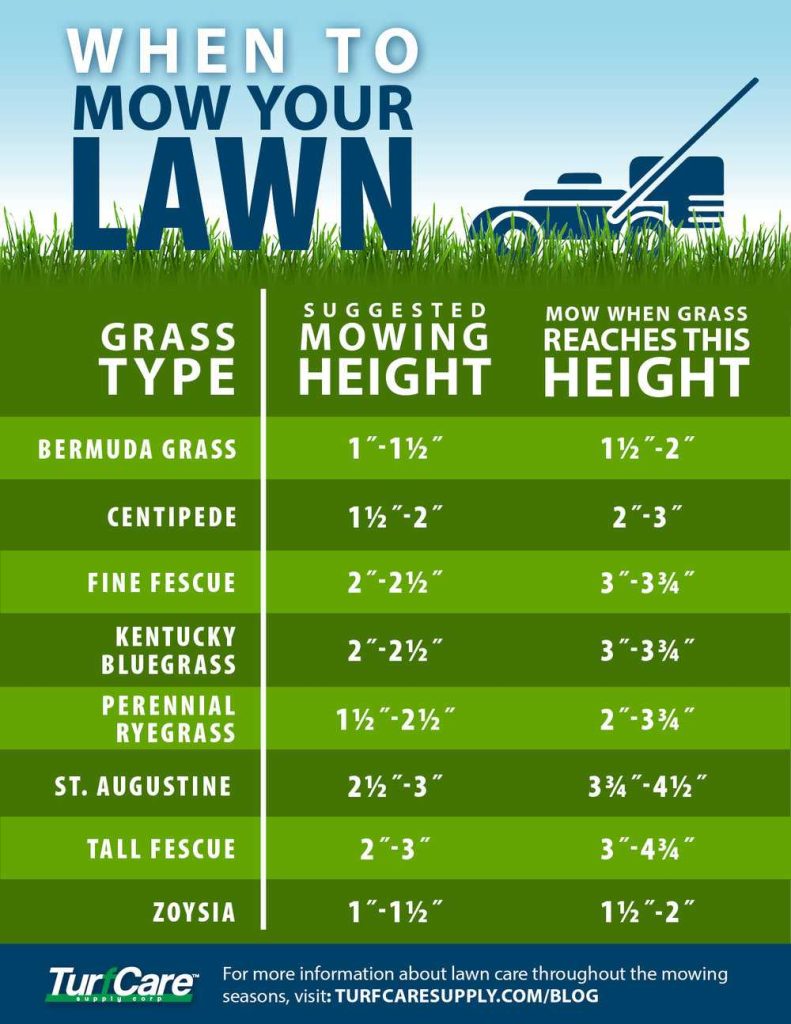
The ideal grass height before the first mow in spring is about 2.5 to 3 inches. Mowing too early or too short can stress your lawn and invite weeds or disease, so timing and length are key.
For a healthy spring lawn, aim to mow when the grass reaches around 3 inches tall, and only cut off the top third of the blades. This allows the grass to strengthen and develop deep roots after winter dormancy. Rushing to mow too early or clipping the grass too short can lead to damage and slower recovery. Keep an eye on the growth rate and weather conditions, and remember that patience pays off for a lush, green lawn in the months ahead. Proper mowing height at the right time sets the foundation for a thriving, beautiful yard all season long.

How long should grass be before first mow in spring
Understanding the Importance of Proper Mowing Height
Proper mowing height is key to maintaining a healthy lawn during spring. Cutting grass too short can stress the plants and invite weeds, while letting it grow too long can lead to disease. Finding the right height helps grass recover quickly from winter and promotes lush growth.
Factors That Influence the Ideal Grass Length
Several elements shape how tall your grass should be before the first cut. These include the type of grass, local climate, and the overall condition of your lawn. Recognizing these factors allows for a tailored approach that keeps your yard resilient in springtime.
Grass Type Considerations
Different grass varieties have unique growth habits. Cool-season grasses like Kentucky bluegrass and fescues thrive at a height of 2.0 to 3.5 inches. Warm-season grasses such as Bermuda or Zoysia prefer slightly shorter cuts around 1.5 to 2.5 inches. Knowing your grass type informs your mowing strategy.
Climate and Weather Conditions
Mild temperatures and regular rainfall encourage even growth, meaning grass can be slightly longer. Excessive moisture or the threat of late frosts might require postponing mowing or adjusting the height. Keep an eye on local weather patterns to decide the right timing.
Lawn Condition and Maintenance History
A lawn that has been well cared for is less prone to stress from mowing. If your grass has experienced issues like moss growth or weed invasion, consider adjusting the height to promote recovery. A healthy turf can be mowed more aggressively without damage.
Recommended Grass Length Before First Mow in Spring
Experts generally suggest waiting until your grass reaches between 2.5 and 3 inches before mowing for the first time in spring. This length allows the grass to establish strong roots while avoiding cutting too much at once.
Why 2.5 to 3 Inches?
This range strikes a balance that encourages healthy growth and weed suppression. Cutting at this height reduces stress on the grass, helping it recover from winter dormancy. It also promotes dense turf, preventing weeds from taking hold.
Adjusting Based on Grass Type
For cool-season grasses, aim for a height of 2.5 to 3 inches. Warm-season grasses may be cut slightly lower, around 2 to 2.5 inches, but avoid trimming below the recommended height for your specific grass.
Steps to Prepare for First Spring Mowing
Before mowing, ensure your lawn is ready. Follow these steps for best results:
- Remove debris such as fallen leaves and twigs that can impede mower blades.
- Rake to eliminate dead grass and thatch accumulation, which can hinder healthy growth.
- Assess the lawn’s overall health and address issues like bare patches or weeds.
Using the Right Mower Settings
Set your mower blades to the appropriate height, typically around 2.5 to 3 inches. Avoid setting the blades too low, which can scalp the grass and damage roots. Regularly sharpen mower blades for clean cuts.
Timing for the First Mow in Spring
Timing is crucial for avoiding damage and promoting healthy growth. Wait until the grass has reached the recommended height and the weather is favorable. Avoid mowing during frost or when the ground is soaked from rain.
Signs It’s Time to Mow
Look for the following indicators:
- Grass has grown to at least 2.5 inches (preferably 3 inches).
- The lawn is dry and the weather has warmed up.
- There is no threat of frost overnight.
Additional Tips for Healthy Spring Lawn Care
Achieving a lush lawn in spring involves more than just mowing. Consider these tips to keep your grass strong:
Fertilization
Apply a balanced, slow-release fertilizer suited for your grass type. Spring fertilization boosts growth and helps grass recover from winter dormancy.
Watering Schedule
Ensure your lawn receives about 1 to 1.5 inches of water per week. Deep, infrequent watering encourages deep root growth and drought resistance.
Pest and Disease Prevention
Inspect your lawn regularly for signs of pests or disease. Early intervention prevents major damage and promotes a healthy, vibrant yard.
Reseeding and Overseeding
Address bare patches by overseeding in early spring. This helps maintain a dense, weed-resistant lawn and prepares it for summer growth.
Common Mistakes to Avoid When Mowing in Spring
Steer clear of these common pitfalls:
- Mowing too early before grass reaches the appropriate height.
- Cutting grass too short, which stresses plants and weakens roots.
- Using dull mower blades that tear rather than cut grass cleanly.
- Skipping lawn preparation, such as cleaning or raking.
- Ignoring weather conditions and mowing during frost or excessive moisture.
Summary of Key Points
To maintain a healthy lawn, wait until your grass reaches about 2.5 to 3 inches before mowing in spring. Adjust the height based on your grass type, weather, and lawn condition. Proper preparation and timing encourage strong growth, weed resistance, and vibrant green color.
Additional Related Topics
Explore topics such as lawn aeration, pest control, organic fertilization, and watering techniques to support your spring lawn care routine. These practices complement proper mowing and contribute to long-term healthy turf.
Ensuring your grass is at the correct height before the first mow in spring helps your lawn recover quickly from winter and sets the stage for lush, green growth throughout the season.
How Often Should I Mow In The Spring?
Frequently Asked Questions
What is the ideal grass height before the first mowing in spring?
The ideal height for grass before the first spring mow is typically between 2.5 to 4 inches (6 to 10 cm). Maintaining this height allows the grass to recover from winter dormancy, promotes healthy growth, and helps prevent disease. Avoid cutting it too short, as this can stress the grass and damage the root system.
When should I mow my lawn for the first time in spring?
You should wait until the grass starts actively growing, which usually occurs when the soil temperature reaches around 50°F (10°C). Once the grass has grown to about one-third taller than your desired mowing height, it’s time to cut it for the first time. This timing ensures the grass is strong enough to handle mowing without stress or damage.
How can I determine if my lawn is ready for its first spring mow?
Check if the grass has grown sufficiently and recovered from winter, usually by measuring its height. If the grass is at least 2.5 inches tall and shows healthy green color without signs of damage, it’s ready for mowing. Also, ensure the soil is dry enough to prevent compaction and uneven cutting.
Should I cut the grass shorter for the first mow in spring?
No, avoid cutting the grass too short during the first mow of spring. Cutting it to a height of around 2.5 to 3 inches helps maintain its health, encourages strong root growth, and reduces stress on the grass. Shortening it excessively can expose the roots and make the lawn vulnerable to pests and drought.
How frequently should I mow in early spring before the lawn reaches its optimal height?
Mow your lawn regularly in early spring, ideally once the grass reaches about 3 inches (7.5 cm). Keep the grass at a consistent height of around 2.5 to 3 inches by trimming just the top third each time. Frequent mowing prevents the grass from becoming overgrown and encourages dense, healthy growth.
Final Thoughts
To sum up, the ideal grass height before the first mow in spring is around 2.5 to 4 inches. This length helps the grass recover from winter and promotes healthy growth. Cutting too short can stress the grass, while leaving it too long may cause disease.
Maintaining this height ensures a lush, even lawn throughout the season. Proper mowing beginners set the foundation for a vibrant, healthy yard.