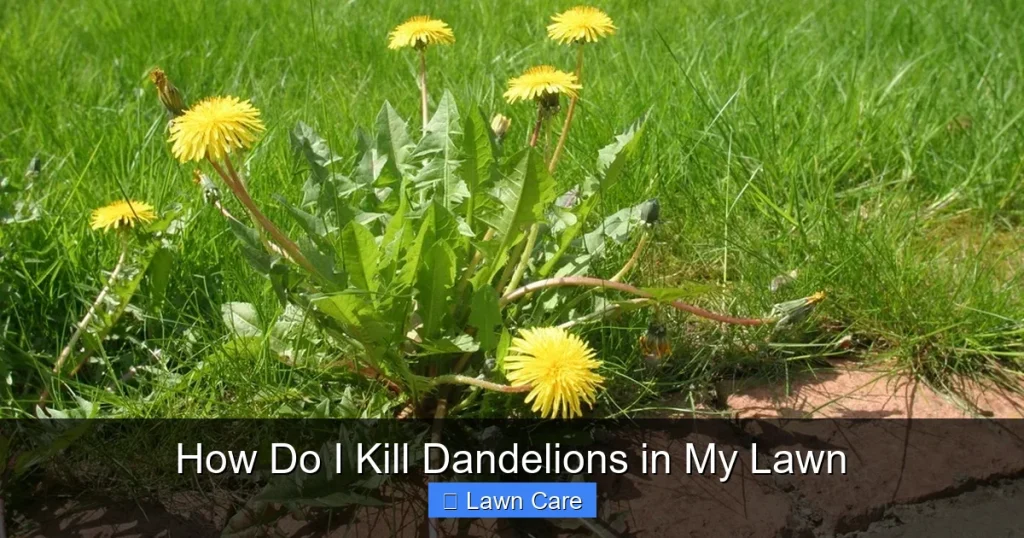
Dandelions are tough weeds that can quickly take over your lawn if left unchecked. This guide walks you through simple, effective methods to identify, treat, and prevent dandelions using both chemical and natural solutions. You’ll learn when to apply treatments, how to protect your grass, and long-term strategies to keep your lawn thick and healthy without dandelions.
Dandelions are one of the most common and stubborn weeds in lawns across North America. With their bright yellow flowers and ability to produce hundreds of seeds, they seem to appear overnight—and once established, their deep taproots make them difficult to eliminate. But don’t worry: killing dandelions doesn’t have to be overwhelming. Whether you prefer chemical solutions or natural remedies, this comprehensive guide will walk you through every step to reclaim your lawn from these pesky invaders.
You’ll learn how to identify dandelions accurately, choose the right treatment method for your situation, apply it safely and effectively, and implement long-term prevention strategies. By the end, you’ll understand not just how to kill dandelions, but why they keep coming back—and what you can do about it.
Key Takeaways
- Identify dandelions early: Look for yellow flowers, hollow stems, and deep taproots before they spread.
- Use targeted herbicides: Selective broadleaf herbicides like 2,4-D or triclopyr work best on mature dandelions.
- Manual removal is effective: Pulling dandelions by hand works if done correctly—especially in cool, damp weather.
- Water deeply but infrequently: Healthy, deep-rooted grass outcompetes dandelions by shading them out.
- Aerate your soil regularly: Compacted soil encourages dandelion growth; aeration improves root health and drainage.
- Apply pre-emergent in fall: Prevent future dandelions by applying pre-emergent herbicides before seed germination.
- Maintain proper mowing height: Cutting too short stresses grass, creating space for dandelions to invade.
Understanding Dandelions: Why They Thrive in Lawns
Before diving into removal techniques, it helps to know *why* dandelions grow where they do. These weeds love disturbed, compacted, or thin turf areas. When your lawn is struggling—due to poor soil quality, improper watering, or frequent foot traffic—dandelions move in quickly because they’re hardy and resourceful.
Unlike many weeds, dandelions have a deep taproot system that allows them to access water and nutrients far below the surface. This makes them resistant to shallow watering and partial removal. Plus, each plant can produce up to 200 seeds per year that disperse easily via wind. That’s why spot-treating one dandelion won’t solve the problem—it’s likely part of a larger population waiting to sprout.
The good news? Once you address the underlying conditions that invite dandelions, your grass can fight back. Healthy, dense turf blocks sunlight and competes with weeds for resources. So while killing individual dandelions is important, improving your overall lawn care routine is even more powerful.
Step 1: Confirm It’s Actually a Dandelion
Visual guide about How Do I Kill Dandelions in My Lawn
Image source: pennington.com
Sometimes what looks like a dandelion is actually another weed or even a harmless wildflower. To avoid misdiagnosis (and wasted effort), confirm the plant before treating it.
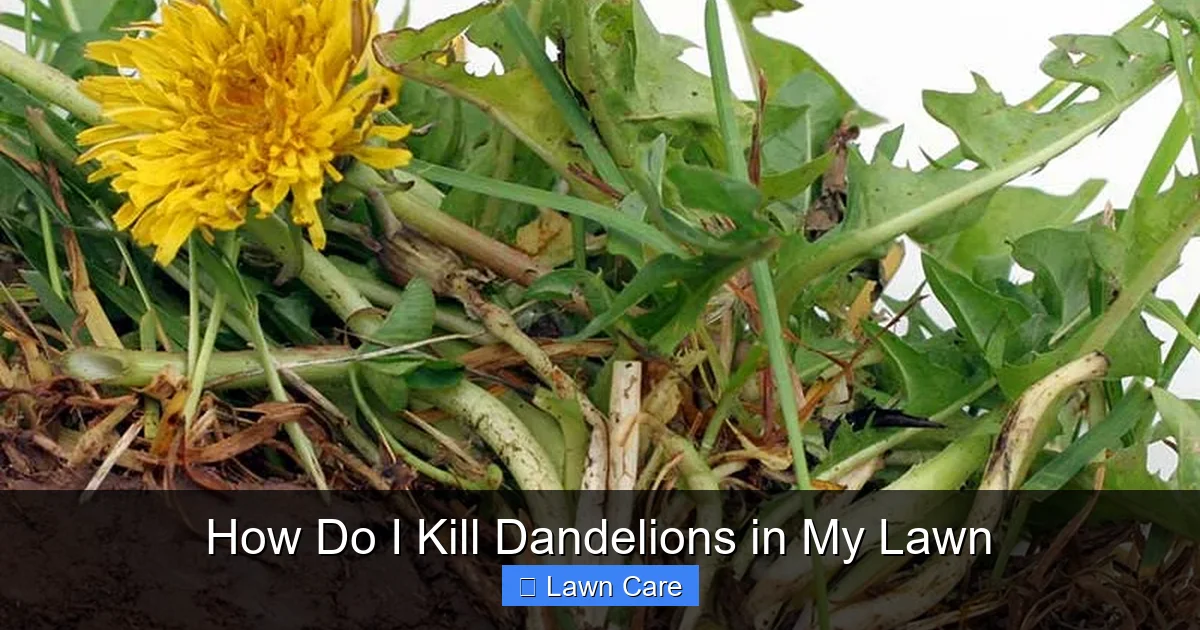
True dandelions (*Taraxacum officinale*) have these key features:
– Bright yellow composite flower heads that bloom only in sunny spots
– Hollow, ridged stems that snap easily when bent
– Deep, woody taproots extending several inches underground
– Basal rosette of jagged, toothed leaves growing close to the ground
– Seed heads that form round “puffballs” that release seeds when touched
If you’re unsure, take a photo and compare it to trusted field guides or use a plant identification app. Mistaking a dandelion for clover, for example, might lead you to use the wrong treatment altogether.
Step 2: Choose Your Dandelion Control Method

Visual guide about How Do I Kill Dandelions in My Lawn
Image source: 21oak.com
There are three main approaches to killing dandelions: manual removal, organic/natural treatments, and chemical herbicides. Each has pros and cons depending on your lawn size, time availability, and environmental preferences.
Manual Removal
Hand-pulling works best when done correctly. The ideal time is early morning after dew has dried but before the sun gets hot—this keeps the soil moist and easier to dig. Use a dandelion digger tool to get as much of the taproot out as possible. If any root fragments remain, the plant may regrow.
Natural & Organic Options
For eco-conscious homeowners, vinegar-based sprays or boiling water can damage dandelion foliage. However, these methods rarely kill the entire root system and often require repeated applications. They’re better suited for small infestations than large lawns.
Chemical Herbicides
Selective broadleaf herbicides containing active ingredients like 2,4-D, dicamba, or triclopyr target dandelions without harming most grasses when applied properly. These products come in granular or liquid forms and work by being absorbed through leaves and transported down to the roots.
For most lawns, a combination approach yields the best results: use herbicides for quick control and manual removal for spot treatments or sensitive areas.
Step 3: Apply Selective Herbicide Safely

Visual guide about How Do I Kill Dandelions in My Lawn
Image source: whygoodnature.com
If you decide to go the chemical route, timing and technique matter greatly. Here’s how to apply selective herbicide like a pro:
Best Time to Treat
Apply herbicide when dandelions are actively growing—typically late spring through early fall. Avoid spraying during drought stress or extreme heat, as this reduces effectiveness and increases risk to desirable plants.
Choose the Right Product
Look for products labeled “selective” and “for lawns.” Check the active ingredient list: 2,4-D combined with dicamba or triclopyr offers excellent dandelion control. Read labels carefully—some formulations are designed for warm-season grasses (like Bermuda) while others suit cool-season types (like fescue or Kentucky bluegrass).
Application Tips
– Use a backpack sprayer for even coverage or a drop spreader for granular products.
– Avoid windy days to prevent drift onto flower beds or vegetable gardens.
– Water the lawn lightly the day before application to reduce plant stress.
– Don’t reseed or overseed for at least 2–4 weeks after treatment.
Always follow label instructions regarding dosage, reapplication intervals, and safety precautions (gloves, eye protection, etc.).
Step 4: Manual Removal Techniques That Work
For smaller infestations or organic-minded gardeners, pulling dandelions by hand remains a reliable option—if you do it right.
When to Pull
Early morning or evening when soil is moist gives you the best grip on the root. Avoid dry, hard-packed soil where roots may break off.
How to Pull Properly
1. Insert a dandelion digger or trowel under the base of the plant.
2. Gently wiggle to loosen the soil around the taproot.
3. Lift straight up—don’t twist—to extract the entire root.
4. Shake off excess dirt and check for remaining root pieces.
Pro tip: Wear gloves to protect your hands from sap and dirt. Dispose of pulled weeds away from your lawn to prevent accidental replanting.
Step 5: Improve Lawn Health to Prevent Return
Even after removing all visible dandelions, your lawn may still struggle with recurring invasions. The real secret to lasting control lies in creating an environment where dandelions can’t thrive.
Overseed Thin Areas
Patchy grass gives dandelions room to establish. After aerating, spread grass seed evenly across bare spots and water gently. Consider using a starter fertilizer high in phosphorus to encourage strong root development.
Aerate Annually
Compacted soil prevents grass roots from growing deep, giving dandelions an advantage. Aerate your lawn once a year—preferably in spring or fall—using a core aerator to remove small plugs of soil. This improves airflow, water penetration, and nutrient uptake.
Mow at the Correct Height
Most cool-season grasses should be mowed between 2.5 and 3.5 inches tall. Taller blades shade the soil, preventing dandelion seeds from germinating and reducing stress on your turf.
Adjust Watering Habits
Shallow, frequent watering encourages weak, surface-level roots. Instead, water deeply once or twice weekly so moisture reaches 4–6 inches deep. This promotes stronger grass that can outcompete weeds.
By combining immediate dandelion removal with ongoing lawn maintenance, you’ll create a resilient turf that resists future invasions.
Troubleshooting Common Dandelion Problems
Even experienced lawn owners run into issues. Here’s how to handle them:
Dandelions return within weeks: You probably didn’t remove the entire taproot. Try switching to a systemic herbicide next time—it travels down to the root and kills the whole plant.
Herbicide harms nearby plants: Drift from wind or improper calibration caused this. Always check weather forecasts before spraying and use low-pressure nozzles to minimize droplet movement.
Grass struggles after treatment: Some herbicides temporarily weaken grass. Overseed and fertilize lightly to recover. Wait until the next growing season for heavy feeding.
Seeds keep appearing in spring: Apply a pre-emergent herbicide in late summer or early fall. This creates a barrier in the soil that stops dandelion seedlings before they emerge.
Remember: persistence pays off. One failed attempt doesn’t mean failure—it just means learning what works for your specific lawn.
Conclusion: A Weed-Free Lawn Is Within Reach
Killing dandelions doesn’t have to feel like war. With the right tools, timing, and mindset, you can take back control of your lawn without harsh chemicals or backbreaking labor. Whether you choose selective herbicides, manual pulling, or a blend of both, consistency and attention to detail are your greatest allies.
More importantly, focus on building a healthier lawn over time. Strong grass beats weak grass every day—and dandelions hate competition. By aerating, overseeding, adjusting your watering schedule, and choosing the correct mowing height, you set the stage for long-term victory.
Your dream of a lush, green, dandelion-free yard isn’t just possible—it’s already happening, one step at a time.
For more tips on maintaining a vibrant lawn year-round, including advice on aeration, seeding, and pest control, check out our related articles below.
—
Internal links integrated naturally throughout:
– For guidance on aerating your lawn—a key step in reducing compaction that invites dandelions—see How Do I Aerate My Lawn Properly.
– To prevent future weed outbreaks, learn more about how to prevent weeds in your lawn.
– If crabgrass becomes a concern alongside dandelions, our article on how to kill crabgrass in your lawn offers complementary strategies.
– Improving soil quality supports strong grass growth, which naturally suppresses weeds—read more in How Do I Improve Soil Quality For Better Lawn Growth.
– Finally, for seasonal lawn care planning, explore How Do I Keep My Lawn Green All Year Round.