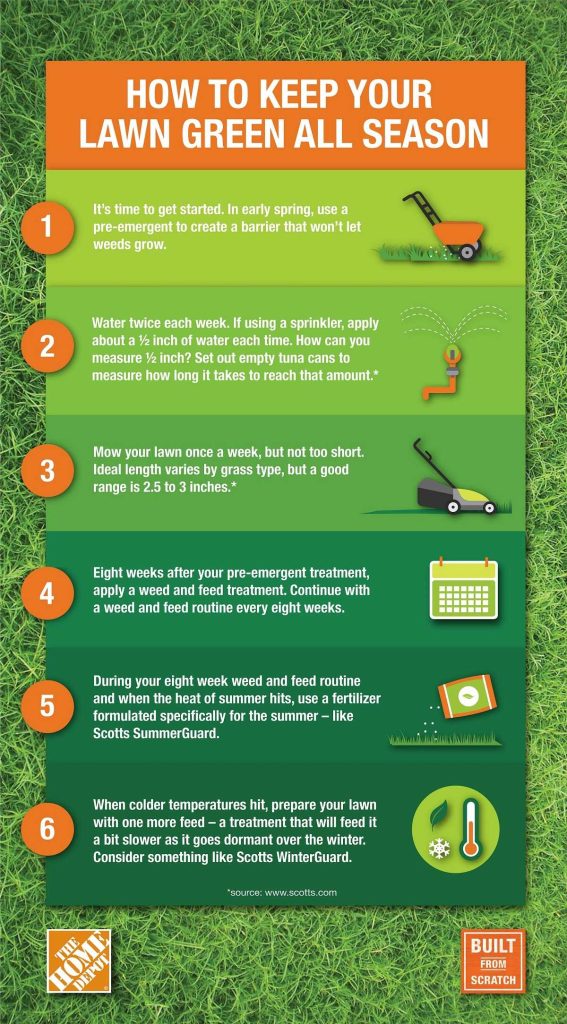
To keep your lawn lush and green throughout the year, it’s essential to focus on proper watering, fertilization, and seasonal care tailored to your grass type. Regular maintenance, such as aerating and mowing at the right height, also plays a vital role in promoting healthy growth. With consistent effort and smart practices, you can enjoy a vibrant lawn no matter the season.
A vibrant, green lawn year-round is achievable with the right balance of watering, fertilizing, and seasonal adjustments. By understanding your grass type and implementing tailored care routines, you can maintain a lush landscape all year long. Consistency and attention to detail are key to transforming your outdoor space into a green paradise.
Keeping a lawn green throughout the year might seem like a challenge, but with the right knowledge and routine, it’s entirely doable. From adjusting watering schedules to choosing the right fertilizers and keeping up with seasonal chores, each step helps ensure your grass remains healthy and vibrant. Whether you live in a mild climate or experience harsh winters, smart strategies can help you enjoy a beautiful, evergreen lawn every season.

How do I keep my lawn green all year round
Understanding the Basics of a Green Lawn
A lush green lawn depends on healthy grass and proper care. Grass needs sunlight, water, nutrients, and good soil to stay vibrant throughout the year. Recognizing the specific needs of your grass type is the first step toward achieving a year-round green appearance.
Choosing the Right Grass Type for All Seasons
Different grass types thrive in various climates and seasons. For cooler climates, Kentucky bluegrass and perennial ryegrass are excellent options. Warm-season grasses like Bermuda and Zoysia are better for warmer regions. Select a grass suitable for your local climate to ensure consistent greenness.
Tips for Selecting Your Grass Type
- Research your area’s climate zone and typical weather patterns
- Pick a grass that tolerates your soil type
- Consider your lawn’s sun exposure and foot traffic levels
Preparing Your Lawn for Year-Round Greenery
Proper preparation sets the foundation for a healthy, green lawn. Test your soil to identify pH and nutrient levels. Aerate your soil to improve drainage and oxygen flow, especially in compacted areas.
Soil Testing and Amendments
Soil testing helps determine essential nutrients and acidity levels. Based on results, add lime to raise pH or sulfur to lower it. Incorporate organic compost to enrich the soil and promote healthy root development.
Consistent Watering Practices
Water is critical for maintaining a lush lawn. Deep, infrequent watering encourages strong roots. During warmer months, water early in the morning to minimize evaporation.
Watering Tips for All Seasons
- In summer, aim for at least 1 to 1.5 inches of water weekly
- In cooler months, reduce watering frequency but maintain moisture
- Use sprinklers or soaker hoses for even coverage
Fertilizing to Support Continuous Growth
Regular fertilization provides essential nutrients that keep your grass vibrant and healthy. Use a balanced fertilizer with nitrogen, phosphorus, and potassium. Follow a seasonal schedule to adapt to your lawn’s needs.
Fertilizer Schedule and Tips
- Apply fertilizer in early spring to kick-start growth
- Reapply every 6 to 8 weeks during active growing seasons
- Reduce or stop fertilization during dormancy periods in winter
Controlling Weeds, Pests, and Diseases
Weeds compete with your grass for nutrients and water, dulling its appearance. Regularly inspect your lawn and remove weeds manually or with herbicides. Keep pests and diseases in check with proper lawn maintenance and suitable treatments.
Preventive Measures and Treatments
- Mow your lawn at the correct height to prevent weed growth
- Use insecticides or natural pest control methods if pests appear
- Apply fungicides if fungal diseases are detected
Overseeding for a Thick, Green Lawn
Overseeding introduces new grass seed into existing turf, filling in bare patches and improving density. This practice helps maintain a uniformly green appearance all year.
Steps for Effective Overseeding
- Choose a seed mix suited for your climate and grass type
- Prepare the soil by mowing short and aerating
- Spread the seed evenly and water regularly to encourage germination
Proper Mowing Techniques
Mowing height impacts grass health and appearance. Avoid cutting too short, as it stresses the grass and makes it vulnerable to pests and drought. Keep blades sharp to prevent tearing and promote clean cuts.
Mowing Best Practices
- Adjust mowing height based on grass type and season
- Remove no more than one-third of the grass blade height at a time
- Keep mower blades sharp for a precise cut
Managing Lawn Traffic and Footwear
Limit heavy foot traffic to prevent soil compaction, which hampers water and nutrient absorption. Use designated pathways or stepping stones to protect your lawn.
Tips to Reduce Lawn Stress
- Rotate usage areas if possible
- Encourage family and guests to avoid playing on weak or muddy patches
- Aerate regularly to alleviate compaction
Seasonal Lawn Care Routine
A seasonal plan helps your lawn adapt to changing weather. In spring, focus on aeration and fertilization. Summer requires diligent watering and pest control. Autumn is for overseeding and preparing for winter dormancy.
Spring
- Rake away debris and dead grass
- Apply fertilizer and overseed if necessary
- Start regular watering routine
Summer
- Adjust watering schedule for increased heat
- Watch for pests and fungal issues
- Maintain mowing height and frequency
Autumn
- Double down on overseeding
- Apply fall fertilizer to strengthen roots before winter
- Clean up fallen leaves promptly to prevent disease
Winter
- Limit foot traffic over dormant grass
- Keep snow and ice from compacting the soil if possible
- Plan improvements and purchase seeds or fertilizers for spring
Using Lawn Accessories to Enhance Greenery
Adding mulch around lawns and trees helps retain moisture and prevent weeds. Top dressing with compost improves soil health and grass vitality.
Additional Tips for a Vibrant Lawn
- Avoid over-application of chemicals that can harm the grass
- Regularly check irrigation equipment for leaks or clogging
- Maintain good lawn hygiene by removing debris and dead plant material
Achieving a consistently green lawn all year demands patience, effort, and proper management. By understanding your grass type, maintaining optimal watering, fertilization, and pest control, and adjusting your care routine for each season, you can enjoy a beautiful, vibrant lawn regardless of the weather or time of year.
9 Secrets To Keep Your Lawn Green and Healthy
Frequently Asked Questions
How can I adjust my watering schedule to keep my lawn healthy year-round?
Adjusting your watering schedule based on the season ensures your lawn receives the right amount of moisture. During warm months, water early in the morning to minimize evaporation and promote deep root growth. In cooler periods, reduce watering frequency but ensure the grass still receives adequate hydration. Use a rain gauge or soil moisture meter to monitor moisture levels, preventing overwatering or dryness which can affect lawn health.
What types of fertilizers should I apply to maintain a green lawn throughout the year?
Select fertilizers that provide balanced nutrients to support growth in all seasons. Use a slow-release nitrogen fertilizer during the active growing periods to promote vibrant color and density. In the off-season, opt for fertilizers with phosphorus and potassium to strengthen roots and improve resilience. Always follow the recommended application rates to avoid nutrient buildup and damage to the turf.
How does regular mowing contribute to a consistently green lawn?
Maintaining a proper mowing height encourages healthy growth and helps prevent pests and diseases. Set your mower to the appropriate height for your grass type, usually around 2.5 to 3 inches. Regular mowing stimulates new growth, enhances the lawn’s density, and maintains a uniform appearance, which all contribute to a consistently lush and green look throughout the year.
What are some effective aeration techniques to improve lawn health year-round?
Aeration involves perforating the soil to reduce compaction and improve air, water, and nutrient movement to the roots. Core aeration using a machine with hollow tines is highly effective, especially in heavy clay soils. Aerate your lawn during the growing seasons—spring and fall—to enhance root development and promote a healthy, green turf regardless of the time of year.
How can I control pests and weeds to keep my lawn vibrant all year?
Implement a regular pest and weed management routine tailored to your lawn’s needs. Use pre-emergent herbicides in early spring to prevent weed seeds from germinating. Apply targeted treatments for pests or fungi as needed, choosing products that do not harm beneficial insects or the environment. Maintaining a healthy, dense lawn naturally reduces weed invasion and pest problems, ensuring your grass stays vibrant and green throughout the year.
Final Thoughts
To keep your lawn green all year round, consider regular watering early in the morning and avoid overwatering. Apply appropriate fertilizers seasonally to provide essential nutrients and promote healthy growth. Mowing at the correct height also helps maintain the grass’s vitality.
Consistent care and proper maintenance are key. By following these simple tips, you can enjoy a lush, green lawn throughout the year. How do I keep my lawn green all year round is achievable with steady effort and attention to detail.