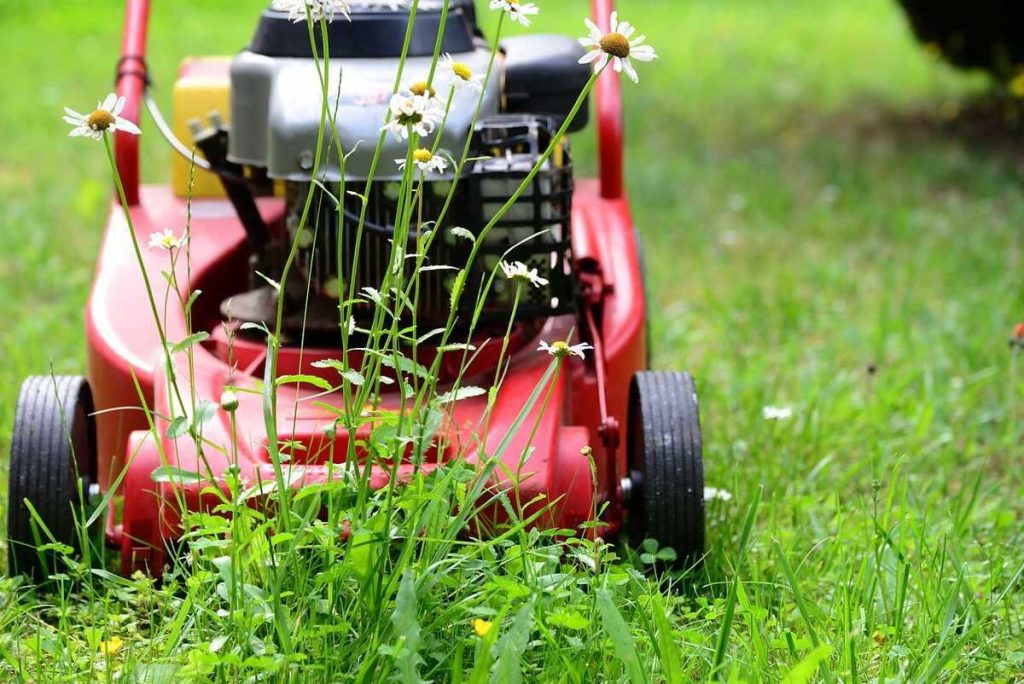
Yes, mowing before fertilizing in summer is generally recommended. It helps the fertilizer reach the soil more effectively and promotes healthier grass growth. Mowing also removes excess clippings that can block nutrients from being absorbed properly by the turf.
If you want a lush, vibrant lawn during the summer, mowing before fertilizing is a smart move. Cutting the grass shortens it, making the nutrients from the fertilizer more accessible to the roots. Additionally, it helps prevent thatch buildup and ensures even distribution of the fertilizer. In this guide, we’ll explore why mowing first can boost your summer lawn care routine, along with tips for timing and technique, so you can enjoy a truly beautiful, green yard all season long.

Should You Mow Before Fertilizing in Summer?
Understanding the Connection Between Mowing and Fertilizing
Mowing and fertilizing are two essential lawn care tasks that work together to keep your grass healthy and vibrant. Knowing the right order of these tasks can make a big difference in how well your lawn responds to nutrients. When you mow, you remove the top layer of grass blades, which can help fertilizer reach the soil more effectively. Conversely, if you fertilize before mowing, the grass blades may block some of the nutrients from penetrating deep into the ground.
In the summer months, grass tends to grow faster due to longer daylight hours and warmer temperatures. This rapid growth means frequent mowing is necessary to keep your lawn neat. Fertilizing in summer supplies vital nutrients such as nitrogen, phosphorus, and potassium, promoting lush growth. Therefore, understanding whether to mow before or after fertilizing can influence how effectively these nutrients benefit your lawn.
Advantages of Mowing Before Fertilizing
Choosing to mow before fertilizing offers several benefits. First, mowing removes dead or uneven grass blades that could hinder fertilizer absorption. When the grass is shorter, the fertilizer can reach the soil surface more easily, increasing nutrient uptake.
Secondly, mowing helps to thin out dense patches, allowing the fertilizer to spread evenly across the lawn. Thinner grass ensures the nutrients are accessible to all areas, preventing some spots from becoming over-fertilized. Additionally, a freshly mowed lawn creates a clean surface for fertilizer application, especially if you use granular or liquid forms.
How Mowing Affects Fertilizer Effectiveness
The height of your grass plays a significant role in fertilizer absorption. Tall grass can shade the soil surface, preventing sunlight from aiding in nutrient activation. Mowing reduces this shade and exposes more soil to sunlight, which can help activate certain nutrients.
Moreover, long grass can hinder the even distribution of fertilizer. When grass blades are cut short, the fertilizer has a better chance to make contact with the soil. This contact is crucial for effective nutrient transfer, especially when using slow-release fertilizers that need close soil contact to work properly.
Shorter Grass and Nutrient Penetration
By mowing before fertilizing, you improve the chances of nutrients penetrating the soil effectively. Shorter grass allows fertilizers to reach the soil surface directly, ensuring nutrients are readily available to roots. This is particularly important during summer when grass needs nutrients quickly to sustain its growth.
Reducing Thatch and Bungal Layers
Thatch is a layer of dead grass and roots that can build up on the soil surface, preventing fertilizer from penetrating. Regular mowing helps break down thatch layers, which in turn enhances absorption when you fertilize. Combining mowing with fertilizing minimizes this barrier, leading to healthier, greener grass.
Timing Your Mow and Fertilize Routine in Summer
The best time to mow before fertilizing depends on your grass type and local climate conditions. Typically, a good rule is to mow at least one to two days before applying fertilizer. This gives your grass time to recover from mowing stress and ensures the surface is clean.
In hot, dry climates, avoiding fertilizing during the peak heat of the day prevents stress on the grass. Mow early in the morning or late in the afternoon, then wait until the grass has dried before fertilizing. This helps prevent fertilizer runoff and ensures maximum absorption.
Frequency of Mowing and Fertilizing in Summer
During summer, mow more frequently to keep the grass at an optimal height of about two and a half to three inches. This height promotes shade for the soil and conserves moisture. Fertilize every six to eight weeks during summer, depending on grass species and growth rate.
Always follow the manufacturer’s guidelines for fertilizer application to avoid overfeeding. Excess fertilizer can lead to burned grass and water runoff issues, especially during rainy periods.
Is It Better to Fertilize Before or After Mowing?
While some lawn care experts prefer fertilizing after mowing, recent studies show that mowing before fertilizing can be more effective. Mowing first ensures that the fertilizer reaches the soil without interference from high grass blades.
However, if your lawn is heavily overgrown, a light mow before fertilizing is advised to prevent uneven nutrient absorption. For lawns that are well-maintained, fertilizing after a short mow also works, especially if you want to avoid damage to freshly cut grass.
Special Considerations for Different Grass Types
Cool-season grasses like Kentucky bluegrass or fescue respond well to fertilization after mowing, as they prefer to be kept shorter during summer. Warm-season grasses like Bermuda or Zoysia benefit from mowing before fertilization because they grow rapidly and need frequent feeding.
Each grass type has its own optimal mowing height and fertilizing frequency, so understanding these preferences helps in planning your routine. Adjust your mowing and fertilizing schedule based on the specific grass, soil condition, and climate.
Additional Tips for Summer Lawn Care
Besides mowing and fertilizing, other factors influence summer lawn health. Water your lawn deeply early in the morning, avoiding watering during the heat of the day. Aerate the soil annually to improve nutrient entry and water retention.
Use organic fertilizers or slow-release options to provide consistent nutrients without overwhelming the grass. Regularly sharpen your mower blades to ensure clean cuts, which promote healthy growth and reduce stress.
| Task | Optimal Timing | Benefits |
|---|---|---|
| Mowing | One to two days before fertilizing | Prepares surface for better nutrient absorption, reduces thatch |
| Fertilizing | After mowing, when grass is dry | Maximizes nutrient uptake, prevents runoff |
Deciding whether to mow before fertilizing in summer depends largely on your lawn’s current condition and your goals. However, generally, mowing first tends to allow fertilizers to work more effectively by providing a clean, accessible surface. Proper timing and routine maintenance can lead to a healthier, greener lawn throughout the warmer months. By understanding your grass type, climate conditions, and fertilization needs, you can create a summer lawn care plan that keeps your yard lush and vibrant.
Can You Fertilize The Lawn in Summer and Not Burn It?
Frequently Asked Questions
How does mowing frequency affect the effectiveness of summer fertilization?
Regular mowing helps maintain a healthy grass height and prevents thatch buildup, which allows fertilizers to penetrate the soil more effectively. Keeping your lawn at the recommended height ensures that nutrients are readily absorbed, promoting even growth and a greener appearance during summer.
What are the benefits of mowing before applying summer fertilizer?
Mowing before fertilizing removes excess grass clippings and exposes the soil surface, making it easier for nutrients to reach the roots. It also stimulates grass to grow stronger and denser, which enhances its ability to absorb and utilize the nutrients from the fertilizer.
Is it better to mow deeply before fertilizing in the hot summer months?
It is generally better to cut the grass slightly shorter than usual before fertilizing in summer. This practice improves soil contact with the fertilizer and allows nutrients to reach the root zone more effectively. However, avoid cutting too short to prevent stress and damage to the lawn during high temperatures.
How should I prepare my lawn before summer fertilization for optimal results?
First, mow your lawn to a moderate height, removing any debris or clippings. Aerate the soil if necessary to improve nutrient uptake, and water the lawn thoroughly a day or two before fertilizing. These steps ensure that nutrients are efficiently absorbed, supporting strong growth amid summer heat.
Can mowing after fertilizing impact the results in summer?
Yes, mowing immediately after fertilizing can disturb the distribution of nutrients and may remove some of the fertilizer from the grass blades. It is best to wait at least a few days after applying fertilizer before mowing to allow the nutrients to settle in and be absorbed effectively.
Final Thoughts
Mowing before fertilizing in summer helps the nutrients reach the soil more effectively. Shorter grass allows for better absorption and minimizes fertilizer waste or runoff. This practice promotes healthier growth and a greener lawn.
If you mow first, you remove excess clippings that could block fertilizer contact. It also creates an even surface, ensuring uniform application. Therefore, mowing before fertilizing is generally the best approach.
Should you mow before fertilizing in summer? Yes, doing so enhances the efficiency of fertilization and supports a lush, healthy lawn. Keep your grass well-maintained to achieve optimal results.