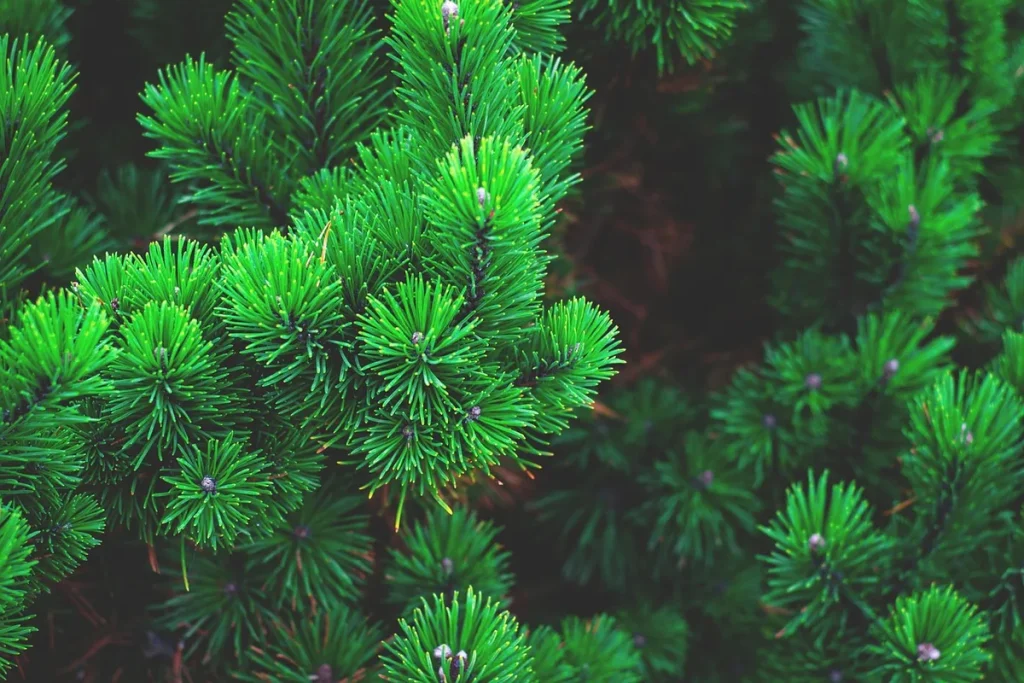
You've probably noticed them popping up everywhere this spring. Little clusters of thin green needles pushing through your mulch bed, wedged against the foundation, or scattered across the lawn. If you're wondering how to get rid of pine tree seedlings, the good news is that most of them come out easier than you'd expect.
The trick is matching the method to the size of the seedling and where it's actually growing.
A single mature pine tree can produce thousands of seeds per year, and those seeds travel surprisingly far on the wind. That's why the problem keeps coming back if you don't address the source. But before you grab the wrong tool or reach for chemicals you don't need, let's figure out exactly what you're dealing with.
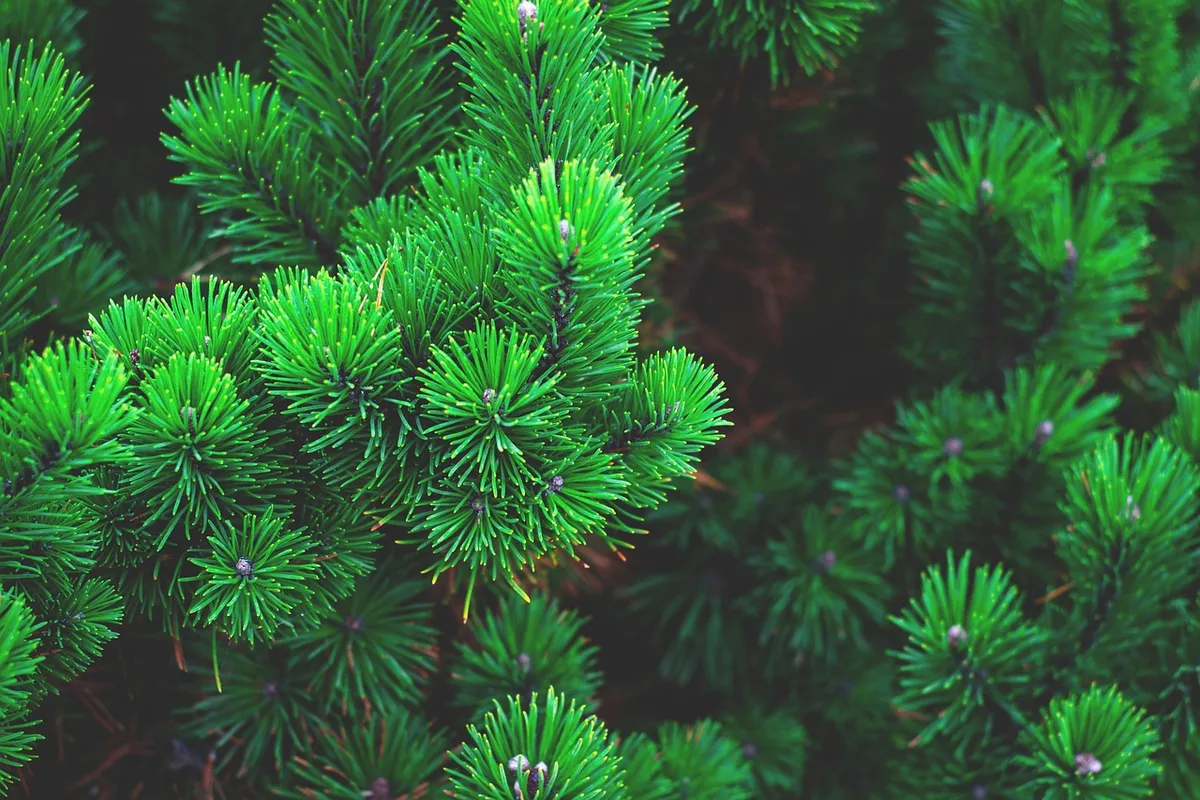
Image source: Pixabay / LUM3N (Pixabay Content License)
Quick Answer
Hand-pull small pine seedlings when the soil is moist. Use a weed wrench or shovel for anything over 12 inches. Apply triclopyr-based herbicide for stubborn or recurring growth.
Mulch beds with 3 to 4 inches of material to prevent seeds from reaching the soil. Address the parent tree to stop the cycle long-term.
Why Pine Seedlings Keep Showing Up (And Why That's the Real Problem)
Here's what's actually happening under that mature pine in your yard. Those trees drop cones that open and release seeds, usually in fall. The seeds land everywhere.
Most don't survive. But the ones that hit bare soil or thin mulch in spring? They germinate fast.
The reason you see so many in certain years comes down to "mast years." Pine trees in a given region often synchronize heavy seed production on cycles. One year you'll barely notice seedlings. The next year, they're everywhere.
Species like loblolly pine and eastern white pine are especially prolific. A single loblolly can drop over 3,000 seeds in a good year, and viability rates run 50 to 80 percent depending on conditions.
The real issue isn't the seedlings themselves. It's that the parent tree keeps supplying new ones every season. Removing the volunteers is the short-term fix.
Dealing with the seed source is the long-term solution. We'll get to both.
First, Identify What You're Dealing With
Is it actually a pine seedling?
Not every little green sprout in your yard is a pine. Oak seedlings, maple volunteers, and even sweetgum can look similar at first glance. The fastest way to confirm is counting the needles.
Pine seedlings grow needles in bundles called fascicles, and the number of needles per bundle tells you the species.
- Eastern white pine: 5 needles per fascicle
- Loblolly pine: 3 needles per fascicle
- Ponderosa pine: 3 needles per fascicle
- Scots pine: 2 needles per fascicle
- Slash pine: 2 to 3 needles per fascicle
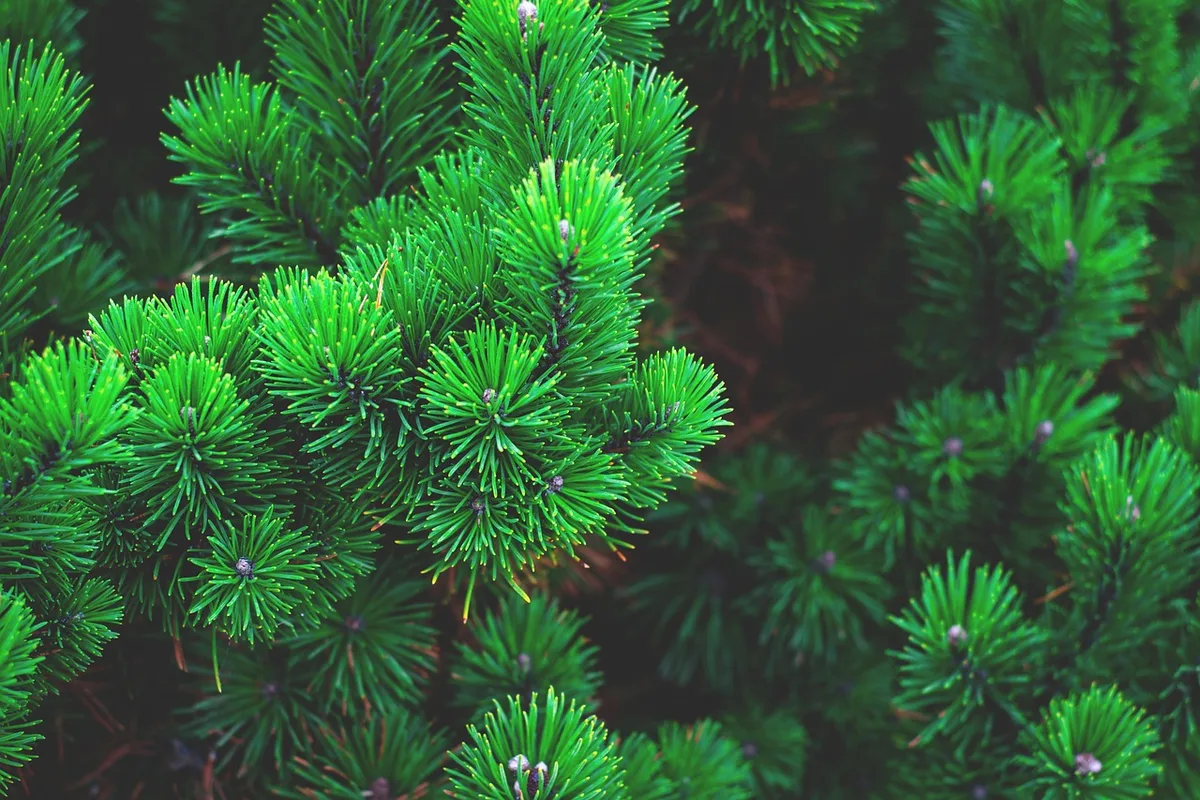
Image source: Pixabay / LUM3N (Pixabay Content License)
Grab a seedling and count the needles in one bundle. If you're seeing groups of 2, 3, or 5, you've got a pine. If the leaves are single and broad, it's something else entirely.
Getting this right matters because the removal approach and any herbicide choice depend on what species you're targeting.
How big is it, and why that changes everything
Size is the single biggest factor in which method works. Here's the breakdown that actually matters in practice.
| Seedling Size | Taproot Depth | Best Method | Difficulty |
|---|---|---|---|
| Under 6 inches | 2 to 4 inches | Hand-pull after rain | Easy |
| 6 to 12 inches | 4 to 8 inches | Hand-pull or hoe | Moderate |
| 12 to 24 inches | 8 to 14 inches | Weed wrench or shovel | Hard |
| Over 24 inches | 14+ inches | Weed wrench or herbicide | Very hard |
First-year seedlings under 6 inches are the sweet spot. Their taproots are shallow, the soil around them is loose, and most come out with a gentle tug if the ground is damp. Once they pass 12 inches, that taproot has started driving deep, and yanking by hand usually just snaps the stem at the soil line.
That leaves the root behind, and it'll resprout.
Where it's growing matters more than you think
A seedling in soft garden soil is a five-second job. That same seedling wedged in a crack next to your foundation or buried under 4 inches of wood mulch is a completely different problem. Location determines your tool choice, your approach, and whether you should even bother pulling versus treating.
- Mulch beds: Hand-pull or use a hoe. Mulch actually helps you here because the soil underneath stays loose.
- Lawn areas: Mow regularly or dig out with a spade. The dense grass roots make hand-pulling harder.
- Against foundations or in gutters: Pull immediately before roots cause drainage issues or crack mortar.
- Rock mulch or gravel: Shovel or mattock. You can't get a good grip on the stem, and the rocks hide the root collar.
- Large clusters under a parent tree: Herbicide treatment or systematic removal over a season. Pulling hundreds one by one rarely works because new ones keep emerging.
The Decision Tree: Which Removal Method Fits Your Situation
Seedlings under 6 inches in soft or wet soil
This is the easiest scenario. If you've had rain in the last day or two, walk out and start pulling. Grab the seedling at the base, right at the soil line.
Pull straight up with steady pressure. The whole root should come out in one piece. If the ground is dry, water the area thoroughly and come back the next morning.
That one step makes a bigger difference than any tool you could buy.
Seedlings under 6 inches in dry or compacted soil
Dry clay or compacted soil changes the game. The root grips tight, and the stem snaps before the root lets go. Don't fight it.
Use a garden hoe or a narrow trowel. Loosen the soil in a circle about 3 inches around the stem. Then grip low and pull while rocking gently.
You'll get the full root this time.
Seedlings 6 to 12 inches with a visible taproot
At this size, the taproot is established but still manageable. A weed wrench or a long-handled garden fork gives you the leverage you need. Position the jaws or tines at the base.
Apply steady upward pressure. If the stem is too thick for your grip, wrap it with a rag for better purchase. The goal is getting that taproot out intact.
Any fragment left behind can resprout.
Seedlings over 12 inches or with a woody stem
Once the stem starts turning woody, hand-pulling is mostly a waste of time. You'll break it every time. This is where a weed wrench earns its keep.
It clamps onto the stem and uses leverage to lift the root ball out of the ground. For anything over 2 feet tall, you're better off cutting the stem to the ground and applying a triclopyr-based herbicide to the fresh cut. That kills the root system without you wrestling with a shovel for twenty minutes.
Large clusters or recurring infestations
If you're finding dozens or hundreds of seedlings every season, pulling them one by one isn't sustainable. Your options shift to either targeted herbicide application or preventive measures. Cut the seedlings back, treat the stumps with a concentrated triclopyr product, and then focus on the parent tree.
Clean up fallen cones. Thin the canopy to reduce seed production. In some cases, consulting with a certified arborist about the tree itself makes more sense than fighting the seedlings forever.
How to Actually Pull Them (Without Breaking Them)
Water first. This is the step most people skip.
Seriously. This one thing separates the people who get the whole root from the people who fight with snapped stems all afternoon. Water the area slowly and deeply the evening before you plan to pull.
Let it soak in overnight. By morning, the soil will have released its grip on the roots, and extraction becomes almost effortless. University cooperative extension services consistently recommend this approach for any hand-pulling of woody seedlings.
The grip-and-pull technique that works
Grab the seedling as low as possible. Right at the soil line, or even slightly below if you can. Close your hand firmly around the stem.
Pull straight up. Not sideways, not at an angle. Straight up.
Use steady pressure rather than a quick jerk. A jerk snaps the stem. Steady pressure coaxes the root out.
If the seedling resists, don't pull harder. Stop. Loosen the soil around it with your other hand or a small tool.
Then try again. You'll feel the moment the root releases. It's a subtle pop, and then the whole thing slides out clean.
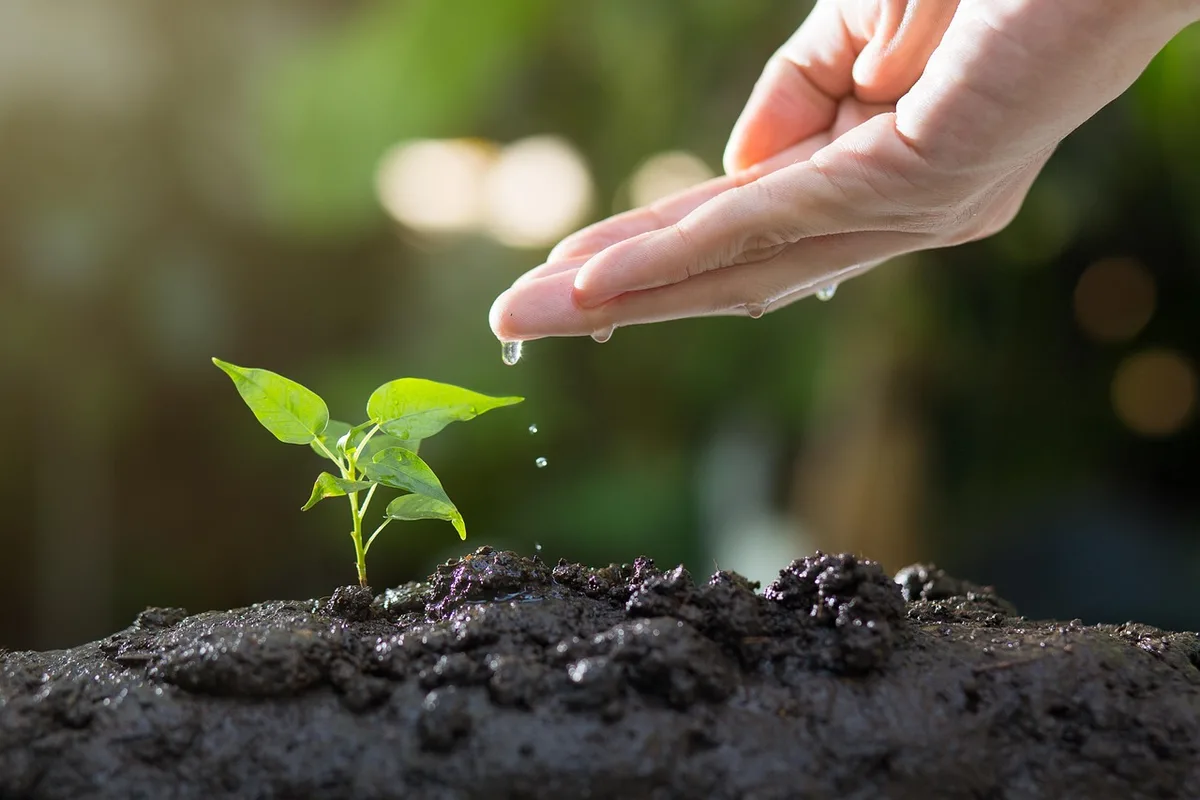
Image source: Pixabay / thophilong (Pixabay Content License)
When to use a tool instead of your hands
You need a tool when the stem is too thick to grip firmly, when the soil is too compacted for hand-pulling, or when the seedling is over about 10 inches tall. A garden hoe works for loosening soil. A narrow spade lets you dig around the taproot.
A weed wrench handles anything with a stem up to about 1.5 to 2 inches in diameter. Match the tool to the job, and you'll save yourself a lot of frustration.
What to do when the stem snaps and the root stays behind
It happens. You grabbed too high, pulled too hard, or the stem was just tougher than expected. Don't leave the root in the ground.
It will almost certainly resprout. Use a trowel or shovel to dig around where the stem broke. Follow the remaining stem down to the root collar, the slight swelling where the stem meets the root.
Grab below that point and pull. If you can't find it, dig a small hole directly below the break and expose the root that way.
Tools That Make This Easier (And When Each One Earns Its Keep)
Hand tools for small-scale removal
A basic garden hoe handles most seedlings under 8 inches in garden beds. The thin blade slices through soil and severs the root just below the surface. A narrow trowel works in tight spots like between pavers or along a foundation.
Pruning shears are useful for clipping stems that are too thick to pull but not quite woody enough for a weed wrench. These tools cover 80 percent of situations most homeowners face.
Weed wrenches and uprooting tools
A weed wrench clamps onto the stem and uses a lever arm to lift the root ball out intact. Manufacturer specs for standard models indicate they handle stems up to about 1.5 to 2 inches in diameter. That covers most pine seedlings in their second year of growth.
The mechanical advantage means you're not relying on grip strength alone. You're letting the tool do the work.
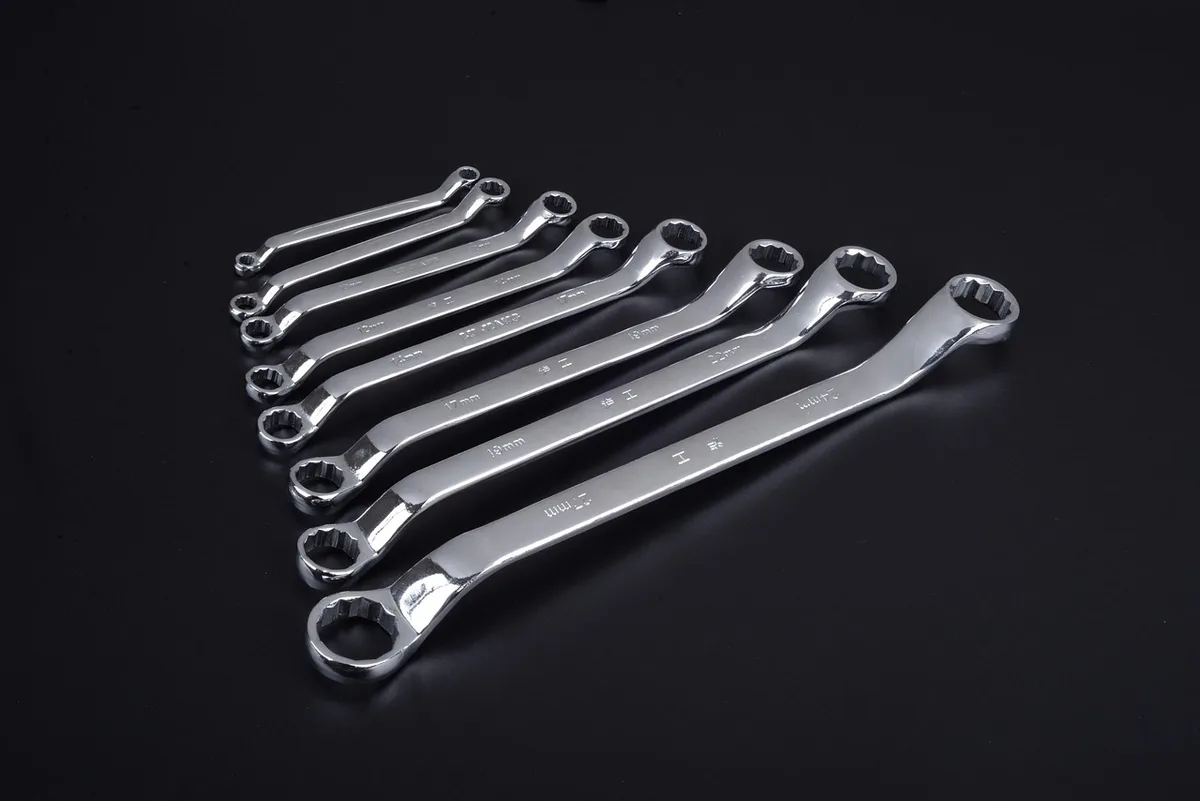
Image source: Pixabay / L-hao (Pixabay Content License)
The downside is that weed wrenches need clearance around the stem. If the seedling is growing in a dense cluster or tucked against a wall, the jaws may not fit. In those cases, a long-handled garden fork positioned a few inches from the stem gives you similar leverage with less clearance needed.
When a shovel is the right call
For anything over 18 inches tall, a round-point shovel is often more practical than a weed wrench. Drive the blade into the ground about 6 inches from the stem at a slight angle. Push the handle back to loosen the root.
Repeat on the opposite side. Then grip the base of the stem and pull while levering the shovel handle. This method works well in clay or compacted soil where a weed wrench's jaws might slip on a smooth stem.
Herbicide Option: When Chemicals Make Sense (And When They Don't)
Triclopyr vs. glyphosate for pine seedlings
Triclopyr is the more targeted choice for conifer seedlings. It's a woody-plant herbicide that pines are highly sensitive to. Glyphosate works on pine seedlings too, but it's non-selective and will kill any plant it contacts.
For spot treatment near desirable plants, triclopyr gives you a wider margin of safety if you're careful with application.
The most effective method for established seedlings is the cut-stump approach. Cut the stem cleanly at ground level. Apply a concentrated triclopyr product to the fresh cut with a small brush or sponge.
The plant pulls the chemical down into the root system as it dies. This method minimizes drift and keeps the chemical off surrounding plants.
How to apply without killing everything around them
Use a small foam paintbrush or a sponge applicator instead of a sprayer. Apply the herbicide only to the freshly cut stem. Do this on a calm day with no rain forecast for at least 24 hours.
Wear chemical-resistant gloves and eye protection. Keep a piece of cardboard handy to shield nearby plants if you're working in a crowded bed.
Never apply herbicide to uncut stems on pine seedlings. The waxy needle coating prevents adequate absorption. The cut-stump method bypasses that barrier entirely and delivers the chemical directly to the vascular system.
What herbicides won't fix
Chemicals don't prevent new seeds from germinating. If you treat existing seedlings but leave the parent tree dropping thousands of seeds every fall, you'll be back to square one next spring. Herbicide is a reactive tool, not a preventive one.
It's best used as part of a combined approach: treat the current volunteers, then put preventive measures in place.
How to Stop Them From Coming Back
Mulch as a seed barrier
Pine seeds need direct contact with bare soil to germinate. A 3- to 4-inch layer of wood mulch, pine straw, or bark nuggets blocks most seeds from reaching the ground. This is the single most effective preventive measure for landscape beds.
Refresh the layer annually in early spring before seed drop begins. If you're already seeing seedlings in an existing mulch bed, the layer has probably thinned out and needs topping up.
Mowing strategies that actually work
Regular mowing prevents pine seedlings from establishing in lawn areas. Mow at the recommended height for your grass type and don't let seedlings exceed one to two mowing cycles before cutting them. Repeated top removal exhausts the root's energy reserves.
Most pine seedlings in lawns die off after three to four consecutive mowings without being able to regrow enough foliage to sustain the root.
Dealing with the parent tree, the real source
If a mature pine is dropping seeds into your yard every year, you have three options. First, clean up fallen cones in late fall before they release seeds. This reduces the local seed load significantly.
Second, thin the tree's canopy by 20 to 30 percent, which reduces seed production without harming the tree. Third, consult a certified arborist about whether removal or replacement makes sense for your property. A professional assessment from an ISA-certified arborist gives you a clear picture of your options.
Pre-emergent herbicides: timing and limitations
Pre-emergent products containing pendimethalin or dithiopyr can prevent pine seed germination if applied in early spring before soil temperatures reach about 55 degrees Fahrenheit. The window is narrow. Apply too early and the product degrades before seeds germinate.
Apply too late and it's ineffective. These products work best in beds where you've already cleared existing seedlings and want to hold the line for a season.
Common Mistakes That Make the Problem Worse
Pulling dry seedlings is the most common error. You snap the stem, leave the root, and end up with a resprout in two weeks. Always water first.
Always.
Using glyphosate as a broadcast spray near a pine tree you want to keep is another frequent misstep. Pines absorb glyphosate through their needles and root systems. Drift from a sprayer can damage or kill the parent tree you were trying to protect.
Ignoring the taproot is the third big mistake. Even if you get most of it, a 2-inch fragment left in the ground can produce a new shoot. Take the extra 30 seconds to dig around and confirm you've got the full root.
It saves you from doing the same job again next month.
Costs, Timing, and What to Expect
Hand-pulling costs nothing but your time. A weed wrench runs about 30 to 60 dollars depending on the model. Triclopyr products typically cost 15 to 25 dollars for a bottle that treats dozens of cut stumps.
Pre-emergent herbicides run about 20 to 40 dollars per bag for lawn-level coverage.
The best time for hand-pulling is early spring and fall when soil is naturally moist. Avoid mid-summer when dry soil makes extraction difficult. Herbicide cut-stump treatments work best in late summer and fall when plants are actively translocating nutrients to their roots.
When to Call a Professional
If the parent tree is large and producing overwhelming seed volumes, an ISA-certified arborist can assess thinning or removal options. For large-scale infestations across acreage, a licensed landscape contractor with herbicide application credentials handles the job more efficiently than DIY efforts.
Frequently Asked Questions
Do pine seedlings grow back if you just mow them?
Yes, initially. Repeated mowing exhausts the root over three to five cycles. But a single mowing does nothing permanent.
Will vinegar kill pine seedlings?
Household vinegar is not concentrated enough to kill established pine seedlings. It may burn the top growth but won't kill the root system.
How deep do pine seedling roots go in the first year?
Typically 2 to 6 inches for first-year seedlings. Taproots grow deeper in loose, sandy soil and stay shallower in clay.
Is it better to pull pine seedlings or use herbicide?
Pulling is better for small seedlings in moist soil. Herbicide makes sense for larger woody seedlings or large clusters where manual removal isn't practical.
Can pine seedlings damage foundations or plumbing?
Yes, given enough time. Roots seek moisture and can exploit small cracks in mortar, gutter joints, and drain lines. Remove seedlings near structures promptly.