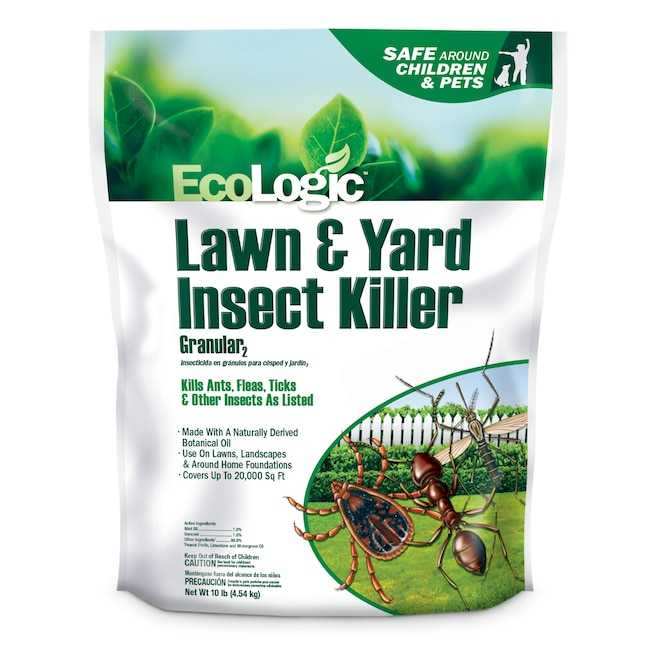
The safest lawn insect killer for pets is one that eliminates pests without risking your furry friends’ health. Products containing natural ingredients like neem oil or insecticidal soaps are generally considered pet-friendly options, but always check labels and use as directed. For complete peace of mind, consider organic methods and spot treatments over broad-spectrum chemicals.
When it comes to protecting your lawn from pesky insects while keeping your pets safe, choosing the right insect killer is crucial. Many traditional pesticides contain chemicals that can be harmful if ingested or contacted by dogs and cats. Thankfully, there are pet-safe alternatives on the market that effectively control insects without jeopardizing your pet’s health. These products often rely on natural ingredients, making them a better choice for households with animals. Understanding which options are safe and how to apply them properly can help you maintain a healthy yard and keep your pets stress-free. In this article, we’ll explore the best lawn insect killers that prioritize pet safety, so you can enjoy your outdoor space worry-free.

What Lawn Insect Killer is Safe for Pets
Understanding the Need for Pet-Safe Insect Killers
Many homeowners love spending time outside with their pets, but pests like ants, fleas, and ticks can spoil the fun. Regular insect killers often contain chemicals harmful to animals, so it’s vital to find options that protect your lawn and keep your pets safe. Choosing pet-friendly products ensures a healthy outdoor space for everyone.
Natural and Organic Insect Control Options
Natural solutions are becoming popular for pest control because they are safer for pets. These options often use ingredients derived from plants or minerals that insects dislike but pose little risk to animals. Examples include neem oil, diatomaceous earth, and essential oils like citronella and peppermint.
Neem Oil
Neem oil is a natural oil extracted from neem trees and effectively repels many insects including ants, fleas, and ticks. It’s safe for pets when used as directed and degrades quickly in the environment. Apply neem oil with a spray to affected areas, avoiding direct contact with your pet’s skin or eyes.
Diatomaceous Earth
Made from crushed fossilized algae, diatomaceous earth damages insect exoskeletons and dehydrates them. It is safe for pets when used dry and properly applied. Spread a thin layer around the perimeter of your yard and in areas where pests are prevalent.
Essential Oils
Certain essential oils can deter insects naturally. For example, citronella, peppermint, and eucalyptus oils are popular choices. Always dilute essential oils before spraying and avoid applying directly on your pets to prevent skin irritation or ingestion.
Commercial Pet-Safe Insect Killers
Several commercially available products are formulated specifically for pet safety. These products undergo rigorous testing to ensure they are non-toxic to animals when used as directed.
Look for Products With Low Toxicity Ratings
Choose insect control products labeled as pet-safe or non-toxic. Read the label carefully for instructions and safety precautions. Products with natural or botanical ingredients generally pose less risk to pets.
Examples of Pet-Safe Insect Killers
- EcoSMART Organic Insect Control
- Wondercide Indoor Pest Control
- Garden Safe Neem Oil Extract
- Bayer Advanced 700740A Tree & Shrub Insect Care
Always follow manufacturer instructions to ensure safety and effectiveness.
Proper Application Techniques for Pet Safety
Applying insect killers correctly is essential for protecting your pets. Always keep pets away from treated areas until the product has dried or settled, as per instructions.
Timing of Application
Apply insecticides early in the morning or late in the evening when pets are less active outside. Allow the product to dry completely before allowing pets back onto the lawn.
Application Methods
Use a sprayer or spreader for even coverage. Avoid oversaturating areas and focus on pest-prone zones like flower beds and shrubbery. Always wear protective gear when applying chemicals.
Cleaning and Maintenance
Clean your tools thoroughly after application. Store insecticides out of reach of pets, ideally in a locked cabinet. Regularly inspect your yard for pest activity and reapply as needed, always following safety guidelines.
Additional Tips for a Pet-Safe Lawn
Creating a safe outdoor environment involves more than just using pet-friendly insect killers. Consider these tips to minimize risks.
Maintain a Clean Yard
Remove debris, fallen leaves, and standing water that attract pests. Regular mowing helps reduce pest habitats.
Encourage Natural Pest Predators
Supporting beneficial insects like ladybugs and praying mantises can naturally control pest populations. Plant native flowers that attract these helpful insects.
Use Physical Barriers
Install fencing or barriers around garden beds to prevent pets from digging into treated areas. Use mulch or gravel to create a pest barrier around the yard.
Monitoring and Regular Checks
Keep an eye on your pets and yard for signs of pests or adverse reactions. Watch for itching, redness, or unusual behavior in your pets after treatment.
Signs of Pesticide Exposure in Pets
Look for symptoms such as drooling, vomiting, or lethargy. If you observe any of these, contact your veterinarian immediately.
Routine Pest Inspections
Regularly inspect your lawn and pets for pests like fleas and ticks. Early detection makes treatment easier and safer.
Choosing a lawn insect killer that is safe for pets involves understanding natural options, selecting appropriate commercial products, and applying them correctly. Focus on environmentally friendly ingredients like neem oil and diatomaceous earth, and always follow safety instructions to keep your pets happy and healthy. Maintaining a clean yard and monitoring pest activity can minimize pesticide use and make outdoor spaces safer for everyone.
Pet-Safe Organic Lawn Insecticide | Natural Bug Control for a Healthy Yard
Frequently Asked Questions
What ingredients should I look for in a lawn insect killer to ensure it is safe for pets?
Choose lawn insect killers that contain natural or organic ingredients such as neem oil, insecticidal soap, or diatomaceous earth. These ingredients are less toxic to pets and can effectively control insects without posing significant health risks. Always check product labels to verify that the formulation is safe for use around animals.
Are there specific brands known for pet-friendly lawn insect control?
Some brands prioritize pet safety by offering insect control products formulated with non-toxic ingredients. Examples include EcoSMART, Garden Safe, and Bonide. These brands produce solutions that are effective against pests while being generally safe for pets when used according to instructions.
How should I apply pet-safe insect killers to minimize risks to my pets?
Apply insect killers when your pets are not in the yard, preferably early morning or late evening. Ensure the treated area is completely dry before allowing pets back onto the lawn. Follow the manufacturer’s instructions carefully to avoid over-application, which could increase potential risks.
Can I use natural remedies to control lawn insects if I have pets?
Yes, many natural remedies, such as neem oil or beneficial nematodes, can help manage lawn insects safely around pets. These methods usually pose less risk compared to chemical pesticides, but always follow the specific application guidelines to ensure safety for both your pets and your lawn.
What precautions should I take after applying a pet-safe insect killer?
Keep pets off the lawn until the product dries completely, and avoid watering the area immediately after application unless specified otherwise. Store any leftover products out of your pets’ reach, and observe your pets for any signs of adverse reactions during the days following treatment.
Final Thoughts
A safe lawn insect killer for pets prioritizes non-toxic ingredients like neem oil or insecticidal soaps. These options effectively control pests without posing risks to animals. Always read labels carefully and follow application instructions to ensure safety.
Using pet-friendly products provides peace of mind during lawn treatments. Remember, the key is to select a lawn insect killer that is safe for pets, which ensures your yard remains a healthy environment for all.