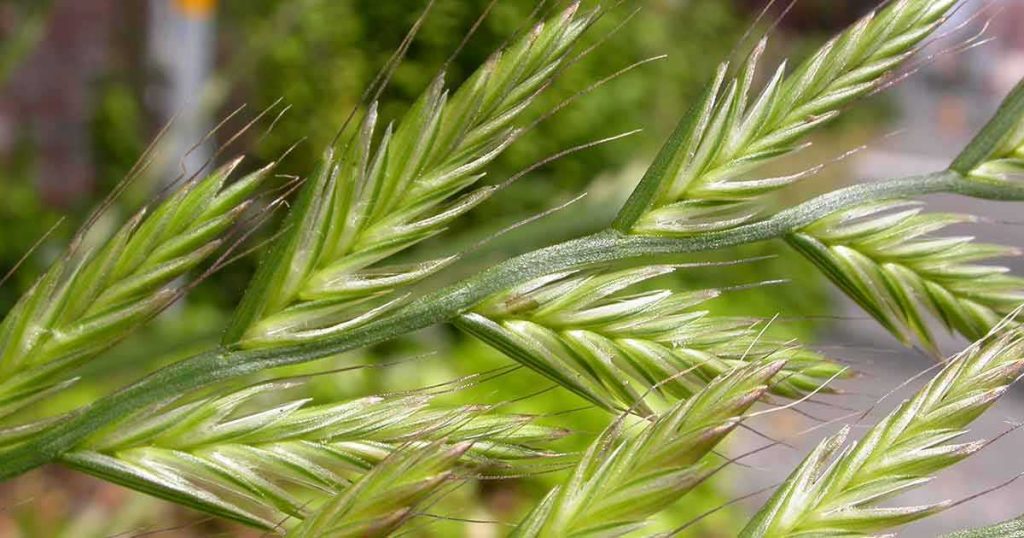
Yes, annual ryegrass does spread, primarily through seed dispersal. It can quickly take over a lawn or field if not managed properly, thanks to its vigorous growth and ability to produce abundant seeds. This grass is known for its rapid germination and spreading, making it a popular choice for quick ground cover but also a challenge for controlling its spread.
Annual ryegrass spreads mainly by its seeds, which disperse easily and germinate rapidly when conditions are favorable. Once established, it can quickly fill in bare patches, making it an excellent choice for cover crops or overseeding. However, if you’re trying to prevent its spread in your garden or lawn, understanding its growth cycle and seed dispersal methods is crucial.
When considering whether annual ryegrass will spread in your yard, it’s important to understand its growth habits. This grass species is a fast-growing, cool-season annual, meaning it germinates in the fall or early spring, grows vigorously, and then dies off when warmer weather arrives. Its ability to produce high numbers of seeds that easily disperse makes it particularly prone to spreading across different areas. If you’re looking for a lush, quickly establishing ground cover, annual ryegrass can be beneficial, but keep in mind that once it takes hold, it can be challenging to control and prevent from spreading beyond your desired area. Proper management and timely removal are key to keeping this grass in check if necessary.

Does Annual Ryegrass Spread? An In-Depth Look at Its Growth and Propagation
Understanding How Annual Ryegrass Grows
Annual ryegrass is a popular cool-season grass often used for pasture, erosion control, and overseeding. It is known for its rapid germination and quick growth, making it an attractive choice for many landowners. The plant completes its life cycle within a year, sprouting in the fall or early winter and dying back in late spring or early summer.
This grass produces a dense turf that can quickly cover bare soil. Its ability to establish fast means it can take advantage of available space efficiently. The growth habit of annual ryegrass involves initial seed germination, followed by vigorous seedling development, and finally, flowering and seed production. Each stage plays a role in how the grass spreads across an area.
Primary Methods of Annual Ryegrass Spread
Annual ryegrass primarily spreads through seed dispersal. When mature, the grass produces seeds that fall to the ground or are dispersed by wind, water, or animals. These seeds are crucial in establishing new plants in different locations.
In some cases, the grass can also spread through tillering—where new shoots emerge from the base of existing plants. However, this form of vegetative spread is less significant compared to seed dispersal for annual ryegrass. Seed dispersal allows it to quickly colonize open spaces, especially in disturbed areas.
Does Annual Ryegrass Spread Naturally?
Yes, annual ryegrass can spread naturally, especially after seed production. Seeds fall to the ground and can be transported by various means, including wind, animals, or water runoff. Once seeds find suitable soil conditions, they germinate and grow into new plants.
The natural spread is usually rapid under favorable weather conditions. Cool, moist environments tend to support faster seed germination and growth. This ability to self-propagate allows annual ryegrass to establish extensive patches without human intervention.
Factors Influencing the Spread of Annual Ryegrass
Several factors affect how quickly and extensively annual ryegrass spreads. These include:
- Climate: Cooler temperatures and adequate moisture promote growth and seed production.
- Soil Conditions: Well-drained, fertile soils support rapid germination and seedling development.
- Seeding Rate: Higher seeding rates increase the density and spread potential of the grass.
- Management Practices: Mowing, grazing, and herbicide use can influence seed production and dispersal.
Understanding these factors helps in managing its spread effectively, whether aiming to promote coverage or prevent unwanted invasion.
How Far Can Annual Ryegrass Seeds Spread?
The distance annual ryegrass seeds can travel depends on environmental conditions and seed dispersal mechanisms. Typically, seeds fall within a few feet of the parent plant. However, wind can carry lightweight seeds much farther, sometimes up to several hundred feet.
Water runoff can also facilitate seed movement across slopes or into neighboring areas. Animals, such as birds or livestock, may carry seeds attached to their fur or ingested and later excreted elsewhere. These methods contribute to the grass’s ability to establish in new locations over time.
Managing the Spread of Annual Ryegrass
Controlling its spread is vital in areas where annual ryegrass is considered invasive or undesirable. Strategies include:
- Seeding Control: Removing mature seeds before dispersal prevents further propagation. This can be done by mowing or tilling.
- Herbicide Applications: Use of specific herbicides can reduce seed production and kill existing plants.
- Physical Barriers: Installing barriers around desired areas can limit seed movement by animals or machinery.
- Soil Management: Adjusting soil disturbance and maintaining healthy native vegetation can reduce favorable conditions for annual ryegrass.
Monitoring and early intervention are key in preventing unwanted spread and maintaining control over existing patches.
Comparison Between Annual and Perennial Ryegrass Spread
While annual ryegrass relies on seed dispersal for spreading, perennial ryegrass can also propagate through its extensive root system. Perennials tend to spread more slowly but establish long-lasting patches. In contrast, annuals like ryegrass depend heavily on seed production each year to expand.
Understanding this difference helps land managers decide which type of grass to plant based on their goals for coverage, control, and maintenance.
Related Topics: Alternatives and Coexistence
In areas where annual ryegrass spread is a concern, other grasses or ground covers might be suitable. Options include native grasses or species with less aggressive seed dispersal.
Coexistence strategies involve managing annual ryegrass while promoting native vegetation. Proper grazing, seeding native plants, and maintaining soil health can reduce the dominance of ryegrass and support biodiversity.
Summary of Key Points About Does Annual Ryegrass Spread
– Annual ryegrass spreads primarily through seed dispersal, which can happen via wind, water, or animals.
– Its seeds typically fall close to the parent plant, but wind can carry them over longer distances.
– Growth factors like climate, soil, and management practices influence how fast and how far it spreads.
– Preventing unwanted spread involves seed control, herbicide use, and physical barriers.
– Differentiating between annual and perennial grasses helps in understanding their spread mechanisms.
– Managing its spread requires a combination of approaches tailored to specific landscape goals.
By understanding the ways annual ryegrass propagates, landowners can better control its growth or promote it as needed. Whether planting for pasture or managing invasiveness, knowing how it spreads helps in making informed decisions.
Perennial Ryegrass Pros and Cons
Frequently Asked Questions
How does annual ryegrass spread in a lawn or field?
Annual ryegrass primarily spreads through its seeds. Once mature, the grass produces seed heads that disperse seeds into the surrounding soil. These seeds can fall directly beneath the parent plant or be carried by wind, animals, or equipment to new locations, allowing the grass to establish in different areas.
Can annual ryegrass seed be dispersed over long distances?
Yes, annual ryegrass seeds can travel over considerable distances when carried by wind or contaminated equipment. This natural dispersal facilitates its spread across fields and lawns, especially in areas with frequent wind or when seed spread is aided by human activity.
Does annual ryegrass tend to invade neighboring areas rapidly?
What factors influence the spread of annual ryegrass?
Several factors affect how quickly and extensively annual ryegrass spreads, including soil disturbance, seed availability, temperature, and moisture levels. Warm, moist conditions promote germination, while disturbances expose more soil surface for seed settlement, aiding its expansion.
How can I prevent the unwanted spread of annual ryegrass in my landscape?
To minimize spread, avoid disturbing soil during the seed production season, clean equipment thoroughly after use, and manage existing patches promptly. Maintaining healthy, dense turf can also reduce bare spots where seeds could establish, limiting its expansion.
Final Thoughts
Annual ryegrass generally spreads through its seeds. It produces many seeds that fall near the plant or are dispersed by wind and animals. This seed dispersal allows it to establish in new areas quickly. Proper management can help control its spread effectively.
In conclusion, does annual ryegrass spread? Yes, it does spread through seed dispersal. Understanding its spreading mechanism helps in managing its growth and preventing unwanted spread.