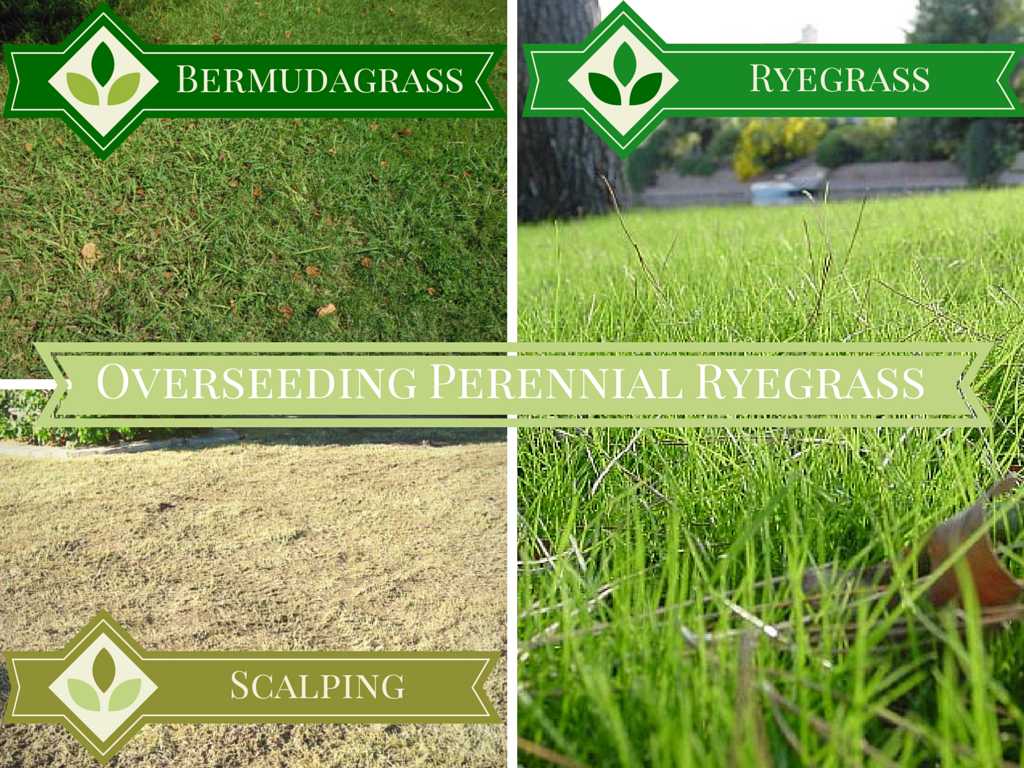
To successfully overseed ryegrass, start by preparing the existing turf thoroughly—mow it low, remove debris, and aerate if needed. Spread a quality ryegrass seed evenly over the area, then lightly rake to ensure good seed-to-soil contact. Water consistently to keep the soil moist and promote healthy germination. Within a few weeks, you’ll see new growth that will revitalize your lawn and improve its density.
Overseeding ryegrass is a straightforward process that revitalizes your lawn, making it lush and resilient. The key steps include preparing the area properly, choosing the right seed, and maintaining consistent moisture. This approach helps fill in bare patches, thicken the grass, and create a vibrant, healthy lawn for years to come.
Getting your lawn back to its lush, green glory might seem daunting, but overseeding ryegrass can be a game-changer. Whether your turf has thinned out over time or just needs a boost after winter, overseeding rejuvenates your grass, making it more resistant to diseases and drought. The process involves careful preparation—mowing, aerating, and clearing debris—followed by spreading fresh ryegrass seed and ensuring it stays moist as it germinates. With patience and proper care, you’ll enjoy a thicker, more vibrant lawn that’s perfect for outdoor activities and aesthetic appeal alike.

How to Overseed Ryegrass: A Complete Guide for a Lush Lawn
Overseeding ryegrass is a simple way to refresh your lawn and keep it green and healthy. It involves spreading new grass seed over an existing area to fill in bare spots and improve overall turf quality. By following the right steps, you can ensure successful overseeding and enjoy a vibrant yard year-round.
Understanding Ryegrass and Its Benefits
Ryegrass is a popular cool-season grass known for its fast germination and rich green color. It adapts well to different soil types and tolerates foot traffic, making it a great choice for lawns and sports fields. Overseeding ryegrass can improve drought resistance and reduce weeds by creating a dense turf cover.
When Is the Best Time to Overseed Ryegrass?
Timing Tips for Successful Overseeding
The optimal time to overseed ryegrass is during early fall or spring. Cooler temperatures support seed germination and root growth. Avoid overseeding during extreme summer heat or winter cold, as these conditions hinder seed establishment and growth.
Seasonal Considerations
In most regions, early September to late October is ideal for overseeding in the fall. For spring overseeding, aim for late March to early May. Always check your local climate and soil conditions before planning your overseeding schedule.
Preparing Your Lawn for Overseeding
Step 1: Mow Your Lawn
Begin by mowing your existing grass to a short height, about 1.5 to 2 inches. This allows seeds to reach the soil surface more easily and improves seed-to-soil contact. Remove any grass clippings after mowing.
Step 2: Raking and Dethatching
- Use a rake to remove thatch and debris from the lawn surface.
- This process exposes bare soil, making it easier for seeds to germinate.
- For thicker thatch layers, consider using a dethatching rake or machine.
Step 3: Aerating the Soil
If your soil is compacted, aerate the lawn using a core aerator. This creates small holes that improve water, nutrient, and air penetration, supporting seed growth.
Choosing the Right Ryegrass Seed
Types of Ryegrass
- Perennial Ryegrass: Known for durability and quick germination. Ideal for lawns and sports fields.
- Annual Ryegrass: Grows rapidly but dies within a year. Suitable for temporary coverage or overseeding in the winter.
Seed Quality and Size
Select high-quality seeds with good germination rates. Smaller seeds tend to distribute more evenly, ensuring better coverage. Check seed labels for purity and germination percentage.
Applying the Ryegrass Seed
Step 1: Seed Distribution
Use a broadcast spreader or seed spreader for even seed distribution. Apply half the seed in one direction and the remaining half perpendicular to ensure uniform coverage.
Step 2: Overseeding Rates
| Type of Ryegrass | Seeding Rate (per 1000 sq ft) |
|---|---|
| Perennial Ryegrass | 8 to 12 pounds |
| Annual Ryegrass | 12 to 15 pounds |
Step 3: Light Raking or Rolling
After spreading seeds, lightly rake the lawn to help seeds make good contact with soil. Alternatively, use a lawn roller to press seeds gently into the ground.
Watering and Care After Overseeding
Keeping Seeds Moist
Water the overseeded lawn gently but thoroughly immediately after planting. Keep the soil consistently moist—watering lightly two to three times daily during the first two weeks.
Monitoring and Adjusting Watering
- Reduce watering frequency as seeds germinate and young grass develops.
- Avoid overwatering, which can cause seed washout or disease.
Additional Tips for Healthy Ryegrass Growth
- Fertilize lightly with a balanced fertilizer after germination to boost growth.
- Control weeds early to prevent competition with new seedlings.
- Limit heavy foot traffic until the new grass is established.
Common Challenges and How to Overcome Them
Uneven Germination
Ensure proper seed distribution and good soil contact. Raking or rolling helps achieve uniform germination.
Poor Seedling Growth
Make sure watering is adequate and avoid harsh chemicals that could damage young roots. Soil testing can also identify nutrient deficiencies.
Weed Competition
Apply pre-emergent weed control before overseeding, but be cautious not to hinder seed germination. Regularly spot-treat weeds after seedlings grow.
Maintaining Your Overseeded Lawn
Ongoing Mowing
Once the ryegrass reaches about 3 inches tall, mow regularly to encourage healthy growth. Keep mower blades sharp to prevent tearing grass.
Fertilization Schedule
Feed your lawn with a nitrogen-rich fertilizer every 6 to 8 weeks during the growing season. This supports vigorous, dense turf development.
Watering Routine
Adjust watering as weather changes. Deep, infrequent watering encourages strong root growth, making your lawn more resilient.
Preventing Thatch and Disease
- Occasionally dethatch to remove excess organic matter.
- Watch for signs of disease and treat promptly with appropriate fungicides.
Additional Tips to Achieve a Perfect Ryegrass Lawn
- Combine overseeding with fertilization for optimal results.
- Keep lawnmower blades at a height of 2 to 3 inches for healthy turf.
- Manage foot traffic and pet activity during the initial growth period.
Related Topics
For best results, consider combining overseeding with other lawn care practices such as aeration, proper fertilization, and pest control. Regular lawn assessments help identify issues early and improve overall turf health.
By following these straightforward steps, you’ll be able to overseed your ryegrass effectively. This process ensures a lush, even, and resilient lawn that stays vibrant through seasons. With patience and proper care, your yard will look better than ever, inviting family and friends to enjoy the space.
How To Overseed Bermuda Grass With Perennial Ryegrass
Frequently Asked Questions
What steps should I take before overseeding my ryegrass lawn?
Prepare your lawn by mowing it to a shorter height than usual, removing any debris, weeds, and thatch. Aerate the soil if needed to improve air and water penetration. Rake the surface lightly to loosen the soil and create a good seed bed, which helps the new ryegrass establish quickly.
When is the best time to overseed ryegrass for optimal growth?
The ideal time to overseed ryegrass is during early fall or late spring when temperatures are mild and there’s adequate moisture. These conditions promote healthy germination and growth. Avoid overseeding during extreme heat or cold, as it can hinder seed establishment.
How can I ensure good seed-to-soil contact during overseeding?
Press the seeds into the soil using a roller or by walking over the area after broadcasting them. Alternatively, lightly raking over the seeds helps embed them into the soil, ensuring they make good contact which is essential for germination and strong growth.
What watering schedule should I follow after overseeding ryegrass?
Keep the soil consistently moist by watering lightly several times a day for the first couple of weeks. Once the seeds germinate and establish, gradually reduce frequency but increase watering depth to encourage deep root development. Avoid overwatering to prevent disease.
Are there specific fertilization practices I should follow after overseeding?
Apply a balanced, quick-acting fertilizer shortly after overseeding to provide essential nutrients for growth. Continue with regular fertilization according to your soil’s nutrient needs, but avoid applying heavy feeds immediately after seeding, as it may cause stress to new seedlings.
Final Thoughts
To overseed ryegrass successfully, prepare the soil by raking away debris and aerating it to improve seed contact. Choose high-quality seeds and spread them evenly across the area. Water lightly but frequently to keep the soil moist.
Consistent care allows the new ryegrass to establish quickly. Regular watering and mowing help maintain a healthy, dense turf.
In conclusion, understanding how to overseed ryegrass ensures a lush, resilient lawn. Focus on proper soil prep, seed distribution, and consistent watering to achieve the best results.