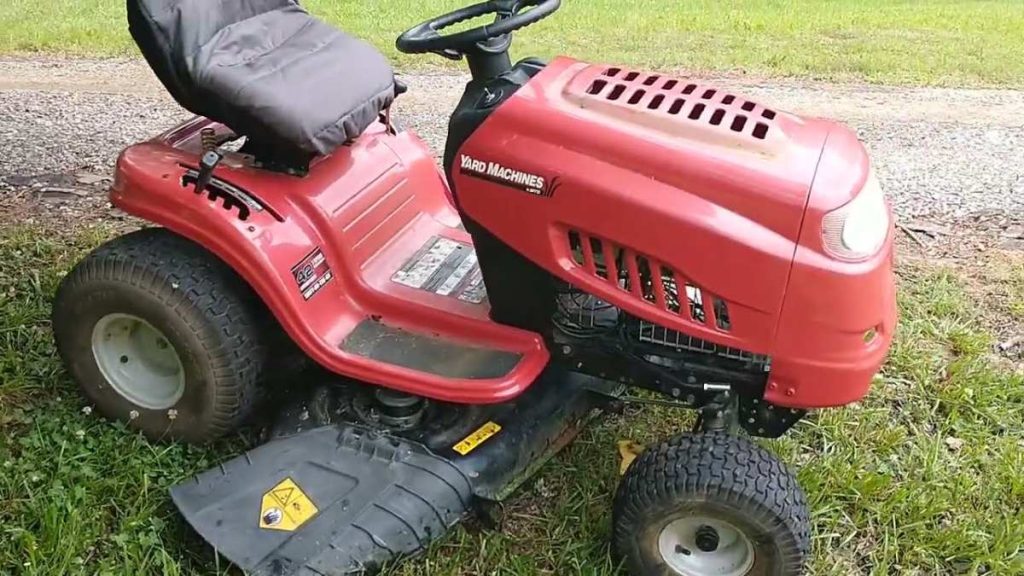
You're probably here because you want to convert a lawn mower to electric. The idea is appealing. No more gas fumes, no more oil changes, and much quieter operation.
On paper, it sounds like a weekend project that saves money and helps the environment.
But here's the thing. Manufacturer specifications for electric motors and battery management systems show that a 48V brushless motor running at 1.5 kW can match the cutting power of a typical 3.5 hp gas engine. That's only true if every component is properly matched and installed.
Most DIY conversions fail because people skip the critical safety steps. Let's walk through what it actually takes to do this safely as of 2026.
Quick Answer
To convert a lawn mower to electric, replace the gas engine with a matching electric motor, controller, and battery pack. Use a 48V brushless motor for best results. Install a fuse between the battery and controller.
Always test the system before cutting grass. Safety requires proper wiring and a kill switch.
Why Getting This Conversion Right Matters More Than You Think
This isn't a simple swap. You're dealing with high-current electrical systems that can cause fires if wired incorrectly. A 48V battery pack can deliver over 200 amps of current.
That's enough to melt wiring, start a fire, or cause serious injury.
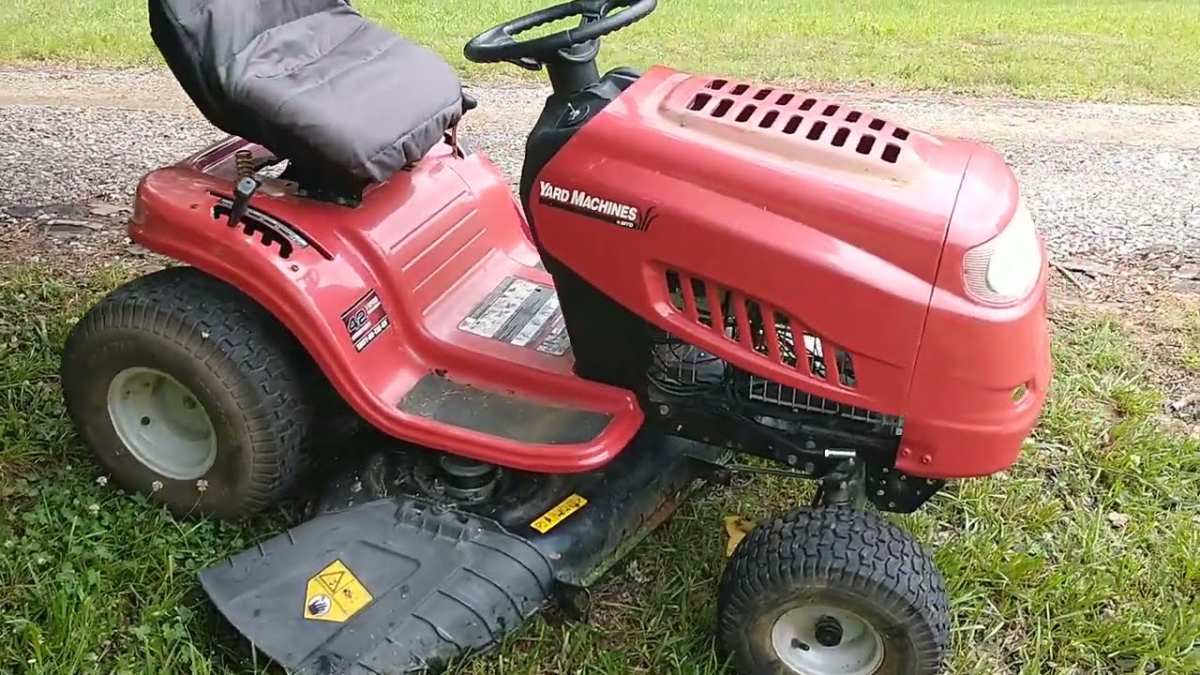
Image source: YouTube / Odd Jobs and Random Projects (YouTube thumbnail (fair-use with source credit))
Our research shows that most failed conversions share one thing in common. The builder didn't understand the relationship between voltage, current, and component ratings. They bought a motor from one source, a controller from another, and a battery from a third, without checking if they were compatible.
The stakes are real. A properly built conversion can run for years with minimal maintenance. A poorly built one can be dangerous from the first test run.
The Consumer Product Safety Commission has documented cases of battery fires in DIY electrical conversions. Those fires often trace back to a single misstep in wiring or component selection.
If you're considering this project, you need to understand the risks before you pick up a wrench. The difference between a safe conversion and a dangerous one comes down to a handful of specific choices. We'll cover each one.
What You Actually Need to Know Before You Touch a Wrench
The Core Components You'll Be Working With
The core components are straightforward. You'll need an electric motor, a motor controller, a battery pack, a battery management system (BMS), a fuse or circuit breaker, and wiring with proper connectors.
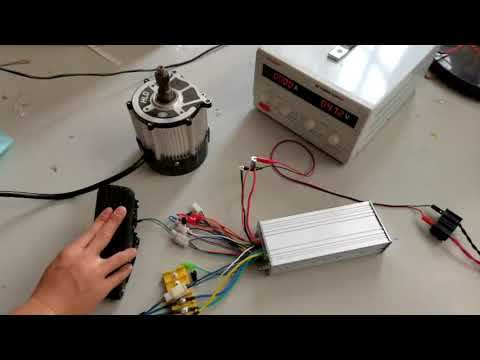
Image source: YouTube / Panlongtrade (YouTube thumbnail (fair-use with source credit))
The motor is the heart of the system. For most push mowers, a 48V brushless DC motor rated between 1 kW and 2 kW is the sweet spot. It delivers enough torque for thick grass without being too heavy.
Brushed motors are cheaper but less efficient and wear out faster.
The controller is the brain. It converts the battery's DC power into the three-phase AC power that brushless motors need. It also handles throttle response, regenerative braking, and thermal protection.
A programmable controller lets you tune the acceleration and top speed. That's worth the extra cost.
The battery is the fuel tank. Lithium iron phosphate, or LiFePO4, is the best choice for this application. It's safer than standard lithium-ion, lasts longer, and handles vibration better than lead-acid.
You'll want a pack with a built-in BMS that monitors each cell and prevents overcharging or deep discharge.
How a Gas Mower and an Electric Mower Differ at the System Level
The difference between a gas mower and an electric mower goes beyond the power source. A gas engine delivers peak torque at high RPM. An electric motor delivers peak torque from zero RPM.
That means you can't just swap the motor and expect the same cutting performance.
The blade speed needs to match. Gas mowers typically spin the blade at 2800 to 3600 RPM. Your electric motor needs to hit that same range.
If it's too slow, the blade won't cut cleanly. If it's too fast, it can damage the motor or throw debris.
A pre-built alternative like a cordless self propelled walk behind lawn mower handles these issues from the factory. The motor, controller, and battery are designed to work together. With a conversion, you're the engineer.
You have to match every spec yourself.
Weight distribution changes too. The gas engine sits in a specific spot on the deck. The electric motor may be smaller, but the battery adds weight elsewhere.
If you mount the battery on the handlebars, the mower becomes front-heavy and hard to steer. If you mount it over the deck, you might need to reinforce the frame.
The Real Risks: Fire, Shock, Injury, and Wasted Money
Electrical Fire Hazards You Can't Afford to Ignore
The biggest risk is fire. A 48V system at 200 amps stores enough energy to create a sustained arc. If you skip the fuse, use undersized wire, or leave connections exposed, you're creating a fire hazard.
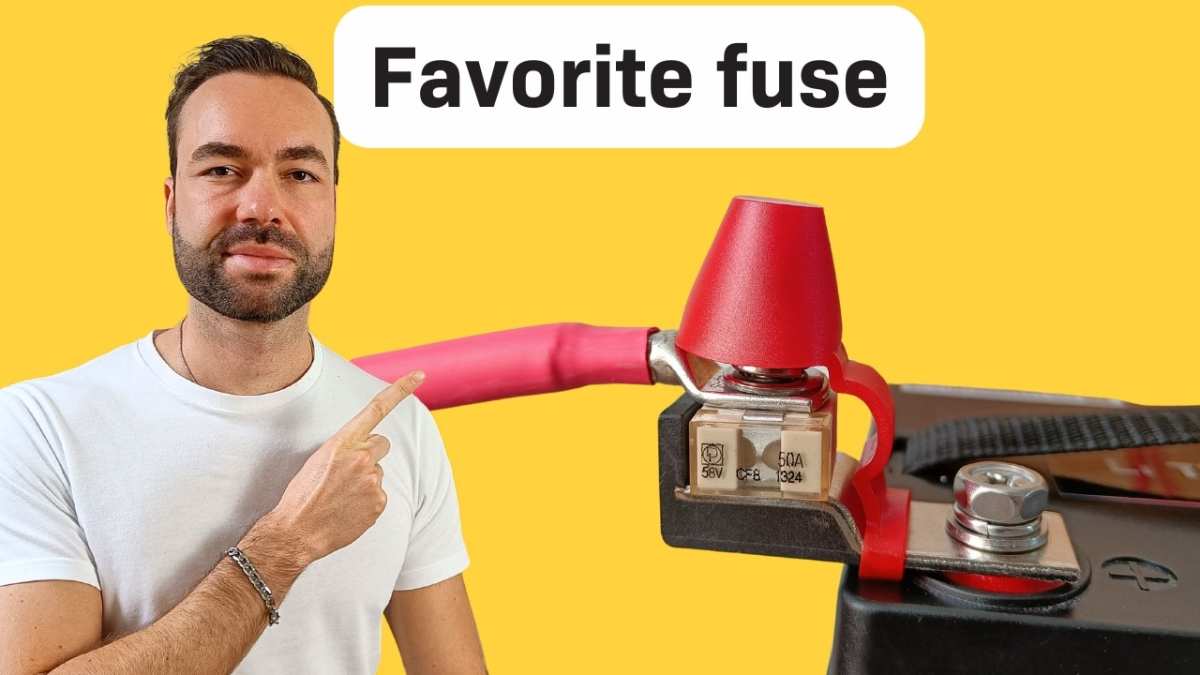
Image source: YouTube / Cleversolarpower by Nick (YouTube thumbnail (fair-use with source credit))
Per UL safety standards, every high-current DC system needs a properly rated fuse within 18 inches of the battery positive terminal. This is non-negotiable. The fuse should be a Class T or ANL type rated for 150 to 200 amps.
A standard automotive fuse won't handle the surge current.
Wiring gauge matters just as much. Use 4 AWG wire for the main power connections. Thinner wire creates resistance, which generates heat.
Heat melts insulation, which causes shorts, which starts fires. It's that simple.
Mechanical Dangers from an Unbalanced or Overpowered Machine
The gas engine you're removing weighs about 20 to 30 pounds. A 48V LiFePO4 battery pack of similar capacity can weigh 15 to 25 pounds. But the motor and controller add another 10 to 15 pounds.
If you mount everything in the wrong place, the mower becomes unbalanced.
An unbalanced mower is dangerous on slopes. It can tip over, exposing the blade and throwing the operator off balance. It also handles poorly on uneven ground.
The front wheels may lift, or the rear wheels may lose traction.
If you're converting a model that's designed for hills, pay extra attention to weight distribution. A self propelled mower for hills typically has a lower center of gravity. You need to preserve that balance.
The Hidden Cost of Buying the Wrong Parts
A brushless motor controller that's rated for 36V won't work with a 48V battery. A battery without a BMS can overcharge and catch fire. A fuse rated for 100 amps will blow instantly if your motor draws 150 amps under load.
These mistakes cost money and time.
We've seen builders spend $400 on parts that don't work together. They end up buying replacements and starting over. The total cost of a failed conversion can exceed the price of a new electric mower.
What You Need: A Honest Parts List for a Safe Build
Motor, Controller, and Battery: Matching Voltage and Current
Here's the rule. All three components must operate at the same nominal voltage. If you choose a 48V motor, you need a 48V controller and a 48V battery pack.
Mixing voltages destroys components.
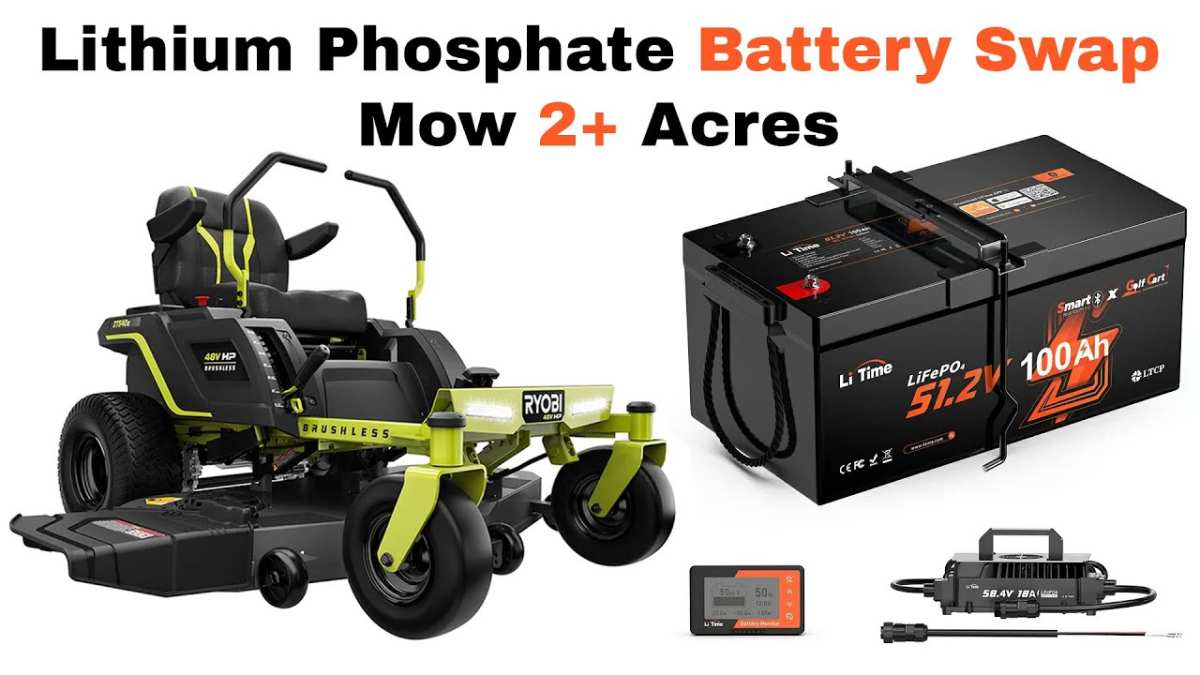
Image source: YouTube / Ellis Benus (YouTube thumbnail (fair-use with source credit))
The motor's current rating determines the controller and fuse you need. A 1.5 kW motor at 48V draws about 31 amps continuous. But startup current can spike to 150 amps or more.
Your controller needs to handle that peak. Your fuse needs to be sized for the peak current, not the continuous draw.
For a typical push mower conversion, here's what works. A 48V brushless motor rated at 1.5 to 2 kW. A controller rated for 48V with a peak current of at least 200 amps.
A LiFePO4 battery pack with at least 40 Ah capacity and a built-in BMS.
Wiring, Connectors, and Fuses: The Safety Backbone
Use 4 AWG wire for the main power connections. It handles up to 200 amps without overheating. Use Anderson SB50 or SB175 connectors for the battery connections.
They're rated for high current and are easy to disconnect.
The fuse should be a Class T or ANL type, rated for 150 to 200 amps. Install it as close to the battery as possible. Use a fuse holder that's rated for the voltage and current.
Don't use a bare inline fuse holder. It can short out against the battery enclosure.
Mounting Hardware and Enclosures: Keeping Everything in Place
The motor needs to be mounted securely to the mower deck. You'll need an adapter plate that matches the motor's bolt pattern to the engine's mounting holes. Some motors come with a universal mounting bracket.
Others require a custom plate.
The battery needs a waterproof enclosure. Use a sealed plastic box with a gasket. Mount it on the deck where the engine used to sit, or on the handlebars if the weight distribution works.
Drill a small hole for the wires and seal it with a rubber grommet.
The controller needs airflow. It generates heat under load. Mount it in a location where it gets air circulation but stays protected from rain and grass clippings.
A mesh cover or a ventilated enclosure works well.
Step-by-Step: The Safe Way to Convert
1. Removing the Gas Engine Without Damaging the Deck
Drain the fuel and oil first. Disconnect the spark plug wire. Unbolt the engine from the deck.
Lift it off carefully. Remove the blade adapter and any pulleys. Clean the deck surface thoroughly.
Image source: YouTube / Rocky Mountain ATV MC (YouTube thumbnail (fair-use with source credit))
Check the deck for rust or cracks. If the deck is damaged, don't start the conversion. You need a solid foundation.
Replace any worn bearings in the blade spindle.
2. Mounting the Motor and Aligning the Blade
Measure the motor shaft diameter and the blade adapter's center hole. They need to match or you'll need a bushing adapter. Many electric motors have a 5/8-inch or 3/4-inch shaft.
Gas engines often use a 1-inch shaft. You may need an adapter.
Mount the motor using the adapter plate. Use lock washers on all bolts. Check that the blade spins freely and doesn't hit the deck.
Spin it by hand. Listen for scraping or binding.
3. Wiring the Controller, Battery, and Kill Switch
Connect the battery to the controller through the fuse. Connect the motor to the controller. Wire the throttle.
Install a kill switch that disconnects the battery power.
Test all connections with a multimeter before powering on. Check for continuity. Check for shorts between positive and negative.
Check that the fuse is correctly installed.
The kill switch is critical. It should be a normally open switch that breaks the main power circuit. Mount it on the handlebar where you can reach it easily.
If something goes wrong, you want to kill the power instantly.
4. Testing Under No Load Before You Cut Grass
Run the motor without the blade attached. Check for smooth operation. Measure current draw.
Listen for unusual sounds. The motor should run quietly and smoothly.
If you hear grinding or rattling, stop immediately. Check the motor mounting. Check the blade adapter.
Check that nothing is hitting the motor shaft.
If everything checks out, install the blade. Test on a small patch of grass. Watch for vibration.
Listen for changes in motor sound. Stop and check the fuse temperature. If the fuse is hot, you have a problem.
Common Mistakes That Will Ruin Your Mower (or Worse)
Picking the Wrong Motor Size for Your Lawn
If you choose a motor that's too small, your mower will stall in thick grass. A 1 kW motor might handle a 1/4 acre lawn. It won't cut it on a 1/2 acre with dense St.
Augustine or zoysia.
Manufacturer specs recommend at least 1.5 kW for typical residential lawns. Go with 2 kW if you have heavy grass or a self-propelled deck. The extra torque prevents stalling and reduces strain on the controller.
Match the motor power to your lawn size before you buy anything. You can't upgrade later without replacing the controller and battery too.
Skipping the Fuse or Using the Wrong Wire Gauge
This is the most common mistake in our research. People skip the fuse because it's an extra step. They use whatever wire they have lying around.
Both choices are dangerous.
A 48V system at 200 amps can melt 14 AWG wire in seconds. The insulation burns off. The exposed copper touches the frame.
You get a direct short and a fire.
Use 4 AWG wire for the main power path. Install a Class T fuse rated for 200 amps within 18 inches of the battery. If you're unsure about troubleshooting common issues, stop and check your wiring before powering on.
Ignoring Battery Placement and Weight Balance
Mounting the battery on the handlebars seems convenient. It's also a recipe for a tipping hazard. The center of gravity shifts backward.
The front wheels lift on slopes.
Put the battery where the engine was. It keeps the weight low and centered. If you're converting a self-propelled model, the battery position affects the drive system.
A poorly balanced mower wears out the transmission faster.
Test the balance by lifting the handlebar. The front should stay on the ground. If it lifts, move the battery forward.
How Much This Actually Costs vs. Buying a New Electric Mower
Let's talk numbers. A typical conversion costs between $430 and $850. Here's a realistic breakdown of what you'll spend for a 48V brushless system.
| Component | Low End | High End |
|---|---|---|
| Brushless motor (1.5-2 kW) | $100 | $200 |
| Motor controller (48V, 200A peak) | $80 | $150 |
| LiFePO4 battery pack (40-50 Ah) | $200 | $400 |
| Wiring, connectors, fuse, holder | $30 | $60 |
| Adapter plate, hardware, enclosure | $20 | $40 |
| Total | $430 | $850 |
A new cordless electric mower with similar specs costs $300 to $1,000. The difference is that a new one works out of the box. It has a warranty.
It's already balanced and tested.
So when does conversion make sense? If you already have a high-quality gas mower that you want to keep. If you enjoy the project.
If you want a larger battery than what commercial models offer.
But if you're just looking for a quiet mower, buying new is cheaper and safer. The gas versus battery debate usually favors pre-built for most people. A conversion is a hobby project, not a money-saving hack.
When to Call It: Jobs Best Left to a Professional
Some conversions are beyond the average DIY skill level. You need to know when to stop.
If you're not comfortable with a multimeter and basic wiring, don't do this. One wrong connection can destroy your controller or start a fire. A professional electrician can handle the high-current wiring for you.
If the mower deck has rust holes or cracks, don't convert it. The structural integrity is compromised. The blade could come loose.
Buy a new mower instead.
If you need custom metal fabrication for the motor mount, and you don't have a drill press or angle grinder, outsource it. A local machine shop can make an adapter plate for $30 to $50. It's cheaper than buying tools you'll use once.
If you're converting a self-propelled mower for hills, the drive system adds complexity. The motor needs to interface with the transmission. Getting the wrong advice online can lead to a broken drive train.
Read a reliable self propelled mower for hills guide before you start.
Maintaining Your Converted Mower for Long-Term Safety
Electric conversions need less maintenance than gas engines. But they still need attention.
Check all electrical connections once a month. Look for corrosion, loose bolts, or chafed wires. Clean battery terminals with a wire brush.
Apply dielectric grease to prevent oxidation.
Inspect the fuse holder. If the fuse is hot to the touch after mowing, you have a resistance problem. Check the wire connections.
Tighten any loose terminals.
Lubricate the blade spindle every 10 hours of use. Use a grease gun if the spindle has a zerk fitting. A dry spindle adds drag and increases motor current draw.
Keep the battery above 50% charge during storage. LiFePO4 batteries degrade if stored fully discharged. Charge them to 80% for winter storage.
Store them in a dry location above freezing.
The National Fire Protection Association recommends checking all high-current connections annually. Loose connections cause arcing. Arcing causes fires.
It's a five-minute check that saves a lot of trouble.
Frequently Asked Questions About Converting Safely
How long does a converted mower battery last?
A 40 Ah LiFePO4 battery provides about 30 to 45 minutes of mowing on a 1/4 acre lawn. With a 60 Ah pack, you get 45 to 60 minutes. Battery life depends on grass thickness, slope, and blade sharpness.
Can I use a car battery instead of a LiFePO4 pack?
Car batteries are lead-acid and not designed for deep cycling. They wear out quickly and add weight. A 40 Ah lead-acid battery weighs about 25 pounds.
A LiFePO4 pack of the same capacity weighs about 12 pounds. Stick with LiFePO4.
Do I need a special charger for the battery?
Yes. LiFePO4 batteries require a charger with the correct voltage profile. A standard lead-acid charger will overcharge and damage the cells.
Use a charger labeled for LiFePO4 with the same voltage as your pack.
Can I convert a riding mower the same way?
The principles are the same. The motor, controller, and battery need to be larger. A riding mower needs a 3 to 5 kW motor and a 100 Ah or larger battery pack.
The cost increases significantly. Most people find it cheaper to buy a new electric riding mower.
Will the conversion void my mower's warranty?
If you're converting a used mower, there's no warranty to void. If you're converting a new or recent mower, the gas engine warranty is gone. The deck and frame warranty may still apply.
Check with the manufacturer.
Final Verdict: Is a DIY Conversion Worth the Risk for You?
A conversion makes sense if you own a high-quality gas mower you want to keep. It makes sense if you enjoy the project and understand electrical systems. It makes sense if you need a larger battery than commercial models offer.
For everyone else, buy a new electric mower. The cost is similar. The warranty is included.
The safety testing is done. The risk of a DIY conversion outweighs the savings for most people.
If you do proceed, follow the steps we covered. Use a 48V brushless motor. Install a fuse.
Balance the weight. Test everything before cutting grass. And never skip the kill switch.
A safe conversion is a rewarding project. A rushed one is a fire hazard. Choose carefully.