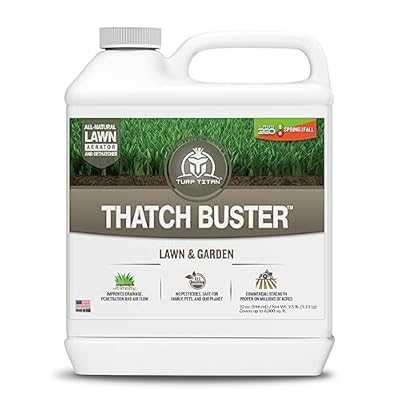
Yes, dethatching can significantly improve lawn drainage by removing thick layers of thatch that trap water and prevent it from soaking into the soil. When thatch buildup becomes excessive, it acts like a barrier, causing water to run off rather than filter through, which can lead to water pooling or soggy spots. By dethatching, you open up space for water, air, and nutrients to reach the roots, resulting in a healthier and more resilient lawn.
If your lawn tends to stay waterlogged after rain or watering, dethatching might be just what you need to enhance drainage and overall lawn health. This simple maintenance step can make a noticeable difference in how well your yard handles moisture and prevents issues like fungal growth or root rot. Keep reading to discover how dethatching works and whether it’s the right solution for your lawn’s drainage problems.
Dethatching involves removing the dense layer of dead grass, roots, and debris that can accumulate on the soil surface over time. This layer, known as thatch, can become a problem if it’s thicker than half an inch, as it prevents water from reaching the soil effectively. Improving drainage is one of the primary benefits of dethatching because it allows water to move freely into the ground, reducing surface pooling and promoting healthier grass growth. It’s a simple, cost-effective way to improve lawn conditions and prevent water-related issues, especially in climates with heavy rainfall or poor soil permeability.

Does Dethatching Improve Lawn Drainage?
Understanding Dethatching and Its Purpose
Dethatching is the process of removing a layer of thatch from your lawn. Thatch is a compacted layer of dead grass, roots, and other organic material that builds up between the soil and green grass. While a thin layer of thatch can protect your lawn, too much becomes a problem. Excess thatch can prevent water from reaching the soil easily, leading to poor drainage.
How Excess Thatch Affects Lawn Drainage
When thatch becomes thick, it creates a barrier that holds onto moisture rather than allowing it to soak into the ground. This can cause water to sit on the surface, creating puddles after rain or watering. Over time, standing water can lead to issues like moss growth, fungal diseases, and even lawn disease.
Does Dethatching Help Water Flow Better?
Yes, dethatching can significantly improve how water drains through your lawn. Removing the thatch layer opens up the soil surface, making it easier for water to penetrate downward. This helps prevent water from pooling and encourages healthier grass growth.
Benefits of Improved Lawn Drainage
Better drainage offers multiple benefits to your lawn. It reduces the risk of standing water, which can drown grass roots. It also minimizes soil erosion and helps prevent diseases caused by overly moist conditions. Ultimately, it supports a lush, healthy, and resilient lawn.
Signs Your Lawn Needs Dethatching
Knowing when to dethatch is key. Look for these signs:
- The thatch layer is thicker than half an inch.
- The lawn feels spongy or soft when walked on.
- Water pools on the surface after rain or watering.
- You notice moss or fungal problems developing.
If you observe these signs, dethatching can help restore proper water flow and improve overall lawn health.
Best Times to Dethatch for Optimal Drainage
Timing is important when dethatching. It is best to do this during the active growing season for your grass type—early spring or early fall. During this period, grass recovers quickly and can fill in the gaps created by dethatching.
Methods of Dethatching: Raking, Power Raking, and Vertical Mowing
Different tools are used for dethatching:
– Hand Rakes: Suitable for small lawns or light thatch buildup.
– Power Rakes: Use motorized blades to remove thatch efficiently on larger lawns.
– Vertical Mowers: Cut through thatch and pull it to the surface for easy removal.
Each method varies in intensity and effectiveness based on the amount of thatch and lawn size.
How to Dethatch Properly
Proper dethatching involves:
- Water the lawn thoroughly a day before to soften the thatch.
- Use the appropriate dethatching method based on your lawn’s needs.
- Make multiple passes in different directions for thorough removal.
- Rake up the debris and dispose or compost it.
- Follow up with aeration or overseeding if necessary.
This process ensures the best results for improving drainage.
The Role of Lawn Aeration in Conjunction with Dethatching
Aeration, which involves creating small holes in the soil, complements dethatching by alleviating soil compaction. While dethatching removes surface buildup, aeration encourages deeper water infiltration. Combining both improves overall drainage significantly.
Potential Risks and How to Avoid Them
Over-dethatching can disturb your lawn and cause stress to the grass. It’s crucial not to dethatch when the grass is dormant or stressed. Also, avoid excessive dethatching on lawns with very shallow roots or poor soil conditions. Proper timing and moderation help prevent damage.
Additional Care Tips to Improve Lawn Drainage
Apart from dethatching, consider these practices:
- Adding organic matter or compost to improve soil structure.
- Incorporating sand if soil is too clayey, to enhance drainage.
- Maintaining proper watering habits—deep but infrequent watering.
- Regularly aerating to reduce soil compaction.
These practices support long-term drainage improvement.
Related Topics: Soil Type and Lawn Drainage
Understanding your soil type helps tailor drainage solutions. For example:
- Clay soils are dense and drain slowly, benefiting from organic amendments and aeration.
- Sandy soils drain quickly but may require more frequent watering and fertilization.
- Loamy soils provide the best drainage naturally but still benefit from dethatching and aeration.
Summing Up: Does Dethatching Improve Lawn Drainage?
In conclusion, dethatching **can** greatly improve your lawn’s drainage by removing a barrier that prevents water from reaching the soil. It’s a helpful process, especially if your lawn shows signs of poor drainage or excessive thatch buildup. Proper timing, method, and post-dethatching care are essential to reap the benefits. When done correctly, dethatching helps ensure your lawn stays healthy, lush, and free from water-related problems.
Frequently Asked Questions
How does dethatching influence water absorption in a lawn?
Dethatching removes the layer of dead grass and organic matter that accumulates on the soil’s surface. This layer can impede water from penetrating the ground efficiently. By dethatching, the soil’s surface becomes more open and receptive, allowing water to seep in more easily. Improved water absorption helps the lawn remain healthy and reduces pooling or runoff after heavy rains.
Can regular dethatching help prevent waterlogging in my lawn?
Yes, regular dethatching can reduce the chances of waterlogging. Thatch buildup creates a barrier that prevents excess water from draining into the soil, leading to soggy patches. When you remove this layer, excess water can drain more freely, preventing water from pooling and promoting better overall drainage in your lawn.
What role does dethatching play in improving soil aeration and drainage?
Dethatching enhances soil aeration by allowing air to circulate more freely around grassroots and soil particles. Better aeration promotes healthier root development and encourages effective water drainage. As the soil becomes less compacted, excess water can drain away more quickly, reducing the risk of disease and promoting a stronger, more resilient lawn.
Is dethatching necessary if I already aerate my lawn regularly?
While aeration improves soil porosity and water movement, dethatching addresses the layer of organic matter that can sit on top of the soil. If the thatch layer is thick, it can still hinder water penetration despite regular aeration. In such cases, combining dethatching with aeration offers the best results for optimal drainage and lawn health.
How can I tell if my lawn needs dethatching to improve drainage?
You can check for excess thatch by removing a small section of the lawn and inspecting the layer between the grass and soil. If the thatch is more than half an inch thick, it likely interferes with proper drainage. Additionally, water tends to pool or drain slowly on lawns with thick thatch layers. If you notice these signs, dethatching can significantly improve water movement and overall lawn condition.
Final Thoughts
Dethatching can significantly improve lawn drainage by removing excess thatch buildup that prevents water from penetrating the soil. When the layer of dead grass and roots is thinned, water moves more freely into the ground. This reduces puddling and promotes healthier grass growth.
Thus, does dethatching improve lawn drainage? Yes, it does. Regular dethatching helps maintain proper water flow and prevents water runoff issues, leading to a healthier, better-drained lawn.