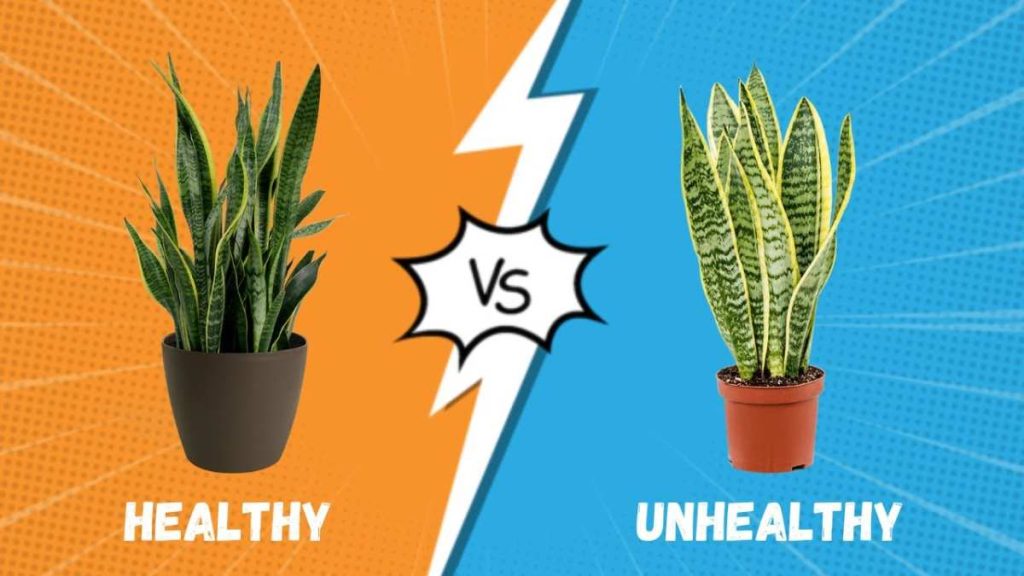
It’s a gorgeous snake plant, tall, sculptural, nearly indestructible, until those brown spots show up. You’re not alone. Every plant parent hits this wall at some point.
The good news? Brown spots on snake plant leaves almost always come from a small handful of causes, and each one has a clear fix once you know what to look for.
The trick is that different triggers look nearly identical at first glance. Overwatering, sunburn, fungal infections, and even pests can all leave those same brown marks. As of 2026, university extension guides still point to overwatering as the number one reason, responsible for roughly 60% of all leaf spot complaints.
But guessing wrong can kill your plant faster than doing nothing. Let’s walk through the real clues so you can spot the difference in under a minute.
Quick Answer
If your snake plant has brown spots, start by feeling the leaf. Soft and mushy means overwatering or root rot. Dry and crispy means sunburn or low humidity.
Spots with yellow rings point to fungus. Tiny speckles suggest spider mites. Stop watering immediately.
Move the plant to bright indirect light. Check the roots if the base is soft.
What’s Causing Those Brown Spots on Your Snake Plant?

Image source: Wikimedia Commons / Bureau of Land Management
Snake plants store water in their thick leaves. That’s why they handle neglect so well, and also why they’re so sensitive to too much moisture. When the roots sit in wet soil for more than a few days, they start to rot.
That rot climbs up into the leaves, turning the base soft and brown.
But water isn’t the only enemy. Direct afternoon sun can scorch the leaves in hours. Hard tap water leaves mineral burns along the tips and edges.
Fungal spores love damp leaves and still air. And tiny pests like spider mites suck the sap out, leaving a stippled brown pattern. Each cause leaves a distinct signature.
You just need to know which one you’re looking at.
Quick Check: The Three Most Likely Culprits
Before you go deep, run this simple checklist. It covers 90% of brown spot cases on snake plants.
- Overwatering, Spots are soft, dark, and start at the base. Leaves may feel mushy or look yellow around the brown.
- Sunburn, Spots are dry, tan, and crispy. They appear on the side of the leaf that faces the window, often in a straight line.
- Tap water sensitivity, Brown tips only, with a clean yellow line separating the healthy green from the damaged tip.
If your spots don’t match any of these, move on to the next section for the less common causes. But start here, you’ll save yourself a lot of guessing.
How to Tell Overwatering From Sunburn or Fungus
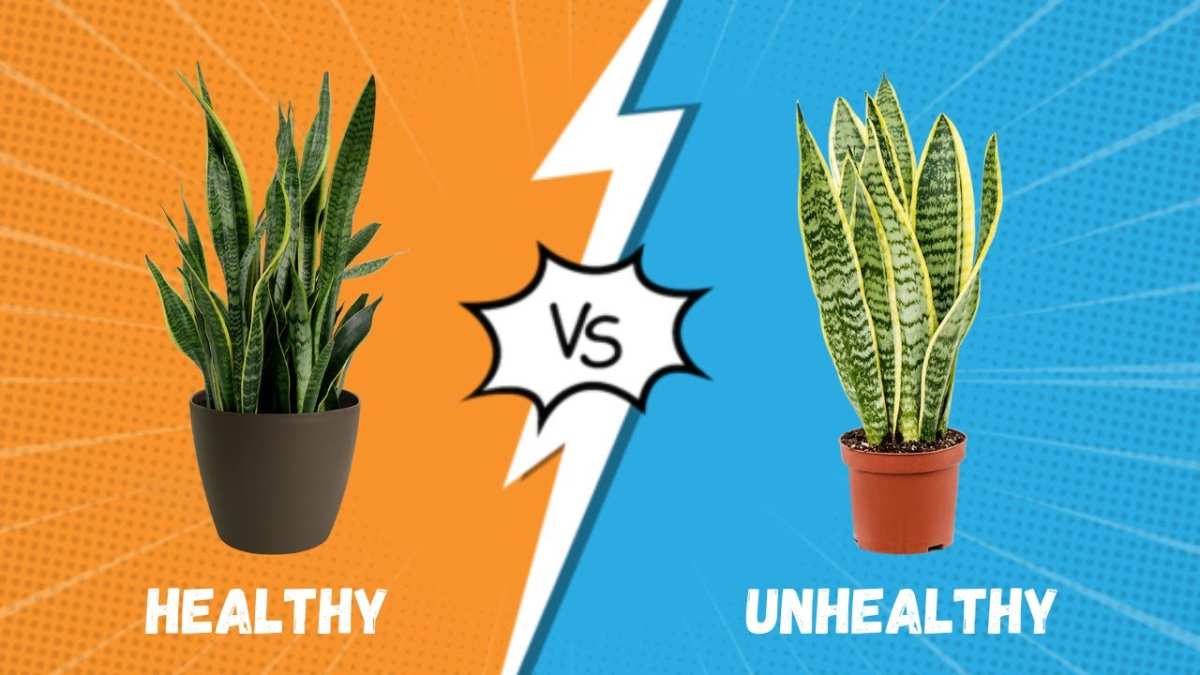
Image source: YouTube / The Gardening (YouTube thumbnail (fair-use with source credit))
The fastest way to diagnose is to touch the spot and look at its location. Grab a leaf and do this:
Feel test:
- Mushy, soft, or slimy = overwatering or root rot
- Dry, brittle, papery = sunburn or low humidity
- Raised, rough, or crusty = possible pest damage
Location test:
- Base of the leaf, near the soil = overwatering or fungal rot
- Tips or edges only = tap water or low humidity
- Middle of the leaf or one side only = sunburn
- Scattered across the whole leaf = fungus or pests
Color test:
- Dark brown to black = overwatering or fungus
- Light tan or white = sunburn
- Brown with a yellow halo = fungal leaf spot
- Tiny brown dots with white webbing = spider mites
Use these three checks together. If you get two matching answers, you’ve found your problem.
Decision Branch 1: Soft, Mushy Spots at the Base
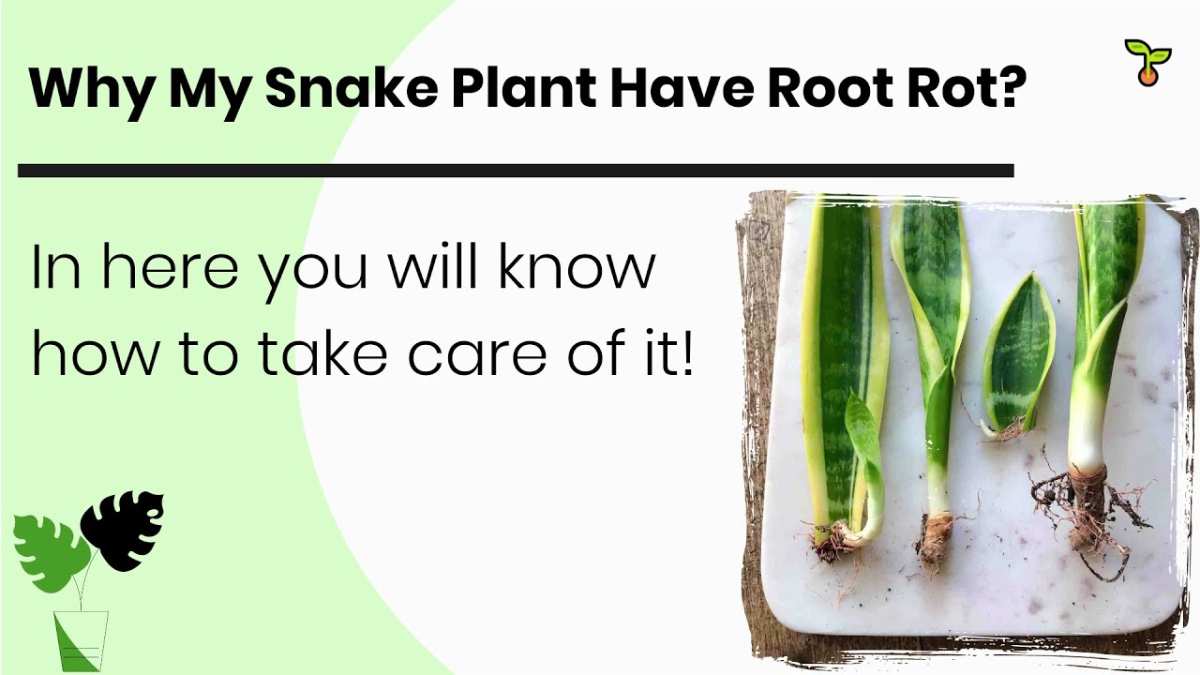
Image source: YouTube / Known Garden (YouTube thumbnail (fair-use with source credit))
If the bottom of the leaf feels like a wet sponge, your plant is telling you the roots are drowning. This is the most serious cause because root rot can kill the whole plant in a week if left untreated.
What to do right now:
- Stop watering immediately. Do not water again until you’ve checked the roots.
- Gently slide the plant out of its pot. Look at the roots. Healthy roots are firm and white or light tan. Rotten roots are brown, black, mushy, and smell like decay.
- If more than half the roots are mushy, trim them off with sterilized scissors. Remove any leaves that are completely soft at the base.
- Repot in fresh, dry succulent or cactus mix. Use a pot with drainage holes. Do not water for at least two weeks.
- Move the plant to a spot with bright indirect light. Warmth helps it recover.
If the roots are mostly white but a few brown spots show on the lowest leaves only, you caught it early. Let the soil dry out completely before your next watering. That may be enough.
The University of Minnesota Extension recommends waiting until the top two inches of soil are bone dry before watering a snake plant. That’s about once every three to four weeks in winter, and every two to three weeks in summer.
Decision Branch 2: Dry, Crispy Spots on the Upper Leaves
Dry spots are much less alarming. They mean the leaf has been physically damaged by light or air, not infected. Two main causes: sunburn or low humidity.
Sunburn happens when a snake plant gets direct sunlight for more than an hour or two, especially through a south or west window. The spots appear on the side of the leaf facing the light. They’re pale tan, sometimes almost white, with a sharp line between healthy and damaged tissue.
What to do: Move the plant a few feet back from the window, or add a sheer curtain. The existing spots won’t heal, but new growth will come in clean. You can trim the browned tips off with scissors for looks, just cut at an angle to match the leaf shape.
Low humidity causes brown tips on the ends of the leaves, not along the sides. This is common in winter when indoor heating dries out the air. Snake plants tolerate dry air fine, but if the humidity drops below 30% for weeks, the tips can crisp up.
What to do: A small humidifier nearby helps, but the easiest fix is to group your plants together. They create a microclimate of higher humidity around each other. Avoid misting the leaves, that can encourage fungal spots.
Instead, wipe the leaves with a damp cloth to remove dust and improve photosynthesis.
If the spots are only on the tips and your water comes from a municipal tap, switch to distilled or rainwater for a month. The fluoride and chlorine in tap water cause tip burn in snake plants. Many people see new leaves come in completely green after making that switch.
Decision Branch 3: Spots With Rings or Yellow Haloes
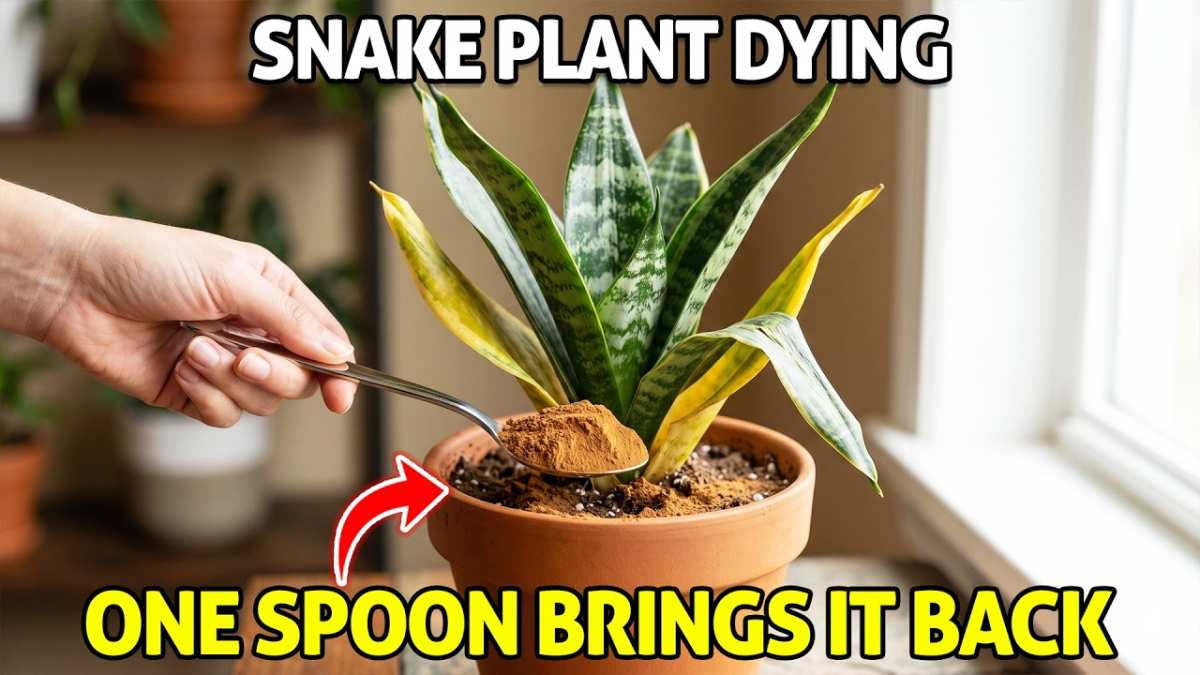
Image source: YouTube / Plant ER and Natural Verge (YouTube thumbnail (fair-use with source credit))
If the brown spot has a yellow or light green halo around it, you’re looking at a fungal infection. These spots often start small and grow into irregular blotches. They may have concentric rings like a target.
This is leaf spot disease, caused by fungi like Fusarium or Alternaria.
What to do immediately:
- Isolate the plant from your other houseplants. Fungal spores spread through air and water splashes.
- Remove any leaves that are more than 50% covered. Use sterilized scissors and cut at the base.
- Improve air circulation around the plant. A small fan on low speed works well. Still air lets fungus thrive.
- Water only the soil, not the leaves. Wet foliage gives spores a place to germinate.
- If the spots keep spreading after a week, apply a copper-based fungicide. Follow the label instructions carefully. Neem oil is a gentler alternative for mild cases.
The University of California Integrated Pest Management program notes that fungal leaf spot on snake plants rarely kills the plant if caught early. But it can disfigure every leaf if left untreated for several weeks. The key is stopping spores from moving to healthy leaves.
Decision Branch 4: Tiny Brown Speckles or Stippling

Image source: YouTube / Known Garden (YouTube thumbnail (fair-use with source credit))
If the spots are tiny, like coarse sand, and spread across the leaf surface, you’ve got spider mites. These pests are nearly invisible to the naked eye. Their damage looks like a fine brown or yellow stippling.
You might also see thin webbing on the undersides of leaves.
How to check for spider mites:
- Hold a white piece of paper under a leaf and tap it. If tiny specks fall onto the paper and start moving, those are mites.
- Look closely at the leaf underside with a magnifying glass. Mites look like tiny dots in red, brown, or green.
Treatment plan:
- Wipe both sides of every leaf with a damp cloth. This physically removes many mites.
- Spray the plant with a mixture of 1 teaspoon mild dish soap per quart of water. Let it sit for 5 minutes, then rinse.
- Repeat this treatment every 5 to 7 days for three weeks. Mite eggs hatch on a cycle, and one pass won’t catch them all.
- Keep the plant away from others until you see no new damage for two weeks.
Thrips and mealybugs can cause similar speckling. Thrips leave silvery streaks along with the brown dots. Mealybugs look like white cottony clusters at leaf joints.
Treat both with the same soap spray method. For heavy infestations, a neem oil spray works better.
The One Mistake That Makes Everything Worse
There is one thing people do that turns a fixable brown spot into a dead plant. They keep watering. Even after seeing the spots, even after being told to stop.
The logic makes sense. “The leaf looks dry and brown. It must need more water.” But dry brown spots from sunburn or mineral damage have nothing to do with soil moisture. Adding water when the plant is already stressed from overwatering or root rot is a death sentence.
Another common mistake is cutting off every spotted leaf at once. Removing more than 20% of the leaves in a single session shocks the plant. It can’t photosynthesize enough to recover.
Instead, remove only the worst leaves. Leave leaves with minor spots until new growth appears.
Standard procedure from the Royal Horticultural Society states that pruning should never exceed one third of the plant’s foliage at any time. Stick to that limit and your snake plant will bounce back faster.
How to Prune Spotted Leaves Safely
Pruning isn’t complicated, but doing it wrong can spread disease or leave ugly stubs. Follow these steps:
Tools needed:
- Sharp scissors or pruning shears
- Rubbing alcohol or bleach solution for sterilizing
- Paper towel
The process:
- Sterilize your blade with rubbing alcohol. Wipe it dry.
- Identify leaves that are more than half brown or completely mushy at the base.
- Cut at the base of the leaf, as close to the soil as possible. Leave no stub.
- For leaves with only tip damage, cut the brown tip off at an angle. Follow the natural leaf shape.
- After each cut, wipe the blade with alcohol. This prevents spreading fungus or bacteria to the next leaf.
- Dispose of the trimmings immediately. Do not compost them. Throw them in the trash.
Clean cuts heal quickly. Ragged cuts invite infection. If a leaf is mostly green with just one small brown spot, leave it.
The plant still uses that leaf for energy. Removing it gives you a cleaner look but slows recovery.
After You Fix the Cause – Recovery Timeline
Once you’ve stopped the problem, your snake plant needs time. It won’t look perfect overnight. Here’s what to expect:
| Timeframe | What you’ll see |
|---|---|
| 1 to 2 weeks | No new spots appear. Existing brown spots may dry out but won’t go green again. |
| 3 to 4 weeks | New growth emerges from the center. These new leaves should be spot-free if the cause is fixed. |
| 2 to 3 months | The plant fills out with healthy leaves. You can prune the older damaged leaves one at a time. |
During recovery, water even less than usual. The plant has fewer leaves to support, so it needs less moisture. Give it bright indirect light.
Avoid fertilizing for at least two months. Fertilizer can burn stressed roots.
If you still see new brown spots after two weeks, you didn’t identify the real cause. Go back through the decision branches and try a different diagnosis. Sometimes multiple issues occur at once.
For instance, a plant that was overwatered might also develop fungus. Treat both problems separately.
Long-Term Care to Prevent Spots From Returning
Once your snake plant is back on track, a few consistent habits will keep those brown spots away for good. The goal is to match the plant’s natural environment as closely as possible.
Water on a schedule, not a calendar. Stick your finger two inches into the soil. If it’s dry, water. If it’s damp, wait.
Snake plants need less water in winter. A moisture meter takes the guesswork out. Aim for a reading of 1 or 2 before watering.
Use the right pot and soil. A pot with drainage holes is non-negotiable. Glazed ceramic holds moisture longer than terracotta. Use a cactus or succulent mix.
Add extra perlite if the soil seems heavy. Good drainage prevents the root rot that causes those soft brown spots.
Control the light. Bright indirect light is ideal. A few hours of morning sun is fine. Avoid afternoon direct sun through a south or west window.
If you move the plant to a brighter spot, do it gradually over a week. Sudden changes cause sunburn.
Keep leaves clean and dry. Dust blocks light and can hide pests. Wipe leaves with a damp cloth every month. Never mist the leaves.
Fungal spores love wet foliage. If you want to raise humidity, use a pebble tray or group plants together.
Inspect regularly. Check the undersides of leaves every time you water. Spotting a few tiny speckles early is much easier than dealing with a full mite infestation. Catching the small warning signs stops the brown spots before they start.
When You’re Still Not Sure – A Simple Decision Flowchart
If you’ve gone through every branch and the cause still isn’t clear, use this quick flowchart. It summarizes the entire diagnosis process in one pass.
Step 1, Feel the spot.
- Mushy, go to Step 2
- Dry or crispy, go to Step 3
- Raised or speckled, go to Step 4
Step 2, Mushy means too much water.
- Check roots. If rotten, repot in dry soil. Do not water for 2 weeks.
- If roots are fine, let soil dry completely before next watering.
Step 3, Dry means sun or water quality.
- Spot on one side of leaf facing window? Move plant back from direct light.
- Spot only on tips? Switch to distilled water for one month.
Step 4, Speckled means pests.
- Look for webbing or tiny moving dots. Treat with soap spray every 5 days for 3 weeks.
- If no mites, consider thrips or mealybugs and use neem oil.
Step 5, Still no match?
- Check for fertilizer burn (brown tips with dark green leaves). Flush soil with water.
- Consider natural aging. Bottom leaves turning brown and dying is normal for old snake plants.
Frequently Asked Questions
Can brown spots on snake plant spread to other plants?
Yes, if the cause is fungal or pest related. Fungal spores travel through air and water splashes. Spider mites crawl or ride on clothing.
Isolate any affected plant immediately and treat before returning it to your collection.
Should I cut off brown spots or leave them?
Cut off leaves that are more than half brown. For minor tip damage, leave the leaf. The green part still photosynthesizes.
Cutting too many leaves at once stresses the plant. Remove no more than 20% of leaves in a single session.
How long does it take for a snake plant to recover from brown spots?
New spot-free leaves appear in 3 to 4 weeks if the cause is fixed. Existing brown spots never turn green again. The plant looks fully healthy again in about 2 to 3 months as new growth replaces the damaged leaves.
Can I use tap water for my snake plant?
Tap water works for many snake plants, but high fluoride or chlorine causes brown tips. If you see tip burn, switch to distilled or filtered water. Rainwater is even better.
Letting tap water sit out for 24 hours doesn’t remove fluoride.
Is it normal for older snake plant leaves to turn brown?
Yes. The oldest outer leaves naturally yellow and brown as the plant grows. This happens slowly.
One leaf every few months is normal. If multiple leaves turn brown at once, check for one of the other causes.
Can I save a snake plant with root rot?
Yes, if caught early. Trim off all mushy roots. Remove any soft leaves.
Repot in fresh dry cactus mix. Do not water for two weeks. The plant may lose most of its roots but can regrow them from healthy rhizomes.