You're standing there with a watering can, looking at the rain streaming off your roof, and the question hits you: "Can I use rainwater for my indoor plants?" The honest answer is yes, but it's not a simple yes for everyone. It depends on your roof material, where you live, and how you store that water.
Here's a data point to get your attention: clean rainwater typically measures under 50 parts per million (ppm) in total dissolved solids, while hard tap water often runs 200 to 800 ppm. That difference is exactly why plant enthusiasts swear by rain for sensitive species like calatheas and orchids. But before you start hauling buckets, let's walk through the variables that decide whether your rainwater is a blessing or a hazard.
The Short Answer: It Depends on Your Roof and Setup
If you have a clean metal or clay tile roof, a decent first-flush diverter, and a covered storage container, then yes, rainwater is fantastic for your indoor plants. If you're collecting from an asphalt shingle roof in a polluted industrial area and letting the water sit open for weeks, you're better off with distilled water.
The decision tree looks like this:
- Safe roof material (metal, tile, slate)? Go ahead and collect, but still use a first-flush diverter.
- Asphalt shingles or treated wood? Proceed with caution. You may need to filter or use it only on hardy plants.
- Copper or lead flashing anywhere? Skip the rainwater for anything you plan to keep long-term.
- Bad air quality, heavy smog, or pesticide drift? Don't use that water indoors.
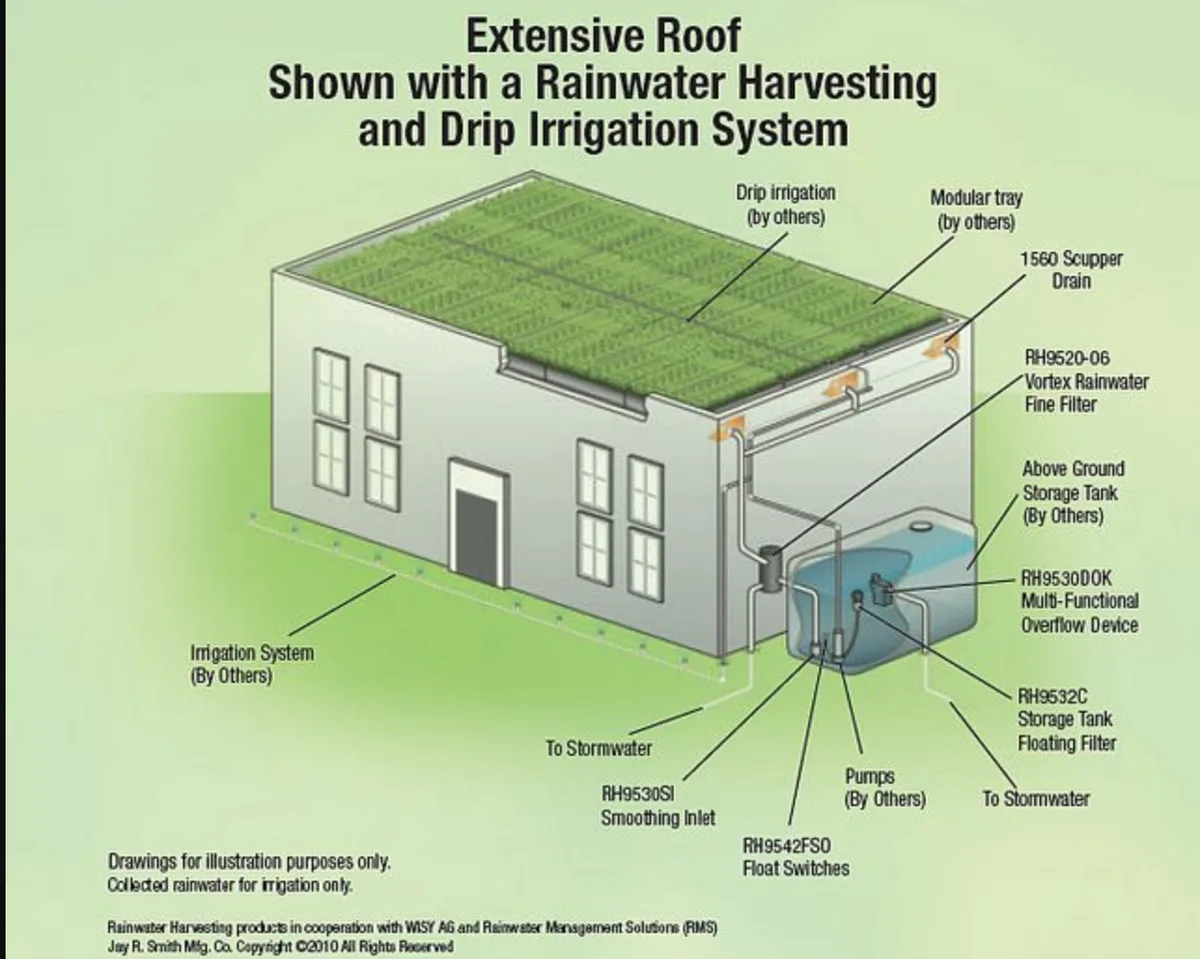
Image source: Bing (Web (fair-use with source credit))
The key takeaway is that rainwater isn't automatically pure. It's as clean as the surface it touches and the air it falls through.
Why Houseplant Owners Are Turning to Rainwater
If you've ever noticed brown tips on your spider plant or white mineral crust on your terracotta pots, your tap water is the culprit. Municipal water supplies are treated with chlorine or chloramine to make them safe for people, but those same chemicals can harm beneficial soil microbes. The dissolved calcium and magnesium that make water "hard" doesn't evaporate, it builds up over time.
That's why so many indoor gardeners are switching to rainwater. It's:
- Soft with minimal dissolved minerals, so nothing accumulates in the soil.
- Chlorine-free at the source, so soil biology stays healthy.
- Slightly acidic with a pH around 5.6, which is the sweet spot for many tropical houseplants.
- Free to collect, cutting down on your water bill.
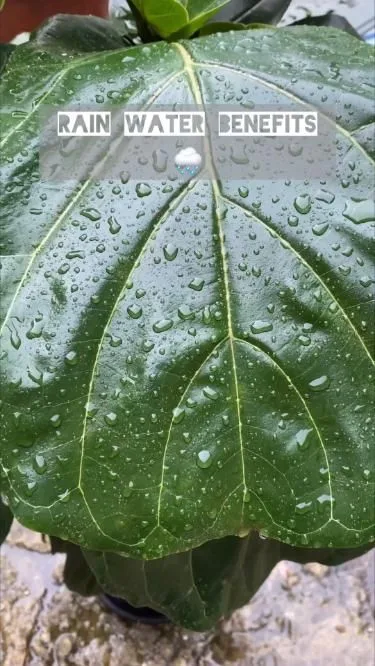
Image source: Web (Bing) / pinterest.com (Web image (fair-use with source credit))
You don't need an elaborate setup either. A simple bucket under a downspout can work for a few plants. But there's a difference between collecting rain and collecting it safely.
What Rainwater Actually Does to Indoor Plants
The lack of minerals means no salt buildup in the soil. Over time, hard water leaves behind invisible salts that burn root tips and block nutrient uptake. Rainwater flushes those salts out instead of adding more.
Second, the mild acidity helps keep nutrients available. Iron and manganese become less accessible when soil turns alkaline. Rainwater keeps them in a plant-available form.
Third, rainwater often contains small amounts of dissolved nitrogen from lightning and atmospheric deposition. It's not a fertilizer replacement, but it gives a gentle nutritional nudge.
Image source: Bing (Web (fair-use with source credit))
There's also the biological side. Chlorine and chloramine are designed to kill microbes. When you drench your soil with treated tap water, you're also killing the fungi and bacteria that help roots absorb nutrients.
Rainwater doesn't do that.
One caution: rainwater is so soft that it can leach minerals from the soil with exclusive long-term use. Many growers alternate between rainwater and a diluted fertilizer solution.
The #1 Factor That Changes Everything: Your Roof Material
Your roof is a chemical leach pad. Everything weathered from it, applied to it, or living on it ends up in your water. This is the single biggest variable in the whole decision.
| Roof Material | Risk Level | Notes |
|---|---|---|
| Standing seam metal | Low | Minimal leaching. Seal fasteners. |
| Clay or concrete tile | Low | Safe, but check for moss treatment strips. |
| Galvanized steel | Low to moderate | Old roofs may leach zinc over time. |
| Asphalt shingles | Moderate | Contain PAHs. Wash away with first flush. |
| Treated wood shake | High | Chemical preservatives can leach for years. |
| Copper or lead flashing | High | Toxic to plants and people. Avoid entirely. |
If your roof has any copper, lead, or zinc strips, do not use that water on your indoor plants. Heavy metals accumulate in the soil and in the plant tissue.
Image source: Bing (Web (fair-use with source credit))
The good news is that even on an asphalt shingle roof, a good first-flush diverter removes the dirtiest initial runoff. That first water carries the bird droppings, dust, and chemical residue. Let it go to waste, and the rest of the rainwater is much cleaner.
Decision Branch #2: Your Location and Air Quality
Your roof is the first filter, but the atmosphere is the second. Raindrops form around tiny particles in the air, so what's in the air ends up in your barrel.
Urban and industrial areas. City rain picks up vehicle exhaust, fine particulate matter, and sulfur dioxide. Studies show urban rainwater can carry elevated heavy metals like lead and zinc, especially near busy roads.
Agricultural regions. Pesticide and herbicide drift is a real concern near farms. That's a hard no for edible houseplants like herbs or microgreens.
Coastal areas. Salt spray is a hidden enemy. Rain carried in from the ocean can deposit sodium, which is toxic to most plants.
Rural and forested areas. These have the cleanest rainwater. Roof material becomes the only major variable.
For most indoor plant owners, the combination of a safer roof and a moderate location makes rainwater perfectly fine. But if you're in a dense city or downwind of industrial activity, lean toward caution.
Decision Branch #3: How You Collect and Store the Water
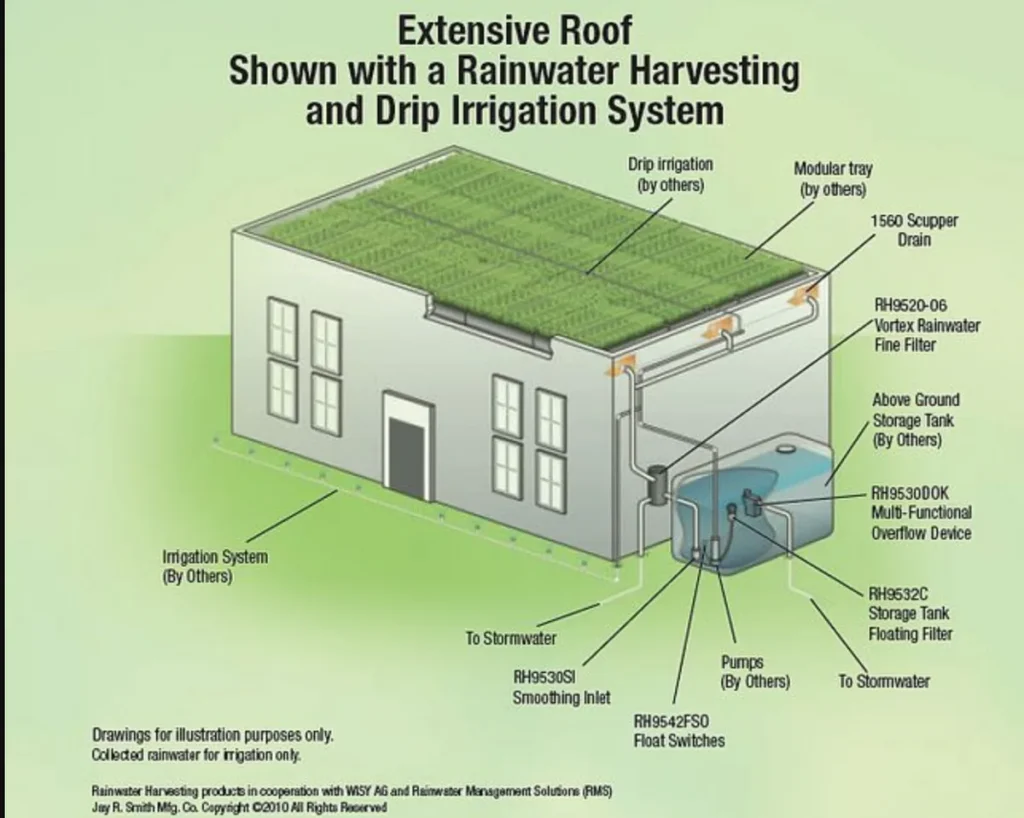
Your collection method can turn good rain into bad water. A first-flush diverter is the most important upgrade. It sends the first few gallons of roof runoff away before your barrel starts collecting.
A fine mesh screen over the inlet keeps leaves and debris out. Without it, organic matter sinks and decomposes, fueling stagnation. Use an opaque, covered container.
Clear barrels encourage algae growth within days.
Mosquitoes breed in standing water within a week. A tight lid or a Bti mosquito dunk solves that.
Storage timeline matters. In warm weather, rainwater starts losing quality after 7 to 10 days. Use it or replace it before then.
How to Safely Set Up Rainwater Collection for Indoor Plants
You don't need a full irrigation system. A basic setup is simple:
- Put a rain barrel or food-safe bucket under a downspout.
- Install a downspout diverter with an overflow port.
- Add a first-flush diverter if your budget allows.
- Cover the inlet with a fine mesh screen.
- Keep the container sealed, dark, and off the ground.
Costs range from $15 for a bucket and screen to $150 for a quality 50-gallon barrel with a spigot.
Let water reach room temperature before watering. Ice-cold rain can shock tropical roots, especially in winter.
Clean the container seasonally. Scrub the inside with a vinegar rinse to remove biofilm.
How to Test Your Rainwater Before Using It on Plants
Testing sounds technical, but it's not. Two cheap tools answer most questions.
A pH strip checks acidity. Rainwater normally lands around 5.6, and anything from 5.0 to 7.0 is fine for houseplants. If it drops into the 4s, acid rain or chemical wash-off is likely.
A TDS meter measures total dissolved solids. It costs under $20. Clean rain reads below 50 ppm.
If your barrel reads over 150 ppm, something is washing off the roof.
Also do a smell and color check. Yellowish or cloudy water with a rotten odor has active microbes. Don't use it.
If particles float, let the sediment settle overnight and decant the clear top layer.
When in doubt, test before watering your whole collection. Start with one plant and watch for stress over the next week. The EPA's stormwater guidance outlines similar caution around rooftop runoff.
Which Indoor Plants Benefit Most from Rainwater
Calatheas and marantas are notorious for crispy tips on tap water. Chlorine and fluoride cause leaf burn. Rainwater gives them soft, slightly acidic water.
Carnivorous plants like Venus flytraps and pitcher plants are even pickier. They need water with very low mineral content. Tap water can kill them over time.
Orchids and ferns also respond well. They prefer a slightly acidic pH and hate salt buildup. Rainwater flushes salts away without adding new ones.
Spider plants and dracaenas often show brown tips from fluoride sensitivity. Rainwater avoids that problem entirely.
Plants You Shouldn't Trust Rainwater For
The cautious list starts with edible plants. Herbs like basil and mint should not get untreated rainwater indoors. Asphalt shingle or metal roofs can contribute heavy metals and hydrocarbons that end up in the leaves.
Seedlings and newly rooted cuttings are also risky. Their root systems are fragile. Any contamination or temperature swing can set them back.
Households with immunocompromised members should treat stored rainwater like untreated surface water. The CDC advises caution with any water that hasn't been disinfected.
And if your roof has lead paint, copper flashing, or zinc strips, never use that water on anything you keep long-term. Toxic metals build up in the soil with every watering.
Common Mistakes That Turn Good Rainwater Bad
The biggest mistake is skipping the first-flush diverter. That initial runoff carries the worst contamination.
Letting a clear barrel sit in the sun causes algae blooms within days. Use an opaque container or paint the outside.
Cold shock is subtle. Pouring ice-cold rainwater straight onto tropical roots stresses them. Let it sit indoors for a few hours first.
A quick daily glance at your plants saves more than elaborate care routines. The same instinct that helps you catch lawn problems early applies to everything green you manage.
Rainwater vs. Other Water Options for Indoor Plants
| Water source | Mineral content | Cost | Best for |
|---|---|---|---|
| Rainwater | Very low (<50 ppm) | Free | Sensitive plants, most houseplants |
| Tap water (left out 24h) | High (200-800 ppm) | Cheap | Hardy plants, not calatheas |
| Distilled water | Zero | Moderate | Carnivorous plants, exacting growers |
| RO water | Near zero | Moderate | Hydroponics, sensitive species |
| Dehumidifier water | Low | Free | Quick use, but may contain metals |
Rainwater wins on cost and chemistry for most indoor plants. Distilled is the fallback when collection isn't possible. Tap water works for tough plants like pothos or snake plants, but it will eventually build up salts.
Is It Legal to Collect Rainwater Where You Live?
Most states allow it. A few don't. Colorado historically restricted rain barrels, but now allows at least two with a combined 110-gallon capacity.
Utah requires registration for systems over 2,500 gallons.
As of 2026, most states permit rain barrels without a permit. Illinois, Washington, and Texas actively encourage harvesting. Check with your state's department of natural resources or your local water utility.
Homeowner associations can add another layer. Some ban visible collection barrels. A hidden rain barrel behind a screen or a small balcony system can dodge the visibility issue.
Quick Decision Guide: Should You Use Rainwater for Your Indoor Plants?
- Safe roof, clean air, covered barrel? Start collecting.
- Asphalt shingle roof only? Use a first-flush diverter and test the water.
- Urban or industrial area? Stick to hardy decorative plants, not edibles.
- Copper or lead flashing? Skip rainwater entirely.
- Carnivorous plants or calatheas? Rainwater or distilled, no tap water.
If you answered no to everything, tap water left out overnight works for most common houseplants. For sensitive species, distilled water is the safest alternative.
Expert Tips From Experienced Houseplant Keepers
Blend rainwater with tap water if you're unsure about your roof. A 50/50 mix still cuts mineral buildup dramatically.
Use the water within 7 to 10 days. Fresh rain is biologically active. Old rain goes anaerobic.
Give your plants a rain shower every so often. The slightly acidic water flushes salts from the soil. Let it warm up first.
Timing matters across the whole garden, from watering schedules to timing your outdoor pest treatments.
Final Verdict: When Rainwater Is Worth It for Indoor Plants
Rainwater is the best free water for most houseplants when your roof and air are clean. Pair it with a first-flush diverter and a covered barrel. If conditions seem risky, distilled water is a perfectly safe fallback.
Plant care is ultimately about observation and consistency. If you can read your houseplants, you can learn to read the rest of your garden, including what's happening underneath the soil.
Frequently Asked Questions
Does rainwater need to be filtered for houseplants?
Not always. A clean metal roof and a first-flush diverter make it safe as-is. Stored over a week, run it through a fine cloth or let sediment settle.
Could rainwater damage my indoor plants?
Only if it's contaminated or ice-cold. Let it warm up, store it sealed, and skip water from treated or metal-laden roofs. Used properly, rainwater is gentle and reliable.
How long can I store rainwater for houseplants?
Use it within 7 to 10 days in warm weather. After that, organic matter decays and bacteria multiply. Covered, cool storage extends the window slightly.
Can I mix rainwater with tap water?
Yes. A 50/50 blend reduces mineral buildup while stretching your supply. It's a great approach for hardy plants when you don't have enough rain saved up.