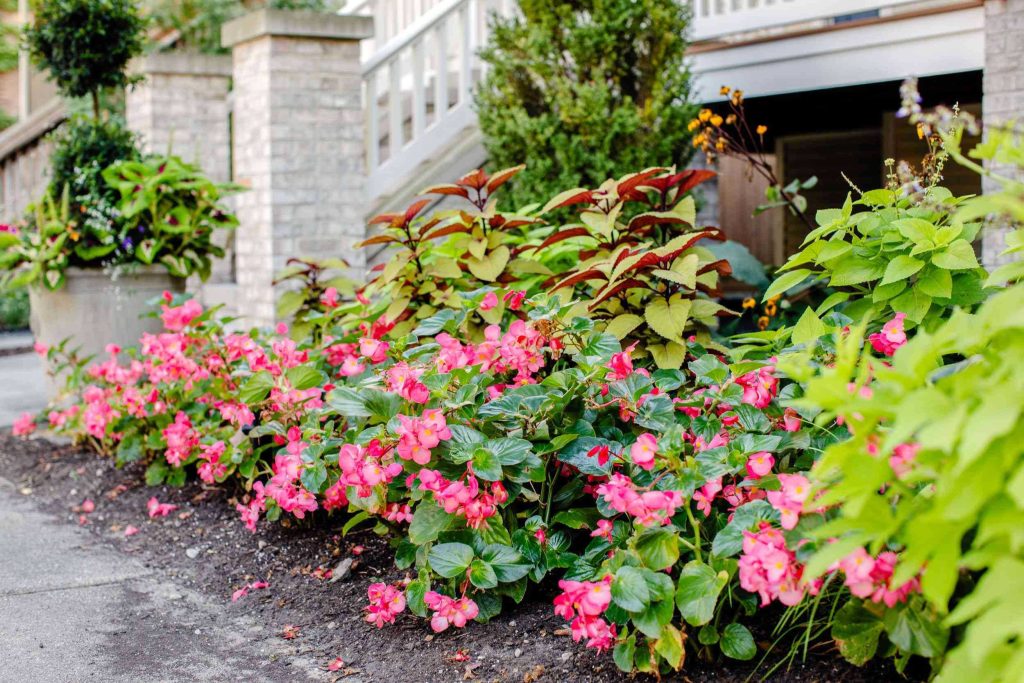
If you’ve written off your north-facing yard as a space doomed to bare soil and leggy, sun-starved plants, you’re not alone. Many home gardeners assume north-facing spaces are too dark to support lush, vibrant greenery, but that’s far from the truth. The key to success lies in selecting plants adapted to low indirect light, rather than fighting the yard’s natural light conditions. With the right palette of shade-tolerant species and thoughtful design, a north-facing yard can become a cool, serene retreat that thrives with minimal sun exposure, even in the hottest summer months. Below, we break down the best plant choices, design tips, and care guidance to turn your shaded north-facing space into a standout part of your landscape.
Why North-Facing Yards Are Perfect for Shade-Loving Plants
In the northern hemisphere, north-facing yards receive no direct sunlight, only consistent, gentle indirect light all day. This eliminates the risk of sunscald and heat stress that plagues sun-loving plants in exposed yards, making them ideal for delicate, low-light species. Light levels do vary by region and surrounding features: a north-facing yard in the Pacific Northwest may get only 1-2 hours of dappled sun filtered through trees, while one in the Southwest with minimal tree cover may get 3-4 hours of soft morning light. According to University of Minnesota Extension’s shade gardening guidelines, most north-facing spaces fall into the "partial to full shade" category (less than 6 hours of direct sun per day), which opens up a wide range of plant options. North-facing yards also have unique benefits that make them easier to maintain than sunny spaces:
- Lower evaporation rates mean you’ll typically water 20-30% less than a south-facing yard with the same plantings, which is ideal for drought-prone regions.
- Cooler ambient temperatures reduce wilting and heat stress for tender perennials during summer heatwaves.
- Sheltered from harsh north winds, these spaces protect delicate plants from winter desiccation and broken stems during storms. A common misstep is planting sun-loving staples like roses or lavender in north-facing spots, assuming they’ll get enough light from reflection off nearby structures. In practice, these plants will become leggy, fail to bloom, and eventually die back without consistent direct sun exposure.
Top Perennials for Low-Light North-Facing Spaces
Perennials are the backbone of a low-maintenance north-facing garden, returning year after year with minimal upkeep. These shade-adapted species are hardy, long-lived, and provide structure even in the darkest corners of your yard:
- Hostas: The most popular shade perennial, available in thousands of cultivars ranging from 2-inch miniatures to 4-foot clumps with 6-inch variegated leaves. Hardy in USDA zones 3-9, they thrive in consistently moist, well-drained soil. Favorites include 'Sum and Substance' for large, chartreuse foliage in full shade, and 'Patriot' for blue-green leaves with white margins that brighten dim corners.
- Ferns: Add architectural texture and year-round greenery (most are evergreen in mild climates). Japanese Painted Fern (Athyrium niponicum, zones 4-9) has silver-grey fronds with purple stems that pop in shade, while Autumn Fern (Dryopteris erythrosora, zones 5-9) produces copper-colored new growth in spring that matures to deep green. They prefer consistently moist soil and will naturalize slowly over time.
- Astilbe: Produces feathery plumes of pink, white, red, or purple blooms in mid to late summer, rising above fern-like foliage. Hardy in zones 4-8, they need consistent moisture to thrive—plant them near downspouts or in low-lying damp spots for best results.
- Hellebores (Lenten Rose): Often overlooked, these hardy perennials (zones 4-9) bloom as early as late winter in mild climates, with nodding flowers in shades of white, pink, and purple. They’re evergreen in most regions, providing color even when snow is on the ground, and are highly deer-resistant.
- Coral Bells (Heuchera): Grown primarily for their colorful, ruffled foliage in shades of purple, lime, and caramel, they produce tiny bell-shaped blooms on thin stems in late spring. Hardy in zones 4-9, they’re drought-tolerant once established and work well as border plants. Always cross-reference a plant’s hardiness rating with the USDA’s official Plant Hardiness Zone Map to ensure it will survive winter low temperatures in your region.
Annuals to Add Seasonal Color to Shady Yards
Annuals add bright, flexible pops of color that change every year, perfect for filling gaps between perennials or testing new color schemes without long-term commitment. These shade-tolerant options bloom continuously from spring to frost with minimal care:
- Impatiens: The classic shade annual, available in every color from white to deep magenta, and grow 6-12 inches tall. New Guinea impatiens are more disease-resistant and tolerate slightly more sun than standard bedding impatiens.
- Wax Begonias: Have waxy, succulent-like leaves and small white, pink, or red blooms, growing 6-18 inches tall. They’re very low-maintenance and will bloom continuously if deadheaded regularly to remove spent flowers.
- Caladiums: Grown for their heart-shaped, brightly colored foliage in shades of pink, red, white, and green, they thrive in warm, shady spots (zones 9-11, grown as annuals in colder regions). Plant them after the last frost for tropical-looking foliage all summer.
- Coleus: Another foliage favorite, with leaves in shades of purple, lime, orange, and variegated patterns. They grow 12-36 inches tall, tolerate full shade, and can be pinched back to encourage bushy, compact growth.
Structural Shrubs and Small Trees for North-Facing Gardens
Shrubs add height, structure, and year-round interest to north-facing yards, so the space looks cohesive even in winter when perennials have died back. These shade-adapted options work well as focal points or privacy screens:
- Japanese Maple (Acer palmatum): A classic shade small tree, hardy in zones 5-9, with delicate, lacy foliage that turns vibrant red, orange, or yellow in fall. Dwarf cultivars like 'Bloodgood' stay under 10 feet tall, making them perfect for small north-facing yards. They prefer moist, well-drained soil and shelter from harsh wind.
- Bigleaf Hydrangea (Hydrangea macrophylla): Produces large clusters of pink, blue, or white blooms in early summer, with color determined by soil pH (acidic soil = blue blooms, alkaline = pink). Hardy in zones 5-9, they thrive in partial shade with consistent moisture.
- Mountain Laurel (Kalmia latifolia): An evergreen shrub (zones 5-9) native to eastern North America, with glossy green foliage and clusters of pink or white cup-shaped blooms in late spring. It’s highly deer-resistant and thrives in the cool, moist conditions of north-facing yards.
- Oakleaf Hydrangea (Hydrangea quercifolia): Larger than bigleaf varieties, growing 6-8 feet tall, with large, oak-shaped leaves that turn deep red in fall. It produces cone-shaped white blooms in summer that fade to pink, and it’s more tolerant of dry shade than other hydrangea varieties.
Low-Maintenance Ground Covers for Bare Spots
Ground covers fill in gaps between larger plants, suppress weeds, and prevent soil erosion on sloped north-facing yards, reducing the need for frequent weeding and mulching. These low-growing options spread quickly to create a dense, lush carpet:
- Pachysandra (Pachysandra terminalis): An evergreen ground cover (zones 4-8) that forms a dense, 6-12 inch tall carpet of glossy green leaves. It’s extremely low-maintenance, tolerates deep shade, and is deer-resistant.
- Wild Ginger (Asarum canadense): A native North American ground cover (zones 3-8) with glossy, heart-shaped leaves and small, maroon ground-level blooms in spring. It thrives in moist, shaded soil and is a great eco-friendly choice for supporting local pollinators.
- Ajuga (Ajuga reptans): Also called bugleweed, this ground cover (zones 3-9) has purple-tinged foliage and spikes of blue blooms in late spring. It grows 4-6 inches tall, spreads quickly to fill bare spots, and is tolerant of dry shade once established.
- Vinca Minor (Vinca minor): An evergreen ground cover (zones 4-9) with glossy green leaves and small, periwinkle-blue blooms in early spring. It’s very low-maintenance and works well on slopes to prevent erosion. Avoid invasive ground covers like English ivy, which can spread to nearby wooded areas and outcompete native plants.
Designing a Lush, Functional North-Facing Garden Layout
Before buying a single plant, spend a day observing your north-facing yard: note where sun filters through tree cover or reflects off nearby buildings, even if it’s only for 1-2 hours a day. Mark these spots, as they’re ideal for plants that can tolerate a little more light, like hydrangeas or Japanese maples. Use classic layering to create visual depth: place tallest plants (shrubs, ferns, hostas) at the back of the yard against fences or property lines, mid-height plants (astilbe, heuchera, annuals) in the middle, and low-growing ground covers at the front. This ensures every plant gets adequate light and creates a cohesive, tiered look. Add functional hardscaping to make the space usable: permeable stepping stones or mulch paths prevent mud in wet spring weather, and a small weatherproof bench turns the yard into a quiet reading nook. If you have a sloped north-facing yard, install a small terrace or retaining wall to create flat planting areas and prevent erosion. For even distribution of compost and soil amendments across large planting beds, a specialized compost spreader takes the work out of tilling in organic matter.
Simple Maintenance Tips for Thriving Shade Plants
North-facing yards require far less upkeep than sunny spaces, but a few simple practices will keep your plants thriving:
- Watering: North-facing yards retain moisture far longer than sunny spots, so overwatering is a far more common issue than underwatering. Check soil 2 inches below the surface before watering—if it’s damp, hold off. Water deeply once or twice a week (depending on rainfall) to encourage deep root growth, which makes plants more resilient to drought. If you’re also maintaining a sunny lawn adjacent to your north-facing yard, keeping your equipment in good shape is key—our guide to self-propelled mower upkeep has simple tips to keep your mower running smoothly all season.
- Mulching: Apply a 2-3 inch layer of organic mulch (shredded bark, compost, or pine straw) around plants in early spring. Mulch retains soil moisture, suppresses weeds, and adds nutrients as it breaks down. Keep mulch 2-3 inches away from plant stems to prevent rot and pest issues.
- Fertilizing: Shade plants grow slower than sun-loving species, so they need less fertilizer. Apply a slow-release, balanced organic fertilizer (10-10-10 NPK) in early spring, and avoid high-nitrogen formulas that promote leggy, weak growth. Container plants may need a light dose of liquid fertilizer every 6-8 weeks during the growing season.
- Pest and disease prevention: Shady, humid conditions can encourage powdery mildew and slug damage. Space plants 6-12 inches apart to allow for air circulation, and remove any diseased foliage immediately to prevent spread. For slug issues, sprinkle diatomaceous earth around plant bases in spring.
Solving Common North-Facing Yard Challenges
Even with the right plant choices, north-facing yards can present a few unique hurdles. Here’s how to address them:
- Limited Sunlight: If your yard gets less than 2 hours of direct sun per day, stick to full-shade plants like hostas, ferns, and pachysandra. For spots with 2-4 hours of gentle morning sun, you can grow partial-shade plants like hydrangeas and astilbe. Avoid planting sun-dependent vegetables or flowering plants like roses, which will fail to bloom without adequate light.
- Soil Quality: North-facing yards often have heavier, clay-heavy soil that drains poorly. Amend the top 6-12 inches of soil with 3-4 inches of compost or well-rotted manure each spring to improve drainage, aeration, and nutrient content. For clay-heavy soil, mix in peat moss or coarse sand to prevent waterlogging. A soil test (available at most garden centers) will tell you if you need to adjust pH for specific plants, like rhododendrons that prefer acidic soil. For even distribution of amendments across large beds, a walk-behind spreader will cover large areas quickly and evenly, saving you hours of manual labor.
- Drainage Issues: Low-lying north-facing yards can become waterlogged after heavy rain, leading to root rot. If you notice standing water after storms, install a French drain or build raised planting beds to improve drainage. Plants like ferns and astilbe tolerate moist soil well, but most other shade plants will suffer in constantly wet conditions. If you notice your mower struggling to cut grass in the damp, compacted soil common in north-facing yards, our guide to common self-propelled mower issues can help you diagnose and fix the problem quickly.
- Deer and Pest Pressure: Many popular shade plants like hostas and astilbe are favorite snacks for deer. If you have high deer traffic, opt for deer-resistant varieties like ferns, hellebores, mountain laurel, and pachysandra. You can also install a low fence or use deer repellent sprays in spring when new growth is most tender.
Extending Seasonal Interest Year-Round
With careful plant selection, your north-facing yard can provide visual interest in every season, not just spring and summer:
- Late Winter/Early Spring: Hellebores bloom as early as February in mild climates, with snowdrops and trillium adding tiny pops of color. Evergreen ferns and pachysandra provide green foliage even when snow is on the ground.
- Late Spring/Early Summer: Astilbe and coral bells bloom, adding soft texture and color. Japanese maples produce delicate new foliage, and wild ginger produces small maroon blooms close to the ground.
- Mid to Late Summer: Hydrangeas bloom in shades of pink, blue, or white, and caladiums and coleus provide vibrant foliage color. Hostas produce tall spikes of lavender or white blooms in mid-summer.
- Fall: Oakleaf hydrangea blooms fade to pink, and autumn fern fronds turn a rich copper color. Japanese maple foliage turns vivid red, orange, or yellow, and toad lilies bloom in late fall with speckled purple and white flowers.
- Winter: Evergreen shrubs like mountain laurel and ground covers like pachysandra and vinca minor provide green foliage, and hellebore leaves stay green throughout winter in most regions. Add a few evergreen boughs or winterberry branches for extra color if desired. As fall arrives, overseed any bare spots in your north-facing yard with shade-tolerant grass seed to keep the lawn lush, and use a broadcast spreader to apply seed evenly across the area without clumps.
Frequently Asked Questions
What types of flowers thrive in a north-facing yard?
North-facing yards support a wide range of shade-tolerant flowering plants, depending on how much indirect light they receive. For deep shade (less than 2 hours of sun per day), opt for hellebores, bleeding hearts, and hosta flowers. For partial shade (2-4 hours of gentle morning sun), astilbe, bigleaf hydrangeas, and impatiens will bloom prolifically. Always check plant tags for light requirements before purchasing, as needs vary by cultivar.
How can I enhance the soil quality in my north-facing garden?
North-facing yards often have heavy, nutrient-poor soil from lack of sun exposure and minimal weed growth. Start by testing your soil’s pH and nutrient levels with a home test kit. Amend the top 6-12 inches of soil with 3-4 inches of compost or well-rotted manure each spring to improve drainage, aeration, and nutrient content. For clay-heavy soil, mix in peat moss or coarse sand to prevent waterlogging. If you’re planting acid-loving species like rhododendrons or mountain laurel, add elemental sulfur to lower soil pH to 5.5-6.5.
Are there any shrubs suitable for north-facing yards?
Yes, many shrubs thrive in north-facing conditions. Mountain laurel, bigleaf and oakleaf hydrangeas, and Japanese maples are all excellent choices, as they tolerate partial to full shade and provide year-round interest. For evergreen structure, boxwood (zones 5-9) is a low-maintenance option that holds its shape year-round and can be pruned into hedges or topiaries. Avoid sun-loving shrubs like roses or butterfly bush, which will fail to thrive in low light.
What ground cover plants work best in low light conditions?
The best low-light ground covers are pachysandra, wild ginger, ajuga, and vinca minor, all of which tolerate deep shade and require minimal upkeep once established. For sloped north-facing yards, choose spreading varieties like vinca minor or ajuga, which hold soil in place and prevent erosion. Avoid invasive ground covers like English ivy or goutweed, which can spread aggressively and outcompete native plants.
Can I grow vegetables in a north-facing yard?
Yes, many vegetables tolerate partial shade, especially cool-season crops. Leafy greens like spinach, kale, lettuce, and Swiss chard grow well in 2-4 hours of sun per day, and root vegetables like carrots, beets, and radishes can tolerate light shade, though they may take longer to mature. Avoid sun-dependent vegetables like tomatoes, peppers, and squash, which require 6+ hours of direct sun to produce fruit.
How do I manage moisture levels in a north-facing yard?
North-facing yards retain moisture longer than sunny spaces, so overwatering is a common issue. Check soil moisture 2 inches below the surface before watering, and water deeply only when the top layer is dry. Mulch around plants to retain even moisture and prevent soil from drying out completely in hot summer months. If your yard has poor drainage, install raised beds or a French drain to prevent waterlogged soil, which can lead to root rot.
Final Thoughts
Creating a thriving garden in a north-facing yard doesn’t require fighting your space’s natural conditions—it requires working with them. By selecting shade-tolerant perennials, annuals, shrubs, and ground covers suited to your specific light levels, layering plants for visual depth, and following simple maintenance practices, you can turn a dim, unused corner of your yard into a lush, serene retreat that provides interest all year long. For year-round lawn health, whether in full sun or deep shade, our guide to achieving a perfect green lawn walks you through seasonal care steps tailored to your local climate and yard conditions. Start by assessing your yard’s light levels, pick a few hardy perennials to plant this spring, and enjoy the cool, low-maintenance beauty of your new shade garden.