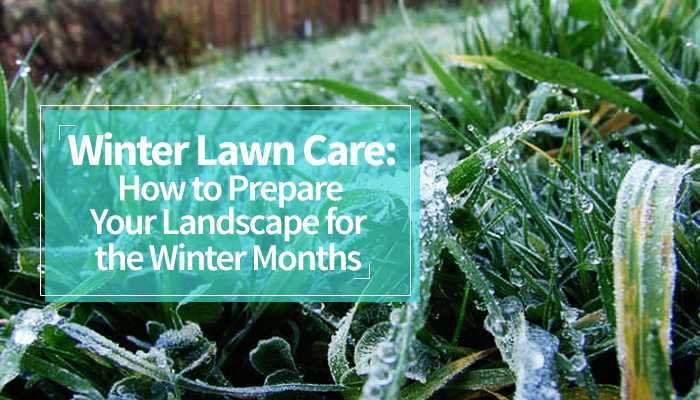
To keep your lawn healthy through the winter, focus on minimizing foot traffic, removing debris, and avoiding heavy fertilization until spring. Cover your grass with a light layer of mulch or straw if snow is scarce, and keep off it when it’s frozen. Regularly remove leaves and debris to prevent mold and disease, and consider aerating your lawn before the cold sets in.
A well-maintained lawn during winter may seem impossible, but with some simple steps, you can protect your grass and prepare it for a lush spring. Proper winter lawn care involves balancing protection with minimal intervention, ensuring your yard remains healthy despite the cold months. In this article, we’ll explore how to care for your lawn during the chilly season, so you can enjoy a green and vibrant yard when warmer days return.

Lawn Care During Winter Months
Understanding the Winter Effect on Your Lawn
During winter, your lawn experiences many changes that can affect its health and appearance. Cold temperatures, frost, and snow can create stress for grass and plants. It is important to recognize these challenges so you can take proper care to protect your lawn.
Frost forms when temperatures drop below freezing, which can damage grass blades. Snow acts as an insulating layer but can also cause problems if left on the lawn for too long. Knowing how these elements impact your yard helps you make better decisions about winter lawn care.
Preparing Your Lawn Before Winter Arrives
Preparation is essential to keep your lawn healthy through the cold months. Begin by trimming your grass slightly shorter than usual in late fall. This prevents disease and reduces the risk of snow mold.
Clean up leaves, twigs, and debris from your yard regularly. Accumulated debris can trap moisture and encourage fungal growth. Applying a winter fertilizer helps provide nutrients your grass needs to survive the dormant season.
Choosing the Right Fertilizer
Select a fertilizer high in potassium, which enhances cold tolerance and strengthens roots. Avoid heavy nitrogen feeds late in the season, as they can stimulate growth that is vulnerable to winter damage. Use a slow-release formula for gradual nutrient absorption.
Raking and Lawn Debris Removal
Remove fallen leaves and lawn debris completely. These materials retain moisture and can lead to disease development over winter. Raking also helps prevent mold and keeps air circulation optimal.
Best Practices During Winter
Maintaining your lawn during winter involves careful attention to environmental conditions and proper maintenance techniques.
Managing Snow and Ice
Avoid walking on snow or ice-covered lawns to prevent compacting soil and damaging grass roots. If snow accumulates, gently remove it when possible to prevent excessive weight and potential damage.
Use sand or non-clumping ice melts carefully, as some products can harm your grass or soil. Opt for pet-safe de-icers with minimal chemical impact.
Watering Strategies in Cold Weather
Watering during winter is less frequent but still necessary if the weather is dry. Only water when the soil is not frozen and the temperature is above freezing to prevent ice formation. Keep soil moist to support roots and prevent dehydration.
Protecting Your Lawn from Heavy Snow
Use mulch or straw to cushion heavy snow and protect delicate grass. Avoid piling snow in thick layers on your lawn, as it can cause suffocation and mold growth.
Dealing with Common Winter Lawn Challenges
Some issues may arise during cold months. Addressing these promptly keeps your lawn healthy.
Preventing Frost Heaving
Frost heaving occurs when freezing and thawing push grass and soil upward. Gently level areas if you notice uneven patches. Avoid excessive foot traffic to minimize disturbance.
Controlling Snow Mold
Snow mold is a fungal disease that thrives under snow cover. Properly removing debris and ensuring good airflow can reduce its risk. Avoid overwatering and overcrowding plants or grass.
Handling Dormant Grass
It’s normal for grass to turn brown and appear dead in winter. Do not mow or fertilize during dormancy. Simply wait until warmer weather signals active growth.
Post-Winter Lawn Recovery
As the weather warms up, your lawn needs gentle care to recover from winter stress.
Spring Aeration and Overseeding
Aerate your lawn to improve soil drainage and reduce compaction. Overseeding helps fill in bare patches and promotes thick, healthy growth.
Early Spring Lawn Feeding
Apply a balanced fertilizer to boost new growth. Use a product appropriate for your grass type, and follow recommended application rates.
Gradual Mowing Resumption
Begin mowing at a higher setting, gradually lowering it as grass begins to grow actively. Keep mower blades sharp for clean cuts that prevent disease.
Additional Tips for Winter Lawn Care
– Regularly inspect your yard for signs of pests or disease.
– Avoid heavy foot traffic on icy or frosty grass to prevent damage.
– Use appropriate tools and techniques for snow removal.
– Keep your soil well-drained to prevent waterlogging.
– Plan your lawn care schedule ahead to ensure timely maintenance.
Related Topics for Better Lawn Care
- Choosing the Best Grass Types for Cold Climates
- Importance of Soil Testing and Amendments
- How to Prevent and Treat Lawn Diseases
- Effective Lawn Irrigation Techniques Year-Round
- Tips for Sustainable and Eco-Friendly Lawn Care
Maintaining your lawn during the winter months requires patience and proper techniques. By understanding how to protect and prepare your yard, you can enjoy a healthy, lush lawn when spring arrives. Consistent care, combined with seasonal adjustments, helps your grass endure harsh conditions and recover quickly in the new season.
How When and Why To Winterize Your Lawn
Frequently Asked Questions
How can I protect my lawn from winter damage?
Properly preparing your lawn before the coldest months can significantly reduce winter damage. Rake up leaves and debris that can smother grass and create mold. Apply a layer of compost or topsoil to provide insulation and nutrients. Avoid foot traffic on frozen or snow-covered grass to prevent compaction and tearing. Using a winterizer fertilizer with slow-release nutrients can also strengthen grass roots to withstand harsh weather.
What is the best way to manage snow and ice on my lawn?
Clear snow promptly using a snow rake or a broom to prevent excessive buildup, which can suffocate grass and promote mold growth. Avoid using salt or harsh chemicals, as they can damage the grass and soil. Instead, opt for sand or gravel to improve traction without harming your lawn. If ice forms, consider applying calcium magnesium acetate, a less corrosive de-icer, to minimize damage.
Should I mow my lawn during winter months?
Generally, you should avoid mowing during winter unless the grass is actively growing and the weather allows it. If the grass is growing, keep the mower blades sharp and cut to a height of about 2.5 to 3 inches. This height helps insulate the roots and prevents frost damage. In colder regions, it’s best to let the lawn go dormant and refrain from mowing until warmer weather returns.
How often should I water my lawn in winter?
Water your lawn sparingly during winter, providing just enough moisture to prevent the grass from drying out, especially in periods of mild weather. Overwatering can lead to fungal issues and promote disease. Focus on watering during dry spells when the ground is not frozen, and always avoid watering when frost is present, as this can create ice patches.
What steps can I take to prepare my lawn for spring after winter?
In early spring, remove any remaining debris and dead grass to prevent disease. Aerate the soil to improve air and water penetration. Apply a balanced fertilizer to encourage healthy growth. Reseed or overseed thin areas to promote a lush, even lawn. Keep foot traffic to a minimum and adjust mowing heights gradually as the grass begins to grow actively.
Final Thoughts
Lawn care during winter months requires attention to prevent damage and ensure healthy growth in spring. Regularly clear away fallen leaves to avoid mold and pests. Avoid heavy foot traffic on frozen grass to prevent damage. Applying winter-specific fertilizers helps roots stay strong.
By taking these steps, homeowners protect their lawns from harsh weather effects. Proper winter care preserves grass health and prepares it for the upcoming seasons. Ultimately, consistent effort during winter pays off with a lush, healthy lawn in spring.