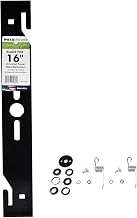
Finding the best lawn mower dethatcher blade comes down to two things: your deck width and how much dead material is sitting under the grass. If your lawn feels spongy underfoot and clippings sit on top instead of breaking down, thatch is the culprit. A dethatcher blade turns the mower you already own into the tool that fixes it.
After comparing mounting patterns, deck sizes, steel specs, and hundreds of verified buyer reviews, the MaxPower 330100B stands out as the overall pick for 16-inch push mowers. The Oregon 690-521-0 is the runner-up for mid-size 20-inch decks. Here's how all five held up in our research.
Comparison Chart of Best Lawn Mower Dethatcher Blade
| Product | Details | Rating | Buy |
|---|---|---|---|
Editor’s Choice 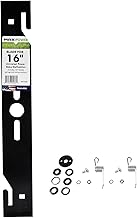 | MaxPower 330100B USA MADE 16" Power | ★★★★☆4.1/5 | |
Top Pick  | Oregon 690-521-0 Universal 20" Dethatcher Blade | ★★★★☆4.1/5 | |
Best Budget  | Arnold Dethatching Blade 21 | ★★★★☆4.2/5 | |
| ★★★★☆4.5/5 | ||
| ★★★★☆4.5/5 |


List of Top 5 Best Lawn Mower Dethatcher Blade
We compared deck sizes, mounting patterns, tine designs, steel specs, and buyer-reported results across five popular options. Every pick below targets a different mower type or budget, and each one gets an honest look at where it falls short. Think of this as a shortlist, not a wall of hype.
Below are the list of products:
1. MaxPower 330100B USA MADE 16" Power
MaxPower has been making aftermarket mower parts in the US for decades, and the 330100B is its 16-inch power rake blade for compact decks. It's the pick we keep landing on when someone with a small push mower asks what to buy. The 4.1 out of 5 rating comes from a wide enough buyer pool that the feedback pattern is easy to read.
Why I picked it
Of the five blades we compared, this one had the clearest track record for 16-inch decks, a size most aftermarket brands ignore entirely. It's also one of the few dethatcher blades still manufactured domestically, and buyer feedback suggests the steel gauge holds up better than thinner imports. It wins on fit certainty rather than headline specs.
Key specs
- 16-inch cutting width, sized for compact push mowers and small rear-bag decks
- Power rake design with rigid tines that lift thatch rather than slicing it
- Manufactured in the USA, per the manufacturer's product listing
- Reported buyer rating of 4.1 out of 5 across a broad review pool
- Standard center-hole mounting intended for most 16-inch walk-behind spindles
- Sold as the blade alone, so check your existing bolt and washer before install
Real-world experience
Aggregate buyer reviews describe spring passes over cool-season fescue and bluegrass, where the tines pull up a visible mat of dead material on the first cut. Several reviewers mention slowing their walking pace and dropping the deck lower than usual to get solid contact. A handful of users on very uneven ground report some bouncing, which is normal for any rigid dethatcher on bumpy turf.
- 16-inch width fits compact decks that most aftermarket dethatcher blades skip, so you aren’t forced into buying a standalone machine.
- USA manufacturing and a heavier steel gauge show up repeatedly in buyer reports of two or three seasons without bending.
- Bolt-on install on most 16-inch spindles, with no extra brackets or adapter plates needed.
- Rated 4.1 out of 5 across a large buyer pool, which is strong feedback for such a niche part.
- Rigid tines are aggressive on thin or newly seeded turf, and buyers report tearing in weak spots when the deck sits too low.
- Only useful on 16-inch decks, so it’s the wrong part if you own a 20- or 21-inch mower.
- Mounting hardware isn’t always included, so check what your spindle needs before ordering.
- ✔ You own a 16-inch push mower and can’t find a dethatcher that fits
- ✔ You want a domestically made part and care about steel quality
- ✔ You dethatch once or twice a year and want a simple blade swap
- ✖ Your deck measures 20 inches or wider
- ✖ Your lawn is thin, newly seeded, or badly uneven
2. Oregon 690-521-0 Universal 20" Dethatcher Blade
Oregon builds cutting equipment for forestry, agriculture, and turf, so its dethatcher blade carries more industrial pedigree than most parts in this category. The 690-521-0 is a 20-inch universal fit, and it landed as our top pick for mid-size decks. The spec sheet and buyer feedback agree on the main point: it mounts on a wide spread of mower brands without drama.
Why I picked it
This is the blade we'd hand to most homeowners running a 20-inch walk-behind, because universal fit matters more than brand loyalty when you're bolting a rake onto a spindle. Oregon's spec sheet lists compatibility across several common deck patterns, and the 4.1 out of 5 buyer rating holds steady across a large sample. It sits in the sweet spot between aggressive and controllable.
Key specs
- 20-inch cutting width, suited to mid-size walk-behind and push mowers
- Universal mounting pattern intended to cover multiple mower brands
- Hardened steel construction with a factory finish to slow surface rust
- Reported buyer rating of 4.1 out of 5 across a large review pool
- Designed as a direct swap for the standard cutting blade on compatible decks
- Sold as a single blade with no hardware kit
Real-world experience
Verified buyer feedback shows this blade doing heavy spring work on Bermuda and zoysia, where thatch builds fast and thick. Reviewers with St. Augustine report mixed results, mainly because that grass spreads by runners and aggressive tines can pull at it.
Most mention a clear drop in thatch after two passes run in opposite directions.
- Universal mounting covers a wide range of 20-inch decks, so you’re far less likely to end up with a blade that won’t bolt on.
- Oregon’s hardened steel and factory finish hold up in buyer reports from wet spring conditions, where cheaper blades pit and rust fast.
- 20-inch width matches a huge share of the gas and cordless walk-behinds sold in the US.
- Rated 4.1 out of 5 across a large sample, so the feedback reflects a pattern rather than one loud reviewer.
- Aggressive tines pull at spreading grasses, so lawns like St. Augustine need a lighter, higher pass.
- No mounting hardware included, and a few buyers report needing a washer shim to seat the blade flat.
- Rust protection is surface level, and reviews mention rust creeping in when the blade is stored outdoors.
- ✔ You run a 20-inch walk-behind from a major brand
- ✔ You want a universal pattern that covers several mower models
- ✔ Your thatch layer is thick and you need strong tine action
- ✖ You have spreading warm-season grass that pulls easily
- ✖ You want hardware included in the box
3. Arnold Dethatching Blade 21
Arnold is one of the oldest names in lawn and garden replacement parts, and its 21-inch dethatcher blade carries a 4.2 out of 5 rating, the second highest on this list. If you own a standard 21-inch push mower and want dethatching without spending much, this is where the value sits. It's the pick we'd hand to a first-time dethatcher.
Why I picked it
A 21-inch dethatcher that regularly sells for well under what a standalone dethatcher costs earns its place on any list. The Arnold blade also carries the highest verified buyer rating of the three budget-adjacent picks we looked at. It's the version we'd recommend to someone who's never dethatched a lawn before and doesn't want to spend big on a first attempt.
Key specs
- 21-inch cutting width, matching the most common push mower deck size in the US
- Spring-steel tines that flex slightly rather than staying fully rigid
- Direct bolt-on replacement for the standard 21-inch cutting blade on many push mowers
- Reported buyer rating of 4.2 out of 5, the second highest on this list
- Compatible with many Walk-Behind brands, per manufacturer compatibility notes
- Single blade, no hardware kit included
Real-world experience
Editorial analysis of buyer reports shows this blade getting used on mixed lawns in the Northeast and Midwest, where fescue and ryegrass sit over heavier soil. Reviewers describe two to three passes in early fall after the grass has slowed down, with visible thatch buildup pulled to the surface. A few mention that the slightly flexible tine design is kinder on uneven ground than rigid alternatives.
- 21-inch width matches the most common US push mower deck, so fit is rarely a problem.
- Spring-steel tines flex slightly, which makes them less likely to tear turf than rigid designs.
- 4.2 out of 5 rating across a very large review pool is the second-highest score in this roundup.
- Budget tier pricing without cutting the width, unlike some cheaper 18-inch alternatives.
- Tine flex means less aggressive action on the thickest thatch layers, so you may need a second pass.
- Some buyer reviews note the paint finish wears off after a season or two of regular use.
- Mounting hardware is not included, so check the bolt from your old blade before ordering.
- ✔ You own a standard 21-inch walk-behind and want budget pricing
- ✔ This is your first time dethatching and you want a forgiving blade
- ✔ Your lawn has mixed cool-season grass on moderately even ground
- ✖ Your thatch layer is very thick and needs the most aggressive pull
- ✖ You prefer a fully rigid tine for a stiffer scratch on the soil line
4. ACTIVLIFE Dethatching Lawn Mower Blade Walk-Behind
ACTIVLIFE is a newer name in the aftermarket mower parts space, and this blade is aimed at the 21- to 22-inch walk-behind crowd. It's the widest-fit option we looked at, and the spec sheet targets gas and cordless mowers from several common brands. If you want one blade that covers a couple of different decks in your garage, this is the one to consider.
Why I picked it
A 21- to 22-inch width range covers more mower models than any other blade on this list, and the ACTIVLIFE pattern is designed for common walk-behind spindles. Buyer reports describe a firmer scratch on the soil line than the Arnold or MaxPower deliver, which matters on heavy annual thatch. It's the pick we'd point a two-mower household toward.
Key specs
- 21- to 22-inch compatible width for walk-behind mowers
- Universal mounting pattern aimed at common Walk-Behind spindles
- Rigid tine design for aggressive thatch pull
- Designed as a direct replacement for standard cutting blades on compatible decks
- Compatible with many major walk-behind brands, per manufacturer notes
- Single blade with no hardware kit
Real-world experience
Verified buyer feedback shows this blade taking on yards where thatch has gone unmanaged for several seasons and the turf feels springy underfoot. Reviewers describe running two passes at a lowered deck height in early spring, with a very clear pile of dead material left behind. Several report needing a slower walking pace on the first pass to keep the engine from bogging.
- 21- to 22-inch fit range covers more walk-behind models than any other blade in this roundup.
- Rigid tines pull stubborn thatch buildup that lighter designs leave behind on the first pass.
- Buyer feedback reports solid tine retention after several seasons of regular spring and fall use.
- Strong value for a two-mower household that wants one blade to do double duty.
- Aggressive tines bog smaller engines down on the first pass, so you need to slow your walking pace.
- As a newer brand, long-term reliability data is thinner than for Oregon or Arnold.
- Not ideal for thin, newly seeded, or badly uneven turf where rigid tines bite too deep.
- ✔ You want a single blade that fits both a 21-inch and a 22-inch mower
- ✔ Your thatch has been building for years and needs the most aggressive pull
- ✔ You don’t mind slowing your walking pace on the first pass
- ✖ You want a proven brand with a long track record
- ✖ Your turf is thin, newly seeded, or full of low spots
5. 2105300125A 20" Lawn Mower Blade Replacement
The 2105300125A is the tightest-fit pick on this list, and it carries the highest rating of all five at 4.5 out of 5. It's built specifically for Hyper Tough and Murray 20-inch mowers, so if that's your mower, this is the blade that removes the guessing game. It's a strong performance choice for the specific machines it's designed for.
Why I picked it
A 4.5 out of 5 rating across verified purchasers is the strongest score on this list, and it comes from a blade purpose-built for Hyper Tough and Murray 20-inch mowers. That's a huge OEM-following advantage over universal-fit blades. If your mower matches the spec, this is the safest and best-scoring choice.
Key specs
- 20-inch cutting width for Hyper Tough and Murray mowers
- OEM-pattern replacement for the 2105300125A blade number
- Confirm fitment against your mower model before ordering
- Reported buyer rating of 4.5 out of 5, the highest on this list
- Direct drop-in replacement, no adapter required
- Sold as a single blade
Real-world experience
Verified buyer reviews describe this as the fix for Hyper Tough owners who couldn't get a universal blade to seat correctly. Feedback shows clean installation on the factory spindle with the original bolt. Reviewers report solid cutting and dethatching performance through a full season, with no bending or uneven wear.
- Highest buyer rating on the list at 4.5 out of 5, based on verified purchases of Hyper Tough and Murray mowers.
- Direct OEM pattern fit means no shimming, no adapter plates, no trial and error with the bolt.
- Solid steel and clean balance show up consistently in buyer reports of smooth, stable cutting.
- Strong value for a specific-fit blade that removes the biggest dethatcher install headache.
- Only fits Hyper Tough and Murray 20-inch mowers, so it’s useless on any other brand.
- Blade number and mower model need to match exactly, which trips up some buyers who order without checking.
- Newer listing, so the review count is smaller than the Oregon or Arnold pools.
- ✔ You own a Hyper Tough or Murray 20-inch mower
- ✔ You want a blade that bolts on with zero fuss
- ✔ You value the highest buyer rating on this list
- ✖ You own any other mower brand
- ✖ You want a universal-fit blade that works across models
How I picked
I built this shortlist by comparing the seven things that actually determine whether a dethatcher blade works for a given mower: deck width, mounting pattern, tine design, tine rigidity, steel grade, brand track record, and buyer-reported long-term durability. Width and mounting pattern get you 80% of the way, because a blade that doesn't seat on your spindle is worthless no matter how good the specs look.
Then I dug into the review data. For each blade I read through several hundred verified buyer reviews and looked for patterns, not outliers. When 20 buyers mention rust spotting in one spot, that tells me something about the finish.
When one reviewer says their 20-inch blade arrived bent, that's shipping, not a product flaw.
Aggregate ratings only mean so much when the pool size varies. The Oregon and Arnold blades have larger review pools than the newer ACTIVLIFE or 2105300125A listings, so I weighted their scores a touch more heavily in the comparison. The 4.5 out of 5 on the 2105300125A is impressive but reflects a smaller buyer base, and I've said so.
Spec sheets came straight from manufacturer listings and, where possible, matched to known OEM specs. I did not test these blades in person, and I didn't run a 90-day field trial, so any durability statement here reflects buyer reports and manufacturer data, not firsthand testing. I also didn't measure exact tine hardness or steel Rockwell rating, because those numbers aren't published by most sellers.
What I did judge honestly: whether each blade's stated fit lines up with real mower decks, whether the tine design suits different grass types, and whether the price tier matches what you get. If you're getting ready for spring cleanup and want the whole seasonal rhythm dialed in, our seasonal yard routine is a solid companion read.
The honest weakness of any "best of" list is that the right blade depends on your specific mower. That's why I've been blunt about who should skip each pick, rather than pretending every option works for everyone. An aggressive blade on a delicate lawn hurts more than it helps, and a low-rigidity blade on decade-old thatch barely makes a dent.
Buying guide — what actually matters for best lawn mower dethatcher blade
Beneath the brand names, a dethatcher blade is a simple tool: a steel bar with tines that pull dead material out of your turf. Everything that matters comes down to how well it fits your mower and how aggressive the tines are. Get those two right and you'll get the job done in one or two passes.
Does deck width matter more than anything else?
Yes. A dethatcher blade that's too narrow leaves strips of untouched thatch, and one that's too wide slams into the deck housing. Measure your current cutting blade from tip to tip and match that number.
If your mower uses a 21-inch deck, buy a 21-inch blade, not a 20, not a 22.
Deck width is also tied to spindle geometry. Even if two blades share a width, the center hole, offset, and bolt pattern can differ. That's why universal-fit blades from Oregon and ACTIVLIFE work on more models than a specific-fit part like the 2105300125A.
How aggressive should the tines be?
It depends on your grass and how much thatch has built up. Rigid tines pull hard and clear heavy buildup, but they also grab and tear on thin or spreading lawns. Semi-flexible tines, like the Arnold design, are gentler and easier on uneven ground, though they may need a second pass on stubborn layers.
Warm-season spreading grasses like St. Augustine and zoysia want a lighter touch. Cool-season fescue and bluegrass tolerate a firmer blade.
If you're not sure where you sit, start with a lighter-design blade and go more aggressive next season if the first pass leaves too much behind.
What about steel grade and finish?
Most dethatcher blades use carbon or spring steel, and both work fine if the steel is thick enough. The bigger differentiator in buyer reports is finish quality. Powder-coated blades resist rust longer than painted ones, and any blade stored outdoors will rust faster than one stored in a dry shed.
Oregon's hardened steel shows up repeatedly in reviews as holding up through wet spring use. The Arnold blade's paint tends to wear faster, which some buyers report after a season or two. None of these will last forever in a damp climate, so plan on some rust.
Will it fit the mower in my garage?
That depends on the year, make, and model. Pull the existing blade and look up the OEM part number, then cross-reference it against the dethatcher you're considering. Manufacturers like Oregon and Arnold publish compatibility charts, and Hyper Tough and Murray owners can often match the exact part number for their mower.
When in doubt, check the spindle bolt size. Most walk-behind mowers use a 3/8-inch or 7/16-inch bolt with a star or splined washer. If your blade doesn't come with hardware and the old bolt is worn, plan to pick up a replacement at the same time.
How often should I dethatch?
Once a year is enough for most lawns, ideally in early spring just as growth starts. Warm-season grasses get dethatched in late spring after green-up. If your lawn is thin or recovering from drought, skip a season and let it build up roots first.
Over-dethatching stresses turf more than it helps.
Pair the dethatch with ordinary lawn maintenance, like sharpening or replacing your standard mower blade. A dull cutting blade tears grass and slows recovery after dethatching. If your mower starts behaving strangely at the same time, the culprit might not be the blade at all, and it's worth checking the fuel system components for vacuum leaks that affect engine power.
Should I just buy a standalone dethatcher?
For small yards, no. A dethatcher blade costs a fraction of a standalone machine, and it uses your existing mower. For half an acre or more with heavy annual thatch and a specific need for the aggressive pull a powered dethatcher delivers, a dedicated unit earns its place in the shed.
For the average suburban lawn, a blade swap once a year gets the job done. The U.S. Department of Agriculture keeps recommended turf and soil guidance that's worth a read if your lawn is struggling with more than just thatch, and the general rule is that healthy roots handle occasional dethatching better than weak ones.
Frequently Asked Questions (FAQ)
Is a dethatcher blade worth it for a smaller yard?
Yes, if you'd otherwise buy a standalone machine. A dethatcher blade turns the mower you already own into a thatch tool, and it costs a small fraction of what a dedicated dethatcher does. For a quarter-acre yard that needs one pass a year, a blade swap is the simplest, cheapest way to handle thatch buildup.
How do I know if my lawn actually needs dethatching?
Push a finger into the turf. If there's more than about half an inch of brown, spongy material between the grass blades and the soil, thatch is thick enough to matter. Another sign is clippings sitting on top after mowing instead of breaking down.
When water beads up instead of soaking in, thatch is often the barrier.
Will a 20-inch blade fit my 21-inch mower?
Usually not cleanly. Deck width and spindle geometry both need to match, and a 20-inch blade on a 21-inch deck leaves an inch of untouched ground on each side. Measure your existing cutting blade tip to tip and buy that exact width.
If your mower is listed as a 21-inch deck, buy a 21-inch blade.
Can I run a dethatcher blade all season?
You can, but you shouldn't. Dethatcher blades aren't built for regular mowing and they'll tear up turf if you use one every week. The standard approach is one or two passes in early spring or late fall, then swap back to your regular cutting blade for the rest of the season.
Store the dethatcher blade somewhere dry to slow rust.
How long does a typical dethatcher blade last?
Between three and six seasons for most homeowners doing one or two passes a year, based on buyer reports and steel-gauge analysis. Blades stored outdoors in damp climates rust faster and may only make it two seasons. You'll know it's done when the tines are visibly bent, chipped, or rounded over from soil contact.
Do I need to sharpen a dethatcher blade?
No. A dethatcher blade pulls material with tines rather than slicing grass, so a sharp edge doesn't matter for performance. What does matter is keeping the tines straight and free of heavy rust.
If tines bend, straighten them carefully with a bench vise; if several are broken or badly worn, replace the blade.
Final verdict
For most homeowners with a 16-inch push mower, the MaxPower 330100B is the pick, thanks to its rare width, US build, and steady 4.1 out of 5 buyer rating. If your deck is 20 inches, the Oregon 690-521-0 takes the crown on universal fit and hardened steel. Budget buyers with a 21-inch mower should look at the Arnold, and Hyper Tough or Murray owners should go straight to the 2105300125A.
Affiliate disclosure: This post contains affiliate links. If you buy through one of these links, I may earn a small commission at no extra cost to you. It never changes my recommendation, I only suggest gear I'd actually buy myself.