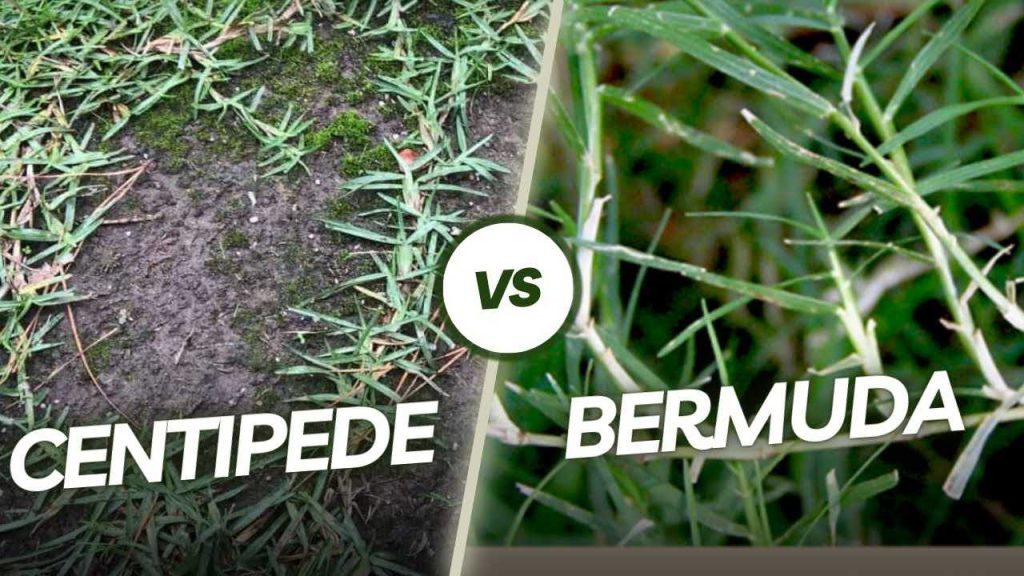
For a lush, green yard that stands out, choosing between Bermuda grass and Centipede grass can make all the difference. Bermuda grass is known for its durability and vibrant color, while Centipede grass offers a low-maintenance, softer alternative. The right choice depends on your climate, how much effort you’re willing to put into lawn care, and the look you’re aiming for.
**Short summary:** Bermuda grass is ideal for high-traffic areas and warmer climates due to its resilience, while Centipede grass is better suited for those wanting a low-maintenance, slow-growing lawn. Both have their unique benefits, so understanding your yard’s needs can help you decide which grass is the perfect fit.
Choosing the right grass for your yard can feel overwhelming with so many options available. Bermuda and Centipede grass are two popular choices, each offering distinct advantages. Bermuda grass thrives in hot climates, provides a dense, durable turf, and is perfect for active households or sports fields. On the other hand, Centipede grass is a low-maintenance, slow-growing variety that requires less mowing and fertilizing, making it ideal for homeowners who prefer a more relaxed lawn care routine. Deciding between these two comes down to your climate, your desired level of upkeep, and the aesthetic you prefer. By understanding their unique qualities, you can pick the grass that will most beautifully complement your outdoor space and lifestyle.

Bermuda Grass versus Centipede Grass: A Detailed Comparison
Introduction to Both Grasses
Bermuda grass and centipede grass are two popular turf options, especially in warm climates. Both grasses have unique qualities that make them suitable for different lawn needs. Understanding their differences helps homeowners decide which grass type fits their lifestyle and yard conditions better.
Origin and Popularity
Bermuda grass originates from Africa and Asia but is widely cultivated in the southern United States. It is favored for its durability and dense growth. Centipede grass, native to the southeastern US, is appreciated for its low maintenance requirements and soft texture. Both grasses have gained popularity due to their heat tolerance and resilience.
Growth Habits and Appearance
Bermuda grass has a vigorous, aggressive growth pattern that spreads quickly through runners. It produces a fine to medium texture with a lush green color. Centipede grass grows more slowly and forms a dense, low-growing turf with a coarse texture and a pale green shade.
Growth Speed and Spread
- Bermuda grass: Known for rapid establishment and spreading, forming a thick carpet in a short period.
- Centipede grass: Slower to grow, which helps reduce overgrowth and makes it easier to control.
Visual Characteristics
| Feature | Bermuda Grass | Centipede Grass |
|---|---|---|
| Color | Bright, vibrant green | Pale, duller green |
| Texture | Fine to medium | Coarse and thick |
| Density | Very dense when well-maintained | Moderately dense |
Climate and Soil Requirements
Both grasses thrive in warm, sunny environments but have different soil preferences.
Temperature Tolerance
Bermuda grass thrives in temperatures between 75°F to 95°F and can handle heat stress better than many grasses.
Centipede grass prefers slightly cooler conditions within its optimal range of 70°F to 85°F but still performs well in warm climates.
Soil Conditions
- Bermuda grass: Prefers well-draining, sandy soils with a pH between 6.0 and 7.0.
- Centipede grass: Grows best in acidic soils with a pH between 5.0 and 6.0, and prefers sandy, moderately moist soils.
Watering and Maintenance Needs
Understanding watering and care routines helps keep the grass healthy and attractive.
Water Requirements
- Bermuda grass: Requires regular watering, especially during hot dry periods, to maintain its lushness.
- Centipede grass: More drought-tolerant and needs less frequent watering, making it ideal for low-maintenance lawns.
Maintenance Tasks
Bermuda grass needs periodic dethatching, aeration, and fertilization to stay healthy and prevent overgrowth.
Centipede grass generally requires less fertilization and minimal dethatching, simplifying lawn care routines.
Pest and Disease Resistance
Both grasses face different vulnerabilities and require vigilant management.
Common Pests
- Bermuda grass: Susceptible to armyworms, grub worms, and chinch bugs.
- Centipede grass: Less affected by pests but can attract mole crickets.
Diseases
Bermuda grass can develop fungal issues like dollar spot and brown patch, especially in humid conditions.
Centipede grass tends to be more resistant but may suffer from leaf spot or rust if poorly maintained.
Durability and Usage Scenarios
Choosing between Bermuda and centipede grass depends on lawn use and foot traffic.
High Traffic Areas
- Bermuda grass: Excellent for sports fields and heavily used yards due to its robustness.
- Centipede grass: Better suited for low-traffic lawns, as it can become damaged under heavy use.
Shade Tolerance
Bermuda grass prefers full sun but can tolerate some light shade.
Centipede grass has better shade tolerance, making it suitable for lawns with partial shade.
Cost and Establishment Time
Budget considerations and time to establish are important factors.
Initial Cost
- Bermuda grass: Usually more expensive to install due to its fast spreading and need for more maintenance.
- Centipede grass: More affordable and easier to establish, especially from seed.
Establishment Period
Bermuda grass can establish quickly within weeks if properly seeded or sodded.
Centipede grass takes longer to fill in, often requiring a few months for full coverage.
Environmental Impact and Sustainability
Both grasses offer eco-friendly options when maintained properly.
Water Conservation
- Bermuda grass: Needs more water, which can be a concern in drought-prone areas.
- Centipede grass: Less water-dependent, making it more sustainable in dry conditions.
Fertilizer Use
Bermuda grass benefits from regular fertilization, which can lead to runoff if overdone.
Centipede grass needs minimal fertilization, reducing chemical inputs and runoff risks.
Summary of Key Differences
| Feature | Bermuda Grass | Centipede Grass |
|---|---|---|
| Growth Rate | Fast | Slow |
| Texture | Fine to medium | Coarse |
| Color | Bright green | Pale green |
| Water Needs | High | Low |
| Maintenance | Periodic fertilization and dethatching needed | Low maintenance |
| Shade Tolerance | Limited | Better |
| Ideal for | High traffic, full sun | Low traffic, partial shade |
Choosing between Bermuda grass and centipede grass depends on your lawn’s specific needs and your maintenance preferences. Bermuda grass offers versatility and durability, making it ideal for active yards. Centipede grass provides a low-maintenance, shade-tolerant option suited for calmer environments. Consider your climate, soil, foot traffic, and maintenance willingness when making your decision.
Centipede Grass vs Bermuda: Which One Is Right for You?
Frequently Asked Questions
How does the water requirement of Bermuda grass compare to that of centipede grass?
Bermuda grass generally needs more water to stay healthy and maintain its vibrant green color throughout the growing season. In contrast, centipede grass requires less frequent watering because it is more drought-tolerant. Homeowners should adjust their irrigation schedules based on local climate conditions to ensure each grass type receives adequate moisture without overwatering.
What are the typical mowing heights for Bermuda and centipede grass?
Bermuda grass thrives when kept at a height of about 1 to 1.5 inches, which promotes dense growth and a uniform lawn. Centipede grass prefers a slightly taller cut, around 1.5 to 2 inches, helping it resist weeds and adapt to its slower growth rate. Proper mowing maintains the health of each grass type and enhances lawn appearance.
Which grass type is better suited for high-traffic areas?
Bermuda grass adapts well to high foot traffic because of its dense and resilient nature. It recovers quickly from damage and maintains a lush appearance under stress. Centipede grass, while somewhat tolerant, is less vigorous and may suffer more noticeable damage in heavily used spaces, requiring more maintenance and repair efforts.
How do soil preferences differ between Bermuda and centipede grass?
Bermuda grass prefers well-drained, fertile soils with a slightly acidic to neutral pH. It grows vigorously in sandy or loamy soils that support its extensive root system. Centipede grass performs best in acidic, sandy soils with low fertility levels. It has a more limited ability to adapt to different soil conditions compared to Bermuda grass.
What are the main differences in disease resistance between the two grasses?
Bermuda grass generally exhibits stronger resistance to common turf diseases like brown patch and dollar spot, especially if properly maintained. Centipede grass tends to be more susceptible to diseases such as Rust and some fungal infections, which can affect its appearance and health. Regular lawn care and proper watering help manage these vulnerabilities.
Final Thoughts
Bermuda grass and centipede grass each offer distinct benefits for lawn care. Bermuda grass thrives in warm climates and recovers quickly from damage, making it ideal for high-traffic areas. Centipede grass requires less maintenance and tolerates poor soil conditions better.
Choosing between them depends on your climate and maintenance preferences. Both grasses create a lush lawn, but Bermuda excels in durability while centipede offers easier upkeep. Overall, understanding their differences helps you make the best choice for your yard.