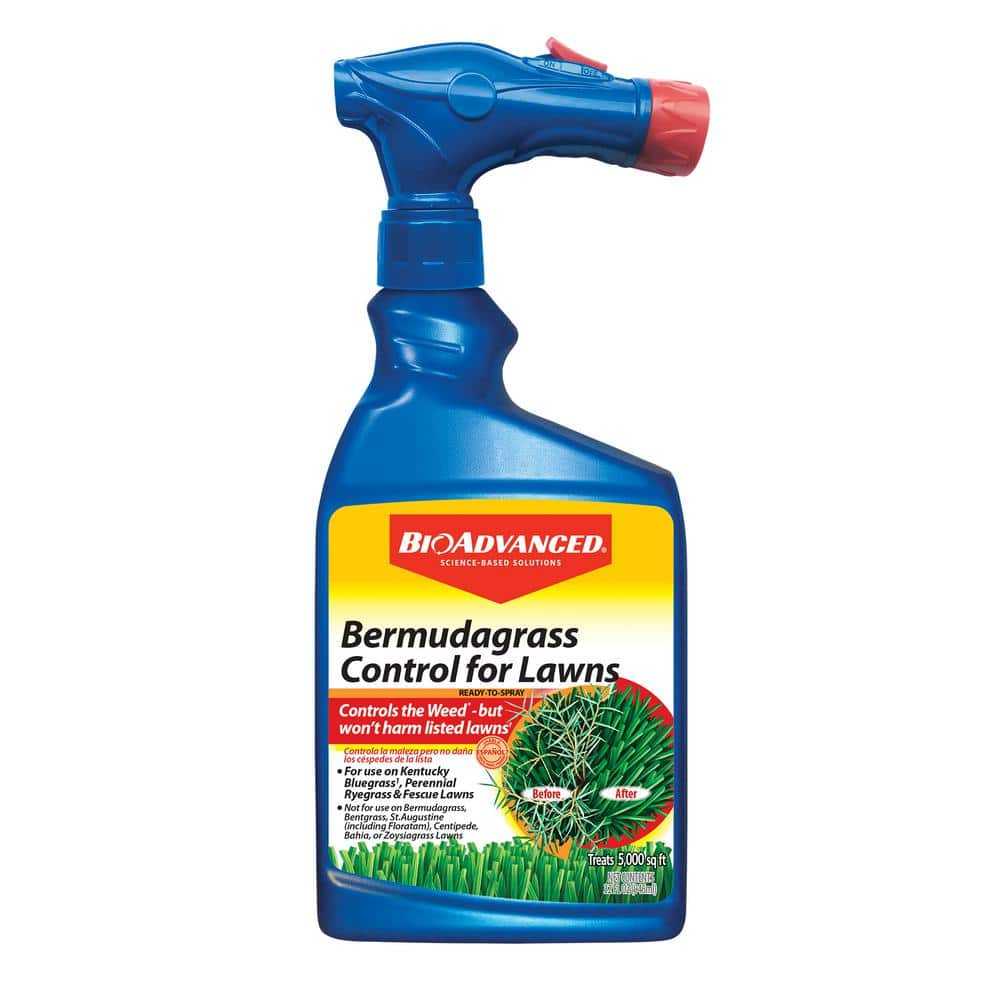
Looking to get rid of stubborn Bermuda grass quickly and effectively? A good Bermuda grass killer can help you reclaim your lawn and create the lush, uniform lawn you’ve always wanted. The key is choosing the right herbicide and applying it correctly to target those resilient roots without harming your other plants.
**For a straightforward solution, use a selective herbicide containing glyphosate or quinclorac designed specifically for Bermuda grass. Apply it carefully following the instructions, and be patient as it takes a few weeks to see results. Proper lawn management and repeated treatments may be necessary to fully eradicate Bermuda grass.**
If Bermuda grass has taken over your lawn, it can be frustrating to restore your desired turf. This vigorous, fast-growing grass often invades lawns where it’s not wanted, making it challenging to control. The best approach involves using the right chemical herbicides tailored for Bermuda grass, combined with proper lawn care techniques. Whether you’re aiming for a different grass type or just want to eliminate patches, understanding effective Bermuda grass killers will help you achieve a more beautiful, uniform lawn. In this article, we’ll explore the most effective products, application tips, and maintenance strategies to help you win the battle against Bermuda grass once and for all.

Bermuda Grass Killer for Lawns: How to Effectively Remove It and Maintain a Beautiful Yard
Understanding Bermuda Grass and Why It Can Be a Problem
Bermuda grass is a warm-season grass known for its durability and fast growth. While it can make a sturdy lawn, it often becomes invasive and overpowers other grass types. Homeowners may find it difficult to control once it spreads beyond desired areas. When Bermuda grass takes over, it can ruin the appearance of a well-planned lawn.
Signs That You Need a Bermuda Grass Killer
Identify Bermuda grass by its bright green color and dense, low-growing mat. It tends to spread quickly and forms a thick carpet that crowds out other plants. If your lawn shows patches of this aggressive grass, it is time to consider a removal strategy. Ignoring it can lead to a monoculture, reducing the diversity and health of your yard.
Choosing the Right Bermudagrass Killer for Your Lawn
Selecting the proper Bermuda grass killer depends on your garden size, the extent of invasion, and whether you want a selective or non-selective herbicide. Read product labels carefully to ensure compatibility with your grass type. For smaller infestations, spot treatments may suffice, but larger areas might require a broader approach.
Types of Herbicides Suitable for Bermudagrass Control
- Non-Selective Herbicides: These kill all plants they contact. Examples include glyphosate-based products, ideal for clearing entire sections.
- Selective Herbicides: Designed to target Bermuda grass without harming desirable grasses. Examples include fluazifop-p-butyl and sethoxydim.
Always remember to follow the manufacturer’s instructions for effective and safe application.
Applying Herbicides Effectively
Before applying herbicides, ensure the weather is calm to prevent drift onto other plants. Use a backpack sprayer or weed wand for precise application. Apply herbicides during active growth periods, usually in late spring or early summer, for best results.
Tips for Successful Herbicide Application
- Mix herbicides according to label instructions to avoid under or over-application
- Apply to dry, sunny days to enhance absorption and effectiveness
- Repeat treatments may be necessary for complete eradication
Be patient, as Bermuda grass can be stubborn and may require multiple treatments.
Manual Removal Methods for Bermuda Grass
For sensitive areas or if you prefer organic options, manual removal can be effective. Use a sharp shovel or garden fork to dig out Bermuda grass patches. Carefully extract entire roots to prevent regrowth.
Benefits of Manual Removal
- No chemicals involved, safe for pets and children
- Good for small infestations or targeted areas
- Provides immediate visual results
Regularly inspect and remove new shoots to prevent re-establishment.
Preventing Bermuda Grass from Returning
Maintaining a healthy, dense lawn is key to preventing Bermuda grass from invading again. Proper mowing, watering, and fertilizing help your grass stay strong. Aerate your lawn periodically to improve soil health and reduce Bermuda grass’s ability to take hold.
Best Practices for Lawn Maintenance to Deter Bermuda Grass
- Maintain optimal mowing height to shade out Bermuda grass
- Water deeply and infrequently to promote strong root systems
- Apply appropriate fertilizers to encourage the growth of desired grasses
- Overseed with tolerant grass varieties to fill gaps and reduce open spaces
Consistent lawn care minimizes the chances of Bermuda grass comeback.
Alternative Methods for Bermuda Grass Removal
Besides herbicides and manual removal, several eco-friendly strategies can help control Bermuda grass. Solarization, for example, involves covering infested areas with plastic to heat the soil and kill undesirable plants. This method works best in hot, sunny climates.
Other Organic Options
– Applying a thick layer of mulch over Bermuda grass can suppress growth.
– Using vinegar solutions may weaken small patches, but repeated applications are necessary.
– Smothering Bermuda grass with newspaper or cardboard is effective for small areas.
Combining Methods for Best Results
A multi-step approach often yields the best outcome. Start with manual removal to reduce the initial population. Follow with targeted herbicide application for residual plants. Regular lawn maintenance prevents re-infestation and keeps your grass healthy.
Additional Tips for Managing Bermuda Grass
For lawns with ongoing Bermuda grass issues, consider redesigning your yard layout. Creating garden beds, pathways, or installing ground covers can limit open spaces where Bermuda grass can thrive. Additionally, consulting with local lawn care experts can provide tailored solutions specific to your climate and soil conditions.
Common Mistakes to Avoid When Controlling Bermuda Grass
Avoid overwatering, which can promote Bermuda grass spread. Never mow too low, as this exposes the soil and encourages growth. Using the wrong herbicide or applying it improperly can lead to ineffective results or damage to other plants. Patience is essential; complete eradication often takes several seasons.
Final Thoughts on Bermuda Grass Killer for Lawns
Removing Bermuda grass requires a combination of effective herbicide use, manual removal, and attentive lawn care. Consistency in treatment and maintenance will gradually restore your yard’s beauty. With the right approach, you can control Bermuda grass and enjoy a lush, healthy lawn year-round.
Bermuda Grass Control for Lawns Product Review – Does it work?
Frequently Asked Questions
How can I determine if Bermuda grass is the problem in my lawn?
Identify Bermuda grass by its fine-textured blades and its growth pattern. It tends to spread quickly, forming dense patches with a vibrant green color. During the summer, Bermuda grass remains actively growing, making it easier to spot. If your lawn has these characteristics and the grass seems invasive, Bermuda grass may be the issue.
What are the best environmental conditions for applying Bermuda grass killer?
Apply Bermuda grass killer when the weather is warm and dry, ideally during late spring or early summer. Avoid applying during periods of heavy rain or high humidity, as this can dilute the herbicide and reduce its effectiveness. Morning applications on a clear day allow the product to absorb well and work effectively.
How long does it take to see results after applying Bermuda grass killer?
Results typically become visible within one to three weeks after application. You may notice the Bermuda grass turning yellow, brown, or dying back. For full eradication, it may require multiple treatments spaced several weeks apart, especially if the grass has extensive growth.
Are there any precautions I should take before applying Bermuda grass killer?
Before applying, clear the area of desirable plants, and avoid windy days to prevent drift. Wear protective gear such as gloves and masks, and follow the manufacturer’s instructions carefully. Keep children and pets away from the treated area until the product dries completely to prevent accidental ingestion or contact.
Can I use Bermuda grass killer on lawns with mixed grass types?
Yes, but be cautious. Some herbicides can harm other grass types or desirable plants. Read the label to ensure the product selectively targets Bermuda grass and is safe for your other lawn grasses. Consider spot-treating Bermuda patches to minimize damage to surrounding plants.
Final Thoughts
Using the right Bermuda grass killer for lawns can effectively eliminate unwanted Bermuda grass. Choose a product formulated for selective removal to protect your desirable grass. Apply it carefully according to instructions and avoid overuse.
Consistent application ensures better control and prevents Bermuda grass from spreading. Regular lawn maintenance helps maintain a healthy, lush yard.
In summary, selecting the appropriate Bermuda grass killer for lawns is essential for a beautiful, weed-free lawn. Proper use and maintenance lead to successful results and a healthier yard.