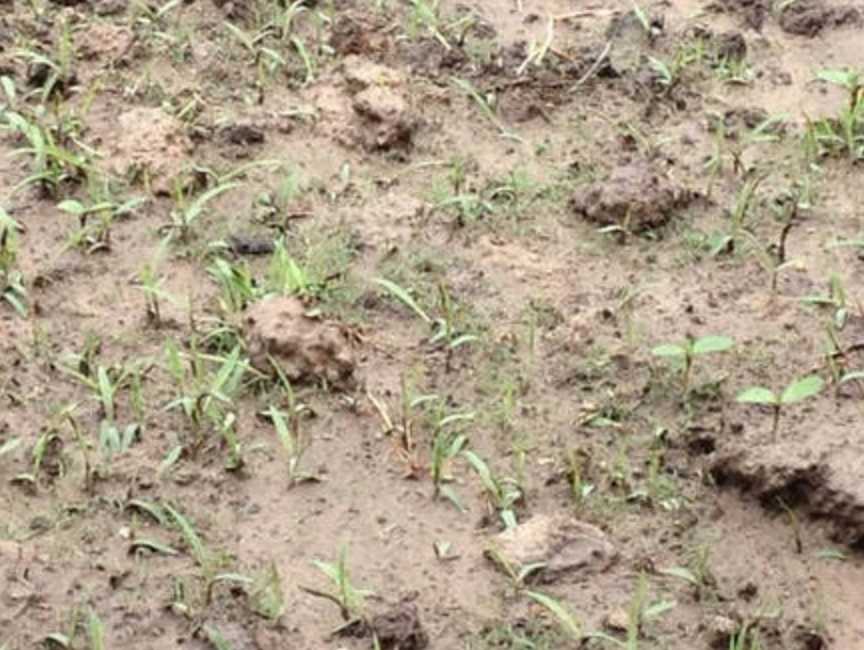
To sow Bermuda grass seed successfully, start by preparing the soil thoroughly, ensuring it’s well-drained and free of weeds. Spread the seeds evenly across the surface, then lightly rake and water regularly to keep the soil moist until the grass establishes. For best results, sow during warm weather when temperatures are consistently above 65°F, and avoid heavy traffic on the lawn until the grass is mature.
A quick solution: Prepare the soil, evenly spread the seeds, lightly rake, and keep the soil moist. Timing it right and proper watering are key to a lush Bermuda lawn.
Growing Bermuda grass from seed is an excellent way to create a vibrant, durable lawn, especially in warm climates. The process begins with selecting the right seed and ensuring your soil is primed for growth. Once the soil is loosened and free of weeds, spread the seed evenly over the area, then cover lightly with soil or compost. Regular watering is essential, especially during the first few weeks, to keep the soil consistently moist. Sowing during warm months ensures quicker germination and healthy growth. Patience and proper care will reward you with a lush, green Bermuda turf that’s perfect for play, relaxation, or aesthetic appeal.

How to Sow Bermuda Grass Seed: A Complete Guide for a Lush Lawn
Understanding Bermuda Grass and Its Benefits
Bermuda grass is a warm-season grass known for creating dense, green lawns that thrive in hot climates. It is drought-resistant, withstands heavy foot traffic, and grows quickly, making it a popular choice for lawns, sports fields, and parks. Knowing these benefits will help you decide if Bermuda grass suits your landscaping needs.
Choosing the Right Time to Sow Bermuda Grass Seed
Timing is crucial for successful Bermuda grass growth. The best period to plant Bermuda grass seed is late spring or early summer when soil temperatures reach at least 65°F (18°C). Planting during this window allows the grass to establish before the hottest and driest months. Avoid sowing in late fall or winter, as cold temperatures can hinder germination.
Preparing the Soil for Sowing Bermuda Grass
Proper soil preparation sets the foundation for healthy Bermuda grass. Start by removing any debris, weeds, or old grass from the area. Loosen the soil using a rake or tiller to a depth of about 4-6 inches (10-15 cm).
Improve soil fertility by mixing in organic compost or topsoil if needed. Test the pH level of your soil; Bermuda grass prefers a pH between 5.8 and 7.0. Adjust the pH accordingly using lime to raise it or sulfur to lower it.
Selecting the Right Bermuda Grass Seed
Choosing high-quality seed is key for establishing a thick, durable lawn. Look for Bermuda grass seed with a high germination rate and disease resistance. Select a seed variety suited for your climate and lawn usage, such as common or hybrid types.
When purchasing seed, check the label for purity and germination percentage. Quality seed ensures faster growth and minimizes the risk of weeds or poor establishment.
Calculating the Amount of Seed Needed
Proper seed quantity prevents under- or over-seeding your lawn. Typically, Bermuda grass seed is spread at a rate of 1 to 2 pounds per 1000 square feet (0.5 to 1 kg per 100 square meters).
Use a tape measure or a lawn area calculator to determine the total square footage. Multiply the area by the seed rate to find the total weight of seed required for your project.
Methods for Sowing Bermuda Grass Seed
There are two main methods to sow Bermuda grass seed: broadcasting and slit-seeding.
Broadcasting
Sprinkle the seed evenly across the prepared soil using a handheld or mechanical spreader. This method is simple and quick for covering large areas. Ensure the seed is applied uniformly to prevent patchy growth.
Slit-Seeding
Use a slit seeder or aerator with blades to create small openings in the soil. Then, deposit the seed directly into these slits. This method improves seed-to-soil contact and germination rates, especially on soil with heavy thatch or compaction.
Incorporating the Seed into the Soil
After sowing, lightly rake or drag the soil surface to cover the seed with a thin layer of soil or mulch. This helps protect the seed from birds and wind, and maintains moisture necessary for germination.
Applying a light layer of compost or topsoil, about 1/4 inch (0.6 cm), can also improve germination success. Use a roller or walk over the area gently to ensure good seed-to-soil contact.
Watering for Optimal Germination
Consistent moisture is essential for Bermuda grass seed to germinate successfully. Water the area gently but thoroughly immediately after sowing. Keep the soil constantly moist during the germination period, which typically lasts 7 to 21 days.
Water frequently in the first two weeks, providing small amounts several times a day, especially in hot or windy conditions. Reduce watering frequency as the grass becomes established, but ensure the soil does not dry out.
Maintaining the Young Bermuda Grass Lawn
Once germinated, Bermuda grass needs proper care to grow into a healthy lawn. Continue regular watering until the grass reaches about 2 inches (5 cm) in height.
Start light fertilization about 4 to 6 weeks after sowing, using a balanced fertilizer high in nitrogen. Mow regularly to encourage dense growth, trimming to a height of 1 to 2 inches (2.5 to 5 cm).
Dealing with Common Challenges in Sowing Bermuda Grass
Seedling weeds can compete with young Bermuda grass for nutrients and water. Spot treating weeds early or applying a pre-emergent herbicide can help control weed growth.
Poor germination may occur if soil temperatures are too low or watering is inconsistent. Patience is key, as Bermuda grass takes several weeks to establish fully.
Tips for a Successful Bermuda Grass Lawn
- Use high-quality seed with high germination rates.
- Plant during the optimal warm season for your area.
- Prepare soil thoroughly for better seed-to-soil contact.
- Maintain consistent moisture during germination.
- Fertilize and mow appropriately to promote healthy, dense growth.
Related Topics to Explore
- Best fertilizers for Bermuda grass
- How to control weeds in Bermuda grass
- Overseeding Bermuda grass for thicker lawns
- Watering tips for Bermuda grass during hot summers
- Common pests and diseases affecting Bermuda grass
By following these steps carefully, you can successfully sow Bermuda grass seed and create a beautiful, resilient lawn that lasts for years. Proper preparation, timing, and care will ensure your Bermuda grass grows vigorously and provides a lush green carpet.
Seeding Bermuda Lawns and Zoysia Lawns
Frequently Asked Questions
What is the best time of year to plant Bermuda grass seeds?
Plant Bermuda grass seeds during late spring to early summer when soil temperatures range between 65°F and 70°F. This timing ensures optimal germination and growth. Avoid planting in the cooler months, as the seeds may struggle to establish before colder weather sets in.
How should I prepare the soil before sowing Bermuda grass seed?
Start by removing weeds, rocks, and debris from the planting area. Loosen the soil to a depth of about 4-6 inches using a rake or tiller. Incorporate compost or well-balanced fertilizer to enhance soil fertility. Level the surface to create even ground for seed distribution.
What is the recommended seed distribution method for Bermuda grass?
Use a broadcast spreader or hand distribute the seeds evenly across the prepared soil. Follow the recommended seeding rate specified on the seed packaging, usually around 1 to 2 pounds per 1000 square feet. After spreading, lightly rake the area to ensure good seed-to-soil contact.
How can I improve germination success after sowing the seeds?
Water the newly sown area gently but thoroughly to keep the soil consistently moist, especially during the first few weeks. Apply a light layer of straw or mulch to retain moisture and protect the seeds from wind or birds. Regular watering and proper soil contact will promote healthy germination and rooting.
What maintenance steps should I follow post-sowing to establish Bermuda grass?
Continue watering the area daily until the grass begins to sprout, then gradually reduce frequency while maintaining adequate moisture. Mow the grass once it reaches about 2 inches in height, trimming to a height of 1 to 1.5 inches. Fertilize periodically to encourage dense growth and address any bare spots promptly.
Final Thoughts
To sow Bermuda grass seed effectively, start by preparing the soil with proper tilling and removing debris. Spread the seeds evenly across the area, ensuring good soil contact. Water the area lightly but consistently to keep the soil moist.
In conclusion, how to sow Bermuda grass seed involves proper soil preparation, even seeding, and consistent watering. Following these steps will promote healthy growth and a lush lawn.