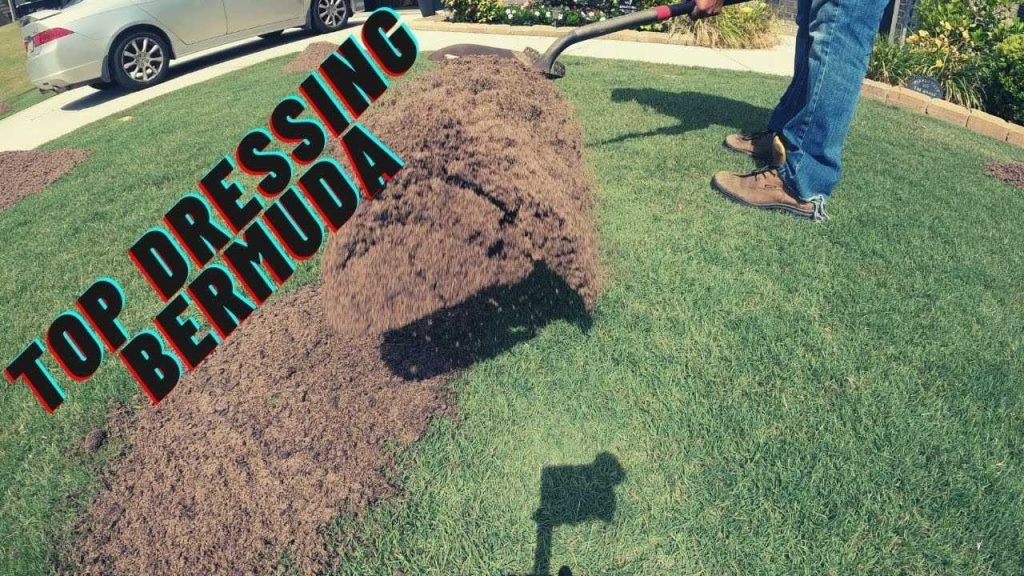
The secret to a lush, vibrant Bermuda grass lawn lies in top dressing – a simple yet highly effective practice. To achieve a dense, healthy turf, apply a thin layer of soil or compost over the grass surface, promoting better growth, improved soil quality, and enhanced resilience against pests and drought.
Top dressing Bermuda grass involves spreading a mixture of soil, compost, or sand evenly across your lawn to fill in aeration holes, smooth out uneven patches, and promote strong root development. This technique not only rejuvenates tired lawns but also improves drainage and nutrient absorption, leading to a thicker, greener, and more durable turf. For best results, proper timing, material choice, and application methods are key to transforming your lawn into a picture-perfect landscape.
Keeping your Bermuda grass in top shape requires timely maintenance. Regular top dressing rejuvenates the turf, filling in bare patches, controlling thatch buildup, and fostering vigorous growth. When done correctly, it’s a game-changer for lawn health, turning a patchy yard into a lush oasis. Whether you’re a homeowner seeking a beautiful yard or a landscaper aiming for perfect turf, mastering top dressing will elevate your Bermuda grass game to the next level.

Top Dress Bermuda Grass: The Ultimate Guide for a Lush, Healthy Lawn
What Is Top Dressing for Bermuda Grass?
Top dressing is a process where a thin layer of soil or material is spread evenly over Bermuda grass. This technique helps improve soil quality, level uneven areas, and promote healthy root growth. It’s a simple yet effective way to keep your Bermuda grass looking its best.
Why Use Top Dress Bermuda Grass?
Applying top dressing offers many benefits for Bermuda lawns. It can fill in low spots, reduce thatch buildup, and improve soil drainage. It also provides essential nutrients to the grass, making it greener and more resilient against pests and diseases.
Choosing the Right Top Dressing Material
Selecting the best material depends on your lawn’s needs. Common options include:
- Sand: Ideal for leveling and improving drainage in compacted soils.
- Compost: Adds organic matter and nutrients for healthier growth.
- Loam: Combines sand, silt, and clay, offering a balanced soil environment.
- Combination mixes: Blends of sand and compost for tailored benefits.
Each material has its advantages, so evaluate your lawn’s specific soil type and challenges before deciding.
Steps for Top Dressing Bermuda Grass Effectively
Follow these key steps to ensure successful top dressing:
Assess Your Lawn
Check the current condition of your Bermuda grass. Identify uneven spots, bare patches, or excessive thatch buildup.
Prepare the Lawn
Mow your Bermuda grass to a shorter height to allow better penetration of the top dressing material. Aerate the soil if it feels compacted.
Apply the Top Dressing
Spread the chosen material evenly across the lawn using a shovel, rake, or spreader. Aim for a layer no more than half an inch thick to prevent smothering the grass.
Incorporate and Water
Use a rake or broom to lightly work the material into the grass and soil surface. Water thoroughly afterward to help the material settle and encourage root growth.
Timing and Frequency of Top Dressing
For Bermuda grass, the best times to top dress are during the active growing seasons in spring and early summer. Avoid top dressing during extreme heat or cold. Typically, applying top dress once or twice a year suffices, depending on soil conditions and lawn needs.
Common Mistakes to Avoid When Top Dressing Bermuda Grass
Prevent common issues by being aware of these pitfalls:
- Applying too much material at once, which can suffocate the grass.
- Using inappropriate materials that don’t match your soil type.
- Failing to water after application, leading to poor integration.
- Not aerating before top dressing, which limits material penetration.
Careful planning and execution will give your Bermuda grass the best chance to thrive.
Benefits of Regular Top Dressing for Bermuda Lawns
Consistent top dressing helps maintain a vibrant, lush lawn by promoting healthy soil biology. It reduces thatch buildup, improves soil aeration, and increases nutrient availability. Over time, these benefits lead to a denser and more durable Bermuda grass.
Additional Tips for Healthy Bermuda Grass
To complement top dressing, consider these practices:
- Regular mowing at the appropriate height to encourage dense growth.
- Consistent watering, especially during dry periods.
- Applying the right fertilizer schedule for Bermuda grass seasonality.
- Monitoring for pests and diseases regularly.
A combination of good maintenance and annual top dressing will keep your lawn in prime condition.
Related Topics
Explore other ways to improve your Bermuda grass lawn with these topics:
- Proper watering techniques for Bermuda grass
- Best fertilization schedules
- Aeration methods for compacted soil
- Dealing with common Bermuda grass pests and diseases
These additional practices support the benefits achieved through top dressing.
Tools and Equipment Needed for Top Dressing Bermuda Grass
To simplify the process, gather these tools:
- Ground spreader or shovel for applying material
- Rake or broom for spreading and smoothing
- Grass aerator for soil penetration
- Sprayer or watering can for irrigation
Using the right equipment ensures even coverage and promotes better turf health.
Analyzing Soil and Lawn Conditions
Start with a soil test to determine pH and nutrient levels. Knowing your soil’s condition helps pick the best top dressing material and plan for any necessary amendments. Regular turf assessment allows you to tailor your lawn care practices effectively.
Cost Considerations
Top dressing can vary in cost depending on material choice and lawn size. Sand is typically affordable, while organic mixes may be slightly pricier. Budget a little extra for equipment rental if needed, and consider labor costs if hiring help.
Environmental Impact and Sustainability
Opt for organic or compost-based materials to minimize environmental impact. Proper application reduces runoff and waste. Maintaining healthy soil through top dressing supports eco-friendly lawn care practices.
Applying top dress Bermuda grass is a straightforward way to enhance your lawn’s health, appearance, and resilience. By choosing suitable materials, following proper procedures, and maintaining regular care, you can enjoy a lush, vibrant Bermuda grass lawn year-round. Keep soil testing and adjust your practices to ensure ongoing success.
Should You [TOP DRESS BERMUDA] Grass or Not?
Frequently Asked Questions
What are the best times of year to perform top dressing on Bermuda grass?
The ideal times to top dress Bermuda grass are during its actively growing seasons, typically in late spring and early summer, as well as early fall. Applying top dressing during these periods allows the grass to recover quickly and fosters healthy turf development. Avoid top dressing during the peak heat of summer or when the grass is dormant in winter to prevent stress and poor results.
How does top dressing improve the overall health of Bermuda grass lawns?
Top dressing supplies essential nutrients and organic matter to the soil, which promotes better root growth and enhances turf resilience. It helps smooth out uneven surfaces, reduces thatch buildup, and improves soil aeration and water absorption. Over time, these benefits lead to a denser, greener, and more resilient Bermuda grass lawn.
What materials should I use for top dressing Bermuda grass?
Choose materials that match your existing soil profile, such as sandy topsoil, compost, or a mix of sand and organic matter. The goal is to improve soil fertility and structure without smothering the grass. It’s best to use a light, well-draining material to ensure proper integration with the existing lawn and promote healthy growth.
How often should I top dress Bermuda grass lawns?
Most lawns benefit from top dressing once or twice a year. For lawns under heavy use or with existing soil issues, more frequent applications might be necessary. Always observe how your lawn responds and adjust the frequency accordingly to avoid excessive buildup that can harm the turf.
What is the proper way to apply top dressing on Bermuda grass?
Start by mowing the Bermuda grass to a uniform height to facilitate even application. Spread the top dressing material using a rake, spreader, or broom, ensuring a thin, even layer over the surface. Water the lawn afterward to help the material settle into the soil and encourage integration with the existing turf.
Final Thoughts
In conclusion, top dress bermuda grass enhances lawn health and appearance. Applying fine compost or soil improves density and color. Regular top dressing boosts resilience against drought and wear. Focus on consistent, proper application to achieve the best results.