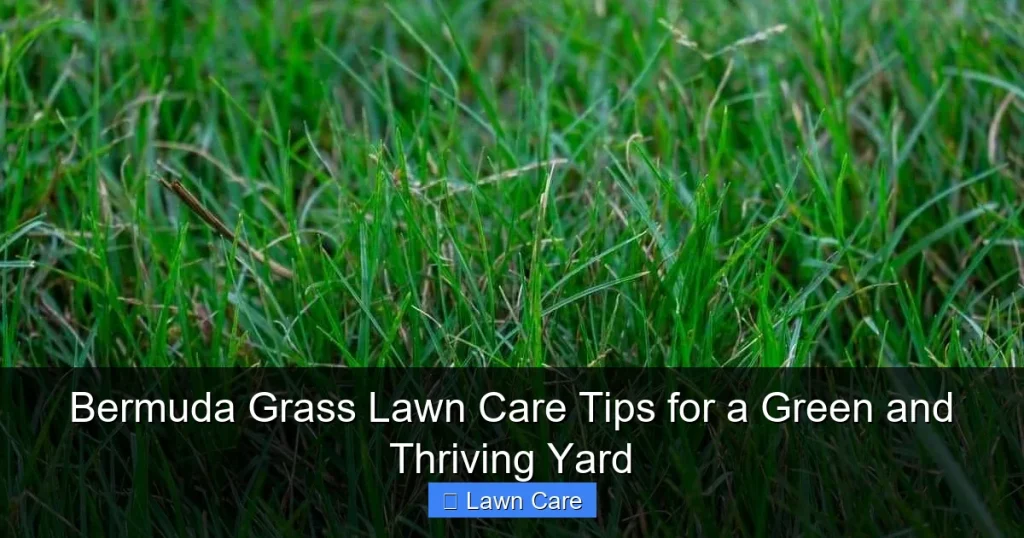
Bermuda grass thrives in warm climates and requires specific care to stay green and healthy. Regular mowing at the right height, consistent watering, and proper fertilization are key. Addressing common issues like weeds and pests will ensure your Bermuda grass lawn remains vibrant and beautiful all season long.
Are you dreaming of a carpet-like, emerald-green lawn that turns your backyard into a neighborhood showstopper? If you live in a warm climate, Bermuda grass might just be your ticket to lawn paradise. This popular turfgrass is known for its incredible heat tolerance, drought resistance, and ability to recover quickly from wear and tear. But achieving that picture-perfect Bermuda grass lawn isn’t just about luck; it takes a bit of know-how and consistent effort.
Don’t worry, though! Caring for Bermuda grass is a rewarding process, and with the right approach, you can transform your yard into a lush, thriving oasis. We’re going to break down everything you need to know, from how often to water it to the best way to keep it looking its absolute best. Let’s dive into the secrets of Bermuda grass lawn care!
- Proper Mowing is Crucial: Bermuda grass benefits from mowing at a low height, typically between 0.5 to 1.5 inches, and frequent mowing to maintain density.
- Water Wisely: Deep, infrequent watering encourages strong root growth, making Bermuda grass more drought-tolerant.
- Fertilize for Growth: Regular fertilization throughout the growing season, especially with nitrogen-rich formulas, fuels its rapid growth and vibrant green color.
- Weed and Pest Management: Proactive strategies are essential to prevent weeds and common pests that can damage Bermuda grass.
- Aeration and Dethatching: These practices improve soil health, water penetration, and air circulation, vital for a dense, healthy lawn.
- Overseeding for Density: While Bermuda grass spreads aggressively, overseeding can fill in thin spots and enhance overall turf density.
Quick Answers to Common Questions
How often should I water my Bermuda grass lawn?
Water deeply but infrequently. Aim for about 1 to 1.5 inches of water per week, applying it all at once to encourage deep root growth.
What is the best mowing height for Bermuda grass?
The ideal mowing height for Bermuda grass is between 0.5 to 1.5 inches. Frequent mowing at this low height promotes a dense, carpet-like turf.
When is the best time to fertilize Bermuda grass?
Fertilize Bermuda grass starting in late spring or early summer, once it’s actively growing, and continue every 4 to 6 weeks throughout the growing season.
Will my Bermuda grass turn brown in the winter?
Yes, Bermuda grass is a warm-season grass that goes dormant in cool weather and will naturally turn brown during the winter months.
How can I tell if my Bermuda grass has a pest problem?
Look for signs like wilting grass, chewed blades, thinning patches, or visible insects on the lawn. Early detection is key to effective treatment.
📑 Table of Contents
Understanding Your Bermuda Grass
Before we get into the nitty-gritty of care, it’s helpful to understand what makes Bermuda grass tick. This warm-season grass thrives in temperatures between 80 and 95 degrees Fahrenheit. It goes dormant in cooler weather, turning a brownish hue until spring returns. This is a natural process, and your grass will bounce back as temperatures rise. Recognizing this cycle is the first step to not panicking when fall arrives! Its aggressive spreading habit makes it great for filling in bare spots, but it can also be a challenge if it encroaches on garden beds.
The Best Time to Act
Bermuda grass is most actively growing during the late spring and summer months. This is when it needs the most attention in terms of watering, fertilizing, and mowing. The spring transition period is also crucial for waking it up from dormancy. Getting a head start with some essential spring lawn care can make a big difference in its overall health for the entire season.
Mastering the Art of Mowing

Visual guide about Bermuda Grass Lawn Care Tips for a Green and Thriving Yard
Image source: lawngreen.com.au
Mowing is perhaps the most frequent task in Bermuda grass lawn care, and getting it right is paramount. Because Bermuda grass grows so densely and quickly in warm weather, it needs to be mowed often and at a low height.
The Ideal Mowing Height
Unlike some other grass types, Bermuda grass thrives when cut short. The ideal mowing height for most Bermuda grass varieties is between 0.5 to 1.5 inches. This low mowing height encourages the grass to spread horizontally, creating a dense, carpet-like texture. Mowing too high can lead to a weaker, less dense turf that’s more susceptible to weeds and disease.
Frequency is Key
Because it grows so fast, you’ll likely need to mow every 3 to 5 days during the peak growing season. The “one-third rule” is a good guideline to follow: never remove more than one-third of the grass blade’s height in a single mowing. This means if your grass is 1.5 inches tall, you should mow when it reaches about 2.25 inches. Sticking to this rule prevents shocking the grass and promotes continuous, healthy growth. For more detailed advice, check out our proper lawn mowing techniques.
Sharp Blades Matter
Always ensure your mower blades are sharp. Dull blades tear the grass, leaving ragged edges that can turn brown and make your lawn look unhealthy. Sharp blades create clean cuts, promoting faster healing and a greener appearance. If you’re unsure about your mower’s blades, consider investing in a good quality mower designed for lower cuts, like a reel mower, or ensuring your rotary mower’s blades are sharpened regularly. Looking for a good mower? We have a guide on the best lawn mower for Bermuda grass.
Smart Watering Strategies
Water is life for any lawn, and Bermuda grass is no exception. However, how and when you water can make a significant difference in its health and resilience.
Deep and Infrequent Watering
Bermuda grass has a deep root system, especially when encouraged to grow that way. The best watering strategy is to water deeply but infrequently. This means soaking the soil thoroughly when you do water, encouraging the roots to grow deeper in search of moisture. Shallow, frequent watering will lead to a shallow root system, making your lawn more vulnerable to drought and heat stress.
When to Water
The best time to water your lawn is in the early morning, between 4 a.m. and 10 a.m. This allows the water to soak into the soil before the heat of the day causes excessive evaporation. Watering in the evening can leave the grass blades wet overnight, increasing the risk of fungal diseases.
How Much Water?
A good rule of thumb is to provide about 1 to 1.5 inches of water per week, either from rainfall or irrigation. You can measure this by placing a few empty tuna cans or straight-sided containers around your lawn and running your sprinkler until they are full. Adjust your watering schedule based on weather conditions; you’ll need to water more during hot, dry spells and less during cooler, rainy periods.
The Power of Fertilization
To achieve that lush, vibrant green color, your Bermuda grass needs the right nutrients. Fertilizing is key to fueling its vigorous growth.
Choosing the Right Fertilizer
Bermuda grass is a heavy feeder, particularly of nitrogen, which is crucial for green growth and density. Look for a fertilizer with a higher first number in the N-P-K ratio (Nitrogen-Phosphorus-Potassium). A balanced fertilizer like 10-10-10 can be good for overall health, but for that vibrant green, a nitrogen-focused fertilizer is often recommended during the growing season.
When and How Often to Fertilize
The fertilization schedule for Bermuda grass typically starts in late spring or early summer, once it has fully greened up and is actively growing. You’ll want to fertilize every 4 to 6 weeks throughout the growing season, which usually extends into late summer or early fall. Avoid fertilizing when the grass is dormant or under severe drought stress, as this can harm it.
Application Tips
Always follow the instructions on the fertilizer packaging carefully. Over-fertilizing can burn your lawn. Apply fertilizer evenly using a spreader to avoid streaks or patches of uneven growth. Water the lawn lightly after fertilizing to help the nutrients penetrate the soil and prevent leaf burn. For a more natural approach, consider exploring organic lawn care practices.
Battling Weeds and Pests
Even the best-maintained Bermuda grass lawns can fall victim to weeds and pests. Proactive management is your best defense.
Weed Control Strategies
Weeds compete with your grass for water, nutrients, and sunlight. A dense, healthy Bermuda grass lawn is your first line of defense, as it leaves little room for weeds to establish. However, some weeds will inevitably pop up. You can tackle them through manual removal or by using herbicides. Pre-emergent herbicides applied in early spring can help prevent many common weeds from germinating. Post-emergent herbicides can be used to spot-treat existing weeds. If you’re wondering about specific solutions, find out what is the best weed and feed for Bermuda grass.
Common Pests to Watch For
Bermuda grass can be susceptible to various pests, including grubs, armyworms, and chinch bugs. These pests can cause significant damage, leaving brown patches or thinning areas. Regularly inspect your lawn for signs of pest infestation, such as wilting grass, chewed blades, or visible insects. Early detection is crucial. Many effective insecticides are available to treat these problems, but always use them responsibly and according to label instructions.
Soil Health and Maintenance
The foundation of a healthy lawn is healthy soil. For Bermuda grass, good soil aeration and thatch management are essential.
Aeration for Better Health
Over time, the soil beneath your lawn can become compacted from foot traffic and mowing. This compaction restricts air, water, and nutrient movement to the grass roots. Core aeration involves removing small plugs of soil from the lawn, creating channels for these vital elements to reach the root zone. Aeration is typically done in late spring or early summer when Bermuda grass is actively growing and can quickly recover. This process significantly improves the overall health and density of your Bermuda grass.
Dethatching for Optimal Growth
Thatch is a layer of dead and living grass stems, roots, and debris that builds up between the green grass and the soil surface. A thin layer of thatch is beneficial, but if it becomes too thick (more than half an inch), it can prevent water, air, and nutrients from reaching the soil and can harbor pests and diseases. Dethatching, or power raking, is the process of removing this excess thatch. It’s best done in late spring or early summer, just like aeration, when the grass is actively growing and can recover quickly.
Seasonal Care Considerations
While we’ve focused on the peak growing season, remember that Bermuda grass care changes with the seasons. Understanding these shifts is key to year-round lawn health.
Spring Awakening
As temperatures begin to rise in spring, your dormant Bermuda grass will start to green up. This is the time for early spring lawn care, such as raking up debris, and applying a pre-emergent herbicide to prevent weeds. You might also consider a light fertilization once the grass has shown significant green color. For more on this transition, see our tips for end-of-winter and early spring lawn care.
Summer Demands
Summer is the peak growing season for Bermuda grass. This is when you’ll be mowing frequently, watering deeply, and fertilizing regularly. Keep a close eye on weeds and pests during this time.
Fall Transition
As temperatures cool in the fall, Bermuda grass growth will slow down. You can reduce mowing frequency and watering. Continue to manage any lingering weeds. The grass will begin its transition to dormancy as frost approaches. Lawn care tips for fall are essential to prepare your grass for winter.
Winter Dormancy
During winter, your Bermuda grass will be dormant and brown. There’s very little active care needed. You can rake any fallen leaves to prevent them from smothering the grass. Once spring arrives, the cycle begins anew. For a complete overview, our lawn care tips for different seasons will be a great resource.
Caring for a Bermuda grass lawn is an ongoing commitment, but the results are well worth the effort. By understanding its needs and providing consistent, appropriate care, you can enjoy a stunningly green and healthy lawn that enhances your home’s curb appeal and provides a perfect space for outdoor enjoyment. Happy mowing, watering, and fertilizing!
Frequently Asked Questions
How do I prepare my Bermuda grass lawn for winter?
As temperatures drop, reduce mowing and watering frequency. Continue to manage any weeds. The grass will naturally go dormant and turn brown as winter approaches.
What if I see brown patches on my Bermuda grass lawn in the summer?
Brown patches in summer can be caused by various issues, including drought stress, disease, insect infestations, or over-fertilization. Proper diagnosis is key to treatment.
Can I overseed my Bermuda grass lawn?
While Bermuda grass spreads aggressively, overseeding in spring can help fill in any thin or bare spots and improve overall turf density. However, it’s generally not necessary for established, healthy lawns.
Is it okay to leave grass clippings on my Bermuda grass lawn after mowing?
Yes, leaving grass clippings (mulching) is generally beneficial. They return nutrients to the soil and help retain moisture. Ensure clippings are small and evenly distributed to avoid matting.
How do I deal with a thick thatch layer on my Bermuda grass lawn?
A thick thatch layer can be removed by dethatching, ideally in late spring or early summer when the grass is actively growing and can recover quickly. This process allows better air, water, and nutrient penetration.
What are the benefits of aerating my Bermuda grass lawn?
Aeration relieves soil compaction, allowing air, water, and nutrients to reach the grass roots more easily. This promotes deeper root growth, improves drainage, and leads to a healthier, more resilient lawn.