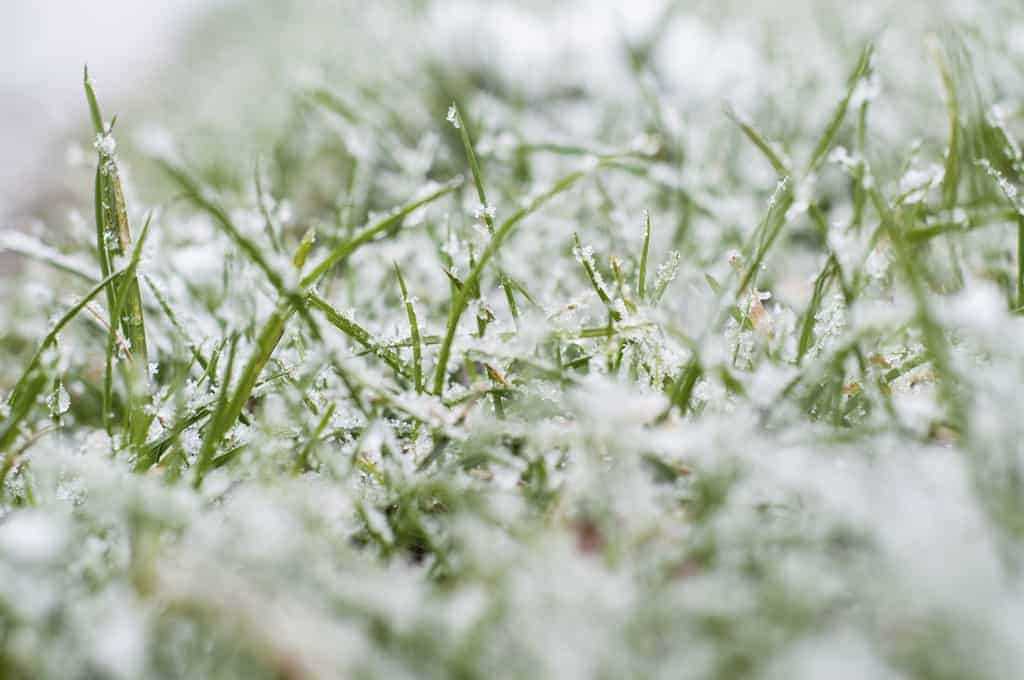
Quick Answer: The end of winter and early spring is a crucial time for lawn care. By following some simple tips, you can ensure that your lawn thrives and looks its best. Regularly raking away dead leaves and debris, aerating the soil, fertilizing the grass, and patching bare spots are essential tasks during this period. Additionally, testing and adjusting the pH levels of your soil, as well as planning out a watering schedule, will help your lawn stay healthy and green. By taking these steps, you’ll be well on your way to a beautiful lawn that will be the envy of the neighborhood.
Introduction:
As winter gives way to spring, it’s time to start thinking about how to best care for your lawn. The end of winter and early spring is a critical period for lawn care, as it sets the stage for a healthy and vibrant lawn throughout the year. Whether your lawn has endured a harsh winter or simply needs some revitalization, following a few simple tips can make all the difference.
First up, let’s tackle the task of raking. Regularly removing dead leaves, branches, and other debris from your lawn is essential in promoting healthy growth. It allows the grass to breathe, preventing the accumulation of moisture that can lead to mold and disease. Plus, raking also helps to rejuvenate the grass by removing thatch, a layer of dead grass and organic material that can hinder the growth of new shoots.
Aeration is another crucial step in end-of-winter and early spring lawn care. This process involves creating small holes in the soil to allow air, water, and nutrients to penetrate deep into the roots. By alleviating soil compaction, aeration promotes healthier root growth, leading to a more robust and resilient lawn.
After raking and aerating, it’s time to provide your lawn with the nourishment it needs. Applying fertilizer during this period will replenish the nutrients lost during winter and set the stage for vigorous growth in the coming months. Choose a high-quality, slow-release fertilizer that suits your grass type and follow the instructions for application carefully.
Next, take a close look at your lawn for any bare spots or thinning areas. These can be caused by winter damage or other factors, such as pests or disease. Repairing these patches is crucial to maintain a uniform and lush lawn. Rake the area to remove any dead grass or debris, then overseed with fresh grass seed. Lightly compact the soil and water thoroughly, keeping the area moist until new grass emerges.
In addition to these tasks, it’s advisable to test the pH levels of your soil. A slightly acidic to neutral pH is ideal for most grass types. You can obtain a soil testing kit from a garden center or send a sample to a specialized laboratory for analysis. Adjusting the pH level, if necessary, will ensure that your lawn can absorb nutrients effectively, leading to healthier growth.
Finally, don’t forget to plan out a watering schedule for your lawn. Adequate and consistent watering is essential during the end of winter and early spring to help the grass recover and kickstart its growth. Water deeply but infrequently to encourage the roots to reach deeper into the soil. It’s better to water in the morning to minimize evaporation and allow the grass blades to dry before evening, reducing the risk of fungal disease.
By following these tips, you’ll be well-prepared to give your lawn the care it needs at the end of winter and the beginning of spring. With a little effort and attention, you’ll soon have a lush, healthy, and vibrant lawn that will be the pride of your neighborhood. So, let’s get started and make this season the best one yet for your lawn!

Tips for End of Winter and Early Spring Lawn Care
Introduction
As the harsh winter weather begins to fade away and signs of spring start to emerge, it’s time to turn our attention to our lawns. The transition from winter to spring is a critical time for lawn care, as it sets the foundation for a healthy and vibrant lawn throughout the year. In this article, we will discuss essential tips and techniques for end-of-winter and early spring lawn care, ensuring your lawn thrives and becomes the envy of the neighborhood.
1. Clear Away Debris
One of the first steps in preparing your lawn for spring is to clear away any debris that has accumulated over the winter months. Fallen branches, leaves, and other debris can smother your lawn and hinder its growth. Start by raking up leaves and removing any large debris from the surface. This will allow air, water, and sunlight to reach the grass, promoting healthy growth.
Pro Tips:
– Use a leaf blower for faster and more efficient debris removal.
– Compost the leaves and yard waste to create nutrient-rich mulch for your garden.
2. Aerate the Soil
Over time, the soil in our lawns can become compacted, making it difficult for grass roots to penetrate deeply and access essential nutrients. Aerating the soil helps alleviate compaction and promotes better airflow, water absorption, and nutrient distribution. Late winter or early spring is an ideal time to aerate your lawn, as it gives the grass plenty of time to recover before the growing season begins.
Pro Tips:
– Rent a mechanical aerator or hire a professional to ensure proper aeration.
– Water the lawn thoroughly before aerating to facilitate easier soil penetration.
3. Test and Amend the Soil
Understanding the composition of your soil is crucial for maintaining a healthy lawn. Conduct a soil test to determine its pH level and nutrient content. This information will guide you in selecting the right fertilizers and soil amendments for your lawn’s specific needs. Depending on the results, you may need to adjust the pH level with lime or sulfur and add organic matter such as compost or peat moss to improve soil structure.
Pro Tips:
– Collect soil samples from different areas of your lawn for a comprehensive analysis.
– Follow the recommended application rates for soil amendments to avoid overdoing it.
4. Start Seeding and Reseeding
Early spring is an excellent time to sow new grass seed and reseed bare patches in your lawn. The cool temperatures and abundant moisture create favorable conditions for seed germination and establishment. Choose a quality grass seed blend that suits your climate and desired lawn characteristics. Prepare the bare spots by loosening the soil, spreading the seed, and lightly raking it in. Keep the newly seeded areas consistently moist until the grass is well-established.
Pro Tips:
– Consider overseeding your entire lawn for denser, more resilient turf.
– Use a starter fertilizer specifically formulated for new grass seed to encourage healthy growth.
5. Fertilize Wisely
Feeding your lawn with the right nutrients is essential for its overall health and vigor. Apply a slow-release or organic fertilizer in early spring to provide a nutritional boost to your grass. Look for a fertilizer with a balanced ratio of nitrogen, phosphorus, and potassium. Follow the manufacturer’s instructions carefully to avoid overfertilization, which can harm your lawn and contribute to water pollution.
Pro Tips:
– Consider a soil test to determine the exact nutrient requirements of your lawn before fertilizing.
– Water your lawn adequately after applying fertilizer to prevent burn and ensure proper nutrient absorption.
6. Weed Control
Early spring is the time to tackle weeds before they become a widespread problem. Pre-emergent herbicides can help prevent weed seeds from germinating and taking root in your lawn. Apply these herbicides before soil temperatures reach the ideal range for weed seed germination. Additionally, manually remove existing weeds by pulling them out, including the roots, to prevent re-growth.
Pro Tips:
– Choose a pre-emergent herbicide that targets the specific weeds prevalent in your area.
– Be cautious when using herbicides near flower beds or vegetable gardens to avoid damaging desirable plants.
7. Mowing and Lawn Maintenance
Once the grass starts growing vigorously, it’s time to resume regular mowing. Set your mower blade to the recommended height for your grass type and avoid cutting more than one-third of the grass blade’s length at a time. Regular mowing encourages lateral growth and helps maintain a neat appearance. Remember to keep your mower blades sharp for clean and healthy cuts.
Pro Tips:
– Avoid mowing when the grass is wet to prevent clumping and potential lawn diseases.
– Alternate the mowing direction with each session to minimize soil compaction and promote upright growth.
By following these essential tips for end-of-winter and early spring lawn care, you can set the stage for a lush and thriving lawn throughout the year. From clearing away debris and aerating the soil to seeding, fertilizing, and adopting proper maintenance techniques, each step contributes to a healthier, more vibrant lawn. Remember, consistency and patience are key when it comes to achieving a beautiful lawn, so be sure to stay committed to regular care and maintenance. Invest time and effort in proper lawn care now, and you’ll reap the rewards of a stunning outdoor space for months to come.
February Lawn Care – Late Winter Early Spring Lawn Tips
Frequently Asked Questions
When is the best time to start lawn care at the end of winter and early spring?
It is recommended to start lawn care at the end of winter and early spring when the soil begins to thaw and is no longer frozen. The ideal time is when daytime temperatures consistently reach around 50°F (10°C).
What are some tips for preparing the lawn for the upcoming season?
To prepare your lawn for the upcoming season, you can follow these tips:
– Clear any debris, such as fallen leaves or branches, from the lawn.
– Rake the lawn to remove dead grass and thatch, allowing better air circulation and water penetration.
– Fill in any low spots or holes with a mixture of soil and grass seed.
– Apply a slow-release nitrogen fertilizer to promote healthy growth.
– Aerate the soil to alleviate compaction and improve water absorption.
How often should I water my lawn at the end of winter and early spring?
During the end of winter and early spring, it is generally recommended to water your lawn only when necessary. Monitor the soil moisture by feeling it with your hand. If the top inch of soil feels dry, it’s time to water. Water deeply and infrequently to encourage deep root growth, applying about 1 inch of water per week.
What should I do about winter weeds in my lawn?
To tackle winter weeds in your lawn, you can follow these steps:
– Identify the type of weed to determine the most effective treatment.
– Apply a pre-emergent herbicide in early spring to prevent weed seeds from germinating.
– Use a post-emergent herbicide for existing weeds, following the product instructions carefully.
– Regularly mow the lawn at the appropriate height to discourage weed growth.
Should I mow my lawn before spring arrives?
Mowing your lawn before spring arrives is recommended. However, it is crucial to ensure that the grass has started actively growing and the soil is not saturated. Set the mower at a higher setting and avoid cutting more than one-third of the grass height at a time. This encourages healthier growth and prevents stress on the lawn.
Is it necessary to fertilize the lawn in early spring?
Fertilizing the lawn in early spring can provide the necessary nutrients for healthy growth. However, it is important to choose a slow-release fertilizer specifically formulated for the season. This allows a gradual and steady release of nutrients as the grass begins to grow. Follow the recommended application rates on the fertilizer package and water the lawn thoroughly after applying.
Final Thoughts
In conclusion, implementing proper lawn care during the end of winter and early spring is essential for a lush and healthy lawn. Start by removing any debris and raking to promote new growth. Aerate compacted soil and consider overseeding to fill in thin areas. Apply a slow-release fertilizer to provide necessary nutrients for growth. Don’t forget to mow at the appropriate height and water deeply but infrequently to encourage deep root growth. By following these tips for end of winter and early spring lawn care, you can ensure a beautiful and thriving lawn throughout the year.