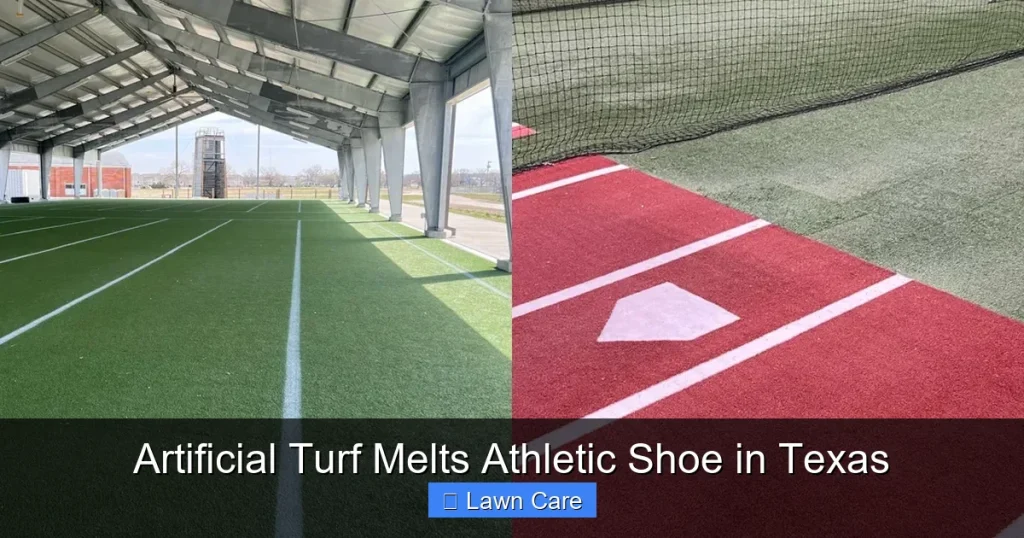
Reports of artificial turf melting athletic shoes in Texas are a real concern, especially during extreme heat. The synthetic materials of the turf, combined with intense solar radiation, can reach temperatures high enough to damage shoe soles. Understanding the causes and potential solutions is crucial for athletes and facility managers.
The scorching Texas sun is legendary. We’re known for our heat, and while most of us enjoy a sunny day, that intense heat can sometimes cause unexpected problems, especially for those who love to get out and play sports. Recently, there have been concerning reports coming out of Texas about artificial turf literally melting athletic shoes. It sounds like something out of a science fiction movie, but it’s a very real phenomenon happening on sports fields across the Lone Star State.
Imagine lacing up your favorite cleats, ready for a game, only to find that the very surface you’re about to play on is so hot it’s actively damaging your footwear. This isn’t just an inconvenience; it can affect player performance, comfort, and even safety. So, what’s going on here? Why is artificial turf in Texas becoming a shoe-melter? Let’s dive into the science behind this phenomenon and explore what can be done about it.
## The Intense Heat of Texas Summers
Texas experiences some of the highest ambient temperatures in the United States during the summer months. When you combine these already high temperatures with direct, relentless sunlight, the surface temperatures of materials can soar. Natural grass, with its natural cooling properties through transpiration, tends to stay cooler. Artificial turf, on the other hand, is essentially made of plastic and infill materials, which are known to absorb and retain heat.
### Solar Radiation and Absorption
The primary culprit behind super-heated artificial turf is solar radiation. The dark colors often found in artificial turf blades and the infill material (which can be rubber granules or sand) absorb sunlight very efficiently. This absorbed energy is then converted into heat, significantly raising the surface temperature. While a sunny day might feel like a pleasant 95°F (35°C) outside, the surface temperature of artificial turf can easily reach 150°F (65°C) or even higher. This is a massive difference and is where the problems begin.
### Transpiration vs. Absorption
Natural grass cools itself through a process called transpiration, where plants release water vapor into the atmosphere. This natural cooling mechanism keeps the surface temperature of a well-maintained grass field much lower than artificial turf. Artificial turf, lacking any living components, cannot transpire and therefore has no built-in cooling mechanism. It’s essentially a black-top surface dressed up to look like grass, and like asphalt, it gets incredibly hot under direct sun.
## Why Shoes Are Melting: The Science of Materials
The reason artificial turf can melt athletic shoes comes down to the materials used in both the turf and the footwear. Most athletic shoes, especially cleats, are made with rubber and various synthetic compounds in their soles. These materials are designed for grip and durability, but they have specific temperature limits.
### The Composition of Turf Infill
The infill of artificial turf is a critical factor. Traditionally, many fields use crumb rubber (recycled tires) as infill. Rubber, by its nature, absorbs a lot of heat. When this rubber infill heats up under the Texas sun, it transfers that heat directly to the fibers of the turf and anything in contact with it, including shoes. Some newer systems use sand or specialized cooling infills, but the fundamental principle of heat absorption remains.
### The Vulnerability of Shoe Soles
The soles of athletic shoes are made from a variety of polymers, including natural rubber, synthetic rubbers, and various plastics. These materials have specific melting points or softening temperatures. When the artificial turf surface reaches temperatures significantly above the softening point of the shoe sole materials, the soles can begin to break down. This can manifest as melting, sticking to the turf, or a loss of structural integrity, leading to reduced traction and potential damage to the shoe. For athletes, this means their footwear might not perform as intended, and in the worst cases, the shoe could literally fuse to the turf.
## Factors Contributing to Extreme Turf Temperatures
It’s not just the Texas heat alone. Several variables specific to artificial turf installations can exacerbate the problem of overheating. Understanding these factors can help in identifying why a particular field might be hotter than others.
### Turf Color and Density
The color of the artificial turf fibers plays a significant role. Darker green and brown blades absorb more solar radiation than lighter shades. Similarly, denser turf with more fibers per square inch can trap more heat. While aesthetics are important, opting for lighter shades and perhaps a less dense pile height can contribute to a cooler surface.
### Infill Type and Depth
As mentioned, crumb rubber infill is a notorious heat absorber. While it provides good shock absorption and stability, its thermal properties can be a drawback. Sand infill tends to be cooler but may not offer the same performance characteristics. The depth of the infill also matters; a deeper layer can sometimes help insulate the underlying layers, but it also means more material is absorbing heat. Innovative cooling infills are also becoming available, incorporating materials that reflect more sunlight or dissipate heat more effectively.
### Sun Exposure and Airflow
Fields that are located in areas with prolonged, direct sun exposure without much shade will naturally get hotter. Lack of airflow around the field can also contribute to heat buildup, as the hot air becomes trapped. Surrounding buildings, fences, or even dense vegetation can impede air movement.
## Protecting Your Athletic Shoes and the Turf
The good news is that there are steps that can be taken to mitigate the risk of artificial turf melting athletic shoes. These involve maintenance of the turf itself, careful selection of footwear, and strategic planning.
### Watering the Turf
One of the most effective, albeit temporary, solutions is to water the artificial turf. Similar to how watering natural grass cools it down, spraying water on artificial turf can significantly lower its surface temperature. This is often done before events or training sessions on extremely hot days. However, it’s a short-term fix, as the turf will heat up again once it dries. For facilities with significant water resources, regular light misting might be an option during peak heat.
### Choosing the Right Shoes
Athletes can also take proactive steps by selecting their footwear wisely. Look for shoes with soles made from heat-resistant rubber compounds. Some manufacturers are starting to develop shoe lines specifically designed for warmer climates or for use on artificial turf, featuring materials that are less prone to melting. Always check the shoe’s specifications or consult with sporting goods retailers.
### Considering Turf Alternatives and Installation
For those involved in installing or managing artificial turf fields, there are more long-term solutions.
- Lighter Colors: Opting for lighter shades of green or even incorporating brown fibers that mimic natural grass can reduce heat absorption.
- Cooling Infill: Investing in specialized cooling infills that are designed to reflect solar radiation or have better thermal conductivity can make a significant difference.
- Ventilation: Designing the field area with good airflow in mind can help dissipate heat.
- Shading: Where possible, incorporating shade structures around the perimeter can offer some relief during the hottest parts of the day.
It’s important to weigh the pros and cons of artificial turf versus natural grass, especially in a climate like Texas. While artificial turf offers advantages in durability and maintenance, it comes with these thermal challenges. If you are considering a new lawn or athletic field, researching the best options for your specific environment is key. For homeowners looking to maintain their lawns, understanding when to plant certain grasses, like Bermuda grass seed in Texas, can ensure a lush and cooler surface.
## The Impact on Athletes and Safety
The issue of artificial turf melting shoes goes beyond just damaged footwear. It has direct implications for athlete safety and performance.
### Reduced Traction and Increased Injury Risk
When a shoe sole begins to melt or soften, its ability to grip the playing surface is compromised. This can lead to players slipping and falling unexpectedly, increasing the risk of sprains, twists, and more serious injuries. The uneven wear and tear on melted soles can also make the footwear uncomfortable and unreliable.
### Discomfort and Performance Degradation
Playing on a surface that is scalding hot can be incredibly uncomfortable. Athletes might adjust their gait or movements to avoid direct contact with the hottest spots, which can negatively impact their performance and lead to fatigue more quickly. The constant worry about shoe damage or slipping can also be a mental distraction.
## Long-Term Solutions and Future Considerations
As artificial turf becomes more prevalent, so does the need for innovative solutions to combat its heat-related issues. Manufacturers are continually working on new materials and designs to create cooler synthetic surfaces.
### Advanced Infill Technologies
The development of phase-change materials or other high-tech infills that can absorb and release heat more effectively is an ongoing area of research. Some newer infills are designed to be more reflective, bouncing sunlight away rather than absorbing it as heat.
### Maintenance Best Practices
Establishing clear guidelines for the maintenance of artificial turf fields is crucial. This includes regular cleaning to remove debris that can trap heat, proper watering schedules during hot periods, and periodic inspections to ensure the infill is performing as expected. For those managing these fields, understanding the best time to water a lawn in Texas, even an artificial one, can be beneficial for temperature management.
### Comparing to Natural Grass
It’s worth reiterating the comparison with natural grass. While natural grass requires more ongoing maintenance in terms of mowing, watering, and fertilization (especially for popular Texas varieties like Bermuda, see how to grow Bermuda grass in Texas), it offers inherent cooling benefits and generally avoids the extreme heat issues associated with artificial turf. For some applications, a well-maintained natural grass field might be a more suitable option, particularly in climates with prolonged periods of intense heat. Even the timing of overseeding, such as with the best time to overseed a lawn in Texas, plays a role in maintaining a healthy natural surface.
In conclusion, the phenomenon of artificial turf melting athletic shoes in Texas is a real and significant concern directly linked to the intense Texas heat and the material properties of synthetic turf. By understanding the causes, implementing preventative measures, and staying informed about advancements in turf technology, athletes, facility managers, and homeowners can work towards safer and more enjoyable playing and recreational experiences.
- Texas Heat and Artificial Turf: High ambient temperatures and direct sunlight can cause artificial turf surfaces to reach dangerously high temperatures.
- Material Properties: The plastic components of artificial turf absorb and retain heat, leading to elevated surface temperatures that can exceed those of natural grass.
- Shoe Sole Degradation: Certain rubber and plastic compounds used in athletic shoe soles can soften, melt, or degrade when exposed to the extreme heat generated by artificial turf.
- Factors Influencing Temperature: Turf color, infill type (e.g., sand vs. rubber), density, and sunlight exposure all play a role in how hot the turf gets.
- Preventative Measures: Strategies like regular watering of the turf, choosing lighter-colored turf, and using heat-resistant shoe materials can mitigate the risk.
- Athlete Safety: Melting shoes can lead to reduced traction, potential slips, and discomfort for athletes, impacting performance and increasing injury risk.
- Maintenance and Alternatives: Proper maintenance of artificial turf and considering alternatives like natural grass in certain scenarios are important considerations.
Quick Answers to Common Questions
What makes artificial turf get so hot in Texas?
Artificial turf gets extremely hot in Texas due to the combination of intense solar radiation, the heat-absorbing properties of its plastic fibers and infill materials (like rubber), and the lack of natural cooling mechanisms like transpiration found in real grass.
Can artificial turf damage athletic shoes?
Yes, the high surface temperatures of artificial turf can exceed the softening or melting points of the rubber and plastic compounds used in athletic shoe soles, leading to damage, melting, and reduced performance.
Are all artificial turf fields equally hot?
No, the temperature of artificial turf varies based on factors like turf color (darker is hotter), infill type (rubber is hotter than sand), density, sunlight exposure, and the presence of any cooling technologies or watering.
What can athletes do to protect their shoes on artificial turf?
Athletes can protect their shoes by choosing footwear with soles made from heat-resistant materials, and by being aware that watering the turf before play can temporarily reduce its surface temperature.
Is there a way to make artificial turf cooler?
Yes, strategies include watering the turf regularly, using lighter-colored turf fibers, opting for cooling infill materials, ensuring good airflow around the field, and considering shading structures.
Frequently Asked Questions
Why is artificial turf melting shoes a problem specifically in Texas?
Texas experiences exceptionally high ambient temperatures and intense solar radiation during its long summer months. This combination elevates artificial turf surface temperatures to extreme levels, making the melting of shoe soles a more frequent and severe issue compared to cooler climates.
What type of infill is most likely to cause shoes to melt?
Crumb rubber infill, which is made from recycled tires, is widely recognized as the type of infill that absorbs and retains the most heat. This makes artificial turf fields with rubber infill particularly prone to reaching temperatures that can damage shoe soles.
Besides melting, what other shoe problems can artificial turf cause?
Beyond melting, the extreme heat can cause shoe soles to soften, leading to a loss of traction and grip, which can increase the risk of slips and injuries. It can also cause the shoe material to become sticky, making it difficult to move and potentially damaging the turf itself.
How often should artificial turf be watered to keep it cool?
The frequency of watering depends on ambient temperature and humidity. On exceptionally hot Texas days, watering might be necessary before any activity. For regular maintenance, light misting during the hottest parts of the day can help, but it’s a temporary solution and requires consistent effort.
Are there any artificial turf products designed to stay cooler?
Yes, manufacturers are developing and offering “cool turf” technologies. These include lighter-colored fibers, specialized infills that reflect solar radiation, and designs that promote better airflow. Research is ongoing to create more heat-resilient synthetic turf systems.
What are the alternatives to artificial turf that don’t have heat issues?
The primary alternative is natural grass, which cools itself through transpiration. While natural grass requires more maintenance, it doesn’t suffer from the extreme heat buildup seen in artificial turf. Choosing the right grass variety for Texas, such as Bermuda grass, and proper lawn care practices are essential for a cool, functional natural lawn.