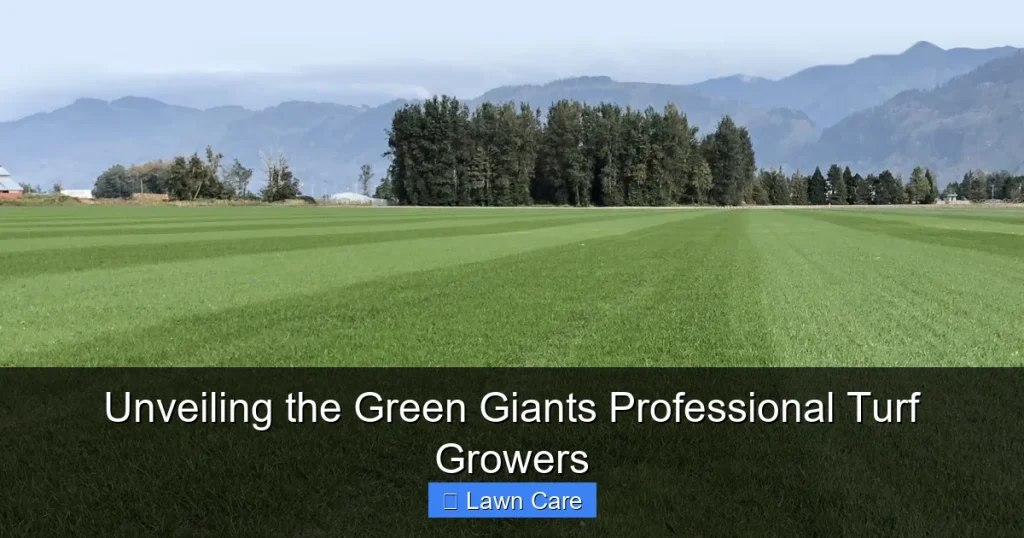
Green Giants Professional Turf Growers are the unsung heroes behind perfectly manicured lawns, transforming ordinary spaces into vibrant, green carpets. This article dives deep into their methods, revealing the secrets to achieving lush, healthy turf that commands admiration. Discover the essential practices that make their work stand out.
Have you ever driven past a house and just *stopped* to admire their lawn? That perfectly manicured, impossibly green carpet of grass that looks like it belongs on a magazine cover? Chances are, you weren’t just looking at a lucky homeowner. You were likely witnessing the artistry of professional turf growers, the true “Green Giants” of the lawn care world. These are the folks who understand the intricate language of grass, coaxing it into its most beautiful and resilient form.
They’re not just mowing lawns; they’re cultivating ecosystems. They see beyond the surface, understanding the vital role of soil, water, and sunlight in creating a thriving green space. In this article, we’re going to pull back the curtain and unveil the secrets of these Green Giants, exploring the techniques and dedication that go into creating those envy-inducing lawns.
## The Foundation: Understanding Soil Like a Pro
For Green Giants, a lawn isn’t just grass. It’s a complex interaction between the plants and the ground beneath them. Their first and most crucial step is understanding and nurturing the soil. Think of it like building a house; you wouldn’t start without a solid foundation, and for turf, that foundation is the soil.
### Soil Testing: The First Diagnostic Step
Before any seed is sown or sod is laid, professional turf growers conduct thorough soil tests. This isn’t just a quick check; it’s a deep dive into the soil’s composition. They analyze:
- pH Levels: This measures the soil’s acidity or alkalinity. Most turf grasses thrive in a slightly acidic to neutral pH range (around 6.0-7.0). If the pH is too high or too low, essential nutrients become locked up and unavailable to the grass, no matter how much you fertilize.
- Nutrient Content: They identify the levels of macronutrients (Nitrogen, Phosphorus, Potassium – NPK) and micronutrients (iron, manganese, zinc, etc.) present. This tells them exactly what the soil is lacking or has in excess.
- Organic Matter: A healthy amount of organic matter improves soil structure, water retention, and nutrient availability.
- Cation Exchange Capacity (CEC): This indicates the soil’s ability to hold onto nutrients. Higher CEC generally means better nutrient retention.
Armed with this data, Green Giants can create a precise plan to amend the soil. They might add lime to raise pH, sulfur to lower it, or specific amendments to boost organic matter. For example, if a soil test reveals low nitrogen and phosphorus, they’ll know precisely what type of fertilizer to use, like the ones reviewed here for their effectiveness.
### Aeration and Dethatching: Giving Roots Room to Breathe
Over time, soil can become compacted, especially in high-traffic areas. This compaction suffocates grass roots, preventing them from accessing air, water, and nutrients. Green Giants regularly perform aeration, using specialized machines to poke small holes into the soil. This allows air to penetrate, improves drainage, and helps nutrients reach deeper.
They also address thatch, which is a layer of dead and living organic matter that builds up between the grass blades and the soil surface. A thin layer of thatch is beneficial, but if it becomes too thick, it can block water and air, and harbor pests and diseases. Dethatching, or verticutting, is a process of mechanically removing this excess thatch, promoting healthier growth.
## The Art of Hydration: Precision Watering Strategies
Water is life for any plant, but for turf, it’s a delicate balance. Too little, and the grass wilts and turns brown. Too much, and you risk fungal diseases and shallow root systems. Professional turf growers are masters of hydration.
### Deep and Infrequent Watering
One of the core principles Green Giants follow is watering deeply and infrequently. Instead of short, daily sprinkles, they aim to soak the soil down to a depth of 4-6 inches. This encourages grass roots to grow deeper in search of moisture. Deep roots make the lawn more drought-tolerant and resilient to stress.
How do they know when and how much to water?
- Observing the Grass: They watch for signs of stress, like a dull, bluish-gray color, or footprints that remain visible long after being made.
- Soil Moisture Meters: These tools provide an objective measurement of how wet or dry the soil is at different depths.
- Weather Forecasting: They adjust watering schedules based on rainfall, temperature, and humidity, taking advantage of natural precipitation.
For instance, during hot summer periods, implementing strategies discussed in “How To Keep Your Lawn Green In The Summer Heat” becomes crucial, and professional turf growers are adept at this.
### Timing is Everything
The best time to water is early in the morning, typically between 4 AM and 10 AM. This allows the grass to absorb the water before the heat of the day causes excessive evaporation. Watering in the evening can leave the grass blades wet for too long, increasing the risk of fungal diseases.
## Cultivating Color: Tailored Fertilization Programs
Achieving that vibrant, deep green color isn’t just about luck or a magic spray. It’s the result of a well-planned, consistent fertilization program. Green Giants understand that “one size fits all” doesn’t apply to lawn nutrition.
### Understanding Grass Needs
Different grass species have different nutritional requirements. Cool-season grasses (like fescues and ryegrass) have different needs than warm-season grasses (like Bermuda and Zoysia). The time of year also plays a significant role. For example, spring and fall are critical feeding times for cool-season grasses, while warm-season grasses benefit most from feeding during their active growing periods.
### The Role of NPK and Micronutrients
Fertilizers are typically labeled with three numbers, representing Nitrogen (N), Phosphorus (P), and Potassium (K).
- Nitrogen (N): This is the primary driver of green, leafy growth and a key component of chlorophyll, which gives grass its color.
- Phosphorus (P): Essential for root development and overall plant establishment.
- Potassium (K): Crucial for overall plant health, stress tolerance (heat, drought, cold), and disease resistance.
Beyond NPK, micronutrients are also vital. Iron, for example, is often added to fertilizers to enhance chlorophyll production and achieve that deep green hue, as detailed in articles on achieving deep green grass color.
### Slow-Release vs. Quick-Release Fertilizers
Green Giants often prefer slow-release fertilizers. These are designed to gradually release nutrients over a longer period, providing a steady supply of food for the grass and reducing the risk of burning or excessive, rapid growth that can lead to more mowing and potential disease issues. This approach aligns with best practices for fertilization schedules.
## Proactive Protection: Pest and Disease Management
Even with the best care, lawns can be susceptible to pests and diseases. Green Giants don’t just react when a problem arises; they practice proactive, integrated pest management (IPM).
### Early Detection and Identification
Regular scouting is key. They are trained to spot the early signs of pest infestations (like grubs or chinch bugs) or diseases (like dollar spot or brown patch). Early detection often means less damage and easier treatment.
### Integrated Pest Management (IPM)
IPM is a holistic approach that prioritizes environmentally friendly solutions. This includes:
- Cultural Practices: As discussed, proper watering, mowing, and fertilization all contribute to a healthy lawn that can naturally resist pests and diseases.
- Biological Controls: Introducing beneficial insects that prey on pests.
- Chemical Controls (as a last resort): When necessary, they use targeted, low-impact pesticides or fungicides, applying them only where and when needed, and using the least toxic option available.
This responsible approach ensures the lawn is not only beautiful but also a healthy environment for people and pets.
## The Precision of Mowing: More Than Just Cutting
Mowing might seem like the most straightforward part of lawn care, but for Green Giants, it’s an art form. The way a lawn is mowed significantly impacts its health, density, and appearance.
### The Right Height Matters
Mowing too short can stress the grass, making it more susceptible to drought, weeds, and disease. Mowing too high can lead to weak stems and reduced density. Professional turf growers adhere to the “one-third rule,” never removing more than one-third of the grass blade in a single mowing. This varies by grass type, but generally, maintaining a slightly taller height promotes a healthier, more resilient lawn. For instance, knowing what is the best grass height for mowing is crucial.
### Sharp Blades and Clean Cuts
Dull mower blades tear grass blades, leaving ragged edges that are prone to disease and can give the lawn a “mown-over” or fuzzy appearance. Green Giants ensure their mower blades are always sharp, providing a clean cut that heals quickly.
### Mowing Patterns for Health and Aesthetics
While many homeowners simply mow back and forth, professional turf growers often vary their mowing patterns. This prevents the grass from becoming matted in one direction and helps distribute nutrients more evenly. Using different patterns can also create visually appealing stripes, adding to the professional look of the lawn, akin to the techniques in The Best Lawn Mowing Patterns For A Professional Look.
## Seasonal Adaptations: Year-Round Vigilance
A lawn isn’t a static entity; it’s alive and constantly responding to its environment. Green Giants understand that a successful lawn care program requires adapting to the changing seasons.
### Spring Revival
As the weather warms, they focus on dethatching, aerating, and applying spring fertilizers to kickstart growth and repair winter damage. Overseeding may also be done to fill in thin spots.
### Summer Resilience
During the hot, dry summer months, their priority shifts to ensuring adequate hydration and managing stress. They may adjust mowing heights and use fertilizers formulated for summer conditions to help the grass withstand the heat. Understanding how to keep your lawn green in the summer heat is a vital skill they possess.
### Fall Preparation
Fall is a critical time for rebuilding the lawn’s reserves for the coming winter. They focus on applying fall fertilizers, which often contain higher levels of potassium to strengthen the grass, and may continue with overseeding.
### Winter Protection
Even in winter, vigilance is necessary. For cool-season grasses, this might involve ensuring proper drainage to prevent ice damage and applying dormant feeding if conditions allow. For warm-season grasses, it’s about managing dormancy and preparing for spring green-up.
## The Green Giants’ Commitment: Beyond Just a Job
What truly sets Green Giants apart is their passion and dedication. They are more than just service providers; they are stewards of the landscape. Their commitment extends to:
- Continuous Learning: The field of turf management is constantly evolving with new research and technologies. Professional growers stay updated on the latest best practices.
- Environmental Responsibility: Many are increasingly adopting sustainable practices, focusing on water conservation, reduced pesticide use, and promoting healthy soil biology.
- Aesthetic Vision: They have an eye for detail, understanding how every element – from the crispness of the edges to the uniformity of the turf – contributes to the overall beauty of a property. Techniques for achieving a professional edge are often honed through years of practice.
These professionals understand that a beautiful lawn isn’t just about aesthetics; it’s about creating a healthy, functional, and enjoyable outdoor space. They are the masters of the green, ensuring that where the green grass grows, it grows exceptionally well.
### Conclusion: The Value of Professional Expertise
While DIY lawn care has its place, achieving the consistently stunning results that Green Giants deliver requires specialized knowledge, experience, and equipment. They bring a level of expertise that transforms ordinary yards into emerald masterpieces. From understanding the subtle nuances of soil chemistry to implementing precise watering and mowing regimes, these professionals are the true architects of exceptional turf. Next time you admire a truly magnificent lawn, remember the Green Giants behind the scenes, working tirelessly to cultivate that perfect patch of green.
- Expertise in Soil Health: Green Giants prioritize soil as the foundation, focusing on nutrient balance, aeration, and drainage for optimal turf growth.
- Precision Watering Techniques: They employ strategic watering, ensuring the right amount of hydration at the correct times to promote deep root development.
- Tailored Fertilization Programs: Understanding that each lawn is unique, they utilize customized fertilization schedules based on soil tests and grass types.
- Advanced Pest and Disease Management: Green Giants proactively identify and address potential threats, using integrated pest management for long-term lawn health.
- Mowing Mastery: They implement precise mowing techniques, including proper height, frequency, and patterns, to encourage dense, resilient turf.
- Seasonal Care Strategies: Their approach involves adapting practices to seasonal changes, ensuring lawns remain healthy and vibrant year-round.
- Commitment to Sustainability: Many Green Giants integrate eco-friendly practices, focusing on water conservation and reduced chemical usage.
Quick Answers to Common Questions
What makes a “Green Giant” professional turf grower different from a regular lawn service?
Green Giants possess specialized knowledge in turf science, soil health, and advanced horticultural techniques. They focus on long-term lawn health and sophisticated management strategies, rather than just basic maintenance.
How do professional turf growers ensure a lawn stays green year-round?
They achieve this through tailored fertilization programs, precise watering schedules adapted to seasonal changes, proactive pest and disease management, and selecting the right grass types for the climate.
Is professional turf growing more expensive than DIY?
While upfront costs might be higher, professional turf growers often provide better long-term value through optimized lawn health, reduced need for costly repairs, and greater resilience, saving money in the long run.
What is the most crucial factor in achieving a healthy lawn, according to turf growers?
Soil health is paramount. Green Giants emphasize understanding and improving soil structure, pH, and nutrient content as the fundamental basis for a thriving lawn.
Do Green Giants use a lot of chemicals?
Modern professional turf growers increasingly prioritize integrated pest management (IPM), using chemicals sparingly and only when necessary, focusing more on cultural practices and biological solutions.
Frequently Asked Questions
What is soil aeration, and why is it important for turf?
Soil aeration is the process of creating small holes in the soil to allow air, water, and nutrients to penetrate the root zone. It is crucial for preventing soil compaction and promoting deeper, healthier root growth.
How often should I fertilize my lawn for optimal results?
The optimal fertilization schedule depends on your grass type, climate, and soil conditions. Professional turf growers often recommend a customized plan, typically involving applications in spring, summer, and fall for cool-season grasses.
What are the signs of a pest infestation that I should look out for?
Common signs include brown patches, thinning grass, visible insects (like grubs or chinch bugs), chewed blades, or irregular patterns of damage across the lawn.
Can professional turf growers help with lawn drainage issues?
Yes, turf growers can diagnose and address drainage problems through techniques like aeration, grading, or installing drainage systems, which are essential for preventing waterlogged soil and root diseases.
What is the difference between annual and perennial ryegrass?
Annual ryegrass is a temporary grass that lives for one year, often used for quick cover. Perennial ryegrass is a long-lived grass that establishes a more permanent turf, known for its quick germination and wear tolerance.
How do I maintain a professional-looking lawn edge?
Maintaining a crisp lawn edge involves regular trimming with a string trimmer or edger and ensuring clean lines along sidewalks, driveways, and garden beds. This detail significantly enhances the overall manicured appearance of the lawn.