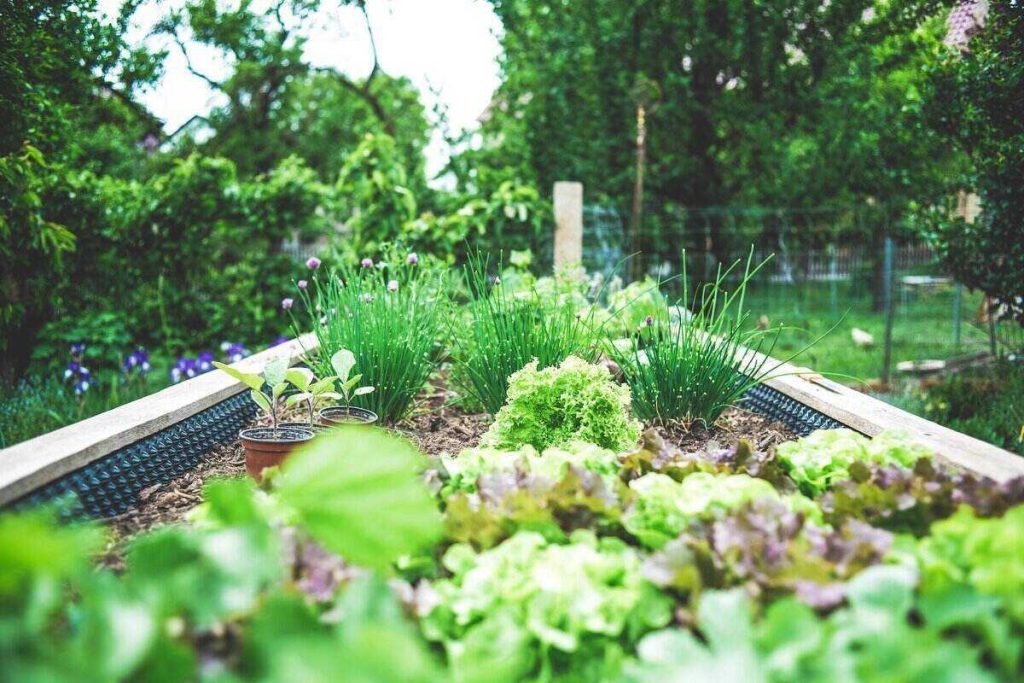
If you’re struggling with poor drainage in your vegetable garden, the good news is that there are several effective ways to improve it. Start by evaluating the soil type and incorporating organic matter to enhance its structure. Raised beds can also help, as they promote better water flow and reduce compaction. Additionally, ensure your garden is on a slope to aid drainage and consider installing drainage pipes if necessary. Another simple fix is to create drainage ditches or swales to direct excess water away from your plants. By taking these steps, you’ll be on your way to a healthier, thriving vegetable garden that can withstand the challenges of heavy rainfall.
Having good drainage is crucial for your plants’ health, as waterlogged soil can lead to root rot and hinder growth. Let’s explore some practical solutions to tackle this issue effectively!

How To Improve Drainage In Your Vegetable Garden
Good drainage is vital for a thriving vegetable garden. When water accumulates around the roots of your plants, it can lead to root rot and other serious issues. Improving drainage helps ensure your garden’s health and boosts your vegetable yield. Here are some effective strategies to enhance drainage in your vegetable garden.
Understanding Soil Types
Different soil types affect water drainage in various ways. Understanding your soil type is the first step in improving drainage. Here are the main types of soil:
- Clay Soil: This soil retains water and drains poorly.
- Sandy Soil: This soil drains quickly and doesn’t hold nutrients.
- Silt Soil: This soil holds moisture better than sandy soil but can still drain adequately.
- Loamy Soil: This is a balanced mixture of clay, sand, and silt. It usually drains well.
To find out what type of soil you have, do a simple jar test. By mixing soil and water in a jar, you can see the layers settle and determine your soil type.
Assessing Drainage Problems
Before you can fix drainage issues, you need to assess them. Here are some signs that you might have poor drainage:
- Water pooling after rain or watering.
- Plants showing signs of overwatering, like yellowing leaves.
- Roots that appear black or mushy.
Conduct a drainage test by digging a hole about 12 inches deep and filling it with water. If the water remains after 24 hours, your drainage might need improving.
Improving Soil Structure
The structure of your soil plays a crucial role in drainage. You can improve it by adding organic matter. This can include:
- Compost: Enriches the soil with nutrients and helps with drainage.
- Pine Bark: Breaks up compacted soil and improves aeration.
- Leaf Mold: Adds organic material and helps retain moisture while allowing drainage.
By incorporating these materials, you can transform clay soil into a more workable medium that drains efficiently.
Creating Raised Beds
Raised garden beds are a fantastic way to improve drainage. They elevate the plant roots above ground level, reducing the risk of water pooling around them. Here are the benefits:
- Better soil drainage, as water flows away from the roots.
- Improved soil temperature, promoting faster growth.
- Easy access for planting and harvesting.
When building raised beds, consider using rot-resistant wood or stone to ensure durability.
Installing Drainage Systems
If your garden is prone to flooding, consider installing a drainage system. French drains or catch basins can redirect excess water away from your garden. Here are some options to consider:
- French Drains: Trenches filled with gravel that channel water away from plants.
- Swales: Shallow ditches designed to manage water runoff.
- Catch Basins: Underground containers that collect water.
These systems can help prevent water accumulation and protect your vegetables.
Choosing the Right Location
The location of your garden can significantly affect drainage. Choose a spot that naturally allows water to run off. Look for areas that are:
- A bit elevated to avoid pooling during heavy rains.
- Positioned away from downspouts or areas that trap water.
By selecting the right location, you can help prevent drainage issues before they arise.
Cover Crops and Mulching
Cover crops can be beneficial in improving soil structure and drainage. They help prevent soil erosion and allow for better water absorption. Consider planting:
- Legumes: They enrich the soil and improve aeration.
- Oats: They help prevent soil compaction.
Mulching provides an additional layer of protection for your soil. Use organic materials like straw or wood chips to prevent evaporation and erosion.
Watering Practices
Proper watering practices can also help with drainage. Overwatering can lead to poor drainage issues. Here are some tips:
- Water early in the morning to allow moisture to absorb throughout the day.
- Use soaker hoses or drip irrigation to minimize water waste and ensure deep penetration.
These practices ensure that your plants get the right amount of water without overwhelming the soil.
Plant Selection
Choosing plants that can tolerate wet conditions can be helpful in areas with drainage issues. Consider planting:
- Water-loving vegetables like squash and cucumber.
- Plants with deep roots that can penetrate compacted soil.
This selection can ensure that even in less-than-ideal conditions, your garden can thrive.
Regular Maintenance
Regular maintenance is crucial for keeping your garden’s drainage system in check. Make it a habit to:
- Clear any debris from pathways and drainage systems to prevent blockages.
- Monitor your garden for signs of waterlogging and adjust as needed.
Taking these proactive measures can help you maintain a healthy garden environment.
Monitoring Rainfall and Weather Patterns
Being aware of your local weather can also help you anticipate drainage needs. Keep a rainfall chart to track patterns and prepare your garden accordingly.
- During heavy rain forecasts, check drainage systems.
- Adjust watering schedules based on predicted weather.
Understanding rain patterns allows for better planning and can mitigate drainage challenges.
Building a Healthy Ecosystem
Maintaining a balanced ecosystem in your garden can improve overall health, including drainage. Here are some practices to consider:
- Encourage beneficial insects to control pests naturally.
- Plant a variety of species to promote biodiversity.
A healthy ecosystem aids in nutrient cycling and can improve soil health, benefiting drainage in the long run.
Improving drainage in your vegetable garden is essential for healthy plant growth and a productive harvest. By understanding your soil type, utilizing raised beds, and implementing effective maintenance practices, you can create an environment where your vegetables thrive. With patience and thoughtful planning, your vegetable garden can flourish, no matter the weather.
Use these five tips for soil conditioning to improve your vegetable garden NOW 👩🏼🌾 #growyourown
Frequently Asked Questions
“`html
What are the signs of poor drainage in a vegetable garden?
Poor drainage often manifests through several signs. You might notice standing water, waterlogged soil after rainfall, or slow absorption of water when you irrigate. Additionally, if plants exhibit yellowing leaves or stunted growth, it could indicate that they are struggling due to excess moisture in the soil.
How can soil amendments help with drainage?
Soil amendments can significantly improve drainage by enhancing the soil structure. Adding organic matter, such as compost or well-rotted manure, increases soil aeration and promotes better water retention. Additionally, incorporating materials like perlite or sand can create larger soil particles, facilitating improved drainage while still retaining necessary moisture for plants.
Is it beneficial to create raised beds for drainage?
Creating raised beds can be very beneficial for improving drainage. Elevated garden beds promote faster water runoff and prevent water from pooling around plants. They also allow you to control the soil composition more effectively, ensuring it drains properly and provides an optimal growing environment for your vegetables.
What plants can thrive in poorly drained soil?
Some vegetables and plants naturally tolerate or even prefer moist conditions. Varieties such as watercress, mint, and certain types of squash may thrive in areas with poor drainage. Selecting these plants can help utilize problematic areas of your garden effectively while still providing a harvest.
How does installing drainage systems improve garden health?
Installing drainage systems, such as French drains or dry wells, can greatly enhance garden health by directing excess water away from plant roots. These systems prevent waterlogged conditions and reduce the risk of root rot and diseases. Ensuring proper drainage allows your vegetables to access necessary moisture without being overwhelmed by it.
“`
Final Thoughts
Improving drainage in your vegetable garden is essential for healthy plant growth. Start by assessing your soil type and incorporating organic matter to enhance structure and drainage. Additionally, consider creating raised beds to encourage excess water to flow away from plant roots.
Implementing proper drainage solutions like trenches and installing drainage tiles can further mitigate waterlogging. Regular maintenance, such as aerating the soil and monitoring moisture levels, ensures that your garden remains thriving. Focus on these tips to convert your vegetable garden into a flourishing space with effective drainage. How To Improve Drainage In Your Vegetable Garden is attainable with these strategies in mind.