
Planting bermuda grass seed in Texas requires precise timing, typically from late spring to early summer, when soil temperatures consistently reach 65-70°F. Success hinges on thorough soil preparation, consistent moisture for germination, and proper post-planting care. Follow this guide to ensure your Texas lawn thrives.
When to Plant Bermuda Grass Seed in Texas
Texas, with its diverse climates and passionate homeowners, is an ideal place for a beautiful bermuda grass lawn. This warm-season grass is known for its resilience, drought tolerance, and ability to thrive in the state’s hot summers. However, achieving that lush, green carpet starts with knowing precisely when and how to plant bermuda grass seed.
This comprehensive guide will walk you through everything you need to know about planting bermuda grass seed in Texas. We’ll cover the optimal timing, detailed preparation steps, proper planting techniques, and essential aftercare. By the end, you’ll have the knowledge to successfully establish a vibrant bermuda lawn that will be the envy of your neighborhood.
Key Takeaways
- Optimal Planting Time: The best time to plant bermuda grass seed in Texas is from late spring to early summer, generally April through July, when soil temperatures consistently stay above 65°F (18°C).
- Crucial Soil Preparation: Proper soil preparation, including testing, weed removal, tilling, and applying a starter fertilizer, is foundational for successful germination and healthy growth.
- Consistent Watering is Key: New bermuda grass seed requires frequent, light watering to keep the top inch of soil consistently moist until germination occurs and seedlings are established.
- Choose the Right Seed: Select high-quality, hulled bermuda grass seed suitable for Texas climates. Consider improved varieties for better disease resistance and density.
- Patience and Post-Care: Germination can take 7-30 days. After sprouts appear, continue with careful watering, timely mowing, and a balanced fertilization schedule to support strong root development.
- Watch the Weather: Avoid planting if extreme heat waves, unexpected cold snaps, or heavy rainfall are predicted, as these can significantly hinder germination.
Understanding Bermuda Grass in Texas
Bermuda grass (Cynodon dactylon) is a popular choice for lawns, golf courses, and athletic fields across the southern United States, especially in Texas. It’s a warm-season grass, meaning it actively grows during the warmer months and goes dormant, turning brown, in colder temperatures.
Ideal Growing Conditions for Bermuda Grass
Bermuda grass loves the sun and heat. It thrives in full sunlight, needing at least 6-8 hours of direct sun per day to perform its best. It also prefers well-drained soil and has excellent drought tolerance once established. These characteristics make it perfectly suited for the Texas climate, especially in central and south Texas, but also in many parts of north Texas.
Why Timing is Everything When Planting Bermuda Grass Seed
Planting bermuda grass seed at the right time is the single most critical factor for success. Plant too early, and the seeds won’t germinate because the soil is too cold. Plant too late, and the young seedlings won’t have enough time to establish a strong root system before the scorching summer heat or the onset of cooler fall temperatures. Proper timing ensures the seeds have the warm soil, consistent moisture, and sunlight they need to sprout and grow vigorously.
The Best Time to Plant Bermuda Grass Seed in Texas
The absolute best time to plant bermuda grass seed in Texas is during the late spring to early summer months. This period provides the consistent warmth that bermuda grass craves for germination and establishment.
Focus on Soil Temperature, Not Just Air Temperature
While air temperatures are a good general indicator, it’s the soil temperature that truly matters for bermuda grass seed germination. Bermuda grass seeds need warm soil to sprout.
- Optimal Soil Temperature: Aim for consistent soil temperatures between 65°F and 70°F (18°C – 21°C) at a depth of 2-4 inches.
- When This Usually Occurs: In most parts of Texas, these soil temperatures are typically reached from mid-April through early July.
Planting bermuda grass seed when the soil is too cold can lead to very poor germination rates or even complete failure, as the seeds will simply sit in the ground, vulnerable to disease and pests, without sprouting.
Regional Considerations Across Texas
Texas is a vast state with varying climates. While the general window of late spring to early summer applies, you might need to adjust slightly based on your specific region:
- North Texas (e.g., Dallas, Fort Worth): The planting window usually opens a bit later, around late April to mid-May, extending through July. Soil temperatures may take longer to warm up in spring.
- Central Texas (e.g., Austin, San Antonio): The prime planting season typically starts earlier, from mid-April and can run through June, sometimes into early July.
- South Texas (e.g., Houston, Corpus Christi, Rio Grande Valley): With warmer temperatures arriving sooner, you might be able to start planting bermuda grass seed as early as late March or early April, extending comfortably through June and even into early July. However, beware of the intense mid-summer heat that can stress very young seedlings.
- West Texas (e.g., El Paso, Lubbock): This region can experience significant temperature swings. Pay close attention to consistent soil temperatures, which might align more with North Texas schedules.
Always check local weather forecasts and, if possible, use a soil thermometer to confirm conditions before you plant bermuda grass seed.
Why Avoid Planting Outside This Window?
- Planting Too Early (Late Winter/Early Spring): Cold soil prevents germination. Seeds can rot or be eaten by birds/insects before sprouting.
- Planting Too Late (Late Summer/Fall): While seeds might germinate in late summer, the intense heat can be too stressful for tender seedlings. Planting in fall risks seedlings not having enough time to establish deep roots before winter’s first frost, leading to winter kill.
The goal is to give your bermuda grass seedlings a long, warm growing season to mature and build up energy reserves before their first dormancy period.
Step-by-Step Guide to Planting Bermuda Grass Seed
Once you’ve identified the optimal time to plant bermuda grass seed in Texas, it’s time to prepare your site and get planting.
Step 1: Soil Preparation – The Foundation of Success
Proper soil preparation is non-negotiable for a successful bermuda grass lawn from seed. This step ensures your seeds have the best environment to germinate and grow strong roots.
H3: 1.1. Conduct a Soil Test
Before doing anything else, get a soil test. Contact your local county extension office for kits and instructions. A soil test will tell you your soil’s pH (bermuda prefers 6.0-7.0) and nutrient levels. This information is crucial for applying the correct amendments and fertilizers.
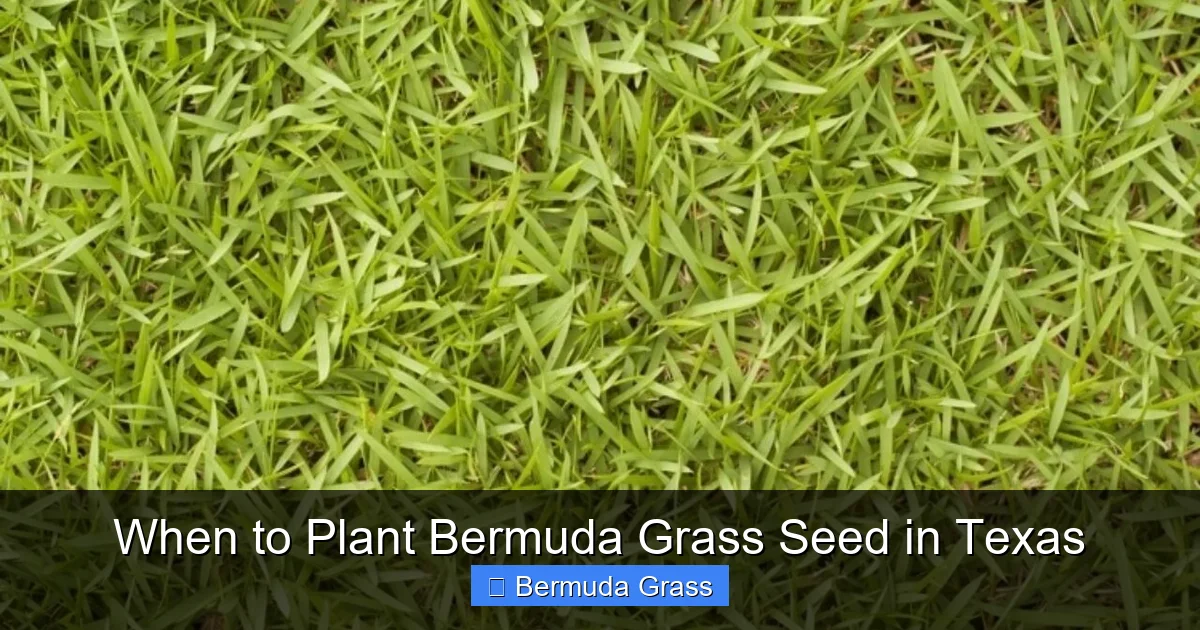
Visual guide about When to Plant Bermuda Grass Seed in Texas
Image source: agreenhand.com
H3: 1.2. Clear the Area and Remove Weeds
Remove all existing vegetation, especially weeds. Weeds will compete fiercely with your new bermuda grass seedlings for water, nutrients, and sunlight. You can use non-selective herbicides (following label directions carefully) or physically remove weeds by hand or with a tiller. Give yourself enough time for herbicides to work before planting. If you use an herbicide, wait the recommended time before seeding.
H3: 1.3. Till and Level the Soil
Once cleared, till the soil to a depth of 4-6 inches. This loosens compacted soil, improves drainage, and allows roots to penetrate deeply. After tilling, rake the area smooth, removing any rocks, debris, or large clumps. Ensure the surface is level, as uneven areas can lead to water pooling or erosion.
H3: 1.4. Amend and Fertilize (Based on Soil Test)
Based on your soil test results, add any necessary amendments like lime to adjust pH or organic matter to improve soil structure. Then, apply a “starter fertilizer” specifically designed for new lawns. These fertilizers are rich in phosphorus, which promotes root development. Lightly rake the fertilizer into the top 1-2 inches of soil.
Step 2: Choosing the Right Bermuda Grass Seed
The type and quality of seed you select will significantly impact your lawn’s appearance and performance.
H3: 2.1. Hulled vs. Unhulled Seed
Always choose hulled bermuda grass seed for planting. Hulled seeds have their outer protective casing removed, allowing for faster and more uniform germination. Unhulled seeds take longer to germinate and often sprout unevenly.
H3: 2.2. Select a Variety Suited for Texas
While “common” bermuda grass seed is widely available and affordable, consider improved varieties. These often offer better density, finer texture, improved cold tolerance (beneficial for northern parts of Texas), and enhanced disease resistance. Look for varieties recommended for your specific Texas region.
H3: 2.3. Calculate Seed Rate
Check the seed bag for the recommended seeding rate, which is typically around 1-2 pounds per 1,000 square feet for new lawns. Use a measuring tape to determine the exact square footage of your planting area to avoid over-seeding or under-seeding.
Step 3: Seeding Techniques
Even distribution is crucial for a uniform, dense lawn.
H3: 3.1. Use a Spreader for Even Distribution
A broadcast spreader or a drop spreader is highly recommended for planting bermuda grass seed. This ensures the seeds are distributed evenly. Calibrate your spreader according to the manufacturer’s instructions for your specific seed type.
H3: 3.2. Apply in Two Directions (Cross-Hatching)
To ensure even coverage, apply half of the seed walking in one direction (e.g., north to south) and the other half walking perpendicular to the first pass (e.g., east to west). This “cross-hatching” method minimizes gaps and ensures a dense stand of grass.
H3: 3.3. Lightly Cover and Roll
After spreading the seed, lightly rake it into the top 1/8 to 1/4 inch of soil. You don’t want to bury the seeds too deeply. Then, gently roll the entire area with a lawn roller. This ensures good seed-to-soil contact, which is essential for germination.
Step 4: Watering for Germination – The Most Critical Step
Consistent moisture is absolutely vital for bermuda grass seed to germinate successfully. This is where many new plantings fail.
H3: 4.1. Initial Watering
Immediately after seeding and rolling, give the entire area a thorough but gentle watering. The goal is to moisten the top 2-3 inches of soil without causing runoff or displacing the seeds. Use a sprinkler that delivers a fine spray.
H3: 4.2. Consistent Moisture is Key
For the next 7-30 days (the typical germination period for bermuda grass), you must keep the top inch of soil consistently moist. This often means watering 2-4 times a day for short durations (5-10 minutes each time), especially during warm Texas days. The soil should never be allowed to dry out completely. As seedlings emerge and grow, gradually reduce the frequency of watering while increasing the duration, encouraging roots to grow deeper.
H3: 4.3. Avoid Overwatering and Runoff
While consistent moisture is vital, standing water or heavy runoff can wash away seeds or lead to fungal issues. Adjust your watering schedule based on rainfall and soil moisture levels. Feel the soil with your finger – if it feels dry, water.
Step 5: Post-Planting Care for a Thriving Lawn
Once your bermuda grass seedlings have emerged, the care doesn’t stop. Proper post-planting maintenance helps them establish into a strong, healthy lawn.
H3: 5.1. First Mowing
Wait until your new bermuda grass reaches about 2-3 inches in height before its first mowing. Use a sharp mower blade and set it to a high setting (e.g., 2 inches). Only remove the top 1/3 of the grass blade. Continue to mow regularly to encourage density and discourage weeds.
H3: 5.2. Fertilization Schedule
About 4-6 weeks after germination, you can apply a balanced lawn fertilizer (e.g., 10-10-10 or 15-5-10) to support continued growth. Always follow the product’s instructions. As your lawn matures, you’ll transition to a regular bermuda grass fertilization schedule throughout the growing season.
H3: 5.3. Weed Control Considerations
Weed control is tricky with new seedlings. Avoid using pre-emergent herbicides until after your bermuda grass has been mowed several times (typically 6-8 weeks after germination) as they can prevent bermuda seeds from sprouting. Tackle weeds by hand if possible during the initial establishment phase. Once established, you can use post-emergent herbicides labeled safe for bermuda grass.
H3: 5.4. Pest and Disease Management
Keep an eye out for any signs of pests or diseases. Young bermuda grass is more vulnerable. Address any issues promptly with appropriate treatments, but prevention through proper watering and fertilization is always best.
Factors Affecting Planting Success
Even with perfect timing and technique, certain factors can influence your success when you plant bermuda grass seed in Texas.
- Unexpected Weather: Sudden cold snaps, prolonged periods of cloudy weather, or unseasonably heavy rains can impact germination and seedling survival.
- Weed Pressure: If not thoroughly removed, existing weeds will quickly outcompete tender bermuda grass seedlings.
- Soil Quality: Poor soil drainage, extreme pH, or nutrient deficiencies will hinder growth, even with the best seed.
- Watering Consistency: Any lapse in consistent moisture during germination can be fatal to your young grass.
Troubleshooting Common Issues
When you plant bermuda grass seed, you might encounter some common hurdles. Here’s how to address them:
H3: Poor or Uneven Germination
If seeds aren’t sprouting or growth is patchy, consider these factors: Was the soil temperature consistently warm enough? Was watering consistent? Was the seed buried too deep or not deep enough? Did you use fresh, high-quality seed? Address these issues and consider re-seeding sparse areas.
H3: Weed Invasion
If weeds are taking over, they likely weren’t adequately removed during soil prep or they’ve blown in. Hand-pulling is the safest method for young lawns. Once the bermuda grass is established (after several mowings), you can carefully apply selective herbicides.
H3: Seedlings Turning Yellow or Brown
This could indicate overwatering, underwatering, or nutrient deficiency. Check soil moisture. If it’s soggy, reduce watering. If dry, increase. A soil test (if not done) or a light application of balanced liquid fertilizer designed for new lawns might help if nutrients are lacking.
Conclusion
Planting bermuda grass seed in Texas can lead to a beautiful, resilient lawn that stands up to the state’s challenging climate. The key to success lies in careful planning and execution. By focusing on the optimal planting window (late spring to early summer when soil temperatures are consistently 65-70°F), meticulously preparing your soil, ensuring consistent moisture, and providing diligent aftercare, you set your new lawn up for success. Remember, patience is a virtue when establishing a new lawn from seed. Follow these steps, and you’ll soon be enjoying a lush, vibrant bermuda grass lawn that enhances your home’s curb appeal. Happy planting!