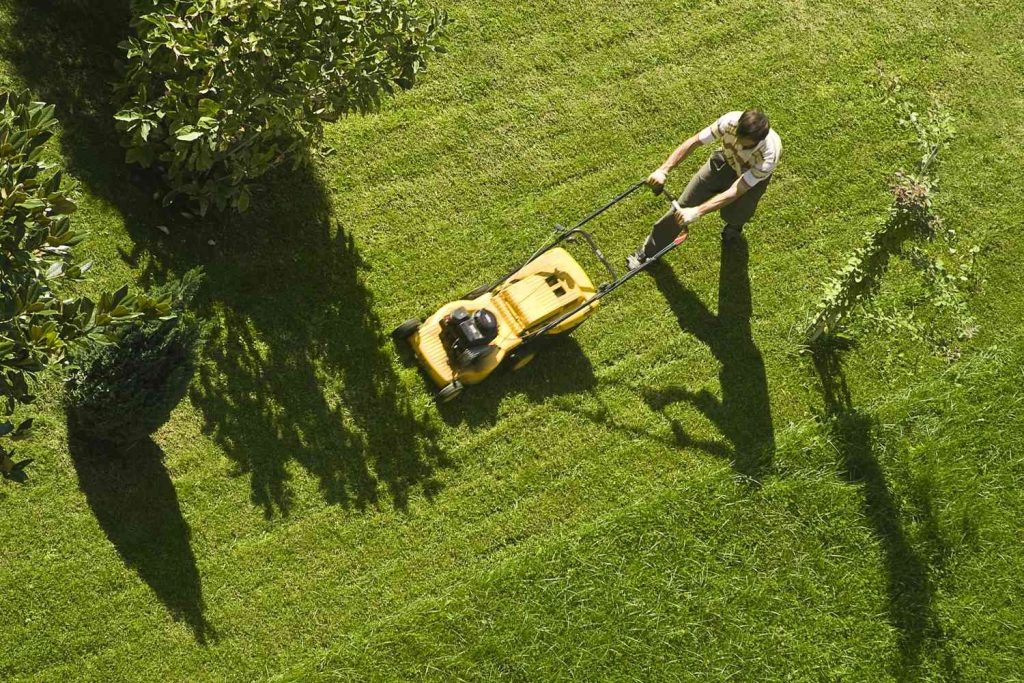
Most lawn care enthusiasts unknowingly make mistakes that hinder their yard’s beauty and health, but the good news is that you can easily avoid them. **The key is understanding these pitfalls and taking corrective action.** In this article, we’ll explore the 5 Common Lawn Care Mistakes Almost Everyone Makes.
From overwatering to improper mowing techniques, these errors can turn a vibrant lawn into a patchy mess. By being aware of these common blunders, you can ensure your lawn thrives and stands out in the neighborhood. Let’s dive into these mistakes and learn how to keep your yard looking its best.

“`html
5 Common Lawn Care Mistakes Almost Everyone Makes
Taking care of a lawn can be a tricky business. Even seasoned gardeners find themselves making mistakes that hinder their grass’s potential. In this section, we’ll dive into the five most common lawn care mistakes that almost everyone makes. Understanding these pitfalls can help you cultivate a lush, green lawn that you can be proud of.
Overwatering or Underwatering
One of the biggest mistakes people make when caring for their lawns is getting the watering right. Both overwatering and underwatering can lead to serious problems.
Overwatering
When our lawns start to look a little brown or dry, many homeowners think the solution is more water. However, overwatering can suffocate the grass and promote the growth of root rot. Here are some signs you might be overwatering:
- Puddles forming on the surface of the lawn
- Grass looks mushy and soft
- Moss or algae growing in shaded areas
To avoid overwatering, consider the following tips:
- Water early in the morning to reduce evaporation.
- Use a rain gauge to monitor how much water your lawn receives.
- Adjust your watering schedule based on recent rainfall.
Underwatering
On the flip side, not giving your lawn enough water can also lead to problems. Grass needs water to thrive, and lack of moisture can stress it out. Signs of underwatering include:
- Grass turning a dull, gray color
- Brown patches in the lawn
- Grass blades curling up
If you suspect your lawn is underwatered, try these methods:
- Water deeply but less frequently to encourage deep root growth.
- Avoid watering in the heat of the day, as much of it can evaporate.
- Pay attention to the weather; adjust your schedule accordingly.
Neglecting Soil Health
Healthy soil is the foundation for a resilient lawn. Many people overlook the importance of soil health, but this can lead to poor growth and increased pest problems.
Ignoring Soil Testing
Regular soil testing can reveal key information about pH levels and nutrient content. Without testing, you may use fertilizers that aren’t suitable for your lawn, which can harm rather than help. Here’s how to keep your soil healthy:
- Use a soil testing kit to check pH and nutrient levels.
- After testing, amend the soil based on the results.
- Consider adding organic matter like compost to improve soil structure.
Not Aerating the Lawn
Aeration helps to relieve soil compaction, allowing air, water, and nutrients to penetrate the soil effectively. Not aerating can lead to a hard, dry surface that struggles to support healthy grass growth. Here’s when and how to aerate:
- Aerate your lawn during growing season, preferably in the spring or fall.
- Use a core aerator to remove small plugs of soil from the lawn.
- Aerate in a checkerboard pattern to cover the entire area.
Using the Wrong Mower Height
Mowing is a regular chore for lawn care, but many people make mistakes in how they mow. One of the most common lawn care mistakes is cutting grass too short.
Benefits of Proper Mowing Height
When grass is cut too short, it can become stressed and encourage the growth of weeds. Keeping the right mowing height helps maintain a healthy lawn:
- Different types of grass have varying ideal heights. Know what your lawn needs!
- Generally, keeping grass between 2.5 to 4 inches is recommended.
- Keep mower blades sharp; dull blades can tear grass, leading to diseases.
Adjusting Your Mowing Schedule
During the growing season, you may need to mow more frequently. A good rule of thumb is to never cut more than one-third of the grass blade at a time. If you do, it can put your grass under stress.
Fertilizing at the Wrong Time
Fertilizing is necessary for a green lawn, but timing is crucial. Many homeowners apply fertilizer incorrectly, which can lead to uneven growth or lawn burn.
Understanding Fertilizer Types
There are different types of fertilizers—slow-release and quick-release. Knowing which type to apply can make a significant difference:
- Slow-release fertilizers provide nutrients over time and are less likely to burn your lawn.
- Quick-release fertilizers give an immediate boost but can lead to rapid growth that requires more frequent mowing.
Creating a Fertilization Schedule
Timing your fertilization is also key to lawn health:
- In general, spring and fall are the best times to fertilize cool-season grasses.
- Warm-season grasses do best with fertilization during the late spring and summer.
- Always read and follow the recommended application rates on fertilizer bags.
Ignoring Weeds and Pests
Weeds and pests are a lawn’s biggest enemies, and many homeowners make the mistake of ignoring them until it’s too late.
Identifying Common Weeds
Weeds can steal nutrients and water from your grass, leading to a patchy lawn. Familiarize yourself with common weeds:
- Dandelions: These bright yellow flowers spread quickly if not removed.
- Clover: While initially appealing, it can choke out grass.
- Crabgrass: A summer annual that can take over if not addressed promptly.
Taking Action Against Pests
Pests can also wreak havoc on your lawn. Here’s how to manage them:
- Regular inspections can help catch pest problems early.
- Consider natural pest control solutions before reaching for chemical pesticides.
- Encourage beneficial insects like ladybugs and lacewings that can help control pest populations.
A beautiful lawn requires attention and care, and avoiding these common mistakes can go a long way in achieving those lush green goals. By properly managing watering, soil health, mowing, fertilizing, and pest control, your lawn can not only look great but also thrive for years to come. Make sure you’re mindful of these care techniques, and soon you’ll enjoy the satisfaction of a vibrant and healthy lawn that makes your yard the envy of the neighborhood.
“`
5 Common Lawn Care Mistakes
Frequently Asked Questions
What are some signs that my lawn is unhealthy?
Signs of an unhealthy lawn include yellowing or browning grass, irregular growth patterns, bare patches, and an abundance of weeds. If your grass feels spongy or you notice pests like grubs, these are also indicators that your lawn may need attention. Regularly monitoring your lawn’s appearance will help you catch these issues early.
How often should I water my lawn for optimal health?
Most lawns require about 1 to 1.5 inches of water per week, either from rainfall or irrigation. It’s better to water deeply and less frequently to encourage deep root growth. Watering early in the morning minimizes evaporation and helps the grass absorb moisture effectively.
What is the best way to deal with weeds in my lawn?
To manage weeds, start by maintaining a healthy lawn to outcompete them. Regular mowing, overseeding, and proper watering can help. For persistent weeds, consider using targeted herbicides or natural alternatives, always following product instructions to ensure safe and effective application.
How can I tell if I’m mowing my lawn at the right height?
Mowing height varies based on grass type, but generally, you should aim to cut no more than one-third of the grass blade at a time. For most cool-season grasses, a height of 2.5 to 4 inches is ideal, while warm-season grasses typically thrive at 1 to 3 inches. Adjust your mower as needed to ensure you maintain the appropriate height for your grass type.
Is fertilizing my lawn more beneficial, or can it be harmful?
While fertilizing can promote healthy growth and vibrant color, over-fertilizing can harm your lawn. It may lead to excessive growth, increased vulnerability to pests, and potential nutrient runoff that harms the environment. Follow a fertilization schedule based on soil tests and your lawn’s specific needs to achieve the best results without negative impacts.
Final Thoughts
Many homeowners overlook simple practices that can lead to lawn care failures. Regularly mowing at the wrong height and over-fertilizing are common mistakes that can damage your grass.
Ignoring soil health and watering too frequently also contribute to a struggling lawn.
By avoiding these pitfalls, you can achieve a healthier, more vibrant lawn. Remember, “5 Common Lawn Care Mistakes Almost Everyone Makes” can be easily avoided with a little knowledge and attention to detail.