Are your plants showing signs of distress? If you’re wondering whether you’ve been over-fertilizing them, it’s crucial to identify the early warning signs. Over-fertilization can harm your plants more than help them, leading to issues like burnt leaves, stunted growth, and poor fruit production. In this article, we’ll explore six clear indicators that you may be giving your plants too much of a good thing. By understanding these signs, you can adjust your fertilization routine and help your plants thrive. Let’s dive in and ensure your green friends stay healthy and happy!

6 Signs You Are Over Fertilizing Your Plants
Fertilizing your plants is essential for their growth and health. However, too much fertilizer can lead to various problems. Understanding the signs of over-fertilization can save your plants from stress and damage. In this article, we will explore six clear signs that indicate you are putting too much fertilizer on your plants.
1. Yellowing Leaves
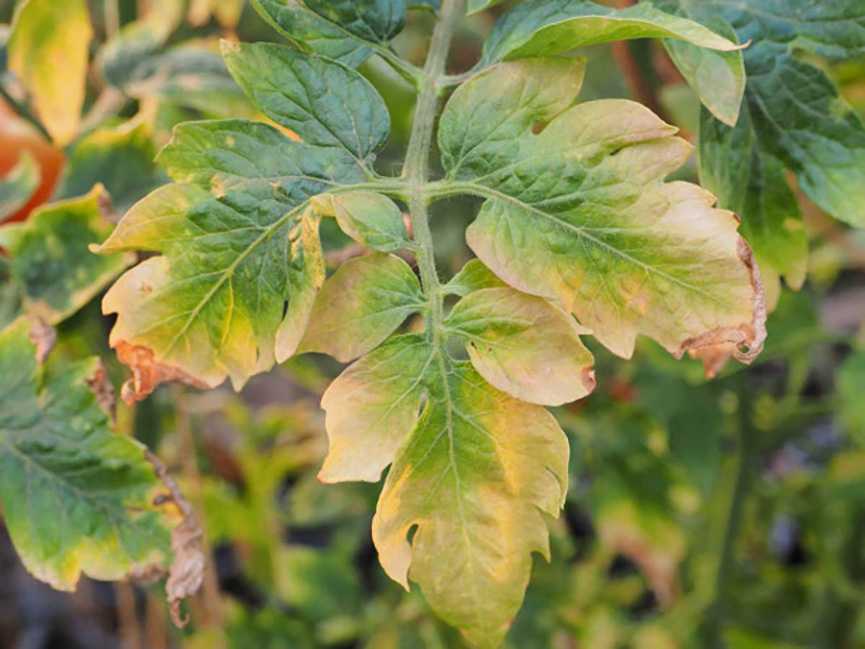
One of the first signs of over-fertilization is yellowing leaves. Instead of a vibrant green, your plants may start to develop a pale or yellow hue. This is often due to the salt buildup from excess fertilizer, which can hinder the plant’s ability to absorb nutrients.
– If you notice yellowing, check for signs of salt accumulation on the soil surface or around the pot’s edges.
– Yellow leaves can also indicate a nitrogen deficiency, which may seem ironic when dealing with over-fertilization.
2. Leaf Burn
Another unmistakable sign of over-fertilization is leaf burn. This occurs when the tips and edges of leaves turn brown and crispy. Excess fertilizer can cause a chemical burn, leading to this distressing condition.
– Leaf burn primarily happens on fast-growing plants that require specific nutrient levels.
– Keep an eye out for burnt tips or edges and consider reducing your fertilizer application immediately.
3. Stunted Growth
You may notice your plants growing slower than normal, even with ample sunlight and water. Over-fertilization can cause root damage, leading to stunted growth.
– When roots are damaged, they can’t absorb water and nutrients properly, which halts growth progress.
– It’s essential to observe the growth patterns of your plants and adjust fertilizer accordingly.
4. Excessive Leaf Growth
While plants need foliage to thrive, excessive leaf growth can indicate over-fertilization. If your plants are growing leaves rapidly but not producing flowers or fruits, it may be time to rethink your fertilization routine.
– Plants directed towards leaf growth often neglect their root systems and overall health.
– Look for a balance between leaf growth and flower or fruit production to ensure your plants are healthy.
5. White Crust on Soil Surface
If you see a white crust forming on the surface of your potted plants’ soil, it’s a major indicator of salt buildup from fertilizer. This crust can come from dissolved salts that remain after the water evaporates.
– This accumulation can harm plant roots and may lead to further issues if not addressed.
– It’s wise to flush the soil with water to help dislodge some of these salts and restore balance.
6. Poor Flowering or Fruiting
If your flowering plants fail to blossom, or fruit-bearing plants don’t produce fruits as expected, over-fertilization might be the culprit. Too much nitrogen can lead to lush greens at the cost of flowers and fruits.
– Plants focusing on leaf growth often have fewer resources to allocate towards reproduction.
– Adjusting the type and amount of fertilizer can help bring back blooms and fruit.
How to Avoid Over-Fertilizing Your Plants
Preventing over-fertilization is essential for healthy plants. Here are some tips to consider:
1. Follow Instructions
Always read and follow the instructions on the fertilizer package. Many fertilizers come with recommended application rates that help sustain plant health.
– Don’t be tempted to apply more than suggested; plants benefit from a steady and moderated approach.
2. Test Your Soil
Regular soil testing can provide insights into nutrient levels in your garden. Testing helps determine whether you need to add fertilizer or not.
– This practice can prevent unnecessary application and keep your plants healthy.
3. Use Slow-Release Fertilizers
Opt for slow-release fertilizers, which provide nutrients gradually over time. This method reduces the risk of nutrient overload that can come from quick-release options.
– Slow-release fertilizers offer a steadier supply of nutrients, minimizing the chance of over-fertilization.
4. Implement a Fertilization Schedule
Create a fertilization schedule that aligns with the growing season of your plants. Some plants need more nutrients during specific times of the year.
– By scheduling applications correctly, you will nourish your plants without overwhelming them.
5. Observe Plant Behavior
Pay close attention to your plants’ growth and health. Understanding when they look happy and healthy can guide your fertilization practices.
– Look for the signs we discussed to ensure you’re not over-fertilizing.
6. Water Thoroughly
Watering your plants thoroughly after applying fertilizer helps distribute nutrients evenly. This practice also rinses away excess salts from the soil.
– Ensure you’re not letting fertilizer sit, which can lead to buildup and root damage.
Taking care of your plants means knowing how much fertilizer they truly need. By recognizing the signs of over-fertilization, you can maintain a healthy balance. Remember to observe your plants closely and adjust your fertilization habits accordingly. Healthy plants lead to a thriving garden that you can enjoy year-round.
7 Signs of over fertilized plants | Houseplant Resource Center
Frequently Asked Questions
What are the visible symptoms of over-fertilization in plants?
Visible symptoms of over-fertilization include leaf burn, where the edges of the leaves turn brown and crispy. Plants may also show stunted growth despite the excess nutrients. Yellowing leaves, particularly those at the bottom, can indicate nutrient imbalance. Additionally, an overall limp appearance or excessive leaf drop can signal that a plant is experiencing too much fertilizer.
How often should I be fertilizing my plants to avoid over-fertilization?
The frequency of fertilization depends on the type of plant and the specific fertilizer used. Generally, you should fertilize most houseplants every 4 to 6 weeks during the growing season. It’s crucial to follow the manufacturer’s guidelines on the fertilizer packaging, as some fertilizers require less frequent application. Always monitor your plants for signs of stress and adjust your schedule accordingly.
Can over-fertilization affect the soil quality?
Yes, over-fertilization can negatively impact soil quality. Excess nutrients can leach into the soil, leading to nutrient imbalances and potentially harming beneficial microorganisms. This can result in a buildup of salts in the soil, which can inhibit plant growth and health. Regularly testing your soil can help you manage nutrient levels effectively.
What steps can I take if I realize I have over-fertilized my plants?
If you suspect over-fertilization, first stop applying any fertilizer immediately. Water your plants thoroughly to help leach excess nutrients from the soil. In severe cases, consider repotting your plant with fresh soil that is free of excess fertilizers. Observe your plants closely for signs of recovery, and adjust your care routine to avoid repeating the issue.
How do different types of fertilizers influence the risk of over-fertilization?
Different types of fertilizers, such as granular, liquid, or slow-release, influence the risk of over-fertilization in various ways. Liquid fertilizers can lead to quicker nutrient absorption, increasing the risk of over-fertilization if over-applied. Granular fertilizers release nutrients more slowly, which may reduce the chances of over-fertilization. Understanding the characteristics of the fertilizer you use can help you apply it more effectively.
Final Thoughts
Over-fertilizing your plants can lead to several noticeable problems. Yellowing leaves, stunted growth, and a buildup of salts in the soil are clear signs you should adjust your fertilization strategy.
If you see burnt leaf tips or flowering issues, it’s time to reconsider how much fertilizer you’re using.
By recognizing these signs, you can ensure your plants thrive rather than suffer from excess nutrients. Remember, 6 Signs You Are Over Fertilizing Your Plants is essential for maintaining healthy and vibrant greenery.