Zucchini leaves turning brown and dry is one of the most common problems home gardeners run into, and it usually points to a handful of fixable issues. The tricky part is figuring out which one is hitting your plant, because the symptoms look surprisingly similar whether it's a watering problem, a disease, or pest damage.
Our research shows that most cases come down to inconsistent moisture, fungal infections like powdery mildew, or early-stage pest infestations. Zucchini plants need 1 to 2 inches of water per week and a soil pH between 6.0 and 7.5 to stay healthy, according to university extension guidelines. Once you know what to look for, narrowing down the cause takes just a few minutes of inspection.
Image source: Pixabay / stevepb (Pixabay Content License)
Quick Answer
Zucchini leaves turn brown and dry for several reasons. The most common causes are overwatering, underwatering, powdery mildew, pest damage, or sunscald. Start by checking your soil moisture.
Then inspect leaves for powder coating, spots, or insects. Match the symptoms to the right fix.
The Usual Suspects: What's Actually Going on
When zucchini leaves start browning and drying out, your job is to play detective. The cause could be environmental, biological, or cultural. That means anything from how you water to what's living on the underside of the leaves.
Here's the good news. Most of these problems are manageable if you catch them early. The bad news is that waiting too long makes recovery harder, especially with fungal diseases that spread fast in warm, humid conditions.
Let's walk through each major cause so you can match what you're seeing in your garden to the right solution.
First, Check This: A 60-Second Soil Moisture Test
Before you spray anything or pull out the pruning shears, stick your finger into the soil about 2 inches deep near the base of the plant. This single test rules out or confirms the number one cause of brown, dry zucchini leaves: water stress.
If the soil feels soggy or wet, you're likely overwatering. If it feels dry and crumbly, the plant is thirsty. If it feels evenly moist, like a wrung-out sponge, then water isn't your problem and you can move on to checking for disease or pests.
Image source: Pixabay / analogicus (Pixabay Content License)
Zucchini roots need oxygen as much as they need water. When soil stays waterlogged, roots suffocate and can't deliver moisture to the leaves. This causes them to dry out and turn brown even though there's plenty of water in the ground.
Overwatering vs. Underwatering: How to Tell the Difference
These two problems look almost identical at first glance. Both cause leaves to brown, curl, and crisp up. But the fix for each one is the opposite, so getting this right matters.
Overwatering signs:
- Leaves brown from the edges inward, often feeling limp rather than crispy
- Soil stays wet for days after watering
- Lower leaves yellow before browning
- Stems near the base may feel soft or mushy
- Roots appear dark brown or black when checked
Underwatering signs:
- Leaves brown and feel dry, papery, or brittle
- Soil pulls away from the edges of the pot or bed
- Leaves wilt during the hottest part of the day
- Browning starts on the oldest, lowest leaves first
- Roots look pale and dry
Container-grown zucchini dries out much faster than in-ground plants. If you're growing on a patio or balcony, you might need to water daily during heat waves. In-ground plants in heavy clay soil face the opposite risk, staying too wet after rain.
The fix for overwatering is straightforward: cut back, improve drainage, and let the top few inches of soil dry out between sessions. For underwatering, deep, less frequent watering works better than shallow daily sprinkles. Aim for that 1 to 2 inches per week, delivered slowly enough that it soaks in rather than running off.
Fungal Diseases: Powdery Mildew, Downy Mildew, and Wilt
Fungal infections are the second most common reason zucchini leaves turn brown and dry. They spread fast, especially when nights are warm and humidity is high.
Powdery mildew is the one you'll probably encounter first. It shows up as white or gray powdery patches on the upper leaf surface. Those patches eventually turn the affected tissue brown and crispy.
It thrives in temperatures between 60 and 80°F with high humidity, according to plant pathology research from the American Phytopathological Society.
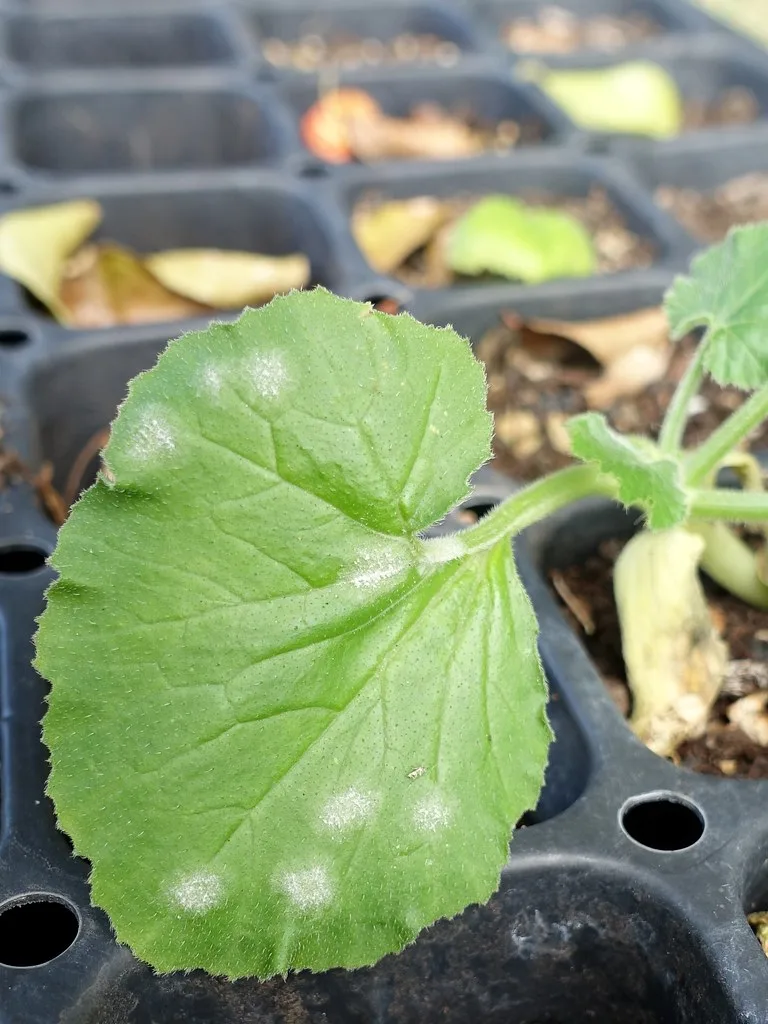
Image source: Openverse / Plant pests and diseases
Downy mildew is less common but more aggressive. Look for yellow or pale green angular spots on the top of leaves, with a fuzzy gray-purple growth underneath. It loves cool, wet conditions and can defoliate a plant in days.
Fusarium and Verticillium wilt work differently. They attack through the roots and block water transport, causing leaves to yellow, wilt, and brown, usually starting on one side of the plant. Cutting a stem near the base reveals brown streaking inside the vascular tissue.
For all three, the first step is removing heavily infected leaves and disposing of them in the trash, not the compost. Improve air circulation by spacing plants at least 3 feet apart. Avoid overhead watering, which splashes spores onto healthy foliage.
Neem oil and copper-based fungicides can slow early-stage infections if applied at the first sign of trouble.
Pest Damage: Cucumber Beetles, Spider Mites, and Borers
Pests can cause leaf browning and drying in ways that mimic disease. The key is catching them early before populations explode.
Cucumber beetles chew irregular holes in leaves, and the damaged tissue around those holes dries out and turns brown. They also transmit bacterial wilt, which causes sudden wilting of entire vines. Check for striped or spotted beetles on stems and leaf undersides, especially in early summer.
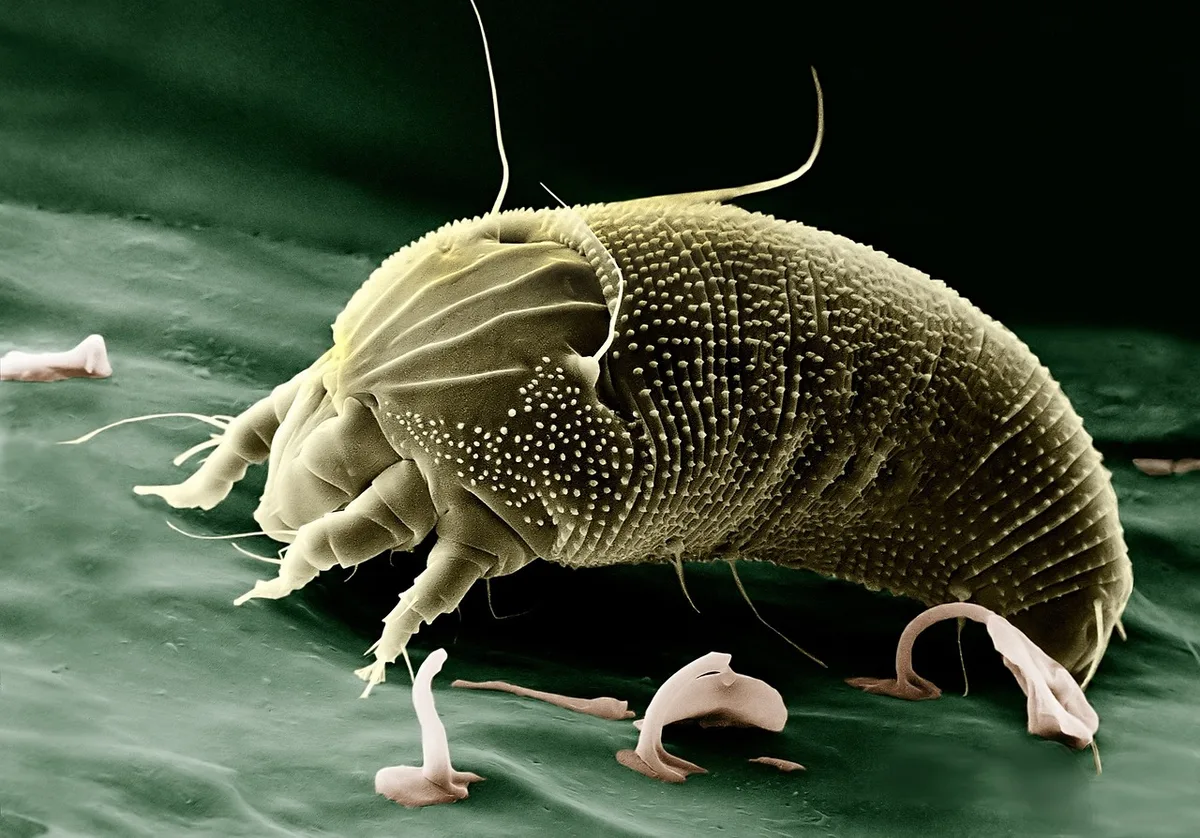
Image source: Pixabay / WikiImages (Pixabay Content License)
Spider mites are tiny, almost invisible, and they thrive in hot, dry conditions. Look for fine webbing on the undersides of leaves and a stippled or bronzed appearance on the upper surface. A heavy infestation causes leaves to dry out completely and drop off.
They're small enough that you might notice the damage before you see the mites themselves.
Squash vine borers don't usually cause leaf browning directly, but their tunneling into stems disrupts water flow, which leads to wilting and browning of the entire plant. Look for sawdust-like frass near the base of the stem and sudden wilting of otherwise healthy-looking vines.
For cucumber beetles, hand-picking in early morning when they're sluggish works for small gardens. Row covers prevent access early in the season. Spider mites respond to a strong blast of water from the hose every few days, which knocks them off and disrupts their life cycle.
Neem oil and insecticidal soap also work if applied thoroughly to leaf undersides.
Sunscald, Wind Burn, and Environmental Stress
Sometimes the problem isn't water, disease, or pests. It's the weather itself.
Sunscald happens when intense, direct sunlight hits leaves that aren't accustomed to it. This often occurs after you prune heavily and suddenly expose shaded leaves to full sun. The affected tissue turns pale tan, dry, and brittle, usually on the upper surfaces facing south or southwest.
Wind burn is common in exposed gardens, especially near coasts or on rooftops. Constant wind strips moisture from leaf surfaces faster than roots can replace it. Leaves develop brown, crispy margins that work their way inward.
New growth is especially vulnerable.
Frost or cold damage shows up as dark, water-soaked patches that turn brown and papery after temperatures drop below 50°F. Even a brief cold snap can damage tender new growth on young plants.
For sunscald, provide afternoon shade with shade cloth or by planting taller crops nearby. For wind burn, install a windbreak using fencing, hedging, or temporary fabric barriers. For frost risk, wait until after your last expected frost date to plant out seedlings, and keep row covers handy for unexpected cold snaps.
Nutrient Problems: Deficiencies and Fertilizer Burn
Zucchini are heavy feeders, but both too much and too little nutrition shows up on the leaves.
Potassium deficiency is the most common nutrient issue. Older, lower leaves develop brown, scorched-looking edges while the center stays green. The plant produces fewer fruits and they may be misshapen.
Magnesium deficiency causes interveinal chlorosis, meaning the tissue between leaf veins turns yellow while the veins stay green. That yellow tissue eventually turns brown and crispy. It shows up on older leaves first because magnesium moves within the plant to support new growth.
Fertilizer burn happens when too much synthetic fertilizer sits near the roots, or when fresh manure is applied too heavily. Leaves develop brown, crispy margins that can look almost identical to potassium deficiency. The difference is that fertilizer burn often appears suddenly after a feeding event, while deficiencies develop gradually.
A soil test through your local cooperative extension service is the best way to confirm nutrient issues. For potassium deficiency, wood ash or a potassium-rich organic fertilizer corrects the problem within a few weeks. For magnesium, Epsom salt dissolved in water as a foliar spray provides a quick fix.
For fertilizer burn, flush the soil with plenty of water to dilute the excess salts.
Your Step-by-Step Diagnosis Walkthrough
Now let's put it all together. Here's a systematic process you can follow the next time you spot brown, dry leaves on your zucchini.
Step 1: Check soil moisture. Stick your finger 2 inches into the soil. Soggy means overwatering. Dry means underwatering.
Evenly moist means move to step 2.
Step 2: Examine the pattern of browning. Edges browning inward points to water stress, potassium deficiency, or fertilizer burn. Spots or patches suggest fungal disease. Holes with brown edges mean insect feeding.
Uniform browning on sun-exposed leaves indicates sunscald.
Step 3: Flip the leaves over. Check the undersides for powdery coating (powdery mildew), fuzzy growth (downy mildew), webbing (spider mites), or beetles. Also check stems for entry holes or frass.
Step 4: Assess the whole plant. Is the problem on one side or all over? One-sided wilting suggests wilt disease or vine borer damage. All-over browning usually means a root or water issue.
Step 5: Consider recent weather. Hot and dry points to underwatering or spider mites. Humid and warm suggests fungal disease. Recent heavy rain points to overwatering or disease spread.
A cold snap means frost damage.
Step 6: Check your recent care. Did you fertilize recently? Prune heavily? Apply any products?
Timing of symptoms relative to your actions often reveals the cause.
What to Do Once You've Found the Cause
You've diagnosed the problem. Now here's how to respond based on what you found.
For water issues: Adjust your watering schedule immediately. Add mulch around the base to regulate moisture. Improve drainage in heavy soil by working in compost.
For fungal diseases: Remove and destroy affected leaves. Apply neem oil or a copper-based fungicide to remaining foliage. Increase spacing between plants.
Switch to drip irrigation or soaker hoses to keep leaves dry.
For pests: Hand-pick beetles in early morning. Blast spider mites off with water every 2 to 3 days. Apply neem oil or insecticidal soap to heavy infestations.
Use row covers early in the season to prevent cucumber beetle damage.
For environmental stress: Provide shade during peak afternoon sun. Install windbreaks in exposed locations. Cover plants when frost is forecast.
For nutrient problems: Get a soil test. Apply targeted amendments based on the results. Avoid over-fertilizing, especially with high-nitrogen products that promote leaf growth at the expense of fruit production.
When to Treat the Plant vs. When to Pull It
Not every zucchini plant is worth saving. Sometimes starting fresh is the smarter move.
Treat the plant when:
- You catch the problem early and less than a third of the foliage is affected
- The root system is still healthy (white or pale roots, firm stems)
- The main stem shows no signs of rot or borer damage
- It's early enough in the season for the plant to recover and produce a harvest
Pull the plant when:
- More than half the foliage is dead or dying
- The stem base is soft, mushy, or collapsing
- Verticillium or Fusarium wilt has been confirmed, since these soil-borne diseases persist for years
- It's late in the season and the plant has already produced most of its fruit
If you remove a diseased plant, don't compost it. Bag it and dispose of it in the trash to prevent spores from spreading. Don't plant cucurbits in that spot for at least three years to let soil-borne pathogens die off.
How to Prevent Brown, Dry Leaves Next Season
Prevention is always easier than treatment. Set your zucchini up for success from day one.
- Space plants properly. Give each zucchini at least 3 feet of room in all directions. Good air circulation is your best defense against fungal disease.
- Water deeply and consistently. Use drip irrigation or soaker hoses to deliver water at the base. Aim for 1 to 2 inches per week, adjusting for rainfall.
- Mulch around the base. A 2 to 3 inch layer of straw, shredded leaves, or wood chips conserves moisture, regulates soil temperature, and prevents soil from splashing onto leaves.
- Rotate your crops. Don't plant zucchini or other cucurbits in the same spot year after year. Rotate on a three to four year cycle.
- Choose resistant varieties. Some zucchini cultivars have improved resistance to powdery mildew. Check seed packets or catalog descriptions for disease resistance codes.
- Inspect plants weekly. A quick once-over every few days catches problems before they become crises. Pay special attention to leaf undersides and the base of stems.
- Feed appropriately. Use a balanced organic fertilizer at planting time, then side-dress with compost when fruits begin to form. Avoid high-nitrogen fertilizers that push leaf growth over fruit production.
Common Mistakes That Make Things Worse
Even well-meaning gardeners sometimes make these problems worse. Here's what to watch out for.
Overhead watering in the evening. Wet leaves overnight create ideal conditions for fungal spores to germinate. Water in the morning so foliage dries quickly.
Ignoring early signs. A few powdery spots or a handful of mites might seem minor, but they escalate fast. Treat at the first sign of trouble rather than waiting.
Composting diseased material. Fungal spores survive composting and end up back in your garden. Always dispose of infected plant tissue in the sealed trash.
Overcrowding plants. It's tempting to squeeze in extra plants, but poor air circulation is the number one contributor to fungal disease in zucchini.
Applying fungicide too late. Once a fungal infection is well established, sprays can't reverse the damage. They only prevent further spread. Early application is critical.
Confusing fertilizer burn with deficiency. Both cause leaf browning, but the solutions are opposite. If you recently fertilized and leaves started browning, suspect burn, not deficiency.
Quick-Reference Diagnosis Table
| Symptom | Likely Cause | Where It Appears | Key Identifier |
|---|---|---|---|
| Brown, crispy leaf edges | Underwatering or potassium deficiency | Older leaves first | Dry soil or recent fertilizer gap |
| Brown, limp leaves | Overwatering or root rot | Lower leaves | Soggy soil, soft stems |
| White powdery patches | Powdery mildew | Upper leaf surface | Powder wipes off easily |
| Yellow angular spots, fuzzy underside | Downy mildew | Both leaf surfaces | Angular shape bounded by veins |
| One-sided wilting | Fusarium or Verticillium wilt | One side of plant | Brown streaking inside stem |
| Holes with brown edges | Cucumber beetles | Any leaf | Beetles visible on plant |
| Fine webbing, stippled leaves | Spider mites | Leaf undersides | Tiny moving dots visible with magnifier |
| Sudden vine wilting | Squash vine borer | Entire vine | Sawdust-like frass at stem base |
| Pale tan, dry patches | Sunscald | Upper, sun-facing leaves | Follows heavy pruning or exposure |
| Dark water-soaked spots | Frost damage | New growth | Follows cold snap below 50°F |
Frequently Asked Questions
Can zucchini leaves recover from browning?
Partially damaged leaves won't turn green again, but the plant can push out new healthy growth if you fix the underlying cause. Remove fully dead leaves to redirect energy to new foliage.
Should I cut off brown zucchini leaves?
Yes, remove leaves that are more than half brown or fully dead. Leave partially green leaves since they still contribute to photosynthesis. Use clean, sharp pruners to avoid spreading disease.
How often should I water zucchini plants?
Zucchini needs 1 to 2 inches of water per week. In hot weather or containers, that might mean watering every day. In cooler weather or heavy soil, every 3 to 4 days works.
Always check the soil first.
Is powdery mildew harmful to humans?
No, powdery mildew on zucchini doesn't infect humans. However, it can trigger allergies in some people. The affected fruits are still safe to eat if you wash them thoroughly.
What's the best fungicide for zucchini leaf diseases?
Neem oil and copper-based fungicides are the most effective organic options. Apply at the first sign of infection and reapply every 7 to 10 days. Always follow label instructions for concentration and pre-harvest intervals.
Why are only my lower zucchini leaves turning brown?
Lower leaf browning usually points to a nutrient deficiency (potassium or magnesium), natural aging, or early-stage overwatering. These issues affect the oldest foliage first since the plant prioritizes new growth.