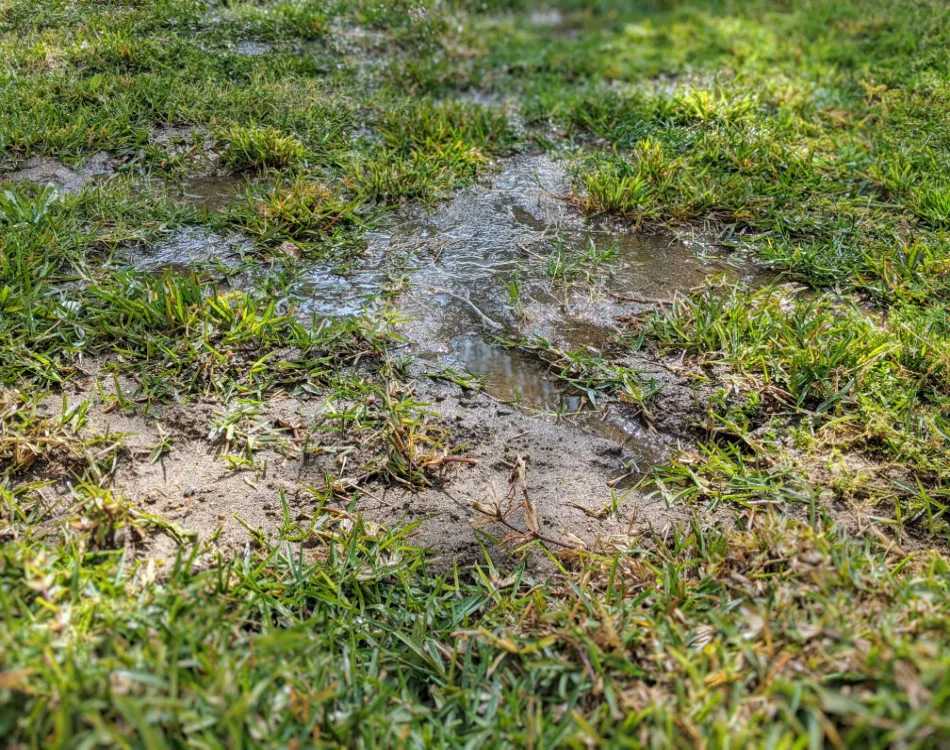
Poor lawn drainage can turn your lush yard into a soggy, muddy mess, making it difficult to enjoy or maintain. The signs of inadequate drainage include persistent puddles, uneven patches, and overly wet soil that refuses to dry out. Recognizing these issues early helps you take steps to prevent long-term damage to your lawn and garden. Addressing drainage problems can improve the health of your grass, reduce weed growth, and create a beautiful, usable outdoor space. In this article, we’ll explore the common signs indicating your lawn isn’t draining properly, so you can identify and fix the issues before they worsen. Whether you’re a seasoned gardener or a weekend warrior, understanding these cues will empower you to keep your yard in top shape.

What are the signs of poor lawn drainage
Identifying poor lawn drainage is essential to keeping your yard healthy and attractive. When water doesn’t soak into the ground properly, it can cause many problems that harm your grass and plants. Recognizing the signs early helps you take action before the damage gets worse.
1. Persistent Standing Water
One of the clearest signs of poor drainage is water that stays on the lawn after rain or watering. This standing water may remain for hours or even days. If your yard has puddles that don’t dry up quickly, it indicates that the soil isn’t draining well.
Standing water can suffocate roots, leading to patchy areas of dead grass. It also creates a breeding ground for pests like mosquitoes. Checking your yard after a rainstorm can reveal if water lingers in certain spots.
2. Soggy, Soft Soil
Soggy soil is another strong indicator of drainage issues. When the ground feels muddy and soft even after dry weather, it shows excess moisture. This soft soil is difficult for grass roots to grow through and can cause your lawn to feel spongy underfoot.
Use a garden fork or stick to test the soil’s firmness. If it sinks easily and remains wet, your lawn’s drainage needs improvement.
3. Puddles and Water Pools
Repeated formation of puddles is a common sign of poor drainage. These pools of water may appear in the same locations after rain or watering. Over time, these areas can develop bald spots or patches of dead grass.
Puddles can also wash away soil and nutrients, making it harder for your lawn to stay healthy. Notice if certain parts of your yard tend to collect water more often than others.
4. Erosion and Soil Washouts
If you see soil washing away after heavy rain, it points to bad drainage. Water flowing over the surface can erode the soil, especially on slopes. This erosion can expose roots and damage the grass’s foundation.
Over time, erosion can lead to uneven terrain and bare patches, impacting the overall look of your yard.
5. Mushrooms and Fungal Growth
Fungal growth like mushrooms or mold often appears where there is excess moisture. These growths thrive in damp, poorly-drained soil. If you notice mushrooms popping up regularly, your lawn might have drainage problems.
This fungal presence can further weaken grass and plants, making the lawn look unhealthy.
6. Uneven Lawn and Patchy Areas
An uneven lawn with patchy, thin, or dead patches can signal drainage issues. Poor drainage causes water to pool in some areas while others stay dry. The grass in waterlogged spots often dies or becomes patchy.
This unevenness affects the lawn’s appearance and makes mowing and maintenance more difficult.
7. Soil Compaction
Soil that feels hard or compacted is often linked to poor drainage. Compacted soil doesn’t allow water to penetrate easily, leading to runoff and pooling. Heavy foot traffic, machinery, or construction can worsen soil compaction.
Aerating your lawn can reduce compaction and improve water absorption, helping your lawn drain better.
8. Color Changes in Grass
Yellowing or browning grass in certain spots may mean excess water is drowning the roots. Roots need oxygen, which is reduced when soil is waterlogged. As a result, grass turns yellow or brown and can die if drainage issues persist.
Yellow patches often appear in low-lying areas where water tends to collect.
9. Poor Soil Quality and Composition
Clay-heavy soils tend to retain water, causing drainage problems. Conversely, sandy soils drain quickly but may require more watering. Testing your soil’s composition helps determine if drainage is an issue due to its makeup.
Proper soil amendments can improve drainage, especially in clay soils.
10. Excessive Weed Growth in Specific Areas
Weeds like sedges and rushes thrive in wet conditions. An increase in these weeds in patches of your yard can mean poor drainage. Weeds compete with grass for nutrients, weakening your lawn further.
Monitoring weed patterns gives clues about soil moisture levels and drainage quality.
Related Topics to Explore
Understanding Soil Types and Drainage
Different soil types drain water differently. Knowing your soil type helps you plan better drainage solutions. For example, sandy soils drain quickly, while clay soils retain water.
Improving Lawn Drainage with Proper Techniques
Methods like aeration, adding organic matter, and installing drainage systems can improve water flow. These solutions are essential for yards with severe drainage problems.
Signs of Drainage Problems in New Lawns
Newly seeded or sodded lawns may show signs of poor drainage within weeks. Watch for puddles and uneven growth to address issues early.
Drainage Solutions for Different Lawn Types
Strategies vary depending on your yard’s slope, soil, and size. Understanding these factors helps select the most effective drainage improvements.
When to Call a Professional
If drainage issues persist despite your efforts, it’s wise to consult experts. They can assess your yard and recommend tailored solutions, such as installing French drains or creating a swale.
In summary, recognizing the signs of poor lawn drainage involves observing water behavior, soil condition, and plant health. Early detection allows you to take steps to fix issues before they cause long-term damage. Proper drainage promotes a lush, healthy, and beautiful yard for years to come.
Frequently Asked Questions
How can water pooling indicate issues with lawn drainage?
If you notice that water remains on the surface of your lawn for extended periods after rain, it suggests poor drainage. Pools of water can be especially apparent in low-lying areas, signaling that the soil isn’t absorbing or letting water flow away properly. Persistent pooling may lead to uneven grass growth and increased risk of disease.
What are the effects of muddy patches on your lawn?
Muddy and soggy patches often appear when drainage is inadequate. These areas become soft, waterlogged, and difficult to mow. Over time, the excess moisture prevents grass roots from establishing a healthy system, which can cause patches of dying or thinning grass, indicating that water isn’t draining effectively.
How does soil compaction relate to drainage problems?
When soil becomes compacted, it loses its ability to absorb water efficiently. This condition leads to runoff and surface water accumulation rather than proper infiltration. Signs include hardened soil, water sitting on the surface, and a noticeable decline in soil aeration, all pointing to drainage concerns caused by soil compaction.
Can uneven lawn grading signal poor drainage?
Yes, uneven or sloped terrain can cause water to collect in certain spots, especially if the grading directs water toward specific areas. Such unevenness prevents proper runoff, creating zones of excess moisture. Correct grading helps guide water away from the lawn, reducing the risk of drainage issues.
What role do standing water and soggy areas play in identifying drainage issues?
Persistent standing water or overly soggy sections on your lawn indicate that water isn’t draining away as it should. These areas are vulnerable to lawn disease and root damage. Addressing drainage problems often involves improving soil structure or regrading to facilitate better water movement.
Final Thoughts
Poor lawn drainage often reveals itself through persistent puddles after rain, indicating water isn’t soaking into the soil properly. You may notice areas where grass turns yellow or becomes sparse, struggling to grow due to excess moisture. Additionally, waterlogged soil can lead to root rot, weakening your grass and making it more vulnerable to diseases. Recognizing these signs of poor lawn drainage helps you take timely action to maintain a healthy, vibrant lawn.