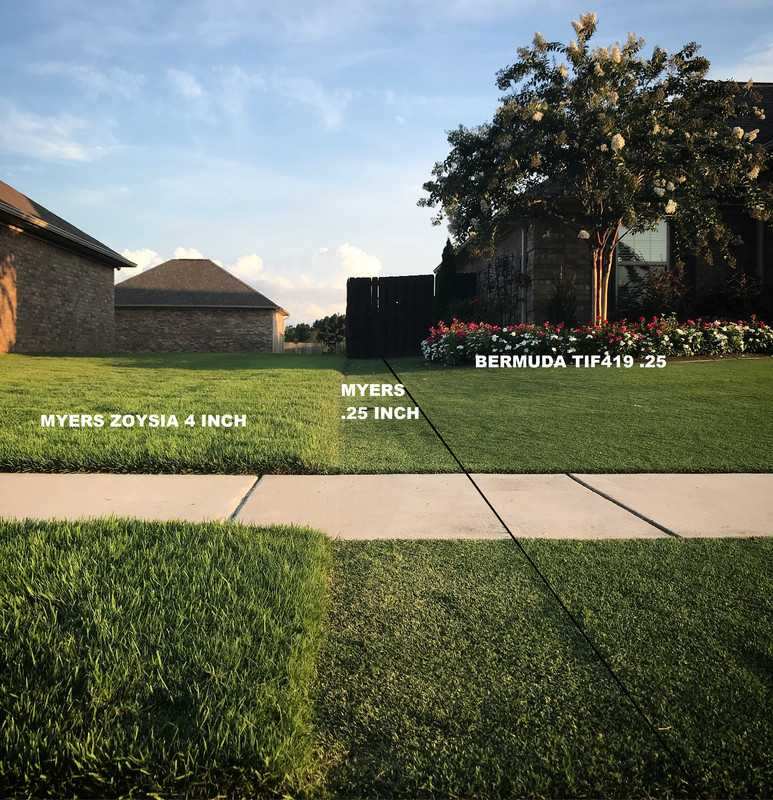
Yes, zoysia grass can eventually overtake Bermuda grass under the right conditions, but it depends on several factors like climate, soil, and maintenance. Zoysia tends to grow more slowly but forms a dense sod that can outcompete Bermuda over time, especially in shaded areas or cooler climates.
Zoysia grass can overtake Bermuda grass in your lawn, but it’s a gradual process that hinges on environment and care practices. While Bermuda is a fast-growing, aggressive grass ideal for full sun and warm weather, Zoysia’s slower but more persistent growth can eventually dominate, particularly in shaded or less favorable conditions for Bermuda. Understanding their growth habits and the specific needs of your yard can help you decide whether switching to Zoysia or encouraging its growth will lead to a lawn where Zoysia takes the lead.
When considering whether Zoysia grass will overtake Bermuda, it’s important to look at their growth patterns, climate adaptability, and your lawn maintenance routine. Bermuda grass is known for its quick, aggressive spread, making it a favorite for high-traffic areas and hot, sunny environments. Zoysia, on the other hand, grows more slowly but creates a dense, resilient turf that can eventually fill in and surpass Bermuda in certain conditions. The transition isn’t immediate; it’s a gradual process influenced by factors like sun exposure, watering, fertilization, and shade. If you’re aiming for a low-maintenance, drought-resistant lawn with a softer texture, Zoysia may slowly take over Bermuda, especially in areas where Bermuda struggles. However, patience and the right conditions are key to ensuring Zoysia ultimately becomes the dominant grass in your yard.

Will Zoysia Grass Overtake Bermuda Grass? An In-Depth Look
Introduction to Zoysia and Bermuda Grass
Zoysia grass and Bermuda grass are two popular turf options used in lawns and sports fields. Each has distinct characteristics that influence their growth, maintenance, and suitability for different climates. Understanding these differences helps homeowners decide which grass might dominate a yard over time.
Growth Habits and Spread Patterns
Both Zoysia and Bermuda grass spread through runners, but their patterns vary. Bermuda grass tends to spread quickly via aggressive underground stems called rhizomes, covering areas fast. Zoysia spreads more slowly using stolons, creating a denser but less rapid expansion over the same period.
Speed of Growth
Bermuda grass is known for its rapid growth rate, often establishing a lush lawn in fewer months. Zoysia grows at a slower pace, taking longer to fully cover an area, but it tends to form a very dense turf once established. This difference affects how quickly each grass can overtake or dominate a lawn.
Competitive Advantage in Growth
Bermuda’s quick expansion makes it more likely to outpace Zoysia initially. However, Zoysia’s dense growth can eventually catch up if conditions favor its establishment. The dominance depends on factors like soil type, climate, and maintenance practices.
Climate Compatibility and Growth Environment
Temperature and moisture levels greatly influence which grass will prevail. Bermuda grass thrives in warm climates with full sun and frequent watering, enabling rapid spread. Zoysia prefers similar warm conditions but is more tolerant of shade and drought, affecting its competitive ability.
Sunlight and Shade Tolerance
Bermuda grass needs direct sunlight to grow vigorously, which limits its spread in shaded areas. Zoysia holds an advantage here, as it performs well in partially shaded conditions and can still grow densely. In shaded lawns, Zoysia may eventually overtake Bermuda under certain circumstances.
Soil and Water Requirements
Both grasses prefer well-drained soil, but Bermuda is less tolerant of poor drainage and prefers moist, sandy soils. Zoysia adapts better to a range of soil types and can survive with less frequent watering. These traits influence which grass might eventually dominate based on lawn care conditions.
Maintenance and Management Practices
Proper lawn care plays a vital role in the competition between Zoysia and Bermuda. Regular mowing, fertilization, and watering can either aid or hinder their growth and spread.
Mowing Height and Frequency
Bermuda grass responds well to frequent mowing at lower heights, encouraging dense growth and rapid spread. Zoysia is typically mowed higher, which promotes thicker grass but may slow down its expansion rate. Maintaining appropriate mowing practices can influence which grass ultimately overtakes the other.
Fertilization Strategies
Applying nitrogen-rich fertilizer boosts Bermuda grass growth, giving it an edge in overtaking Zoysia. Zoysia requires less fertilizer but benefits from balanced feeding to strengthen its dense turf. Proper fertilization can accelerate Bermuda’s dominance or help Zoysia maintain its ground.
Watering and Irrigation
Bermuda grass performs best with consistent moisture, which promotes its vigorous spreading. Zoysia is more drought-tolerant and needs less frequent watering. Overwatering Bermuda can lead to excessive growth, increasing its chances of overtaking Zoysia.
Longevity and Durability of Each Grass Type
Understanding the durability and lifespan of each grass helps predict which might dominate over time. Bermuda grass is known for its resilience, while Zoysia offers a dense, long-lasting turf but with slower spreading.
Wear and Tear Resistance
Bermuda is a popular choice for sports fields due to its ability to recover quickly from heavy wear. Zoysia, although resilient, recovers more slowly but can withstand foot traffic once established. This difference impacts how each grass responds to lawn use and compaction.
Longevity and Establishment Time
Bermuda grass establishes rapidly, reaching full coverage within a few months. Zoysia takes longer, often a year or more, to fully mature. The quicker Bermuda covers ground, making it more likely to overtake Zoysia initially.
Potential for Zoysia to Overtake Bermuda
While Bermuda’s fast growth suggests it will dominate initially, Zoysia’s qualities can change this dynamic over time.
Conditions Favoring Zoysia’s Overtaking Potential
In shaded areas or zones with irregular watering, Zoysia’s tolerance can give it an advantage. Its ability to form a dense mat over time can slowly push Bermuda back, especially if Bermuda’s growth is suppressed by drought or shade.
Scenarios Where Bermuda Maintains Dominance
In open, sunny areas with optimal water and fertilization, Bermuda tends to spread rapidly and dominate. Its aggressive nature often prevents Zoysia from catching up unless specific conditions favor the latter.
Long-Term Competition Insights
Over several years, the lawn’s environment largely determines which grass will dominate. In some cases, Zoysia may slowly take over shaded or drought-affected patches, but Bermuda’s overall vigor often keeps it in control in ideal sunny conditions.
Related Topics and Alternatives
Considering other grasses and lawn options can provide additional insights into turf management and potential growth patterns.
Alternative Grasses and Mixes
– St. Augustine Grass: Great for shade but slower spread.
– Centipede Grass: Low maintenance but less aggressive.
– Hybrid blends: Combining Zoysia and Bermuda for optimal coverage and resilience.
Eco-Friendly Lawn Practices
Sustainable lawn management includes choosing drought-tolerant grass, reducing fertilizer use, and avoiding overwatering. These approaches influence how each grass type competes and grows over time.
Choosing the Right Grass for Your Lawn
Assess your climate, sunlight, soil, and maintenance willingness to determine whether Bermuda or Zoysia is better suited. Proper selection leads to a healthier, more competitive lawn where the dominant grass can truly thrive.
This comprehensive look into whether Zoysia grass can overtake Bermuda grass emphasizes that while Bermuda often spreads faster, Zoysia’s dense, hardy nature can, under the right conditions, gradually close the gap. Factors like climate, soil, and lawn care greatly influence this competition, making it essential to choose the right grass based on your specific environment and needs.
Zoysia Grass vs Bermuda Grass for Lawns
Frequently Asked Questions
How quickly can zoysia grass spread and potentially overtake bermuda grass?
Zoysia grass spreads slowly compared to bermuda grass, often taking several seasons to establish a dense cover. While it can gradually expand and fill in bare spots, overtaking bermuda grass entirely depends on factors like soil quality, watering practices, and mowing frequency. In general, bermuda grass tends to stay dominant unless actively managed to encourage zoysia growth.
What practices can encourage zoysia grass to compete with bermuda grass in a shared lawn?
To promote zoysia grass, you should regularly fertilize with appropriate nutrients, water deeply but infrequently, and mow at a higher height to favor its growth. Reducing bermuda grass vigor by strategic dethatching or selective lawn management can also create a more conducive environment for zoysia to establish itself and expand.
Does the adaptability of zoysia grass favor it over bermuda grass in certain climates or soil conditions?
Yes, zoysia grass adapts well to a variety of soil types and tolerates shade better than bermuda grass. In regions with less intense heat or where soil drainage is a concern, zoysia can establish more effectively and gradually compete with bermuda, especially if conditions favor its tolerance and slow growth habit.
Can regular lawn maintenance affect whether zoysia grass overtakes bermuda grass?
Absolutely. Regular maintenance such as aeration, proper fertilization, and appropriate mowing height can support the growth of zoysia grass. Consistently managing bermuda grass through dethatching and controlling its spread allows zoysia to gain ground and potentially become more established over time.
Are there specific varieties of zoysia grass that are better suited to overtaking bermuda grass?
Some zoysia varieties, like Zeon or Meyer, develop dense mats and grow more aggressively, making them more capable of competing with bermuda grass. Selecting these varieties and planting them in suitable conditions can enhance their ability to gradually fill in and potentially displace bermuda where desired.
Final Thoughts
Zoysia grass offers excellent drought tolerance and a lush appearance, making it a popular choice for many homeowners. Bermuda grass, on the other hand, thrives in full sun and recovers quickly from damage.
As turf preferences evolve, homeowners wonder if zoysia grass will overtake bermuda grass. Given its slow growth but durability, zoysia grass is gaining popularity but may not fully replace bermuda soon.
In conclusion, whether zoysia grass will overtake bermuda grass depends on climate and usage. Both grasses have unique strengths, but zoysia grass may gradually become more prevalent in certain regions.