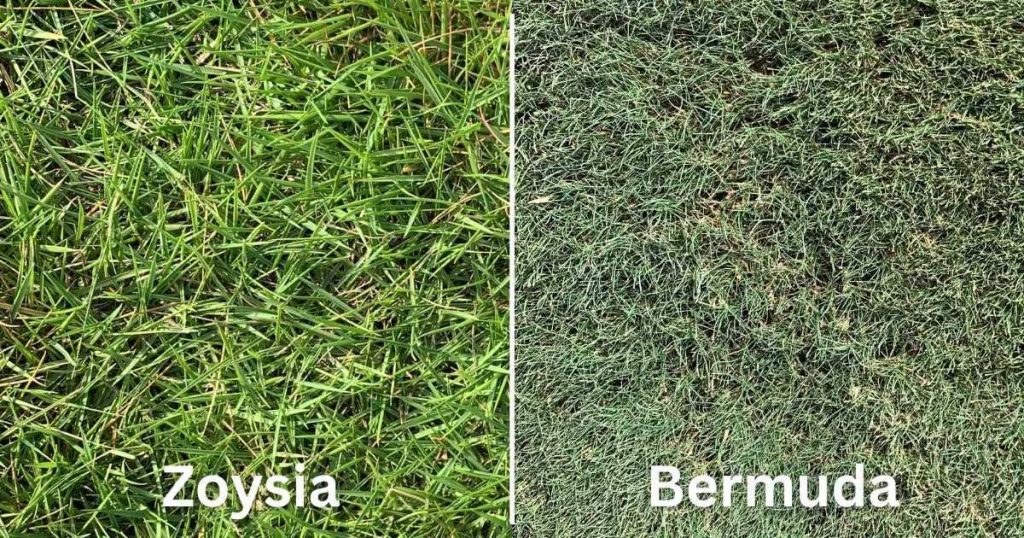
Yes, zoysia grass can eventually take over Bermuda grass, but it depends on how you manage your lawn. Zoysia and Bermuda are both aggressive grasses that can spread easily, and under the right conditions, zoysia can outcompete Bermuda over time. However, since Bermuda tends to be more vigorous and quick to re-establish, it might require some effort to fully dominate your yard with zoysia. Proper maintenance and planting practices can influence which grass prevails, but in general, expect zoysia to gradually encroach on Bermuda if given enough time and suitable conditions.
If you’re wondering whether zoysia grass will take over Bermuda, the short answer is that it can, especially if planted intentionally and maintained properly. Both grasses are warm-season types that thrive in similar climates, but zoysia’s dense, slow-growing nature allows it to slowly push out Bermuda once established. Whether it will completely take over depends on factors like watering, fertilization, and mowing height. Understanding their growth habits can help you decide which grass will ultimately dominate your lawn.

Will Zoysia Grass Take Over Bermuda? A Complete Look at Lawn Competition
Understanding the Basics of Zoysia and Bermuda Grasses
Zoysia and Bermuda grasses are two popular turf types used for lawns and sports fields. Both grasses are warm-season varieties that thrive in heat and sunlight. Zoysia is known for its dense, fine-textured blades and slow growth, while Bermuda offers rapid growth and a bright green color.
Zoysia grass has a thick, carpet-like appearance that creates a soft, lush lawn. Bermuda grass, on the other hand, forms a more open and vigorous turf that recovers quickly from damage. Understanding these basic differences helps homeowners predict how these grasses might interact when planted together.
Growth Habits of Zoysia and Bermuda
Zoysia spreads through both stolons and rhizomes, which are underground and above-ground runners. Its growth is slower compared to Bermuda, which spreads aggressively via rhizomes and stolons.
This difference in growth rate influences how each grass competes for space. Zoysia tends to establish gradually and forms a dense mat, while Bermuda can quickly take over open areas, especially during active growth seasons.
Can Zoysia Outcompete Bermuda? Key Factors
Whether Zoysia can take over Bermuda depends on multiple factors. These include soil type, climate, shade, maintenance practices, and how both grasses are managed.
In general, Bermuda’s rapid spread and aggressive nature make it a strong competitor. However, under certain conditions, Zoysia can slow Bermuda’s dominance and even outgrow it in some areas.
Climate Compatibility and Adaptability
Both grasses prefer warm climates, but subtle differences influence their growth. Zoysia performs well in USDA zones 6 through 10, while Bermuda thrives across zones 7 to 11.
In regions with cooler temperatures or high humidity, Zoysia may struggle to establish or spread as quickly as Bermuda. Proper climate conditions can influence whether Zoysia can keep pace or eventually overtake Bermuda.
Soil and Water Requirements
Zoysia prefers well-drained, slightly acidic to neutral soils. It is more tolerant of drought once established but grows slowly during the initial establishment phase.
Bermuda prefers similar soil conditions but is more drought-tolerant and can recover rapidly from drought stress. Well-maintained soil health and irrigation can impact how these grasses compete; for instance, overwatering Bermuda can encourage its rapid spread.
Maintenance and Management Practices Impacting Grass Competition
Proper lawn care can significantly influence which grass dominates. Regular mowing, fertilization, and aeration help keep grasses healthy and competitive.
For example, frequent mowing can favor Bermuda’s quick growth, while less intensive mowing promotes Zoysia’s dense, mat-like structure. Fertilizer choices also impact growth rates; nitrogen-heavy fertilization can boost Bermuda’s spread.
Seeding and Planting Strategies
Planting Zoysia and Bermuda together can lead to a competitive scenario. Typically, Bermuda is established via seed or sod, which provides fast coverage. Zoysia is often sodded or plugged because seed production is less common.
Over time, Zoysia may struggle to outpace Bermuda if Bermuda is aggressively managed. But with proper planting and maintenance, Zoysia can establish a resilient turf that resists Bermuda’s encroachment.
Can Zoysia Naturally Take Over Bermuda? Insights and Limitations
In most cases, Bermuda’s aggressive growth makes it the dominant turf in warm climates. However, environmental conditions and lawn management can give Zoysia an upper hand.
Research and field observations show that Zoysia can slowly encroach on Bermuda if Bermuda’s growth is suppressed through proper mowing and fertilization. Nonetheless, complete takeover is rare without intentional efforts.
Shade Tolerance and Its Role in Turf Dominance
Zoysia has better shade tolerance compared to Bermuda, which prefers full sunlight. In shaded areas, Zoysia may thrive and limit Bermuda’s spread.
This advantage means that in mixed or partially shaded lawns, Zoysia can establish a stronger presence and prevent Bermuda from dominating shaded zones.
Growth Rate and Recovery After Damage
Zoysia’s slow growth makes it less likely to aggressively expand into Bermuda-dominated areas. Conversely, Bermuda’s rapid recovery after damage allows it to reclaim turf areas quickly.
Managing damage, such as aeration or pest control, can tilt the balance. Encouraging Zoysia after damage helps it compete better, but Bermuda’s resilience often keeps it in control.
Strategies to Promote Zoysia Over Bermuda
Homeowners interested in promoting Zoysia growth over Bermuda can employ specific tactics. These include adjusting mowing height, fertilization practices, and overseeding.
Mowing Zoysia at a higher height prevents Bermuda from gaining an advantage. Applying slow-release fertilizers and avoiding excessive nitrogen promotes Zoysia’s dense growth.
Overseeding and Lawn Renovation Tactics
Using Zoysia plugs or sod in areas where Bermuda is dominant can gradually increase Zoysia coverage. Regular maintenance and targeted overseeding help reinforce Zoysia’s presence.
Consistent lawn renovation efforts over several seasons can lead to a more Zoysia-dominant turf, despite Bermuda’s natural vigor.
Conclusion: Will Zoysia Take Over Bermuda?
While Zoysia has some competitive advantages over Bermuda, especially in shaded or less intensely managed lawns, full takeover remains unlikely in most situations. Bermuda’s rapid growth and aggressive spreading tend to dominate unless actively managed to favor Zoysia.
Strategies like proper mowing, fertilization, shade management, and overseeding can help Zoysia establish a stronger presence. Ultimately, understanding these turf behaviors enables lawn owners to create a balanced, healthy, and attractive landscape.
Maintaining the right management practices can prevent Bermuda from overwhelming areas where Zoysia is preferred, ensuring your lawn stays lush and healthy without one grass completely taking over.
3 reasons to use Zoysia over Bermuda.
Frequently Asked Questions
How does zoysia grass compete with Bermuda grass in a shared lawn?
Zoysia grass is slower to establish than Bermuda grass but tends to form a dense, low-growing turf that can suppress Bermuda’s growth over time. When planted together, zoysia gradually spreads and fills in gaps, potentially limiting Bermuda’s spread, especially in shaded areas or places with less sunlight. Proper management and edging help maintain a balance between the two grasses.
Can the dense mat of zoysia grass prevent Bermuda grass from spreading?
Yes, the dense growth pattern of zoysia grass can act as a natural barrier to Bermuda grass. As zoysia spreads via stolons, it creates a thick layer that crowds out Bermuda in areas where they compete for space. Regular mowing and overseeding can enhance this effect, helping zoysia maintain dominance in the lawn.
What factors influence whether zoysia will overtake Bermuda in a mixed planting?
Sunlight exposure, soil conditions, and maintenance practices significantly affect which grass prevails. Zoysia thrives in less intense sunlight and can outcompete Bermuda by establishing a more fibrous root system. Proper watering, fertilization, and mowing height also play vital roles in determining which grass becomes dominant over time.
Final Thoughts
Zoysia grass is gaining popularity due to its dense growth and drought tolerance. However, Bermuda grass remains favored for its rapid establishment and durability.
The question of whether zoysia grass will take over Bermuda depends on climate, maintenance, and preferences.
In summary, will zoysia grass take over Bermuda? Likely not entirely, but it may coexist or gradually increase in certain regions. Both grasses have unique strengths, making them suitable for different needs.