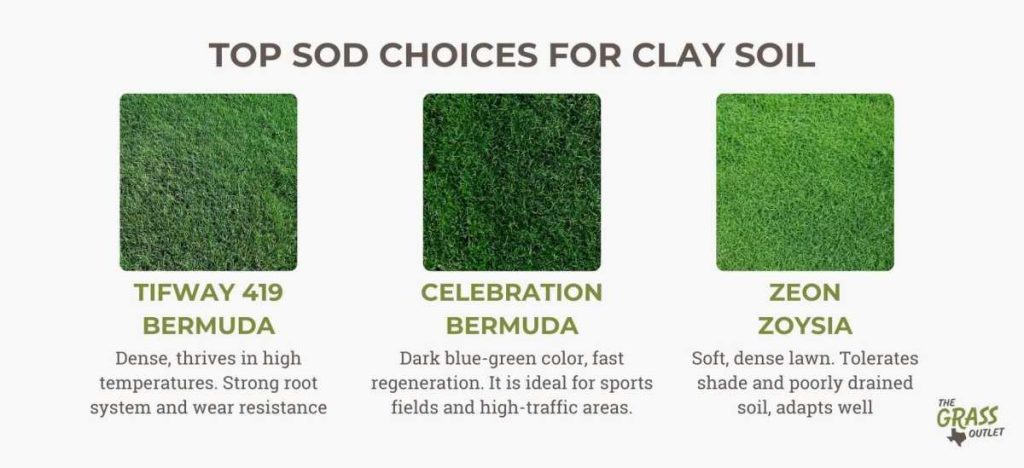
Yes, Zoysia grass can grow in clay soil, but it requires some preparation and care to thrive. With the right amendments and proper watering techniques, Zoysia can adapt to denser soils and create a lush, green lawn. Keep reading to find out how you can improve your clay soil for Zoysia grass and ensure a healthy, beautiful yard.
Zoysia grass is known for its durability and beautiful appearance, making it a popular choice for lawns. However, growing it in clay soil presents challenges because clay tends to retain water and drain poorly, which can hinder root development. Fortunately, with some soil improvements like adding organic matter and ensuring proper drainage, Zoysia can flourish even in heavy clay. Understanding your soil type and making necessary amendments will give your Zoysia grass the best chance to establish itself successfully, resulting in a resilient and attractive lawn that stands up to foot traffic and weather conditions.

Will Zoysia Grass Grow in Clay Soil? A Complete Guide
Understanding Clay Soil
Clay soil is known for being dense and heavy, which can make it difficult for many plants to grow. It contains very tiny particles that stick together tightly, leading to poor drainage. This soil type often feels sticky when wet and hard when dry.
For zoysia grass to thrive, the soil must provide good nutrients and proper moisture levels. Clay soil can sometimes be a challenge because it tends to stay wet for longer periods. However, with the right preparation, zoysia grass can grow successfully in clay soil.
How Does Clay Soil Affect Zoysia Grass Growth?
Zoysia grass prefers well-draining soil that keeps roots moist but not waterlogged. Clay soil’s tendency to hold water can cause root rot or fungal diseases in zoysia grass. Its dense nature can restrict root growth, making it difficult for the grass to establish a strong root system.
This soil type also tends to have fewer air pockets, which means roots might not get enough oxygen. As a result, zoysia grass in unamended clay soil may grow slowly or become stressed. Recognizing these issues is crucial for successful cultivation.
Can Zoysia Grass Grow in Clay Soil?
The short answer is yes, zoysia grass can grow in clay soil. However, it usually requires modification to improve soil conditions. Many gardeners and landscapers have successfully grown zoysia in clay by following specific steps to improve drainage, aeration, and nutrient availability.
Proper preparation makes a significant difference, helping zoysia grass establish a healthy, dense lawn even in challenging soil conditions. The key lies in understanding how to amend clay soil correctly and maintain optimal growing conditions.
Preparing Clay Soil for Zoysia Grass
Testing Soil Composition
Before planting, testing your soil is essential. Use a soil testing kit or send a sample to a lab to determine pH levels and nutrient content. Zoysia prefers slightly acidic to neutral soil, with a pH between 6.0 and 7.0.
Understanding your soil’s current state helps you decide on the best amendments to add. Adjusting soil pH and nutrient levels can promote healthier grass growth.
Improving Drainage
Poor drainage is a common problem in clay soil. To improve it, incorporate organic matter such as compost or aged manure. These materials help create air pockets, allowing excess water to escape.
Another option is to build a raised bed or install drainage tiles if drainage issues are severe. Proper drainage prevents water from sitting around roots and reduces the risk of disease.
Adding Soil Amendments
Adding coarse sand or fine gravel can help break up the clay and improve loosening. A common recommendation is to mix equal parts of clay soil, organic matter, and sand.
This mixture enhances aeration and drainage, creating a more suitable environment for zoysia grass. Consistent soil amendment over time also helps maintain a healthy lawn.
Planting Zoysia Grass in Clay Soil
Selecting the Right Zoysia Variety
Some zoysia grass varieties perform better in clay soil environments. For example, Meyer Zoysia is known for its adaptability and resilience in less-than-ideal soils.
Choose a variety suited for your climate and soil conditions to increase success rates. Consulting local lawn care experts can help select the best type for your area.
Planting Techniques
When planting zoysia in clay, ensure the soil is thoroughly prepared. Reseed or lay sod on a level surface free of weeds and debris. Water the area well after planting to promote root establishment.
Spacing should allow room for expansion, and applying a thin layer of soil or compost on top can encourage healthy growth. Proper planting depth and spacing are vital for establishing a resilient lawn.
Maintaining Zoysia Grass in Clay Soil
Watering Practices
Zoysia grass needs consistent moisture but not excessive water. Water deeply and infrequently to encourage deep root growth, especially important in clay soil where water tends to linger.
Avoid overwatering, which can promote disease. Use a rain gauge or soil moisture meter to keep track of watering needs.
Fertilization and Nutrient Management
A balanced fertilizer with nitrogen, phosphorus, and potassium supports zoysia growth. Apply fertilizer according to soil test recommendations, typically during spring and summer.
Regular feeding helps maintain a lush, green lawn. Organic fertilizers can also improve soil health over time.
Managing Soil Compaction
Clay soil can become compacted, restricting root growth and water movement. Aerating the lawn annually with a core aerator creates holes that allow air, water, and nutrients to reach roots.
Avoid walking on wet soil to prevent further compaction. Proper aeration leads to a healthier, more resilient turf.
Additional Tips for Growing Zoysia in Clay Soil
- Mulch around the grass to help retain moisture and regulate soil temperature.
- Overseed annually to maintain density and cover thin areas.
- Control weeds that may compete with zoysia for nutrients and space.
- Monitor for pests and diseases common in dense, moist soils.
Related Topics
How to Test and Improve Soil Quality
Knowing your soil composition allows you to make informed amendments. Regular testing helps keep conditions optimal for zoysia growth.
Best Fertilizers for Zoysia Grass
Choose slow-release fertilizers that supply nutrients over time. Organic options enhance soil health and support sustainable lawn care.
Tools for Soil Amendment and Lawn Maintenance
Using proper tools like aerators, spreaders, and rakes simplifies the process of maintaining healthy soil and turf.
Alternative Grass Varieties for Clay Soil
If zoysia struggles despite amendments, consider other grasses that adapt better to clay, such as centipede or Bermuda grass.
Maintaining a lawn in clay soil can be manageable with the right techniques. With patience, proper soil preparation, and regular care, zoysia grass can flourish, creating a beautiful, lush yard even in challenging conditions.
How to FIX Clay soil for growing Grass
Frequently Asked Questions
Can Zoysia grass establish itself effectively in heavy clay soil?
Zoysia grass can grow in heavy clay soil, but it may not establish as quickly or evenly as in well-draining soils. Clay soil tends to retain moisture and can hinder root penetration, so it’s essential to improve soil conditions by adding organic matter or sand to enhance drainage. Proper preparation allows Zoysia to adapt better and develop a healthy, dense turf.
What steps should I take to improve clay soil for Zoysia grass planting?
To prepare clay soil for Zoysia, start by aerating the area to loosen compacted ground. Incorporate organic compost or well-rotted manure to enhance soil fertility. Mixing sand into the top few inches of soil helps improve drainage and reduces soil density. Consistent watering and fertilization further support healthy growth in these amended soils.
Does the moisture retention of clay soil affect Zoysia grass health?
Yes, the moisture retention characteristic of clay soil can promote fungal diseases and root rot if not managed properly. While Zoysia tolerates some moisture, consistently waterlogged soil can cause stress or damage to the grass. Installing proper drainage solutions and avoiding overwatering helps maintain a healthy balance for Zoysia on clay soils.
Are there specific Zoysia grass varieties better suited for clay soil conditions?
Certain Zoysia varieties, such as Zoysia japonica and Zoysia matrella, tend to perform better in challenging soil conditions, including clay. These varieties establish good root systems and tolerate varying soil textures when adequately managed. Selecting a hardy variety suited to your local environment can improve success rates.
What maintenance practices are recommended for Zoysia in clay soils?
Maintain Zoysia in clay soils by regularly aerating to relieve compaction, applying organic amendments, and ensuring proper drainage. Water the grass deeply but infrequently to prevent waterlogging. Fertilize with a balanced nutrient mix tailored to Zoysia’s needs, and mow at the recommended height to promote healthy growth and dense coverage.
Final Thoughts
Zoysia grass can grow in clay soil with proper preparation. Improving drainage and aeration helps the grass establish roots effectively. Consistent watering and fertilizing promote a healthy, lush lawn.
Will zoysia grass grow in clay soil? It can, if you amend the soil appropriately and follow proper care practices. Addressing soil compaction and ensuring good drainage are key steps.