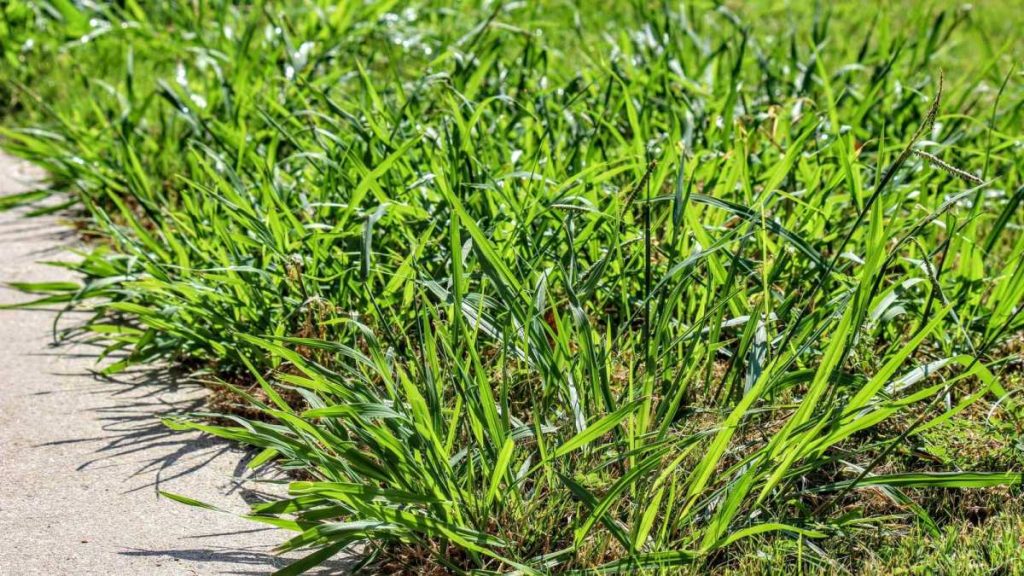
A healthy, well-established Zoysia lawn is one of the most effective natural barriers against crabgrass — but it’s not automatic. Zoysia’s dense growth habit, aggressive spreading via stolons and rhizomes, and thick canopy can physically block crabgrass seeds from germinating and outcompete young plants for resources. However, the outcome depends on turf density, maintenance practices, and timing. Thin, stressed, or improperly managed Zoysia will leave openings that crabgrass happily exploits. This guide covers exactly how Zoysia suppresses crabgrass, what conditions maximize its competitive edge, and the practical steps you need to take to keep your lawn weed-free.
How Zoysia Grass Suppresses Weeds Naturally
Zoysia is a warm-season turfgrass that forms a dense, carpet-like mat. Its growth habit is the key to its weed-suppressing ability:
- Shading the soil – A thick Zoysia canopy blocks sunlight from reaching the soil surface. Crabgrass seeds require light to germinate, so a dense shade effectively prevents many seeds from sprouting.
- Root and rhizome competition – Zoysia develops an extensive root system and spreads underground via rhizomes and aboveground stolons. These structures aggressively compete for water, nutrients, and physical space, leaving crabgrass seedlings with little chance to establish.
- Thatch layer – Over time, Zoysia builds a layer of thatch (living and dead stems). While excessive thatch can cause problems, a moderate layer further blocks weed seeds from contacting the soil.
In practice, a mature Zoysia lawn that is at least 80–90% coverage with no bare spots will naturally suppress up to 90% of crabgrass emergence — no herbicides needed. But that level of coverage takes consistent care to achieve. For more on this, see our guide on will bermuda grass choke out weeds.
The Critical Factors That Determine Success
Turf Density and Maturity
Zoysia is slow to establish compared to Bermuda or fescue. A newly planted Zoysia lawn (sod, plugs, or seed) will have thin spots for the first one to two seasons. During that time, crabgrass can easily invade. Once the turf fills in and reaches full density — usually by the second full growing season — its weed-blocking power becomes strong.
A common mistake is assuming Zoysia will choke out crabgrass immediately. It won’t. You must actively manage the transition period.
Mowing Height and Frequency
Mowing height directly affects turf density. For most Zoysia varieties, the ideal mowing height is 1 to 2 inches. Mowing too short (scalping) weakens the grass, exposes soil to sunlight, and encourages crabgrass germination. Mowing too tall can cause the grass to thin and allow light to reach the ground.
Keep your mower blades sharp — a clean cut reduces stress. Regular self-propelled lawn mower maintenance ensures the deck stays level and the blades are sharp, which promotes a uniform cut and dense recovery.
Soil Health and Fertility
Zoysia thrives in well-drained soil with a pH between 6.0 and 7.0. Conduct a soil test every two to three years. If the pH is off, amend with lime (to raise) or sulfur (to lower). Proper fertility — especially nitrogen — encourages vigorous growth. Apply a slow-release nitrogen fertilizer in late spring (after green-up) and again in mid-summer. Avoid high-nitrogen applications in early spring, which can feed crabgrass before Zoysia fully wakes up.
Watering Practices
Deep, infrequent watering (about 1 inch per week, including rainfall) promotes deep root growth. Shallow, frequent watering leads to weak roots and thin turf. A dense Zoysia lawn can go longer between waterings, but during drought stress it may go semi-dormant and thin out, giving crabgrass an opening. Monitor soil moisture and adjust during dry spells.
Sunlight Requirements
Zoysia needs at least 6 to 8 hours of direct sunlight daily. In shaded areas, Zoysia thins dramatically, and crabgrass thrives. If your lawn has heavy shade, consider a different grass type or expect to manage crabgrass routinely in those spots.
Proactive Steps to Maximize Crabgrass Suppression
Pre-Emergent Herbicides – When and How
Even with a dense Zoysia lawn, applying a pre-emergent herbicide in early spring is a smart insurance policy. Use a product labeled safe for Zoysia, such as those containing dithiopyr or prodiamine. Apply when soil temperatures reach 55°F at a 4-inch depth — typically 2 to 4 weeks before the last frost date in your area. University extension experts provide local timing guidance for your specific region.
Do not apply pre-emergent if you plan to overseed Zoysia in the spring; it will prevent the new seed from germinating. In that case, rely on the existing turf density and spot-treat post-emergent later.
Overseeding Thin Areas
If bare spots appear from winter damage, foot traffic, or pest issues, overseed with Zoysia seed or plugs immediately. Use a broadcast spreader like the John Deere push broadcast spreader for seed to evenly distribute seed over the area. Lightly rake the soil, keep it moist, and avoid pre-emergent in those spots.
Proper Fertilization Schedule
Follow a two- or three-feeding program:
- Late spring (after full green-up) – Apply 0.5 to 1 lb of nitrogen per 1,000 sq ft.
- Mid-summer – A second application at the same rate.
- Early fall (optional) – A lighter feeding helps Zoysia store energy for winter. Avoid fertilizing after mid-September to prevent cold injury.
Managing Crabgrass That Already Appeared
If crabgrass does emerge despite your efforts, act quickly. Hand-pull small patches before they set seed. For larger infestations, use a post-emergent herbicide labeled for Zoysia — look for products containing quinclorac or fenoxaprop. Apply when crabgrass is young (less than 4 tillers) for best results. Follow label directions exactly; some herbicides can injure Zoysia if applied during heat stress or drought.
Comparing Zoysia to Other Warm-Season Grasses
| Turfgrass Type | Crabgrass Suppression (when healthy) | Maintenance Level | Notes |
|---|---|---|---|
| Zoysia | Excellent – forms a dense mat that shades soil | Moderate | Slow to establish, but long-term suppression is strong |
| Bermuda | Good – spreads aggressively, but can thin in shade | Moderate to high | Requires frequent mowing and fertilization |
| St. Augustine | Moderate – coarser blades, less dense on edges | Moderate | Vulnerable to chinch bugs and shade; less competitive |
| Centipede | Low to moderate – open growth habit | Low | Poor weed suppression; best for low-maintenance areas |
Zoysia is among the best options for crabgrass control if you are willing to invest in proper establishment and ongoing care.
Common Mistakes That Weaken Zoysia’s Weed Barrier
- Scalping – Mowing below 1 inch stresses the grass, exposes soil, and invites crabgrass.
- Overwatering – Shallow roots and thatch buildup create a weak, thin turf.
- Compaction – Heavy foot traffic or equipment compacts the soil, reducing root growth. Aerate once a year in late spring.
- Ignoring bare spots – Even a small patch of bare soil can become a seedbed for crabgrass. Fill them immediately.
- Fertilizing too early – Applying nitrogen before Zoysia fully greens up (usually late April to May) feeds crabgrass first.
Seasonal Calendar for Zoysia + Crabgrass Control
Spring (March–May)
- Apply pre-emergent herbicide when soil temps reach 55°F.
- Avoid fertilizing until Zoysia is 50% green.
- Set mowing height to 1–1.5 inches.
- Aerate if soil is compacted.
Summer (June–August)
- Mow at 1.5–2 inches.
- Water deeply (1 inch per week).
- Apply second round of nitrogen fertilizer.
- Spot-treat any crabgrass with post-emergent.
Fall (September–October)
- Reduce mowing height gradually to 1 inch for winter.
- Overseed thin areas with Zoysia seed or plugs.
- Apply a light potassium-rich fertilizer (optional) for winter hardiness.
Winter (November–February)
- Zoysia goes dormant; crabgrass seeds are inactive.
- Plan spring weed control strategy and order pre-emergent.
Frequently Asked Questions
Does Zoysia grass naturally outcompete crabgrass over time?
Yes, once fully established (usually after two growing seasons), a dense Zoysia lawn will crowd out most crabgrass. Its rhizomes and stolons fill gaps, and its shade prevents seed germination. However, the first year requires active management.
Can regular mowing help Zoysia grass prevent crabgrass invasion?
Absolutely. Mowing at the correct height (1–2 inches) encourages lateral spreading and increases turf density. Regular mowing also removes the tops of young crabgrass plants before they can flower and set seed. Keep your mower in good working order — a self-propelled lawn mower troubleshooting guide can help you diagnose uneven cutting or poor performance.
What soil conditions favor Zoysia grass's ability to suppress crabgrass?
Well-drained, loamy soil with a pH of 6.0–7.0 and moderate organic matter content produces the most vigorous Zoysia. Clay soils that drain slowly can hinder root development, while sandy soils may require more frequent watering and fertilization. Amend the soil before planting for best results.
Does watering frequency influence Zoysia’s ability to control crabgrass?
Yes. Deep, infrequent watering (once or twice per week, totaling about 1 inch) encourages deep roots and a dense canopy. Frequent shallow watering weakens the turf and allows crabgrass seedlings to thrive in the moist surface layer. A thick, drought-tolerant Zoysia lawn is the best defense.
Can overseeding Zoysia help manage crabgrass presence?
Overseeding fills in thin spots and increases overall density. Use a compost peat moss spreader for lawn to evenly distribute seed and topdressing. Keep the seeded area consistently moist until the new grass is established. Note that you should not use a pre-emergent herbicide on overseeded areas for at least 8–10 weeks.
Final Thoughts
Will Zoysia grass choke out crabgrass effectively? Yes — but only when it is healthy, dense, and properly managed. Zoysia’s natural growth habit gives it a strong advantage, but it is not a set-and-forget solution. By combining the right mowing height, smart watering, timely fertilization, and strategic use of pre-emergent herbicides, you can create a lawn that crabgrass simply cannot penetrate. The payoff is a lush, low-maintenance turf that stays green through summer heat and requires far less weed control over the years.
Ready to build a crabgrass-resistant Zoysia lawn? Start by assessing your current turf density, correct any thin spots, and commit to a consistent seasonal care routine. Your lawn will reward you with fewer weeds and more time to enjoy it.