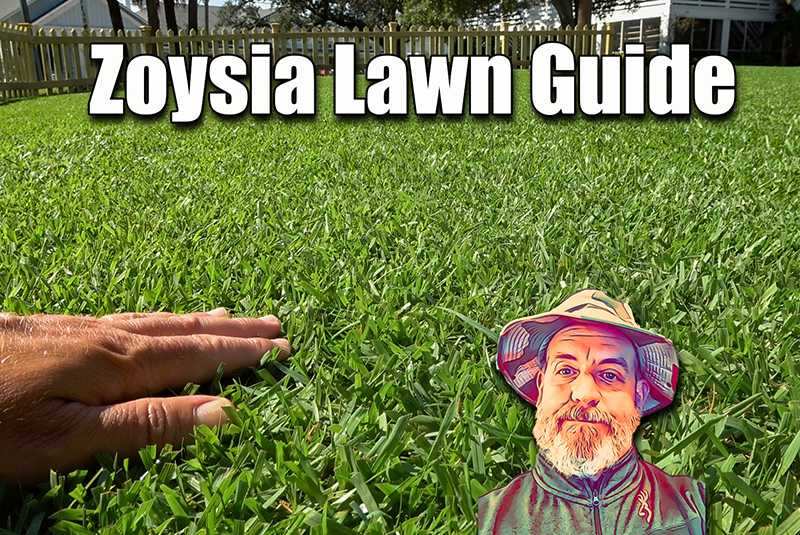
Yes, zoysia grass generally thrives in sandy soils, making it a popular choice for lawns with well-drained, sandy conditions. It prefers these environments because they promote healthy root growth and prevent waterlogging, which can damage the grass.
Zoysia grass tends to do well in sandy soils, but it still requires proper care to flourish. If you’re considering planting zoysia in a sandy area, you’ll want to ensure good watering, fertilization, and occasional soil amendments to boost nutrient levels. This grass is quite adaptable and can handle sandy conditions better than many other turf varieties, but understanding its needs will help you maintain a lush, healthy lawn.
If you’re curious whether zoysia grass is suitable for sandy grounds, the good news is that it generally adapts well, provided you give it the right care and attention. Zoysia’s resilience in sandy soils makes it a versatile choice for various landscaping needs, especially in areas where drainage is a concern. Proper management can turn even challenging sandy grounds into a beautiful, green carpet.

Does Zoysia Grass Like Sand? An In-Depth Look
Understanding Zoysia Grass and Its Growing Environment
Zoysia grass is a warm-season turfgrass known for its dense, lush growth and ability to tolerate heat and drought. It is often used on lawns, golf courses, and sports fields because of its durability and appealing appearance. To thrive, zoysia grass needs specific soil conditions that promote healthy root development and vibrant green color.
Sand plays a significant role in soil composition, influencing water drainage, nutrient availability, and root stability. Knowing whether zoysia grass prefers sandy soils or not helps gardeners make informed decisions about lawn care and soil amendments. Let’s explore how well zoysia grass adapts to sandy environments.
How Does Sand Affect Soil Properties?
Sand is composed of large mineral particles that create a gritty texture in the soil. This results in several notable soil characteristics:
- Good Drainage: Sand allows water to pass quickly, preventing waterlogging.
- Low Nutrient Retention: Sandy soils tend to hold fewer nutrients, requiring regular fertilization.
- Low Water Retention: Water drains rapidly, which can challenge plants needing consistent moisture.
Because of these properties, soil with high sand content is often considered less ideal for many grasses unless properly managed. Let’s look at how zoysia fare in such conditions.
Does Zoysia Grass Prefer Sandy Soil?
Contrary to some turfgrasses that require richer, loamy soils, zoysia grass can tolerate sandy soils better than many other types of grass. It is known for its adaptability to various soil conditions, including sandy substrates. However, this does not mean it thrives without some soil management.
Zoysia’s roots can penetrate sandy soils, but they may need supplemental nutrients and moisture. Proper soil preparation enhances zoysia’s growth in sandy environments, leading to a healthy, dense, and dark green lawn.
Advantages of Growing Zoysia on Sandy Soil
Growing zoysia grass in sandy soil offers specific benefits:
- Excellent Drainage: Sandy soils prevent water stagnation, reducing root rot risks.
- Low Maintenance: Good drainage minimizes the need for frequent watering and aeration.
- Reduced Thatch Buildup: Well-draining soils decrease the accumulation of thatch layer.
These benefits make zoysia a suitable choice for sandy areas, especially if soil amendments are used effectively.
Challenges of Growing Zoysia in Sandy Soil
Despite its adaptability, sandy soil presents some challenges:
- Nutrient Deficiency: Sandy soils often lack essential nutrients such as nitrogen, phosphorus, and potassium.
- Low Water Retention: The rapid drainage can cause drought stress if not irrigated properly.
- Soil Erosion: Loose sandy soil can be washed away easily during heavy rains.
Overcoming these challenges requires soil amendments and proper lawn management practices.
Soil Preparation Tips for Zoysia in Sandy Soils
To make sandy soils more hospitable for zoysia grass, consider these preparation steps:
- Adding Organic Matter: Incorporate compost, peat moss, or aged manure to improve nutrient content and water retention.
- Applying Soil Amendments: Use application of soil conditioners like vermiculite or perlite to help retain moisture and nutrients.
- Adjusting Soil pH: Test soil pH and amend to achieve a pH between 5.5 and 6.5 for optimal growth.
- Creating a Fertilization Schedule: Regular feeding with a balanced fertilizer ensures nutrients are available for zoysia.
Proper Watering Practices for Zoysia on Sandy Soil
Since sandy soils drain quickly, watering needs to be managed carefully:
- Deep and Infrequent Watering: Encourage deep root growth by watering thoroughly but less often.
- Monitoring Moisture Levels: Use soil moisture testers to maintain optimal moisture without overwatering.
- Adjusting for Weather: Increase watering during hot, dry periods to prevent dormancy or stress.
Additional Factors for Success in Sandy Soil
Besides soil preparation and watering, consider these factors:
Choosing the Right Zoysia Variety
Certain zoysia cultivars, such as Emerald or Meyer, are better suited for sandy soils due to their vigorous growth and adaptability.
Maintaining Proper Lawn Care
Mowing height, aeration, and controlled foot traffic help maintain a healthy, resilient zoysia lawn in sandy conditions.
Monitoring Soil Health
Regular soil testing helps track nutrient levels and pH, guiding amendments to sustain optimal lawn conditions.
Is Zoysia Grass a Good Choice for Sandy Lawns?
Yes, zoysia grass can be an excellent option for sandy lawns when provided with proper soil amendments and care. Its ability to tolerate dry conditions and quick drainage makes it a suitable grass choice for sandy environments.
However, proactive soil management is crucial to overcome natural nutrient and moisture deficiencies in sandy soils. With the right practices, zoysia can develop into a dense, beautiful, low-maintenance lawn even in challenging sandy conditions.
Related Topics
- Best Fertilizers for Zoysia Grass in Sandy Soil
- Watering Schedules for Zoysia in Different Climates
- Soil Testing and Amendments for Turfgrass Success
- Choosing the Right Zoysia Cultivar for Your Yard
- Preventing Soil Erosion on Sandy Land
In summary, while zoysia grass isn’t exclusively a sandy soil plant, it can grow very well in such environments with proper soil preparation, fertilization, and watering management. Its ability to adapt makes it a flexible and attractive turfgrass option for sandy lawns, provided homeowners understand and address the soil’s natural limitations.
What Type of Zoysia Grass Is Best
Frequently Asked Questions
Can Zoysia grass thrive in sandy soils?
Yes, Zoysia grass can grow well in sandy soils. It tolerates well-drained soil types and can establish itself efficiently when given proper care. However, sandy soils may require additional watering and fertilization to maintain optimal growth since they tend to drain quickly and may lack nutrients.
Does sandy soil affect the appearance of Zoysia grass?
Sandy soils can influence the lushness and color of Zoysia grass if not managed properly. Because they drain fast and may not hold enough nutrients, the grass might appear less dense or pale without regular fertilization and watering. Proper soil amendments can help improve its appearance in sandy conditions.
Are there specific soil amendments to support Zoysia grass in sandy environments?
Adding organic matter such as compost or peat moss to sandy soil can improve its nutrient content and water retention capabilities. Incorporating compost also enhances soil structure, providing a better environment for Zoysia grass to establish and grow vigorously.
Final Thoughts
Zoysia grass generally prefers well-drained soil with some organic matter. It can tolerate sandy soil, but it thrives best when supplemented with nutrients and moisture retention.
Sand alone may cause drought stress for zoysia, requiring additional watering and fertilization. Proper soil management ensures healthy growth and a lush lawn.
In summary, zoysia grass like sand if properly managed, but it doesn’t inherently prefer it. Does zoysia grass like sand? The answer depends on soil care, making adaptation possible with the right practices.