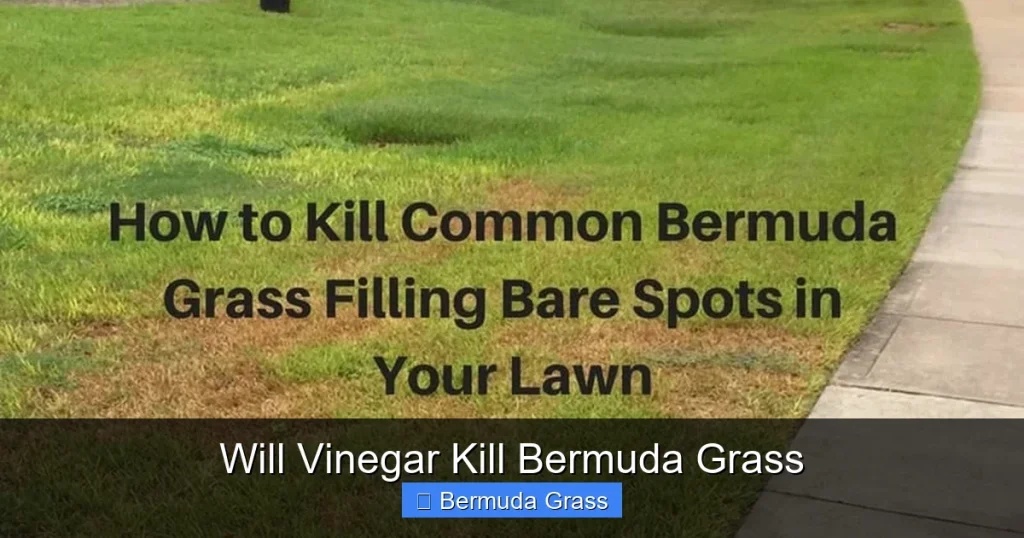
Will vinegar kill Bermuda grass? The answer depends on how you use it. Vinegar can damage or kill Bermuda grass if applied correctly, but it’s not always a guaranteed solution. This guide walks you through the process to help you decide if vinegar is right for your lawn.
Key Takeaways
- Vinegar can kill Bermuda grass: The acetic acid in vinegar damages plant cells, leading to death when applied properly.
- Use the right vinegar: Household vinegar (5% acetic acid) is common, but stronger horticultural vinegar (20%) is more effective for weed control.
- Apply carefully: Direct application on Bermuda grass can harm desirable grass or plants, so use targeted methods.
- Timing matters: Best results occur during active growth seasons, like late spring or early summer.
- Repeated treatments may be necessary: Vinegar often kills only the top growth, so multiple applications might be needed.
- Limitations: Vinegar may not work for deeply rooted Bermuda grass or large patches; mechanical removal might be better for extensive areas.
- Environmental considerations: Vinegar is eco-friendly but can harm surrounding plants if not applied carefully.
Will Vinegar Kill Bermuda Grass?
If you’re battling Bermuda grass in your yard, you might be searching for natural solutions. Vinegar is often touted as a DIY weed killer. But does it really work on Bermuda grass? The short answer is: it can damage or kill Bermuda grass if used correctly, but it’s not a guaranteed or selective method. In this guide, you’ll learn how vinegar affects Bermuda grass, how to apply it properly, and alternative methods if vinegar doesn’t do the trick.
Understanding Bermuda Grass and Vinegar
Bermuda grass is a warm-season grass that spreads aggressively via rhizomes and stolons. It’s hardy and resilient, making it tough to eradicate once established. Vinegar, specifically acetic acid, is a natural substance that can burn or damage plant tissue. When applied to Bermuda grass, vinegar can cause desiccation and death of the foliage. However, because Bermuda grass is tough and deeply rooted, vinegar might only kill the top growth with repeated applications.
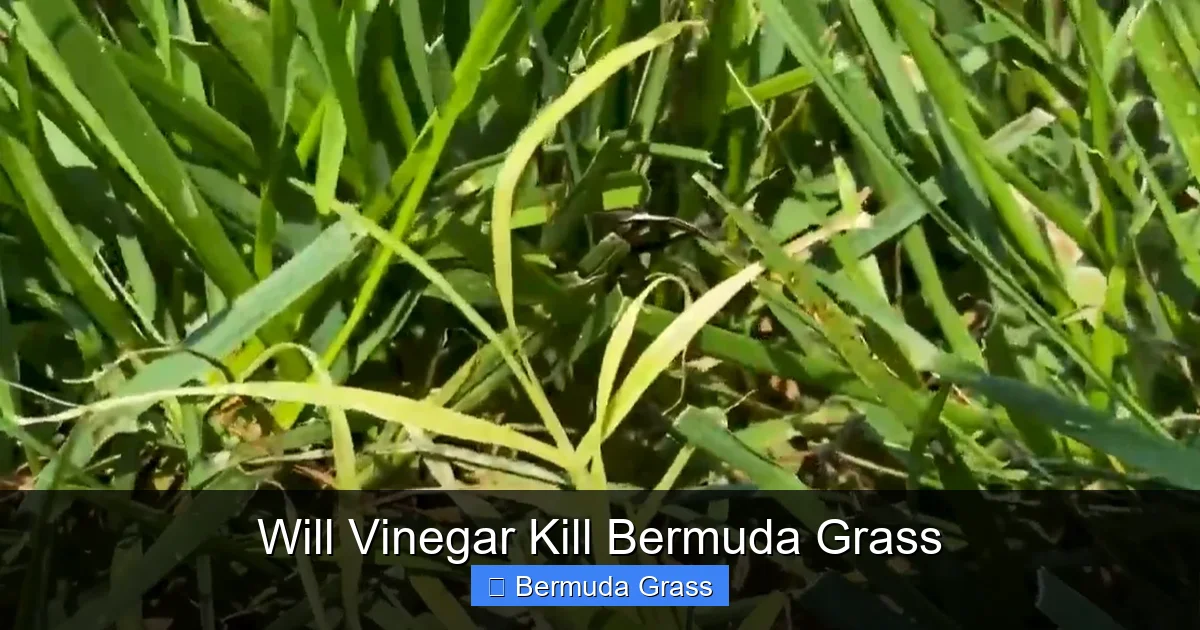
Visual guide about Will Vinegar Kill Bermuda Grass
Image source: grass-killer.nyc3.cdn.digitaloceanspaces.com
What Type of Vinegar Should You Use?
Household Vinegar (5%)
This common vinegar contains about 5% acetic acid. It’s readily available and safe to use around the home, but it’s less potent for weed control.
Horticultural or Gardening Vinegar (20%)
This stronger vinegar has 20% acetic acid and is more effective at killing weeds, including Bermuda grass. Be cautious with this product, as it’s more concentrated and can cause damage to desirable plants if misapplied.
Step-by-Step Guide to Killing Bermuda Grass with Vinegar
1. Assess the Area
Before applying vinegar, identify the extent of Bermuda grass invasion. Decide if you want to kill a small patch or a larger area. Keep in mind vinegar works best for spot treatments rather than large-scale eradication.
2. Prepare Your Supplies
- Vinegar: Choose household (5%) or horticultural (20%) vinegar depending on severity.
- Spray bottle or sprayer: Use a hand-held spray for small patches or a pump sprayer for larger areas.
- Protective gear: Wear gloves and eye protection, especially when handling stronger vinegar.
- Water: Optional, for diluting or rinsing.
3. Test the Vinegar on a Small Area
Before a full application, test the vinegar on a small patch of Bermuda grass. Wait 24-48 hours to see the effects. This helps prevent accidental damage to desirable plants nearby.
4. Apply the Vinegar
Targeted Spot Treatment
For small patches, spray vinegar directly onto the Bermuda grass blades and stems. Cover the area thoroughly, ensuring the vinegar contacts the foliage.
Thorough Coverage
For larger patches, use a pump sprayer to evenly distribute the vinegar. Avoid overspray on desirable grass or plants.
Timing
Apply during dry, sunny days when no rain is forecast. Morning is ideal as the sun helps the vinegar dry and enhances its effectiveness.
5. Repeat the Process
Vinegar often kills only the visible foliage. For complete eradication, repeat the treatment every 7-10 days until Bermuda grass shows signs of decline. Be patient, as deep roots may require multiple treatments.
Additional Tips for Success
- Apply during active growth: Bermuda grass is most vulnerable during peak growing seasons (late spring to early summer).
- Use concentrated vinegar: For stubborn patches, horticultural vinegar (20%) is more effective, but handle with care.
- Avoid desirable plants: Keep vinegar away from other grasses or plants you want to keep healthy.
- Combine methods: For stubborn Bermuda grass, consider combining vinegar with mechanical removal or solarization for better results.
Limitations and Troubleshooting
Vinegar is a non-selective weed killer. It will damage or kill any plant it contacts. If Bermuda grass is extensive or deeply rooted, vinegar alone might not be enough. In these cases, consider:
- Repeated applications over several weeks
- Using stronger vinegar (20%) with caution
- Mechanical removal methods like digging or tilling
- Professional herbicide options for persistent patches
Environmental and Safety Considerations
Vinegar is biodegradable and eco-friendly when used carefully. However, it can harm beneficial insects, nearby plants, and soil health if misapplied. Always wear protective gear, and avoid spraying on windy days to prevent drift.
Conclusion
In summary, vinegar can be a useful natural method to kill Bermuda grass, especially for small patches or spot treatments. For larger infestations, it may require multiple applications or supplementary methods. Always test first, use the correct vinegar type, and apply carefully to avoid damaging desirable plants. With patience and proper technique, vinegar can be part of your weed control toolbox.