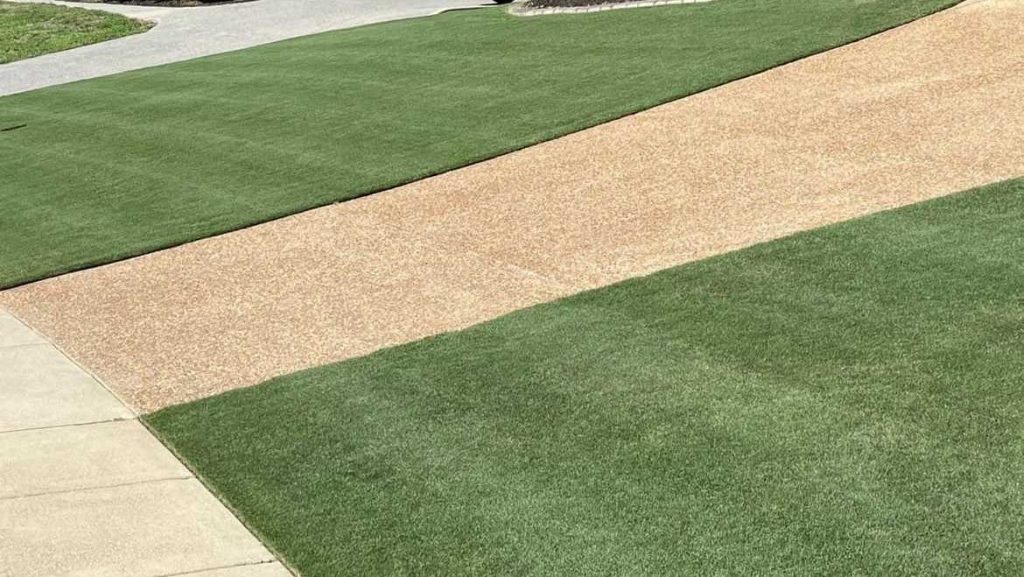
The ideal height for cutting Bermuda grass is around 1 to 2 inches, which keeps your lawn healthy and lush. Cutting too short can stress the grass, while leaving it too tall invites pests and disease. Finding the right balance ensures your yard stays vibrant and durable through the seasons.
To keep Bermuda grass thriving, it should be mowed to a height of about 1 to 2 inches. Regularly maintaining this height encourages strong root growth, prevents disease, and promotes a dense, carpet-like lawn. Avoid cutting below 1 inch, especially in hot weather, as it can weaken the grass, but don’t leave it too tall either, which can lead to thatch buildup and pests.
Bermuda grass is a popular choice for warm climates due to its durability and lush appearance. However, achieving that perfect, green turf involves more than just watering and fertilizing—it hinges significantly on proper mowing height. Mowing too high can make your lawn look shaggy and unkempt, while cutting too low can stress the grass, making it vulnerable to drought and disease. Finding the optimal height, between 1 to 2 inches, balances the grass’s need for sun exposure, root development, and resilience. Maintaining the right height also encourages dense growth and keeps weeds at bay, giving your yard a tidy, healthy appearance all season long.

What Height Should Bermuda Grass Be Cut?
Understanding Bermuda Grass Growth Patterns
Bermuda grass is a warm-season turfgrass known for its durability and heat tolerance. It spreads quickly through rhizomes and stolons, making it a popular choice for lawns and sports fields. Because of its aggressive growth, knowing the right cutting height is essential to keep it healthy and attractive.
Regular mowing encourages dense growth and helps prevent weeds from taking over. If Bermuda grass is cut too short, it can stress the plant and lead to brown patches or bare spots. Conversely, cutting it too high might allow weeds to invade or make the lawn look unkempt. Finding the optimal height is key to maintaining a lush, vibrant lawn.
Ideal Cutting Heights for Bermuda Grass
The main goal when mowing Bermuda grass is to keep it within an optimal height range that promotes healthy root development and prevents pests. Most lawn care experts recommend maintaining Bermuda grass between **1 inch and 2.5 inches** in height.
For **warm months** when growth is vigorous, keeping the grass around **1 to 1.5 inches** is ideal. During the **cooler months** or when growth slows, raising the cut to **2 to 2.5 inches** helps protect the grass from stress. Maintaining this range promotes strong, dense turf that resists pests and weeds.
Benefits of Proper Mowing Height
Maintaining the correct height offers multiple advantages.
- Improves drought resistance: Taller blades shade the soil, reducing water evaporation.
- Enhances weed control: Dense grass leaves less space for weeds to grow.
- Strengthens root systems: Proper height encourages deep roots, increasing resilience.
- Prevents disease: Short grass can lead to scalping and stress, inviting diseases.
These benefits show why sticking to a recommended mowing height is crucial for a healthy Bermuda lawn.
How to Adjust Mower Settings for Bermuda Grass
Getting the right cutting height depends on the mower’s adjustment. Most rotary mowers have height settings, which vary from **half an inch to over 3 inches**.
Start by measuring your current mowing height. Set your mower blades to **the desired height**—generally between **1 and 2.5 inches** for Bermuda grass. Always check the manufacturer’s instructions for your mower to ensure accurate adjustments.
Remember to change the mower blades gradually rather than all at once to avoid stressing the grass too much. During seasonal changes, adjust the height accordingly, especially as growth rate varies.
Frequency of Mowing Based on Growth Rate
Bermuda grass grows rapidly in warm weather. During peak growth, mowing **once a week** may be necessary. When growth slows, you can extend the interval to **every two weeks** or as needed.
Never cut more than **one-third** of the grass height at a time. Removing more than that can weaken the grass and make it vulnerable to pests and diseases. Regular mowing not only maintains the desired height but also encourages thicker turf.
Signs You’re Cutting Too Low or Too High
Watching your Bermuda grass helps identify if your mowing height is appropriate. Signs of cutting too low include:
- Brown patches or scalping, exposing soil
- Weak or thin turf
- Increased vulnerability to weeds and pests
If the grass is too high, it may look shaggy and unkempt, and weeds might start to invade. Adjust your mower to a lower setting carefully, and avoid cutting the grass too short at once to prevent shock.
Seasonal Adjustments for Bermuda Grass Mowing Height
Bermuda grass requires different mowing heights depending on the season. During active growth in summer, maintain the lower range of **1 to 1.5 inches** for a neat appearance.
In cooler months or during dormancy, raise the height to **2 to 2.5 inches**. This helps the grass conserve energy and recover when temperatures rise again. Adjusting mowing height seasonally supports the grass’s health and longevity.
Additional Tips for Healthy Bermuda Lawns
To keep Bermuda grass thriving, combine proper mowing with other maintenance practices:
- Water deeply and infrequently: Aim for about **1 to 1.5 inches** of water weekly.
- Fertilize appropriately: Use a nitrogen-rich fertilizer during peak growing seasons.
- Aerate annually: Relieves soil compaction and promotes root growth.
- Control pests and weeds: Regular inspection and targeted treatments prevent infestations.
Implementing these practices alongside correct mowing height optimizes your Bermuda lawn’s health and appearance.
Common Mistakes to Avoid When Cutting Bermuda Grass
Avoid these common errors to maintain a lush and healthy Bermuda lawn:
- Mowing too short: Cutting below **0.75 inches** stresses the grass and encourages weeds.
- Using dull mower blades: Dull blades tear the grass, leading to disease and a ragged appearance.
- Not adjusting for seasonal changes: Sticking to the same height year-round can harm the grass.
- Over-mowing: Cutting more than one-third of the height at once can weaken the turf.
Being mindful of these mistakes ensures your Bermuda grass remains resilient and attractive.
Summary of Recommended Mowing Heights for Bermuda Grass
| Season | Mowing Height Range | Purpose |
|——–|———————|———|
| Summer | 1 to 1.5 inches | Active growth, looks tidy |
| Cooler months | 2 to 2.5 inches | Protects from stress |
Adjust according to your lawn’s specific needs and growth patterns for optimal results.
Maintaining the right height for Bermuda grass isn’t just about aesthetics. It directly influences the health, resilience, and overall appearance of your lawn. Regularly monitor your turf, adjust your mower, and follow seasonal guidelines to keep your Bermuda grass lush and beautiful.
How Tall to Cut Bermuda – How Short to Cut Lawn
Frequently Asked Questions
What is the recommended mowing height for Bermuda grass during the peak growing season?
During the peak growing season, it is best to mow Bermuda grass to a height of about 1 to 1.5 inches. This height encourages healthy growth, helps prevent pests, and maintains a lush appearance. Avoid cutting the grass too short, as it can weaken the turf and make it susceptible to drought and disease.
How does mowing height affect the health of Bermuda grass in different weather conditions?
Mowing Bermuda grass at a slightly higher height during hot and dry conditions helps conserve moisture and protects the roots from heat stress. Conversely, in cooler periods or after heavy rain, lowering the mowing height slightly can promote denser growth. Adjusting the mowing height based on weather conditions supports the grass’s overall health and resilience.
What factors should influence how high I cut Bermuda grass in my yard?
Several factors impact the ideal mowing height for Bermuda grass, including soil type, foot traffic, and the grass’s overall health. For example, high-traffic areas may benefit from slightly taller grass to provide durability, while sandy soil may require a higher cut to maintain moisture. Regularly monitoring your lawn’s condition helps determine the best height to promote strong, healthy growth.
Can mowing Bermuda grass too high or too low cause damage?
Yes, mowing Bermuda grass too low can weaken the grass, leaving it vulnerable to drought, pests, and disease. On the other hand, mowing too high may lead to thatch buildup and reduce the grass’s ability to compete with weeds. Maintaining the recommended height ensures the turf stays healthy and resilient throughout the growing season.
Final Thoughts
The ideal height for cutting Bermuda grass depends on its use and season. Typically, maintaining the grass at 1 to 1.5 inches promotes healthy growth and a lush appearance. Cutting too short can stress the grass, while leaving it too tall may invite pests.
For optimal health and aesthetics, it is best to regularly mow Bermuda grass within the recommended height range.
In conclusion, understanding what height should Bermuda grass be cut helps ensure a vibrant, healthy lawn. Keep it between 1 and 1.5 inches for the best results, adhering to the specific needs of your yard.