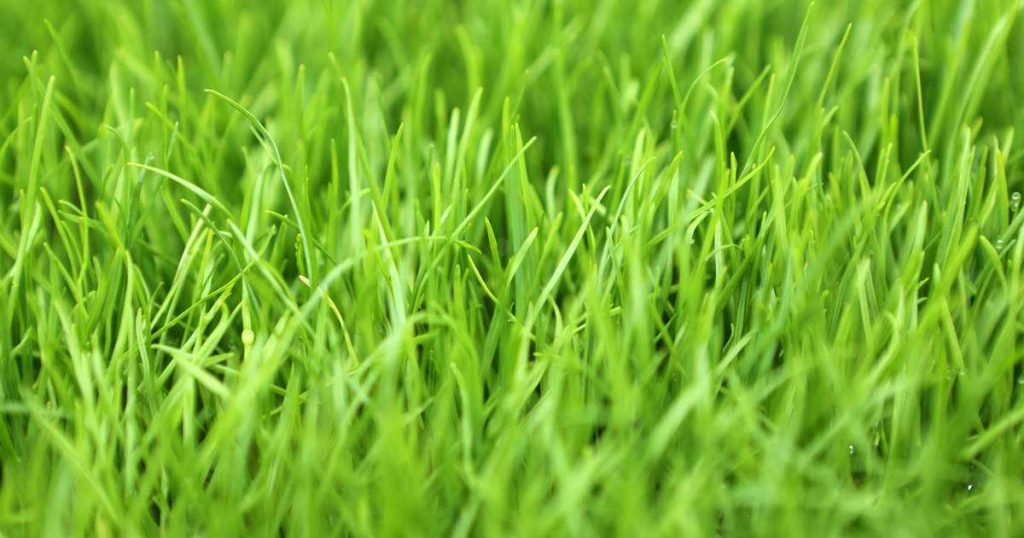
Yes, ryegrass can grow in summer, especially if the conditions are right. Its growth depends on the type of ryegrass and the climate, but generally, cool-season ryegrass tends to thrive best in cooler months, while certain varieties of perennial ryegrass can handle warmth better. With proper watering and shading, ryegrass can sometimes be maintained during the hotter months.
Ryegrass can grow in summer under the right conditions, but it’s primarily a cool-season grass that prefers milder temperatures. The key to summer growth lies in selecting resilient varieties, providing adequate water, and managing heat stress. Understanding these factors can help you keep a lush, green lawn even when temperatures soar.
Thinking about planting ryegrass for summer? It’s worth knowing that not all ryegrass varieties are suited for hot weather, but with the right care, some can flourish even in warmer months. Ryegrass is a popular choice for quick coverage and a lush appearance, but it generally prefers cooler weather. During hot summer days, it may struggle unless you choose heat-tolerant strains and provide sufficient watering and shade. If you’re aiming for a thriving summer lawn, consider your local climate and the specific type of ryegrass to ensure success. Proper preparation and care can help you enjoy a vibrant lawn regardless of the season.

Will Ryegrass Grow in Summer?
Ryegrass is a popular choice for lawns and sports fields because of its quick growth and lush appearance. Many people wonder if ryegrass will thrive during the hot summer months. The answer depends on several factors, including the type of ryegrass and the climate zone you live in. In this article, we’ll explore everything you need to know about growing ryegrass in summer, including its behavior, best practices, and tips for keeping your lawn healthy during the warmer months.
Understanding Ryegrass Types
Cool-Season vs. Warm-Season Ryegrass
There are two main types of ryegrass: perennial ryegrass and annual ryegrass. Perennial ryegrass is a cool-season grass that prefers temperatures between 50°F and 75°F (10°C to 24°C). It generally does not perform well in extreme heat. Annual ryegrass, on the other hand, is a fast-growing grass that thrives in cooler weather but can sometimes tolerate warmer temperatures for short periods.
Understanding which type you have is key to knowing if it will grow during summer. If you have perennial ryegrass, chances are it will struggle in high heat without special care. If your lawn has annual ryegrass, it might grow during summer but only for a limited time before the heat causes it to die back.
Growth Patterns of Ryegrass in Summer
How Temperature Affects Ryegrass Growth
Ryegrass generally prefers cooler temperatures and tends to slow its growth once temperatures rise above 75°F (24°C). During hot summer days, especially in regions with high temperatures or drought conditions, ryegrass may go dormant. Dormancy means the grass stops growing to conserve water and energy.
However, in regions with milder summers, ryegrass can still grow during summer, albeit more slowly. It maintains green color longer than other grasses like Bermuda or Zoysia in cooler summer climates. But in very hot climates, ryegrass can struggle to maintain its lush appearance.
Summer Dormancy and Stress Response
During extreme heat, ryegrass enters a state of dormancy. Leaves turn brownish or straw-colored but remain alive underground. This dormancy helps the grass survive until cooler weather returns. During this period, the grass requires less water and nutrients but needs protection against drought stress.
Managing ryegrass during dormancy involves adjusting watering and fertilization. Overwatering during dormancy can lead to disease problems, so it’s important to monitor moisture levels carefully.
Growing Ryegrass in Hot Climates
Can You Grow Ryegrass in Summer in Hot Locations?
In very hot and dry climates, growing ryegrass in summer might be challenging. In such areas, ryegrass often does not compete well with heat-tolerant grasses. However, with proper care, it can sometimes be grown as a temporary cover or for specific purposes like overseeding.
In regions like the southern United States, where summer temperatures regularly exceed 90°F (32°C), ryegrass may only survive for a few weeks. It often requires extra watering, shade, and possibly even soil amendments to give it a fighting chance.
Best Practices for Summer Ryegrass Growth
To help ryegrass grow during summer, consider these tips:
- Water Wisely: Maintain consistent moisture but avoid overwatering to prevent root rot.
- Provide Shade: Use shade cloths or plant near taller plants to reduce heat stress.
- Fertilize Appropriately: Use a low nitrogen fertilizer to avoid excessive growth that the heat can’t support.
- Choose the Right Ryegrass: Opt for annual ryegrass if you need temporary coverage and can manage its short lifespan.
Overseeding Strategies for Summer
Using Ryegrass as a Seasonal Cover
Many turf managers plant ryegrass in late summer or early fall to provide quick greening and ground cover. This practice, called overseeding, can give your lawn a vibrant appearance during warmer months when other grasses go dormant.
Overseeding involves sowing ryegrass into an existing lawn, which requires proper soil preparation and consistent watering. This method works well in cooler summer regions or during periods of mild heat.
Timing and Techniques
Timing is essential for successful overseeding. Usually, planting occurs from late summer to early fall, depending on your climate zone. Use a rake to loosen the soil surface and spread seed evenly.
Keep the area moist until the new ryegrass is established. This process typically takes two to three weeks, after which mowing can be resumed at the usual height.
Soil and Water Requirements for Summer Growth
Optimal Soil Conditions
Ryegrass grows best in well-draining soil rich in organic matter. A soil pH between 5.5 and 7.0 supports healthy root development. Before planting or overseeding, test your soil to determine if amendments are necessary.
Adding compost or organic matter can improve soil fertility and moisture retention, which benefits ryegrass in hot weather.
Watering Tips for Summer Growth
Consistent watering is crucial during dry summer days. Deep watering encourages deep root growth, helping ryegrass withstand heat and drought stress.
Avoid frequent shallow watering, as it can promote shallow roots and make the grass more susceptible to drought. Water early in the morning for best results and to minimize evaporation.
Common Problems and Solutions
Heat Stress and Dormancy
Extreme heat causes ryegrass to go dormant, resulting in brown patches. During dormancy, reduce watering and avoid mowing until cooler weather returns. Applying a light fertilizer can help the grass recover faster.
Pest and Disease Issues
In summer, ryegrass can be prone to pests such as grubs and disease like brown patch. Keep the lawn healthy with proper watering and mowing practices. Use appropriate fungicides or pest control treatments if needed.
Harsh Sunlight and Wind Damage
Intense sunlight and wind can cause dehydration and stress. Use shade cloths or windbreaks where possible, and keep the soil moist but not saturated. Mowing at the proper height helps protect the grass from sunburn and wind damage.
While ryegrass prefers cooler temperatures, it can grow in summer under certain conditions. Its ability to survive summer depends largely on the local climate, soil health, and proper care practices. In cooler summer regions or with managed overseeding, ryegrass remains a vibrant, quick-growing turf option. In hotter areas, it often enters dormancy, but with shading, watering, and proper fertilization, you can still maintain a healthy lawn during the warmest months. Knowing your specific climate and selecting the right ryegrass type are key to success. Proper maintenance practices, including watering, fertilizing, and shade, can extend the growing season and keep your lawn looking lively all summer long.
Can Perennial Ryegrass Handle The HEAT?
Frequently Asked Questions
Can ryegrass survive high summer temperatures?
Ryegrass generally prefers cooler conditions and may struggle to thrive during the peak heat of summer. High temperatures can cause the grass to become stressed, turn brown, and enter dormancy. Proper watering and shade can help mitigate some heat effects, but complete resilience during hot summer months remains limited.
Is it advisable to plant ryegrass for summer lawns?
Planting ryegrass in late spring or early summer can be effective, but ongoing summer heat can hinder its growth. It is better suited for overseeding or establishing in cooler seasons. If you choose to plant in summer, ensure you provide ample water and protection from intense sunlight to help the grass establish.
How does summer mowing affect ryegrass growth?
Frequent mowing during summer can stress ryegrass, especially if the grass is already weakened by heat. Mow at higher heights to reduce stress and protect the roots from excessive heat exposure. Allowing the grass to grow taller during hot months helps shade the soil and retain moisture, supporting its health.
What watering practices help ryegrass during hot weather?
Consistent and deep watering is essential for ryegrass throughout summer. Water early in the morning or late in the evening to minimize evaporation. Ensure the soil remains moist but not waterlogged, and avoid watering during the hottest part of the day to prevent stress and promote healthier growth.
Final Thoughts
Ryegrass can grow in summer if conditions are suitable, especially with adequate watering and cool soil. However, it tends to thrive better during cooler months. Summer heat may cause the grass to go dormant or struggle to grow.
Will ryegrass grow in summer? Yes, but growth may slow down or become inconsistent in high temperatures. Ensuring proper care can help maintain a healthy lawn during the warmer months.